How Testing for BRCA1 and BRCA2 Genes Works: A Comprehensive Overview
Testing for BRCA1 and BRCA2 gene mutations involves analyzing a person’s genetic material—typically via blood or saliva—to identify pathogenic variants that significantly increase the risk of developing certain hereditary cancers, most...
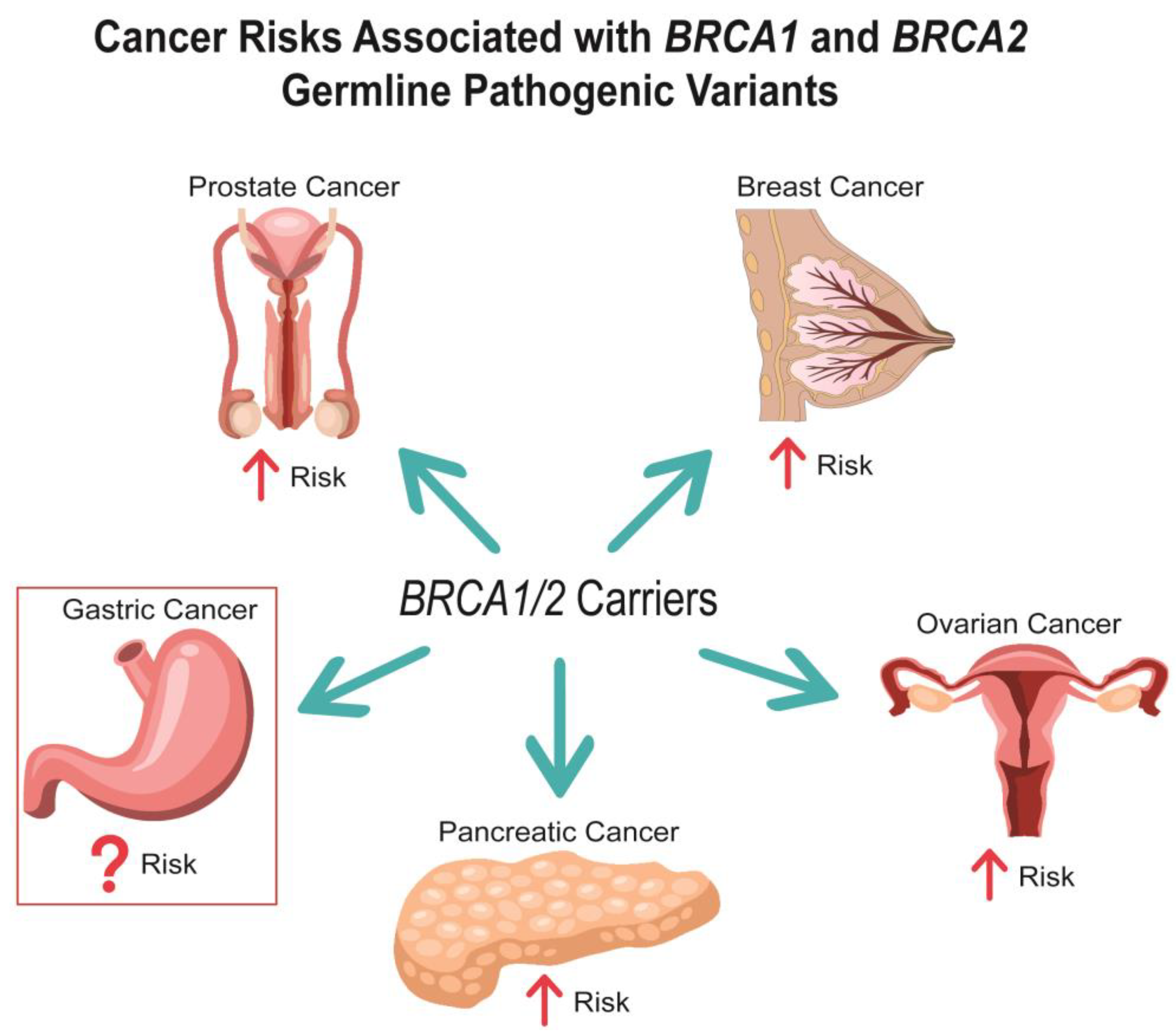
Testing for BRCA1 and BRCA2 gene mutations involves analyzing a person’s genetic material—typically via blood or saliva—to identify pathogenic variants that significantly increase the risk of developing certain hereditary cancers, most notably breast and ovarian cancer. The process translates biological sequencing data into actionable clinical insights, allowing individuals and their healthcare providers to develop personalized risk-management, screening, and preventative strategies based on their specific genetic profile.
Contents
The Biological Basis of BRCA Testing
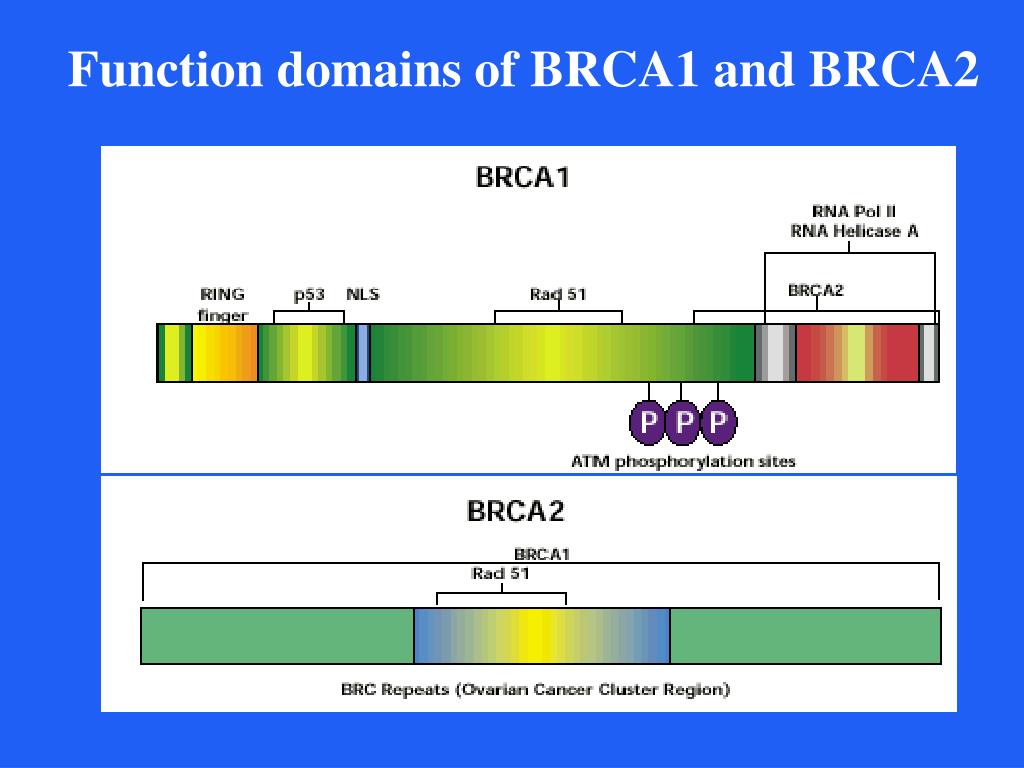
BRCA1 and BRCA2 are tumor suppressor genes found in all human beings. Under normal conditions, these genes produce proteins that help repair damaged DNA, ensuring the stability of the cell’s genetic information. When these genes function correctly, they prevent cells from growing and dividing too rapidly or in an uncontrolled way.
A mutation in one of these genes means the protein produced is either non-functional or missing, which compromises the cell’s ability to repair DNA damage. Over time, these uncorrected errors can accumulate, leading to malignant cell growth. Testing, in this context, does not look for cancer itself but rather for the presence of inherited (germline) mutations that predispose an individual to cancer. It is important to note that carrying a BRCA mutation does not guarantee a cancer diagnosis; it signifies a statistically significant increase in lifetime risk compared to the general population.
Prerequisites: Who Should Consider Testing?
Genetic testing is not recommended for everyone. Clinical guidelines, such as those maintained by the National Comprehensive Cancer Network (NCCN) and the American Society of Clinical Oncology, suggest testing primarily for individuals with a personal or family history that suggests an inherited cancer predisposition.
Common indicators include:
- A personal history of breast cancer diagnosed at a young age (typically 45 or younger).
- Multiple primary breast cancers or a diagnosis of triple-negative breast cancer.
- A family history of breast, ovarian, fallopian tube, or primary peritoneal cancer.
- A known pathogenic mutation within a close blood relative.
- Ashkenazi Jewish ancestry, which is associated with a higher prevalence of specific BRCA founder mutations.
Before proceeding, patients are strongly encouraged to consult with a certified genetic counselor. This professional acts as a bridge between the laboratory report and the patient's life, helping to explain the implications of a "positive," "negative," or "variant of uncertain significance" (VUS) result.
The Procedural Workflow: From Collection to Report
The physical process of testing is relatively straightforward, but the downstream analysis is highly complex. The workflow generally follows four distinct phases:
- Pre-Test Counseling: A clinician assesses the family history and explains the potential psychological, social, and medical implications of learning one's genetic status.
- Sample Collection: The patient provides a biological sample. A blood draw (venipuncture) is the most common, though many modern laboratories accept buccal (cheek) swabs.
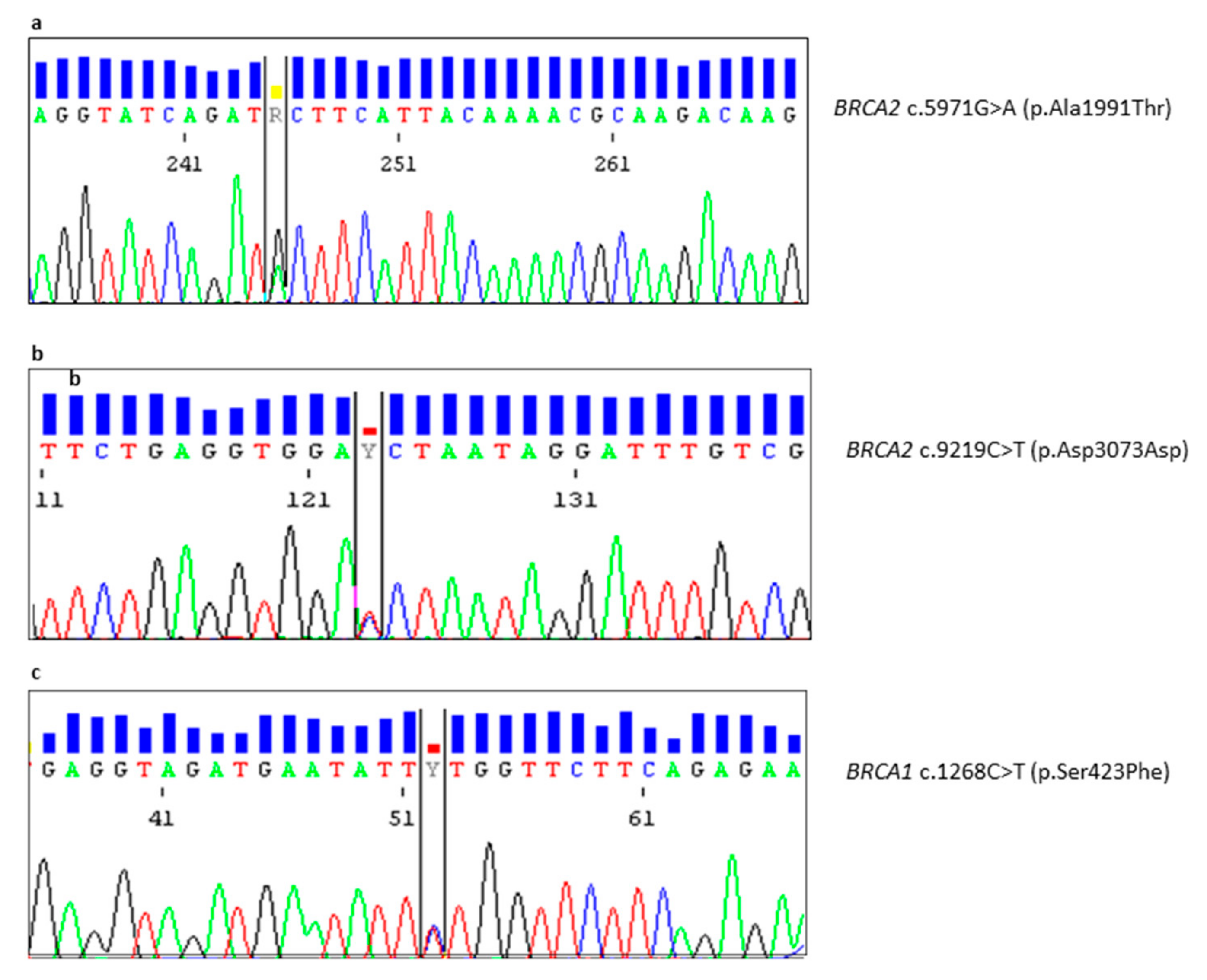
- Laboratory Analysis: The sample is sent to a high-complexity molecular diagnostics laboratory. Using technologies like Next-Generation Sequencing (NGS), technicians read the genetic code of the BRCA1 and BRCA2 genes. They compare the patient’s sequence against a "reference" human genome to identify deviations (mutations).
- Interpretation and Reporting: Bioinformatics algorithms flag any deviations. A molecular geneticist reviews these to determine if the mutation is "benign" (common variation), "pathogenic" (linked to disease), or a "VUS" (not enough evidence to classify).
Comparing Testing Modalities
Patients may encounter different testing options, ranging from single-gene analysis to broad multi-gene panels.
| Testing Type | Scope | Primary Use Case |
|---|---|---|
| Single-Site Testing | Checks only for a known family mutation. | Used when a relative has already tested positive. |
| Full BRCA1/2 Analysis | Sequences the entire coding region of both genes. | Used for individuals with high clinical suspicion. |
| Multi-Gene Panels | Includes BRCA1/2 plus other high-risk genes (e.g., PALB2, TP53). | Broad assessment for individuals with strong family history of various cancers. |
| Direct-to-Consumer | Limited testing for specific mutations. | Not for clinical diagnosis; often lacks comprehensive medical context. |
Understanding the Results
The results of a BRCA test are categorized to provide clinical clarity:
- Positive: A pathogenic or likely pathogenic mutation was identified. This provides a clear actionable path for increased surveillance or risk-reducing surgery.
- Negative: No deleterious mutation was found. If no known mutation exists in the family, this is generally reassuring, though family history may still dictate increased screening due to other unidentified factors.
- Variant of Uncertain Significance (VUS): The laboratory found a change in the gene, but current medical literature does not have enough evidence to classify it as either harmful or benign. These are treated as negative for the purpose of clinical decision-making.
Clinical Management Post-Testing
Testing is not an end point; it is a tool for risk management. For those who test positive, the 2026 standard of care typically involves several aggressive monitoring strategies:
- Enhanced Surveillance: More frequent breast MRI and mammography starting at younger ages.
- Risk-Reducing Surgery: Prophylactic mastectomy or salpingo-oophorectomy (removal of ovaries/fallopian tubes) to dramatically reduce risk.
- Chemoprevention: Use of specific medications, such as selective estrogen receptor modulators (SERMs), to lower cancer risk.
- Cascade Testing: Encouraging blood relatives to undergo genetic testing to determine if they also carry the familial mutation.
Financial and Ethical Considerations
In 2026, the landscape for insurance coverage and legal protections remains defined by existing statutes. In the United States, the Genetic Information Nondiscrimination Act (GINA) prevents health insurers and employers from using genetic information to discriminate against individuals. However, GINA does not apply to life, disability, or long-term care insurance.
Costs for testing can vary significantly based on insurance coverage and the scope of the panel being ordered. It is imperative to check with a provider’s insurance verification department before the test is performed to understand potential out-of-pocket costs, deductibles, and whether the laboratory is "in-network."
Common Challenges and Limitations
One major limitation of BRCA testing is the "False Sense of Security" phenomenon. A negative test result does not mean an individual cannot develop breast or ovarian cancer, as these diseases are often multifactorial, involving age, lifestyle, and other non-BRCA genetic markers. Furthermore, testing focuses on specific genes; it does not capture the entirety of an individual's genetic risk profile.
Additionally, patients should be wary of laboratory quality. Clinical-grade testing is regulated under the Clinical Laboratory Improvement Amendments (CLIA), ensuring that labs meet specific standards for accuracy and reporting. Always ensure that the testing facility is accredited by recognized bodies such as the College of American Pathologists (CAP).
Frequently Asked Questions
Does a negative BRCA test mean I have no cancer risk? No. A negative result means you did not inherit the specific pathogenic mutations in BRCA1 or BRCA2. However, you can still develop breast or ovarian cancer due to other genetic factors, environmental influences, or random cellular mutations. Your risk remains the same as that of the general population.
How long does it take to get results? Most clinical laboratories provide results within two to four weeks. The timeline depends on the complexity of the test ordered and the volume of the laboratory’s caseload at the time of submission.
Can I use an at-home kit to test for BRCA mutations? While some direct-to-consumer services offer testing that includes BRCA markers, they often test for only a limited number of variants (such as the three specific mutations common in Ashkenazi Jewish populations). They do not replace comprehensive clinical testing, which sequences the entire gene. Always consult a physician for diagnostic-level testing.
What happens if I receive a VUS result? A Variant of Uncertain Significance (VUS) means the lab found a change, but it is currently unknown if that change impacts the gene’s function. In almost all cases, doctors treat a VUS as a negative result and do not base surgical decisions on it. Research databases are updated regularly, and many VUSs are later reclassified as benign as more data is collected.
Will my genetic data be shared with my employer? Under GINA, your health insurance provider and employer cannot use your genetic testing results to deny coverage or determine your employment status. However, keep in mind that these protections do not extend to life insurance or long-term disability insurance policies.
Next Steps for Consideration
If you believe you may benefit from BRCA testing, the most productive first step is to document your family history on both the maternal and paternal sides. Note the types of cancer, the age of diagnosis, and the relationship to you. Schedule an appointment with a genetic counselor or a specialist, such as an oncologist or a high-risk breast center practitioner. They will review your family tree—a process known as pedigree analysis—to determine if you meet the clinical criteria for testing and guide you through the process of obtaining an insurance-authorized diagnostic test.
Image Gallery