The First Miami Grand Prix: A New Era for Formula 1 in the United States
The first Miami Grand Prix, held on May 8, 2022, marked a transformative milestone for Formula 1’s expansion in the United States. Hosted at the purpose-built Miami International Autodrome, constructed around the iconic Hard Rock Stadi...
The first Miami Grand Prix, held on May 8, 2022, marked a transformative milestone for Formula 1’s expansion in the United States. Hosted at the purpose-built Miami International Autodrome, constructed around the iconic Hard Rock Stadium, the inaugural race signaled the sport’s strategic pivot toward high-profile, luxury-driven events in major American metropolitan centers.
Contents
The Origins of the Miami International Autodrome
The journey to the first Miami Grand Prix was characterized by years of intensive negotiation, architectural innovation, and community coordination. Unlike traditional permanent circuits or historic street tracks, the Miami International Autodrome represents a "temporary-permanent" hybrid design. Formula 1 and the Miami Dolphins organization, led by Stephen Ross, collaborated to engineer a 5.41-kilometer (3.36-mile) circuit that utilized the existing grounds of the Hard Rock Stadium complex in Miami Gardens.
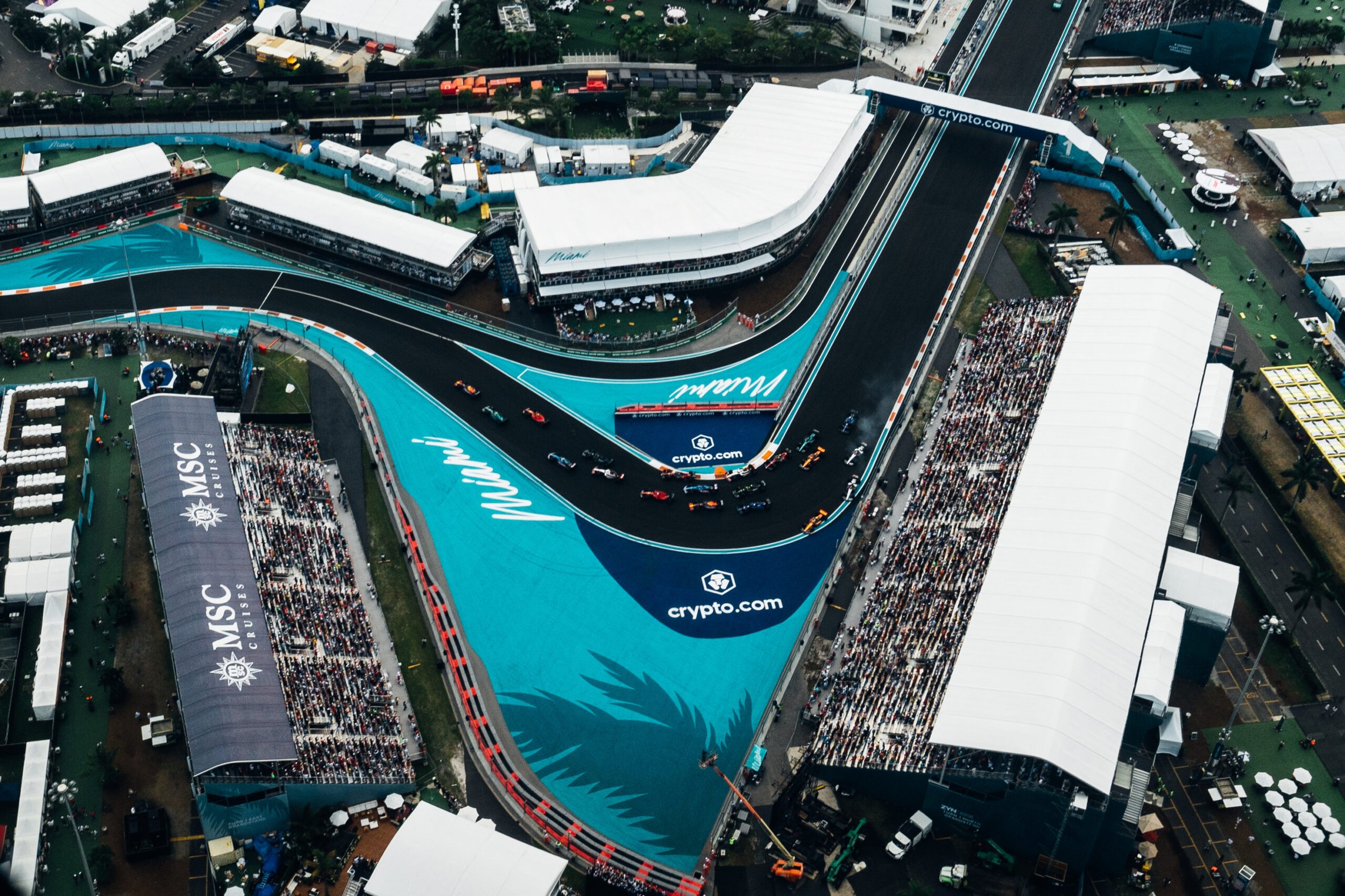
The design team, led by Apex Circuit Design, was tasked with creating a track that offered high-speed challenges while maintaining spectator visibility and safety. The result was a 19-turn layout that features three distinct straights, theoretically allowing for high-speed top-end performance and significant overtaking opportunities. The incorporation of the Hard Rock Stadium as a central hub allowed for premium hospitality infrastructure, a hallmark of the modern F1 experience.
Technical Challenges and Circuit Characteristics
From a technical standpoint, the inaugural 2022 event provided a unique set of challenges for the teams and drivers. The track surface was a temporary asphalt construction, which raised concerns regarding grip levels and tire degradation throughout the weekend. Because the circuit is effectively a street circuit despite its semi-permanent nature, the lack of rubber laid down in previous years made the track "green" and slippery at the start of the weekend.
The layout includes a mix of long, sweeping straights and a highly technical, tight section between Turns 11 and 16. This specific sector, which runs underneath the Florida Turnpike overpasses, challenged engineers to find a balance between aerodynamic downforce and drag reduction. During the 2022 race, teams discovered that the track surface sensitivity was higher than anticipated, forcing mid-race adjustments to tire pressure and fuel management strategies.
The Inaugural Race Weekend: A Summary of Events
The 2022 Miami Grand Prix weekend generated unprecedented levels of media attention and celebrity attendance. The event atmosphere was distinctly different from the traditional European races, characterized by a fusion of Miami’s coastal lifestyle and the high-performance culture of motor racing.
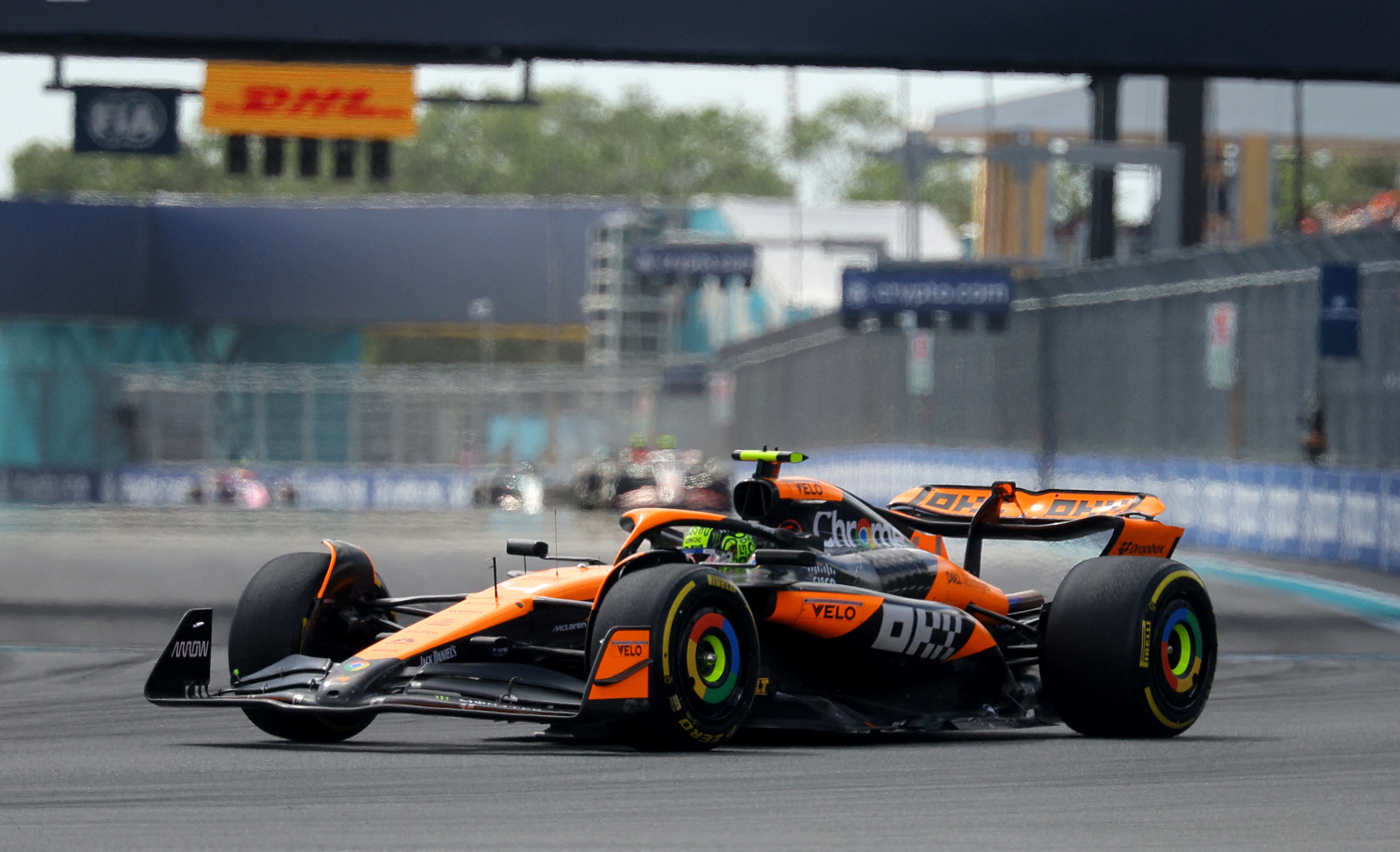
The race itself saw Max Verstappen (Red Bull Racing) emerge victorious after an intense battle with Charles Leclerc (Scuderia Ferrari). The tactical nature of the race, specifically the fight for grip and the late-race safety car intervention caused by a collision between Lando Norris and Pierre Gasly, underscored the unpredictability of the newly minted circuit. The final podium, featuring Verstappen, Leclerc, and Carlos Sainz, cemented the event’s success in terms of sporting narrative and entertainment value.
Comparative Overview: Miami vs. Other US Grand Prix Venues
To understand the significance of the Miami Grand Prix, one must evaluate how it compares to the Circuit of the Americas (COTA) in Austin, which remains the long-standing home of the United States Grand Prix.
| Feature | Miami International Autodrome | Circuit of the Americas (COTA) |
|---|---|---|
| Track Type | Temporary/Street-Style Circuit | Permanent Purpose-Built Circuit |
| Elevation Change | Minimal | Significant (Up to 41m) |
| Location | Miami Gardens, Florida | Austin, Texas |
| Primary Atmosphere | Lifestyle, Entertainment, Urban | Traditional Racing Heritage |
| Primary Infrastructure | Around Hard Rock Stadium | Dedicated Track Facility |
Strategic Implications for Formula 1
The success of the first Miami Grand Prix was not merely measured by the race finish but by the strategic validation of the Liberty Media ownership model. By bringing the race into a major cultural hub like Miami, F1 successfully tapped into a new demographic of North American fans. The "Miami effect"—a heightened focus on social media engagement, celebrity integration, and luxury branding—has since influenced the planning of subsequent Grand Prix events globally.
Furthermore, the environmental and logistical hurdles overcome during the inaugural event established a blueprint for future temporary street circuits. Managing noise ordinances, local traffic flow, and the massive influx of international tourists required a level of bureaucratic and logistical sophistication that has since become the standard for new entries on the FIA calendar.
Environmental and Community Considerations
The inaugural race was not without its critics. Residents of the Miami Gardens area expressed concerns regarding noise pollution, air quality, and the disruption of local traffic patterns. To address these issues, the race organizers implemented a comprehensive environmental management plan, which included localized air quality monitoring and investments in community-focused programs.
From a sustainability perspective, the race highlighted the challenge of temporary construction waste and the carbon footprint associated with transport logistics for a street-style event. These topics remain central to the ongoing dialogue between the FIA, Formula 1, and the Miami-Dade County government as they plan for future iterations of the race.
Frequently Asked Questions
1. Was the Miami Grand Prix a permanent addition to the F1 calendar? Yes, the Miami Grand Prix was established under a ten-year contract starting in 2022, confirming its place as a recurring fixture on the Formula 1 World Championship calendar.
2. Is the Miami track considered a "street circuit"? Technically, it is classified as a hybrid track. While it is built on the grounds of the Hard Rock Stadium and utilizes existing roads, it was purpose-designed for F1 rather than being a repurposed public street grid like Monaco or Singapore.
3. Why was the first race held in 2022 after years of anticipation? The project faced significant delays due to local community opposition, legal challenges regarding zoning, and the complexities of designing a track within a constrained stadium perimeter, which pushed the debut to May 2022.
4. How does the track surface at Miami differ from traditional tracks? The track uses a temporary asphalt composition which often requires "rubbering in" during the weekend. This makes it highly sensitive to temperature changes and track evolution compared to permanent circuits that have years of settled rubber.
5. What is the significance of the "Hard Rock Stadium" in this event? The stadium acts as the "campus" for the Grand Prix, hosting the paddock, hospitality suites, and spectator zones. This integration allows for a concentrated, high-density fan experience that is unique among modern F1 venues.
Moving Forward
The first Miami Grand Prix served as a masterclass in modern sports marketing and event infrastructure. For fans, teams, and stakeholders, the event proved that the North American market is not only viable but essential for the growth of Formula 1. When planning to attend or analyze future events, it is essential to focus on the evolving track conditions, the growing integration of local Miami culture, and the continued refinement of the circuit’s safety and performance protocols.
Image Gallery