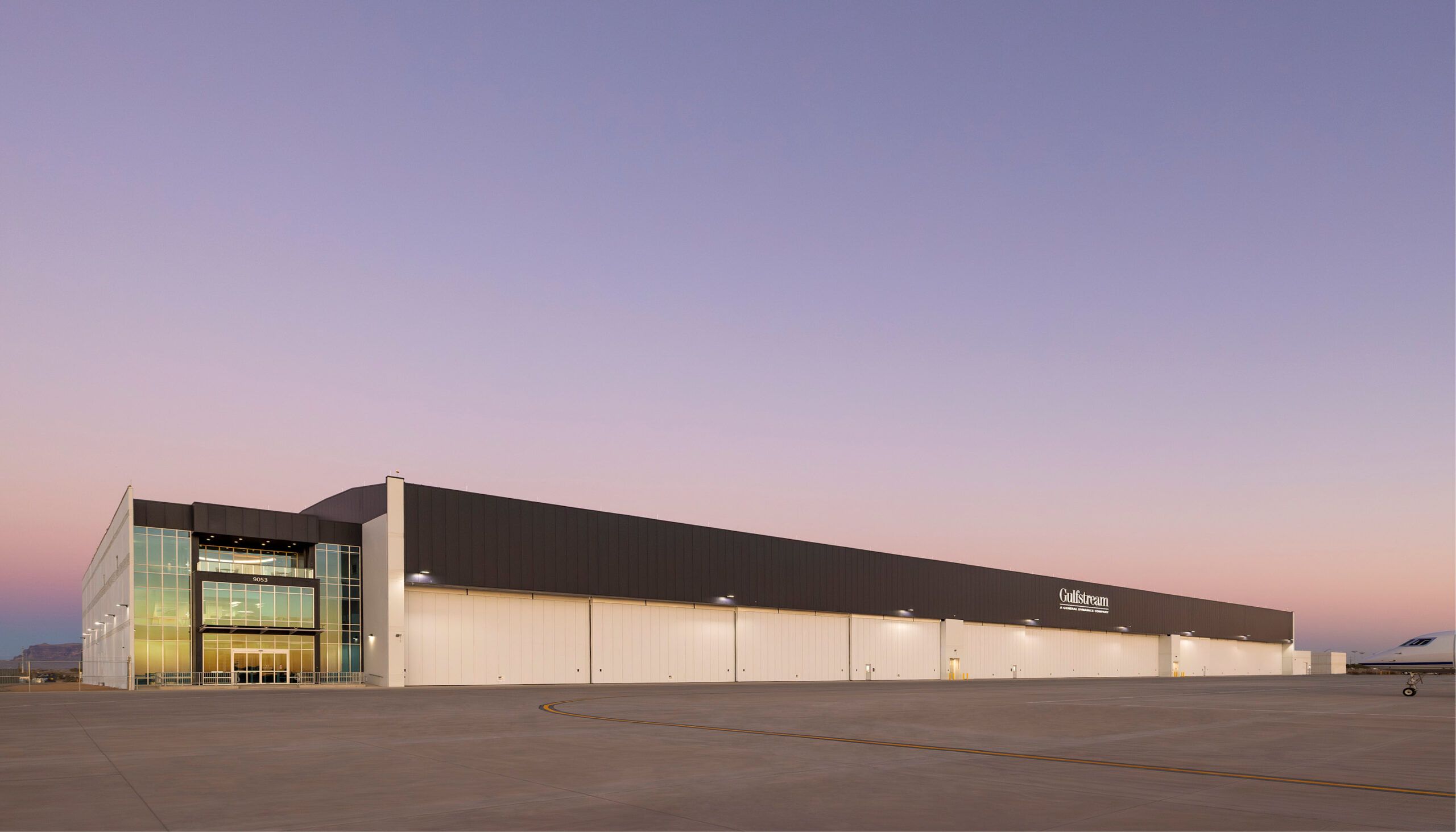
Navigating Gulfstream Service Centers: Capabilities, Locations, and Operational Standards
Gulfstream service centers represent the highest tier of factory-authorized maintenance, repair, and overhaul (MRO) facilities, specifically engineered to support the sophisticated airframes and avionics systems of the Gulfstream fleet...
Gulfstream service centers represent the highest tier of factory-authorized maintenance, repair, and overhaul (MRO) facilities, specifically engineered to support the sophisticated airframes and avionics systems of the Gulfstream fleet. As a fleet operator or owner, understanding the distinction between factory-owned service centers and authorized independent providers is critical for maintaining airworthiness, residual aircraft value, and safety compliance under FAA and EASA regulatory frameworks. These centers provide comprehensive support ranging from routine scheduled maintenance and airframe inspections to complex cabin interior retrofits and avionics upgrades.
Contents
The Role of Factory-Owned Service Centers
Gulfstream Aerospace Corporation maintains a global network of company-owned service centers, often referred to as "Gulfstream Service Centers" or "Gulfstream Product Support" facilities. Unlike third-party maintenance shops, these centers are operated directly by the manufacturer, ensuring that technicians have exclusive access to proprietary engineering data, current service bulletins, and original equipment manufacturer (OEM) parts.
When an aircraft undergoes service at a factory-owned facility, the work is performed under the direct oversight of Gulfstream’s engineering and quality assurance departments. This is particularly vital for newer airframes, such as the G700 or G800, which feature advanced fly-by-wire flight control systems and highly integrated cabin management networks that require specialized, manufacturer-certified diagnostic tools.
Global Distribution and Regional Capabilities
The network of Gulfstream service centers is strategically positioned at major business aviation hubs to minimize "down time" and ferry costs. These facilities are organized to provide varying levels of support, with some locations serving as primary heavy-maintenance bases, while others focus on rapid-response "AOG" (Aircraft on Ground) support.
Key Operational Regions
- North America: The Savannah headquarters serves as the central hub for major modifications and heavy inspections. Additional large-scale facilities operate in hubs such as Dallas, Appleton, and Westfield.
- Europe: Facilities in locations like Farnborough, UK, provide critical support for the European fleet, ensuring compliance with EASA Part 145 requirements and local regulatory nuances.
- Asia-Pacific: Strategic centers in regions like Hong Kong are designed to accommodate the growing fleet of long-range jets, offering localized engineering support to minimize the need for trans-Pacific ferry flights for maintenance.
Understanding Maintenance Tiers and Services
Maintenance requirements are generally categorized by the complexity of the task and the associated downtime. Gulfstream service centers typically offer the following tiers of service:
- Scheduled Maintenance: These are the planned inspections (often referred to as "A" or "C" checks) mandated by the aircraft’s maintenance manual. Utilizing a factory-owned center ensures that all life-limited parts are tracked via Gulfstream’s proprietary maintenance tracking systems.
- Unscheduled and AOG Support: When an aircraft is grounded due to a system failure, factory centers deploy rapid-response teams. Because these centers hold the largest inventory of factory-new parts, they often resolve AOG situations faster than independent facilities that must source parts through secondary supply chains.
- Avionics and Interior Modifications: Gulfstream service centers hold supplemental type certificates (STCs) and the engineering authority to perform cabin upgrades. This is essential for operators looking to update cabin management systems or connectivity solutions without risking warranty coverage or airworthiness certification.
Comparison of Service Provider Types
| Feature | Factory-Owned Center | Authorized Independent | Non-Authorized Shop |
|---|---|---|---|
| OEM Data Access | Full/Proprietary | Limited/Contractual | None |
| Part Sourcing | Direct (Factory New) | Varies | Aftermarket/Used |
| Warranty Integrity | Highest | Conditional | Potentially Voided |
| Resale Value Impact | Positive (Full Logs) | Neutral | Potential Negative |
Requirements for Scheduling and Arrival
Booking maintenance at a Gulfstream service center requires advance coordination. Due to the high demand for specialized service, major inspections are typically scheduled six to twelve months in advance.
Pre-Arrival Prerequisites:
- Maintenance Tracking Status: Ensure your digital maintenance tracking program (such as CAMP or CMP) is fully synced with Gulfstream’s servers.
- Work Scope Definition: Clearly define the work scope. If you are requesting interior modifications or avionics retrofits, provide the specific part numbers and serial numbers of current equipment to ensure compatibility.
- Insurance and Liability: Confirm that your insurance policy covers the specific location and the value of the aircraft while in the custody of the facility.
- Logbook Compliance: Ensure all previous maintenance entries are digitized and up to date, as the facility will conduct a pre-maintenance audit of your aircraft’s historical data.
Economic Considerations and Cost Management
Maintaining a high-performance business jet is a significant capital investment. Costs at Gulfstream service centers are generally higher than at independent shops due to the overhead of OEM-certified training, specialized tooling, and the guarantee of factory-authorized labor.
Operators should budget not only for the labor hours—which are charged based on the technical complexity of the maintenance task—but also for "parts inflation" and potential findings discovered during inspection. It is standard practice to request a "not-to-exceed" estimate for scheduled work, while keeping a contingency fund (typically 15-20% of the total estimate) for latent issues that may be identified once the airframe is opened or the avionics systems are scanned.
Common Challenges and Troubleshooting
The most common frustration for operators is the discrepancy between estimated downtime and actual completion time. This is often caused by the discovery of "hidden" issues—such as minor corrosion or wiring fatigue—that become apparent only during the disassembly phases of a major inspection.
Strategies for Success:
- Communication: Maintain a daily check-in with your assigned project manager at the service center.
- Supply Chain Monitoring: In the current 2026 environment, lead times for specific composite components or proprietary avionics chips can fluctuate. Ask for a "parts availability check" at the time of scheduling.
- Third-Party Audits: Some operators hire independent maintenance auditors to oversee the work being performed at the center. This is a common practice for fleet operators to ensure that no unnecessary work is being performed and that safety standards are consistently met.
Frequently Asked Questions
Does a Gulfstream service center perform work on older, out-of-production models? Yes, Gulfstream maintains support for legacy aircraft. While availability of specific proprietary parts for older models may vary, the factory-owned centers remain the primary source of engineering authority for legacy airframe modifications and structural repairs.
Are there benefits to using an authorized independent provider instead? Authorized independent providers can offer more flexible scheduling and may have lower labor rates. If you choose an independent facility, ensure they are "Authorized" by Gulfstream to perform specific tasks, as this maintains your ability to utilize factory-backed warranties and technical support.
What documentation should I receive upon completion of service? You should receive a signed logbook entry reflecting the maintenance performed, a copy of the final work order, a list of parts replaced with their respective certifications (e.g., FAA Form 8130-3), and an updated maintenance status report.
How do I locate the nearest facility in an emergency? Gulfstream maintains a 24/7 global customer support portal. In an AOG situation, your primary point of contact should be the Gulfstream Command Center, which will coordinate the nearest service center or mobile repair team (MRTs) to your current location.
Does Gulfstream offer mobile repair services? Yes, Gulfstream operates a fleet of Mobile Repair Teams. These technicians can travel to your location to perform minor repairs, troubleshooting, and inspections that do not require a full hangar environment, significantly reducing the need to relocate the aircraft.
Next Actions for Aircraft Owners
To ensure your aircraft remains within the highest standards of safety and value retention, begin your next maintenance planning cycle by auditing your current maintenance records. Verify the expiration dates of your major inspection intervals and contact your preferred Gulfstream Service Center representative at least six months prior to the required date. Request a preliminary quote and confirm the facility's current capacity for your specific aircraft model. By aligning your maintenance schedule with the manufacturer's availability, you optimize your operational downtime and protect the long-term investment in your Gulfstream aircraft.
Image Gallery