Fall Turkey Season in Florida: A Complete Guide to Regulations, Dates, and Tactics
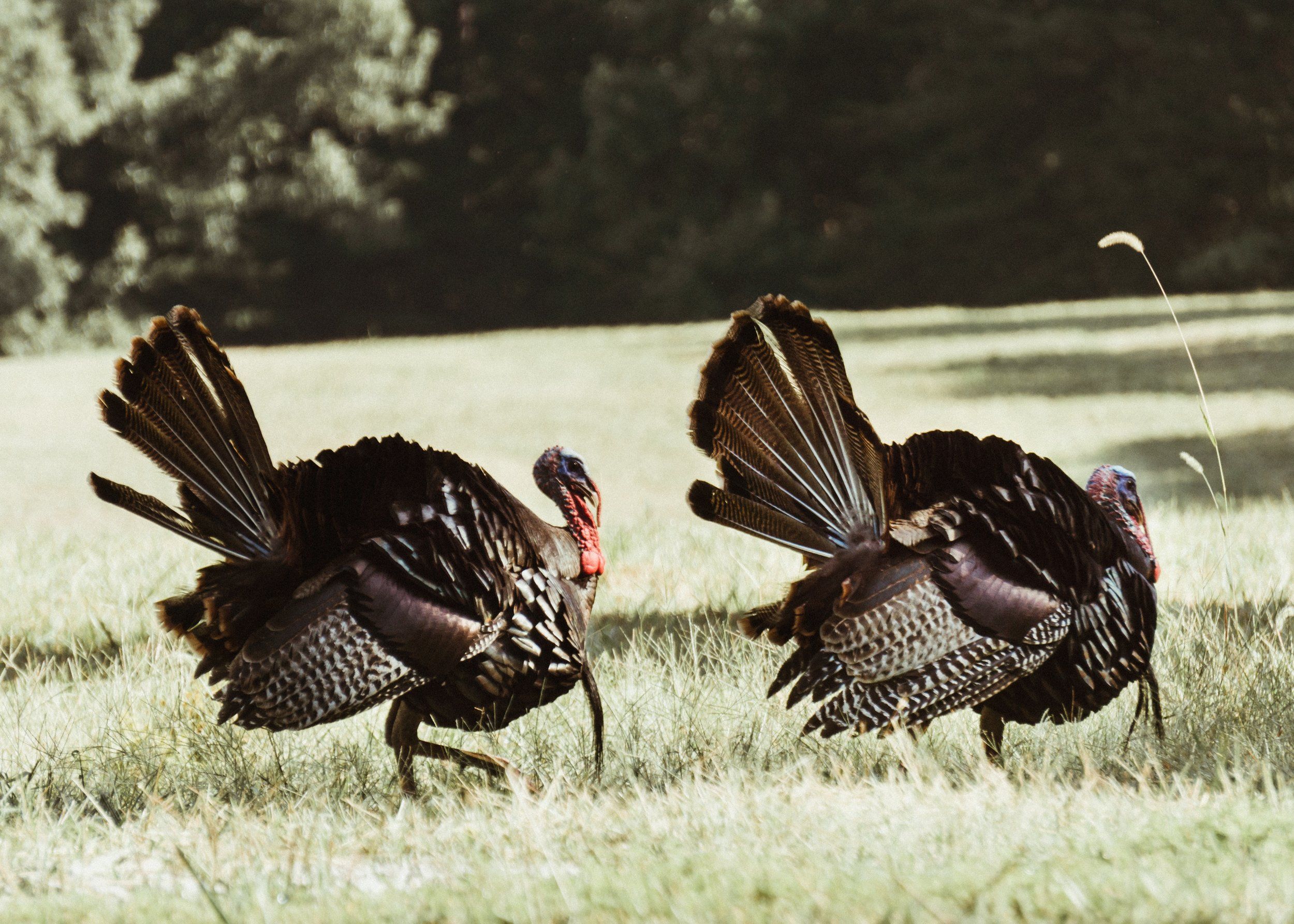
Florida’s fall turkey season offers a unique challenge compared to the spring, focusing on harvesting bearded turkeys across four distinct geographic hunting zones. Success during this 2026 season requires a firm understanding of regio...
Florida’s fall turkey season offers a unique challenge compared to the spring, focusing on harvesting bearded turkeys across four distinct geographic hunting zones. Success during this 2026 season requires a firm understanding of regional date variations, strict permit requirements, and the behavioral shifts of birds as they transition into large winter flocks.
Contents
Unlike the vocal, aggressive nature of the spring season, the fall season in Florida is a game of patience and woodsmanship. While spring hunters rely on the mating urge, fall hunters must capitalize on the turkey’s social instinct to gregariously flock together. Whether you are chasing the elusive Osceola turkey in the south or the Eastern wild turkey in the Panhandle, navigating the complex regulatory landscape of the Florida Fish and Wildlife Conservation Commission (FWC) is the first step toward a successful harvest.
Understanding Florida’s Hunting Zones
Florida is uniquely divided into four administrative hunting zones: A, B, C, and D. These zones are not arbitrary; they reflect the biological timelines of the state’s diverse ecosystems. Because Florida stretches from the sub-tropical Everglades to the temperate forests of the North, the timing of turkey behavior—and consequently the hunting seasons—varies significantly by latitude.
- Zone A (South Florida): Encompassing areas south of State Road 70, this zone typically sees the earliest start dates. It is the primary stronghold of the Osceola turkey, characterized by darker wings and a smaller frame than its northern counterparts.
- Zone B (Mid-South Florida): This zone includes parts of the central peninsula, specifically the area between Zone A and Zone C. It serves as a transitional landscape.
- Zone C (Central and North Florida): This is the largest zone, stretching through the heart of the state. It contains a mix of Osceola and Eastern hybrids.
- Zone D (The Panhandle): Bordering Alabama and Georgia, Zone D is the exclusive home of the pure Eastern wild turkey in Florida. Its seasons often align more closely with traditional Southern fall calendars.
Before heading into the field, hunters must verify the exact boundaries of these zones using the FWC interactive maps, as hunting across a zone line on the wrong date is a common regulatory violation.
2025–2026 Fall Turkey Season Dates
For the current 2026 cycle, the fall turkey season dates are determined by the specific zone and the type of land (private vs. public). On private lands, the dates are generally fixed based on the "General Gun" season structure. On public lands, such as Wildlife Management Areas (WMAs), dates are often shorter and may require specific quota permits.
| Hunting Zone | Season Start Date | Season End Date | Primary Turkey Subspecies |
|---|---|---|---|
| Zone A | October 4, 2025 | November 2, 2025 | Osceola |
| Zone B | December 6, 2025 | January 4, 2026 | Osceola / Hybrid |
| Zone C | November 1, 2025 | December 28, 2025 | Osceola / Eastern Hybrid |
| Zone D | Nov 27–30, 2025 | Dec 13, 2025 – Jan 11, 2026 | Eastern |
Note: Dates for Zone D include a split season to accommodate the Thanksgiving holiday period. Always verify specific WMA brochures, as public land dates frequently differ from these general private land dates.
Licensing and Permit Requirements
Hunting turkeys in Florida requires more than just a standard hunting license. To remain compliant with state law, hunters must possess a specific suite of documents. Failure to carry these—either in physical form or via the FWC Fish|Hunt FL mobile app—can lead to significant fines.
- Hunting License: A standard Florida hunting license is required for all residents and non-residents, unless exempt (e.g., youth under 16 or seniors 65+ with a Florida Senior Citizen Hunting and Fishing Certificate).
- Turkey Permit: This is a specific "add-on" permit required to hunt turkeys. For the 2026 season, the cost remains $10 for residents and $125 for non-residents.
- WMA Permit: If you are hunting on public land within the Wildlife Management Area system, a WMA permit (typically $26.50) is also required.
- Quota Permits: Many of Florida’s premier public hunting lands require a "Fall Turkey Quota Permit." These are distributed via a random drawing system months in advance. If you did not secure a quota permit, you must limit your search to "walk-on" WMAs that do not require them.
Legal Harvest Rules: The "Bearded Only" Requirement
A critical distinction of Florida’s fall turkey season is the bearded turkey only rule. Unlike some other states that allow the harvest of hens during the fall to manage population density, Florida limits the harvest to turkeys with visible beards.
While most bearded turkeys are gobblers (males), a small percentage of hens (approximately 5-10%) also grow beards. Under Florida law, a bearded hen is technically legal to harvest, but many conservationists advise against it during the fall to ensure the following spring’s nesting success. The primary intent of the "bearded only" rule is to protect the reproductive female population.
Bag Limits
For the 2025–2026 season, the following bag limits apply:
- Daily Bag Limit: 1 bearded turkey.
- Season Limit: 2 bearded turkeys (this is a combined limit for all fall seasons, including archery, crossbow, and general gun).
Weaponry and Legal Methods of Take
The fall turkey season typically overlaps with other hunting seasons, meaning the legal methods of take are broader than in the spring. Depending on the specific zone and period, hunters may use:
- Shotguns: Must be no larger than 10-gauge. Common choices include 12-gauge and 20-gauge, often using specialized turkey loads (Tungsten Super Shot or TSS has become the industry standard in 2026 for its density and range).
- Archery Equipment: Bows must have a minimum draw weight of 35 pounds.
- Crossbows: Legal during most general gun and dedicated crossbow seasons.
- Muzzleloaders: Must be .40 caliber or larger for lead balls, or .20 caliber or larger for shot.
- Rifles and Handguns: While legal on private land during the fall season in Florida, they are strictly prohibited for turkey hunting on public lands (WMAs). This is a vital safety and regulatory distinction that hunters must remember.
Fall Turkey Behavior and Hunting Tactics
The biology of a wild turkey in the fall is drastically different from the spring. In the fall, turkeys are focused on two things: food and social hierarchy. Gobblers typically break off into "bachelor groups," while hens and the year’s young birds (jakes and jennies) form large, noisy "brood flocks."
The "Scatter and Recall" Method
The most effective fall tactic is the "scatter and recall." When a hunter identifies a flock, they intentionally run toward it, shouting or making noise to scatter the birds in every direction. The goal is to break their social bond. Once the birds are separated, the hunter sets up at the site of the scatter. After 30 to 60 minutes of silence, the hunter begins making "lost yelps" and "kee-kee runs" (the sound of a young turkey trying to relocate the mother). The turkeys’ instinct to regroup will draw them back to the caller.
Food Source Identification
In Florida, fall turkeys are highly dependent on "mast" (nuts and fruit). Hunters should scout for:
- Oak Hammocks: Acorns are the primary fall food source.
- Cypress Heads: Turkeys often roost over water in cypress trees and drop down to feed on the edges.
- Chufa Patches: Many private land managers plant chufa, a sedge with a small tuber that turkeys will scratch for tirelessly.
- Berry Patches: Saw palmetto berries are a staple of the Osceola diet in South Florida.
Safety and Hunter Orange
Because the fall turkey season often coincides with general gun seasons for deer and wild hogs, safety is paramount. On public lands, hunters are often required to wear 500 square inches of hunter orange when moving, though they may be allowed to remove it once stationary for the hunt (check specific WMA regulations). Even on private land, wearing orange while moving through thick palmettos is highly recommended to avoid accidental shootings in high-density areas.
For more detailed safety guidelines and hunter education resources, the National Wild Turkey Federation (NWTF) provides extensive literature on safe fall hunting practices.
Frequently Asked Questions
Can I hunt turkeys over bait in Florida? No. It is illegal to hunt turkeys over bait or within 100 yards of a baited area where feed has been placed to attract wildlife. This includes corn, grain, or any supplemental feed. However, hunting over naturally occurring food sources or legal, planted food plots is permitted.
Are electronic calls legal for fall turkey hunting? No. Florida law prohibits the use of any electronic calling devices for turkey hunting. Only mouth calls, slate calls, box calls, or other manually operated devices are legal.
Is there a difference between the Eastern and Osceola subspecies for regulations? The FWC regulates turkeys based on geographic zones, not subspecies. However, for those pursuing the "Grand Slam" (harvesting all four major U.S. subspecies), the NWTF considers any turkey harvested south of a specific line (roughly from Taylor County to Volusia County) an Osceola, while those north of it are Easterns.
What should I do after I harvest a turkey? All harvested turkeys in Florida must be reported through the FWC’s harvest reporting system (logged within 24 hours). You must also "log" the harvest before moving the bird from the site of the kill by using the FWC mobile app or a paper harvest log.
Do I need a special permit to hunt turkeys on private land? On private land, you only need a hunting license and a turkey permit. You do not need a WMA permit or a quota permit for private property.
Final Recommendations for the 2026 Season
For hunters looking to maximize their success during the Florida fall turkey season, the primary recommendation is to prioritize scouting over calling. Use the months of August and September to locate brood flocks and bachelor groups. Because these birds are highly patternable in the fall, knowing where they roost and where they feed is 90% of the battle.
Always cross-reference your hunting location with the official FWC 2025–2026 handbooks to ensure you are within the correct zone dates and gear restrictions. Finalize your harvest reporting account before your first trip to ensure a seamless legal transition from the field to the table.
Image Gallery