Murray and Zuckerman Life Insurance Explained: Coverage, Strategy, and Agency Benefits
Murray and Zuckerman, an established independent insurance agency, provides personalized life insurance solutions by brokering policies from multiple top-rated carriers. They specialize in tailoring Term, Whole, and Universal Life cove...
Murray and Zuckerman, an established independent insurance agency, provides personalized life insurance solutions by brokering policies from multiple top-rated carriers. They specialize in tailoring Term, Whole, and Universal Life coverage to individual financial goals, helping clients secure death benefits and cash-value accumulation through a consultative, expert-led approach.
Contents
Selecting the right life insurance policy involves navigating a complex landscape of premiums, riders, and long-term financial implications. For those considering Murray and Zuckerman (often referred to as M&Z Insurance Agency), the primary advantage lies in their status as an independent firm. Unlike "captive" agents who only sell products from a single company, Murray and Zuckerman evaluate the broader market to find the most competitive rates and robust coverage terms for their clients. In 2026, this personalized brokerage model remains essential for navigating the evolving medical underwriting standards and diverse investment-linked insurance products available today.
The Role of Murray and Zuckerman as an Independent Agency
To understand Murray and Zuckerman life insurance, one must first distinguish between an insurance carrier and an insurance agency. Murray and Zuckerman is an independent agency based in Huntington, New York. They do not underwrite the policies themselves; instead, they act as the intermediary between the consumer and the insurance companies (the carriers) that actually provide the financial backing for the policies.
This distinction is critical for the consumer. When you work with an agency like M&Z, you are gaining access to a portfolio of different insurance providers. Their role is to assess your health profile, financial obligations, and legacy goals, then present a curated selection of policies that meet those criteria. This model often results in lower premiums because the agency can "shop" your profile to different underwriters who may view certain risk factors—such as occupation or medical history—more favorably than others.
Understanding the Primary Life Insurance Categories
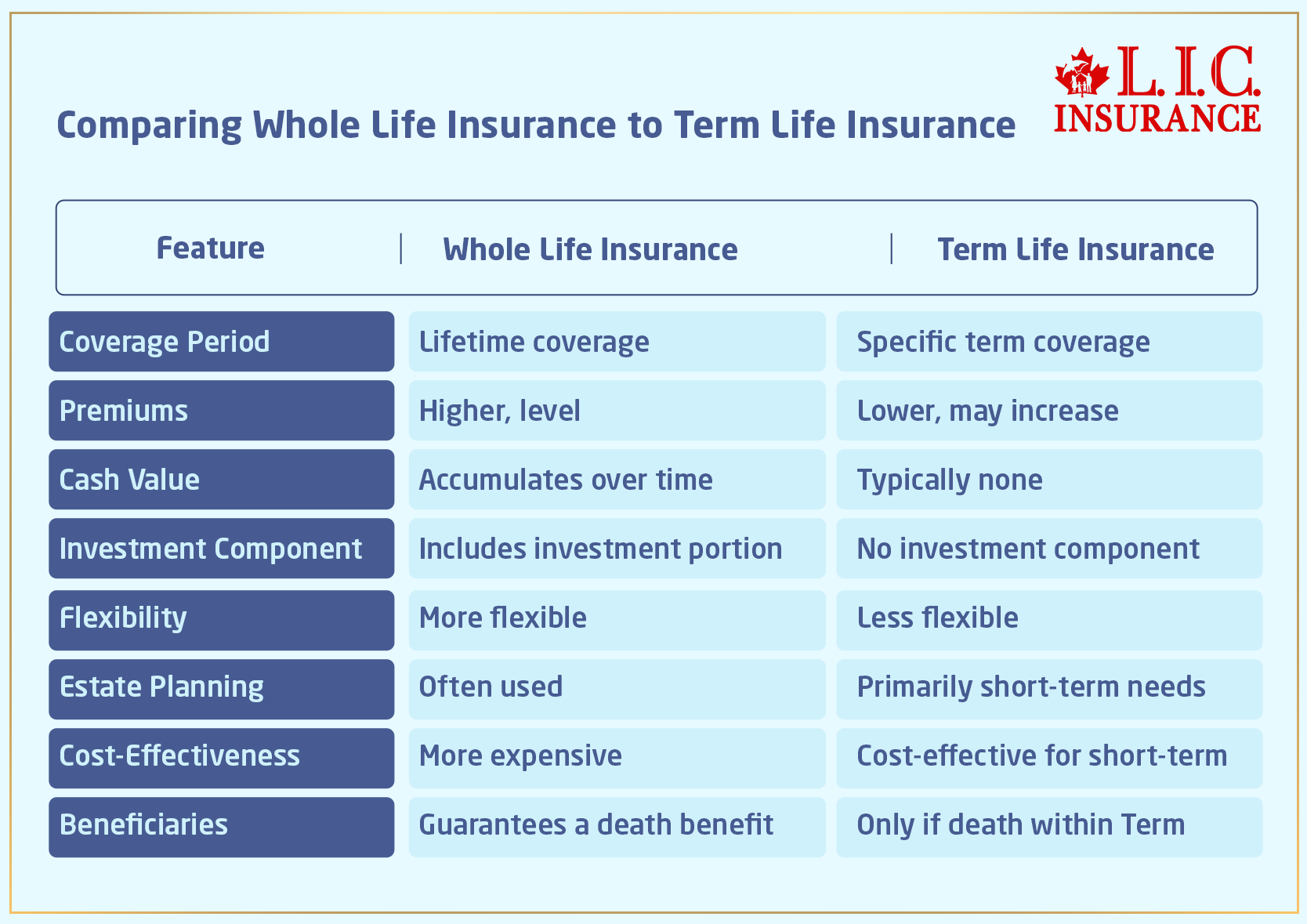
When consulting with an agency like Murray and Zuckerman, the conversation typically begins with a choice between two main paths: temporary protection and permanent protection. Both serve specific roles in a comprehensive financial plan.
Term Life Insurance
Term life insurance is the most straightforward and affordable form of coverage. It provides a death benefit for a specific period, typically ranging from 10 to 30 years. If the insured individual passes away during this "term," the beneficiaries receive the face value of the policy tax-free.
Murray and Zuckerman often recommend term insurance for clients who have temporary financial responsibilities, such as a mortgage, young children, or business debts. In 2026, many term policies also include "living benefits" or "accelerated death benefit riders," which allow the policyholder to access a portion of the funds if they are diagnosed with a terminal or chronic illness.
Permanent Life Insurance
Permanent life insurance is designed to remain in force for the duration of the insured's life, provided premiums are paid. These policies include a cash value component that grows over time on a tax-deferred basis. Within the permanent category, M&Z brokers several distinct types:
- Whole Life Insurance: Offers a guaranteed death benefit, fixed premiums, and a guaranteed rate of return on the cash value. This is often used for final expenses or as a stable asset within a diversified portfolio.
- Universal Life (UL) Insurance: Provides more flexibility than whole life. Policyholders can often adjust their premiums and death benefits as their financial situation changes.
- Indexed Universal Life (IUL): Links the cash value growth to a specific market index, such as the S&P 500, offering higher growth potential than traditional UL while maintaining a "floor" to protect against market losses.
The Strategic Advantage of Using a Broker in 2026
The life insurance market in 2026 has become increasingly data-driven. Underwriting—the process by which a company determines your risk and sets your premium—now frequently uses accelerated underwriting models. These models analyze prescription histories, motor vehicle records, and even credit data to provide instant or near-instant approvals for many applicants.
However, for individuals with complex medical histories or high-net-worth estate planning needs, traditional human-led underwriting is still necessary. Murray and Zuckerman provide value here by "pre-clearing" cases. They can submit an anonymous summary of a client's health data to multiple underwriters to see which carrier will offer the best "rating" (such as Preferred Plus vs. Standard). This proactive advocacy can save a policyholder thousands of dollars over the life of a policy.
Business Life Insurance Solutions
Beyond individual and family protection, Murray and Zuckerman are known for their work in the commercial and business sectors. Life insurance is a foundational tool for business continuity and executive retention.
- Key Person Insurance: This protects a business from the financial loss that would occur upon the death of a vital employee. The death benefit provides the liquidity needed to recruit a replacement or cover lost revenue.
- Buy-Sell Agreements: Funded by life insurance, these agreements ensure that if a business partner dies, the surviving partners have the funds to buy out the deceased partner's shares from their heirs at a fair price. This prevents the heirs from becoming unintended business partners and ensures the family receives the value of the business interest.
- Executive Bonus Plans (Section 162): Companies use these to provide supplemental retirement income or additional life insurance to key executives, often with tax advantages for the business.
Comparing Life Insurance Options at Murray and Zuckerman
The following table outlines the key differences between the common policy types available through an independent agency like M&Z.
| Feature | Term Life Insurance | Whole Life Insurance | Universal Life Insurance |
|---|---|---|---|
| Coverage Duration | Fixed (e.g., 20 years) | Lifelong | Lifelong |
| Premium Cost | Lowest | Highest | Flexible/Moderate |
| Cash Value | None | Guaranteed Growth | Variable Growth |
| Death Benefit | Fixed | Guaranteed | Adjustable |
| Best For | Mortgages, Childcare | Estate Taxes, Final Expenses | Flexible Financial Planning |
| Complexity | Simple | Moderate | High |
Factors That Influence Your Life Insurance Premiums
When you apply for a policy through Murray and Zuckerman, the carriers they represent will evaluate several core factors to determine your rate. Understanding these can help you prepare for the application process.
Age and Gender
This is the most significant factor. Generally, the younger you are when you lock in a policy, the lower your premiums will be. Statistically, women have longer life expectancies than men, which often results in slightly lower life insurance rates for females.
Health History
Underwriters look at your Body Mass Index (BMI), blood pressure, cholesterol levels, and any history of chronic illness (such as diabetes or heart disease). Murray and Zuckerman can guide you toward carriers that are more "lenient" for specific conditions. For example, some carriers specialize in "clinical underwriting," which looks at how well you are managing a condition rather than just the diagnosis itself.
Lifestyle and Occupation
Hazardous hobbies—such as scuba diving, private aviation, or rock climbing—can lead to "flat extra" charges on your premium. Similarly, high-risk occupations may impact your eligibility for certain riders. It is vital to be transparent about these activities during the consultation phase to ensure the policy remains valid.
Tobacco and Nicotine Use
Smoking or using nicotine products (including vaping or patches) significantly increases life insurance costs. However, some carriers offer "Standard Tobacco" rates that are more competitive than others, and some may offer "Non-Tobacco" rates for occasional cigar smokers or those who have successfully quit for at least 12 months.
The Step-by-Step Process of Securing Coverage
- Initial Consultation: You meet with a Murray and Zuckerman representative to discuss your financial goals, debts, and family needs.
- Needs Analysis: The agency calculates the appropriate amount of coverage. This often includes the DIME formula (Debt, Income, Mortgage, Education).
- Market Survey: M&Z reviews products from various carriers to find the best match for your specific profile.
- Application and Underwriting: You complete the application. Depending on the policy type and your health, you may undergo a brief medical exam or qualify for accelerated underwriting.
- Policy Issue and Delivery: Once approved, you review the final terms. The policy becomes active once the first premium is paid.
Frequent Mistakes to Avoid
One common error is underestimating the amount of coverage needed. Many people only consider their current salary, but they fail to account for inflation, future college tuition, or the "unpaid labor" of a stay-at-home spouse. Murray and Zuckerman's advisors typically suggest looking at life insurance as a tool to replace the economic value of a person, not just their paycheck.
Another mistake is relying solely on "Group Life" insurance provided by an employer. While this is a great benefit, it is usually capped at a small multiple of your salary (e.g., 1x or 2x) and is rarely portable. If you leave your job, you lose the coverage. Having a private policy through an agency ensures you are protected regardless of your employment status.
FAQs
Is Murray and Zuckerman an insurance company? No, Murray and Zuckerman is an independent insurance agency. They represent many different insurance companies. This allows them to compare prices and policy features across the market to find the best fit for your specific needs, rather than being limited to a single company's products.
What happens if I outlive my term life insurance policy? If you outlive the term (e.g., a 20-year policy), the coverage simply expires, and no death benefit is paid. However, many policies offered through M&Z include a "conversion privilege." This allows you to convert some or all of your term coverage into a permanent policy without having to take a new medical exam, which is a valuable feature if your health has declined.
Can I change my beneficiaries after the policy is in force? Yes, in most cases, you can update your beneficiaries at any time by submitting a change form through the agency. It is recommended to review your beneficiaries every few years or after major life events like marriage, divorce, or the birth of a child to ensure the funds go to the intended individuals.
Does Murray and Zuckerman offer policies for people with pre-existing conditions? Yes. Because they are an independent agency, they have access to "impaired risk" specialists and carriers that are more willing to underwrite individuals with conditions like heart disease, recovered cancer, or diabetes. They can shop your case to find the underwriter most likely to offer a favorable rating.
How much life insurance do I actually need? While a common rule of thumb is 10 to 15 times your annual income, the exact amount depends on your specific financial obligations. Factors include the size of your mortgage, the number of dependents, your current savings, and your end-of-life goals. An agency like Murray and Zuckerman uses specialized calculators to help you arrive at a precise figure.
Practical Recommendation: If you are seeking life insurance in 2026, start by gathering your basic financial data, including total debt and annual expenses. Contact an independent advisor at Murray and Zuckerman to conduct a "market search" for you. This allows you to compare multiple quotes simultaneously and ensures you are not overpaying for a policy that doesn't fully cover your long-term liabilities.
Image Gallery