Understanding AARP Permanent Life Insurance Cash Value: A Comprehensive Guide
AARP permanent life insurance cash value is the savings component of a Whole Life policy that grows over time on a tax-deferred basis. As you pay premiums, a portion is set aside in a cash account, which you can borrow against or recei...
AARP permanent life insurance cash value is the savings component of a Whole Life policy that grows over time on a tax-deferred basis. As you pay premiums, a portion is set aside in a cash account, which you can borrow against or receive if you cancel the policy.
Contents
Permanent life insurance, specifically the Whole Life and Guaranteed Acceptance products offered through the AARP Life Insurance Program from New York Life, serves a dual purpose. While its primary function is to provide a death benefit to beneficiaries, the "cash value" represents a "living benefit" that accumulates during the policyholder's lifetime. Understanding how this value builds, how it differs from the death benefit, and how you can ethically access it is essential for effective financial planning in 2026.
How Cash Value Accumulates in AARP Policies
When you purchase a permanent life insurance policy through AARP, your monthly or annual premiums are not used solely to cover the cost of the "death benefit" (the payout your family receives when you pass away). Instead, New York Life, the underwriter for the AARP program, divides the premium into three distinct parts: the cost of insurance (mortality risk), administrative fees, and the cash value account.
In the early years of an AARP permanent policy, the cash value builds slowly because a larger portion of the premium is directed toward administrative costs and commissions. However, as the policy matures, the accumulation accelerates. Because these policies are designed for individuals aged 50 to 80, the growth trajectory is structured to provide tangible value within a decade or two of the policy's inception.
The growth is typically guaranteed at a minimum interest rate set by New York Life. Unlike variable life insurance, which fluctuates with the stock market, AARP’s permanent products offer a more stable and predictable growth pattern. This makes it a conservative financial tool for seniors who prioritize capital preservation over high-risk market gains.
The Difference Between Cash Value and Face Value
One of the most common points of confusion for AARP members is the distinction between the "cash value" and the "face value" (also known as the death benefit). It is crucial to understand that these are two separate figures that interact in specific ways.
- Face Value (Death Benefit): This is the amount of coverage you initially purchased (e.g., $25,000 or $50,000). This is the sum paid to your beneficiaries upon your death, provided the policy is in force and there are no outstanding loans.
- Cash Value: This is the equity that builds inside the policy. It belongs to you, the policyholder, while you are alive.
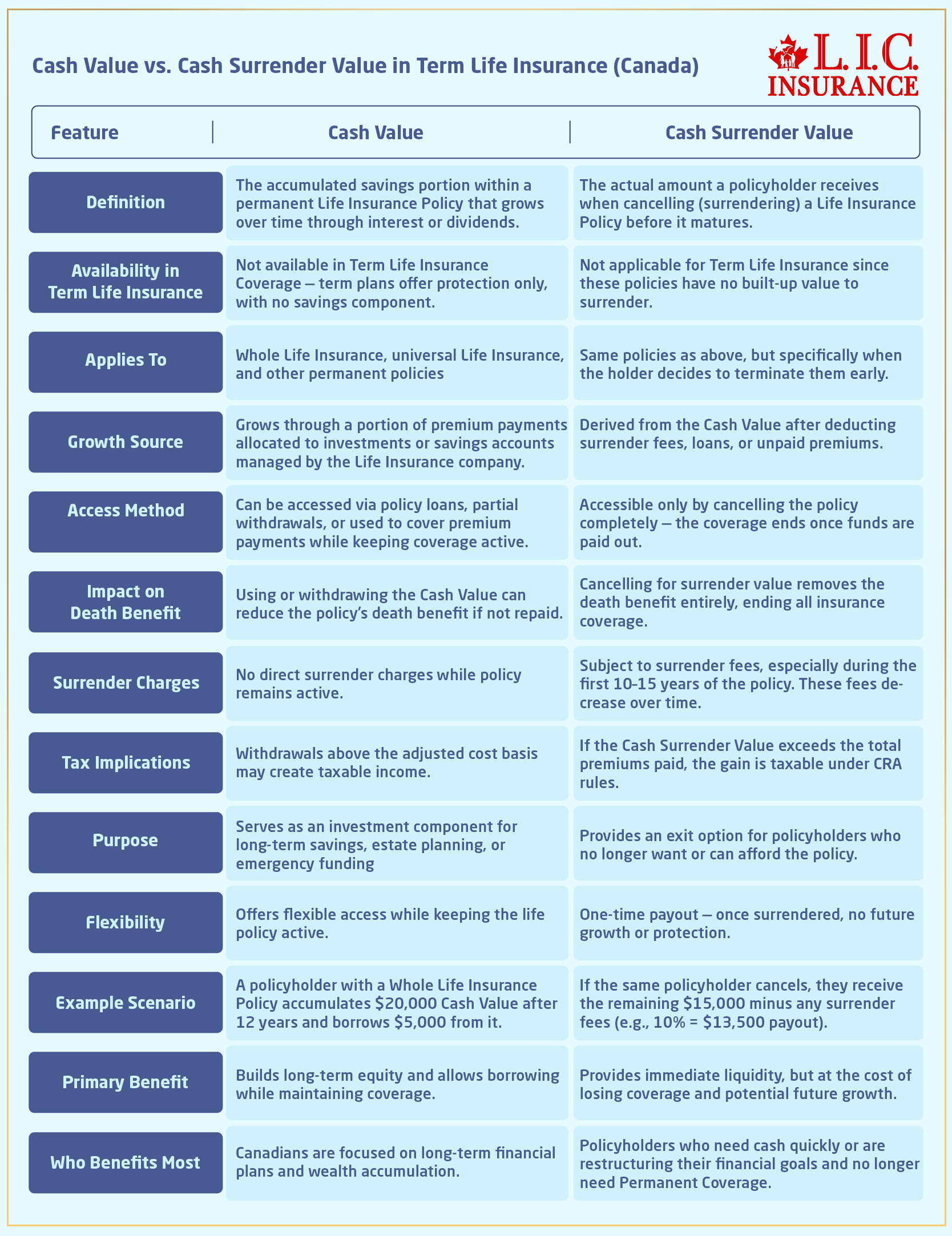
In 2026, it remains a standard industry practice that when a policyholder passes away, the insurance company pays the face value to the beneficiaries but keeps the accumulated cash value. The cash value is essentially the mechanism the insurer uses to offset their risk; as the cash value grows, the "net amount at risk" for the insurance company decreases. If you wish to receive the cash value, you must generally "surrender" (cancel) the policy or take a loan against it while you are still living.
Accessing Your Cash Value: Policy Loans and Surrenders
As an AARP permanent life insurance policyholder, you have the right to access the equity you have built. There are two primary methods for doing this, each with its own set of rules and consequences.
Taking a Policy Loan
One of the most significant advantages of permanent life insurance is the ability to borrow money from the insurer using your cash value as collateral.
- No Credit Checks: Since you are borrowing against your own policy's equity, there is no need for a credit application or bank approval.
- Interest Rates: New York Life charges interest on these loans. While the rates are often competitive, the interest accumulates if not paid back.
- Impact on Death Benefit: This is the most critical factor. If you take a $5,000 loan against a $25,000 policy and pass away before paying it back, your beneficiaries will only receive $20,000 (minus any accrued interest).
- Tax Status: Under current 2026 tax regulations, policy loans are generally not considered taxable income as long as the policy remains active.
Surrendering the Policy
If you no longer need the life insurance coverage, you can "surrender" the policy. In this scenario, New York Life will pay you the current "Cash Surrender Value." This is the total cash value minus any surrender charges or outstanding loans. Once you surrender the policy, the death benefit is terminated, and your beneficiaries will receive nothing upon your passing. This is a common move for seniors whose children are now financially independent and who would rather use the funds for their own retirement expenses or medical bills.
Eligibility and Product Types with Cash Value
Not every AARP life insurance policy builds cash value. It is vital to distinguish between the various products offered to ensure you are getting the features you expect.
| Policy Type | Provides Cash Value? | Medical Exam Required? | Age Range |
|---|---|---|---|
| AARP Term Life | No | No (usually health questions) | 50-74 |
| AARP Permanent Life | Yes | No (health questions only) | 50-80 |
| AARP Guaranteed Acceptance | Yes | No (guaranteed entry) | 50-80 |
The AARP Permanent Life and Guaranteed Acceptance plans are both forms of Whole Life insurance. They are designed to stay in place for your entire life, as long as premiums are paid. The Guaranteed Acceptance plan is particularly popular for those with pre-existing conditions, though it typically features a "graded death benefit" period during the first two years, where the full face value is not paid out for natural causes. However, even in a Guaranteed Acceptance plan, cash value begins to accrue once the policy has been active for a set period (usually two to three years).
Tax Advantages of Permanent Cash Value
In the landscape of 2026 financial planning, the tax-advantaged status of life insurance remains a powerful tool for AARP members. The cash value in an AARP permanent policy grows on a tax-deferred basis. This means you do not pay annual taxes on the interest or gains within the account.
If you decide to surrender the policy, you only pay taxes on the portion of the cash value that exceeds the total amount of premiums you paid into the policy (known as the "cost basis"). For many seniors, this means a significant portion of the cash they receive is tax-free. However, if the policy has performed exceptionally well over several decades, there may be a taxable gain. Consulting a tax professional is recommended when liquidating large policies.
Common Pitfalls to Avoid
While the cash value feature is a benefit, it can lead to complications if managed poorly. Avoid these common mistakes:
- Ignoring Loan Interest: Many policyholders assume that since they are borrowing "their own money," they don't need to worry about interest. If interest is left unpaid, it is added to the loan balance. Eventually, the loan balance could exceed the cash value, causing the policy to "lapse" or cancel automatically.
- Assuming Cash Value is Paid in Addition to Death Benefit: As mentioned, your family usually does not get both. They get the face value. If you want them to have more money, you should increase the face value rather than relying on cash value accumulation.
- Early Surrender: If you cancel the policy within the first few years, you may find that the cash value is zero or very low due to the initial costs of setting up the policy. Permanent life insurance is a long-term commitment.
Why Seniors Choose AARP Permanent Insurance in 2026
The decision to choose a policy with cash value often comes down to the desire for flexibility. In 2026, with shifting economic conditions, having a "hidden" source of emergency funds that is not tied to the volatility of the stock market provides peace of mind. AARP members often use this cash value to cover unexpected home repairs, supplement Medicare costs, or help grandchildren with educational expenses.
Furthermore, the AARP program is specifically tailored for the "over-50" demographic. The application process is streamlined, and the lack of a medical exam for many of these policies makes them accessible to those who might be rejected by other private insurers. The cash value acts as a secondary layer of financial security, ensuring that the money spent on premiums isn't "lost" if the policyholder decides they no longer need the coverage later in life.
Frequently Asked Questions
When does my AARP policy start building cash value?
Most AARP permanent life insurance policies begin to show a cash value after the end of the second or third policy year. The first two years of premiums are primarily used to cover the insurance company's administrative costs and the higher risk associated with the early stages of a senior life insurance policy.
Can I use the cash value to pay my premiums?
Yes, this is often referred to as "Automatic Premium Loan" or using "Dividends" (if applicable) to pay premiums. If your AARP policy has accumulated enough cash value, you can request that the insurer use that value to cover the monthly premium costs. However, this will reduce the overall cash value and potentially the death benefit if it is treated as a loan.
Is the cash value guaranteed?
For the AARP Permanent Life and Guaranteed Acceptance products, the cash value growth is generally guaranteed based on a schedule provided when you first receive your policy documents. Unlike "Universal Life" or "Variable Life," your cash value will not decrease due to market performance, provided you continue to pay your premiums and do not take loans.
What happens to the cash value if I stop paying premiums?
If you stop paying premiums, you usually have a few options. You can take the "Cash Surrender Value" in a lump sum, which cancels the policy. Alternatively, you may be able to convert the existing cash value into a "Reduced Paid-Up" policy, which provides a smaller death benefit but requires no further premium payments for the rest of your life.
Are AARP life insurance dividends part of the cash value?
AARP policies underwritten by New York Life are technically "participating" policies, meaning they can be eligible for dividends. While dividends are never guaranteed, when they are paid, they can be added to the cash value, used to pay premiums, or taken as cash.
Practical Next Steps
If you are considering an AARP permanent life insurance policy or currently own one, your first step should be to request a Policy Illustration from New York Life. This document provides a year-by-year projection of how your cash value is expected to grow and what the guaranteed minimums will be.
If you are facing a financial crunch, compare the cost of a policy loan against other forms of credit. Often, a policy loan is a lower-interest alternative to credit cards or personal loans, with much more flexible repayment terms. However, always keep the needs of your beneficiaries in mind before reducing the death benefit through a loan or surrender.
Image Gallery