How to Safely Handle Africanized Honey Bees in Utah
To handle Africanized Honey Bees (AHB) in Utah, you must prioritize avoidance and professional intervention. If you encounter a swarm or colony, do not disturb it; instead, contact a licensed pest control professional or the Utah Depar...
To handle Africanized Honey Bees (AHB) in Utah, you must prioritize avoidance and professional intervention. If you encounter a swarm or colony, do not disturb it; instead, contact a licensed pest control professional or the Utah Department of Agriculture and Food. If attacked, run immediately to a shelter, covering your face and neck.
Contents
The presence of Africanized Honey Bees, commonly referred to as "killer bees," has been a reality in the state of Utah since they were first officially detected in 2008. While their name suggests a predatory nature, the danger they pose stems from their hyper-defensive behavior rather than a more potent venom. As of 2026, these bees have established a permanent presence in the warmer southern counties of the state, necessitating specific safety protocols for residents, hikers, and property owners. Managing these insects requires a combination of environmental prevention, personal situational awareness, and the strict use of professional removal services rather than "do-it-yourself" solutions.
Understanding the Africanized Honey Bee in the Utah Climate
The Africanized Honey Bee is a hybrid between European honey bees (EHB) and African honey bees. They were originally introduced to Brazil in the 1950s and gradually migrated north, reaching the United States in the 1990s and eventually crossing the Utah border. In Utah, their range is primarily dictated by temperature. Because AHB do not "cluster" as effectively as European honey bees to survive freezing temperatures, they are most prevalent in Washington, Kane, San Juan, and Iron counties.
While northern Utah counties see occasional sightings, the harsh winters of the Wasatch Front generally act as a natural barrier to permanent colonization. However, as of 2026, climate shifts and micro-climates in urban areas have occasionally allowed small pockets to persist further north than previously recorded. It is essential for all Utahns to understand that an AHB looks virtually identical to the common European honey bee. The difference is not in their appearance, but in their DNA and their response to perceived threats.
Identification Challenges
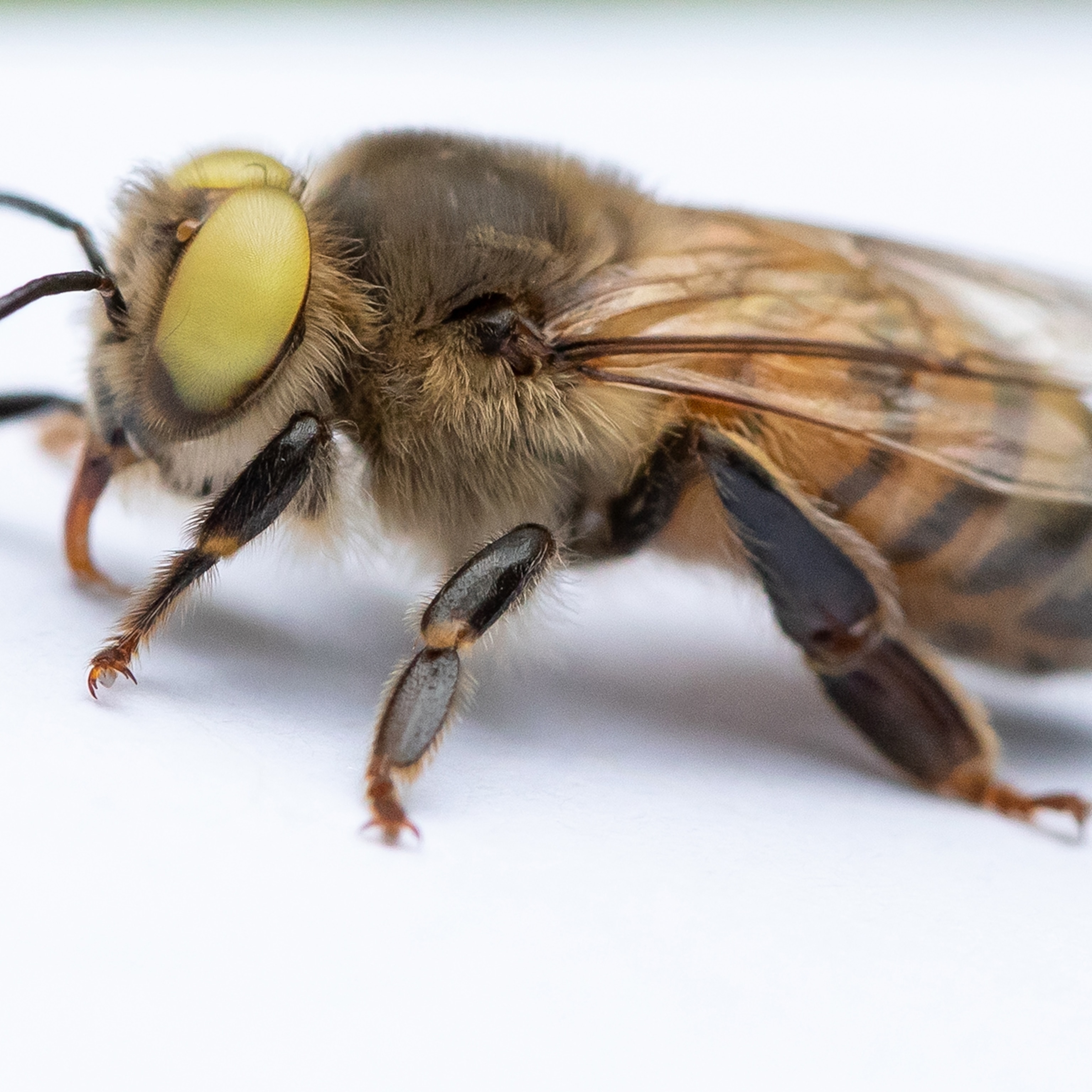
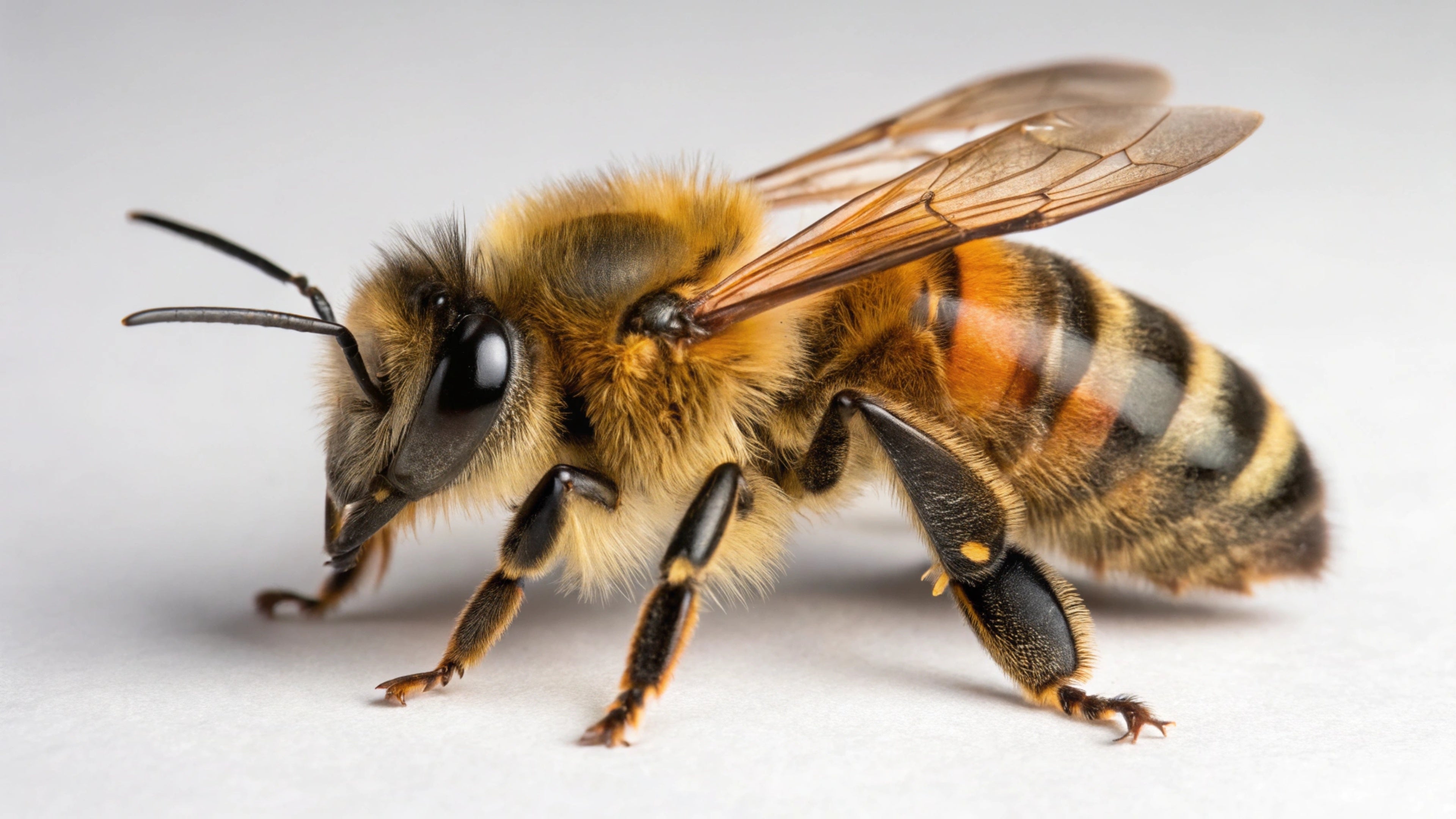
To the naked eye, it is impossible to distinguish between a "killer bee" and a standard honey bee. Lab testing—specifically morphometric analysis or DNA testing—is the only way to confirm Africanization. Because of this, safety experts in Southern Utah advise treating all wild bee colonies as if they are Africanized.
Behavioral Differences: Why They Are Dangerous
The term "killer bee" is a misnomer regarding the individual insect's strength. A single sting from an AHB contains roughly the same amount of venom as a sting from a standard European honey bee. The danger lies in the quantity of stings and the ease with which the colony is provoked.
- Defense Perimeter: A European colony might have a defense radius of 10 to 20 feet around their hive. In contrast, an Africanized colony may consider anything within 100 yards a threat.
- Agitation Levels: AHB are triggered by much smaller vibrations. The sound of a lawnmower, a weed whacker, or even heavy footsteps can cause the hive to launch a full-scale defense.
- Persistence: Once an AHB colony decides to attack, they will pursue a target for much longer distances—sometimes up to a quarter-mile—whereas European bees usually give up after a few dozen yards.
- Swarming Frequency: Africanized bees swarm much more frequently. While European bees might swarm once a year to find a new home, AHB may swarm multiple times, meaning they are constantly looking for new nesting sites in residential areas.
Immediate Response: What to Do During an Attack
If you accidentally disturb a nest and the bees begin to attack, your response time is the single most important factor in your survival. Unlike many other natural threats where "playing dead" or standing still is advised, with bees, movement is mandatory.
The "Run and Cover" Strategy
The moment you feel a sting or see a swarm heading toward you, run. Do not stop to help others unless they are children or elderly people who cannot move on their own. The goal is to put as much distance between you and the hive as quickly as possible.
While running, pull your shirt over your face or use your arms to cover your eyes and mouth. Bees are naturally attracted to the dark areas of the face (eyes and mouth) and the carbon dioxide you exhale. Protecting your airway is critical to prevent stings inside the throat, which can cause swelling and suffocation.
Seeking Shelter
Seek refuge in a sealed environment. A house, a garage, or a vehicle with the windows rolled up are the best options. Once you are inside, some bees will likely follow you in. Ignore the few bees inside the room or car and focus on the thousands outside. The bees that made it inside will be disoriented by the change in light and environment, making them less likely to continue the attack.
What NOT to Do
- Do Not Jump into Water: This is a common myth. AHB are known to wait above the surface of the pool or pond for you to come up for air. They can remain agitated for hours, and you cannot hold your breath long enough to outlast them.
- Do Not Swat: Swatting at the bees or flailing your arms makes you a more visible target and increases the alarm pheromones in the air, signaling more bees to attack.
- Do Not Use Insecticide Sprays: Standard over-the-counter wasp sprays are ineffective against a swarm of thousands. Attempting to spray them will only ground the bees in your immediate vicinity, making it harder for you to escape.
Comparison of Bee Behaviors in Utah
The following table outlines the key differences between the common European Honey Bee (EHB) and the Africanized Honey Bee (AHB) found in Utah.
| Feature | European Honey Bee (EHB) | Africanized Honey Bee (AHB) |
|---|---|---|
| Reaction to Disturbance | Slow; may take several minutes | Instantaneous; within seconds |
| Number of Bees Attacking | 10 to 50 bees | Hundreds or thousands |
| Pursuit Distance | 20 to 50 yards | 200 yards to 0.25 miles |
| Nesting Sites | Large cavities (chimneys, hollow trees) | Any small cavity (water meters, tires, junk) |
| Foraging Behavior | Focuses on high-yield flowers | Forages in smaller groups, more adaptable |
| Winter Survival | High (clusters for warmth) | Low (dies in sustained freezing temps) |
Preventing Infestations on Your Property
In Utah’s climate, especially in St. George, Cedar City, and Moab, preventing AHB from nesting is much easier than removing them. These bees are less picky about their nesting sites than their European cousins. They have been found in empty soda cans, discarded tires, birdhouses, and underground water meter boxes.
Bee-Proofing Steps
- Seal Structural Gaps: Inspect the exterior of your home for any holes larger than 1/8th of an inch. Use caulk or expanding foam to seal gaps in siding, around plumbing, and near rooflines.
- Screen Vents: Ensure that attic vents and crawl space openings are covered with fine hardware cloth or heavy-duty window screening.
- Remove Debris: Clear your property of old tires, abandoned appliances, or piles of lumber. These provide the dark, protected cavities AHB prefer.
- Monitor Water Sources: Bees need water. If you have a leaking faucet or a birdbath, be aware that this can attract scouts looking for a hive location.
Professional Removal and Legal Requirements
If you find a colony on your property in Utah, do not attempt to remove it yourself. In many parts of Southern Utah, local ordinances or homeowner associations may have specific rules regarding bee removal.
Why You Need a Professional
A professional pest control operator or a specialized bee removal expert has the proper personal protective equipment (PPE)—specifically, heavy-duty bee suits that are thicker than standard suits, as AHB are known to find the thinnest points in a mesh. They also use specialized smokers and vacuums to contain the colony.
In the case of AHB, "live removal" or relocation is often discouraged by state agricultural experts. Because AHB are an invasive subspecies that can outcompete and "Africanize" local managed hives (by drones mating with European queens), many professionals will recommend extermination rather than relocation to protect the local beekeeping industry.
Cost of Removal
In 2026, the cost for professional bee removal in Utah typically ranges from $200 to $600, depending on the size of the colony and its location. If the bees are inside a wall, the price can increase significantly due to the need for structural repairs after the hive (and the honey, which can rot and cause property damage) is removed.
Managing Stings and Medical Attention
If you are stung by an AHB, the first step is to remove the stinger as quickly as possible. The stinger continues to pump venom into your skin even after the bee has left. Use a fingernail, a credit card, or a blunt knife to scrape the stinger out. Do not squeeze the stinger with tweezers, as this can force the remaining venom sac to empty into your bloodstream.
When to Seek Emergency Care
Most healthy adults can withstand several hundred stings, but for those with allergies, a single sting can be fatal. You should call 911 immediately if you experience:
- Difficulty breathing or wheezing.
- Swelling of the tongue or throat.
- Dizziness or a rapid drop in blood pressure.
- Nausea or vomiting after multiple stings.
For those without allergies who have sustained multiple stings (more than 15-20), a trip to an urgent care center in Utah is recommended to monitor kidney function, as high levels of bee venom can cause systemic toxicity.
Frequently Asked Questions
Are "killer bees" more venomous than regular bees?No. The venom of an individual Africanized honey bee is chemically very similar to that of a European honey bee. The "killer" reputation comes from their tendency to attack in massive numbers, leading to a much higher total dose of venom.
Can I tell if a bee is Africanized by its color?No. Coloration varies widely in both EHB and AHB. Some AHB are slightly smaller, but the difference is measured in millimeters and cannot be determined without specialized tools in a laboratory setting.
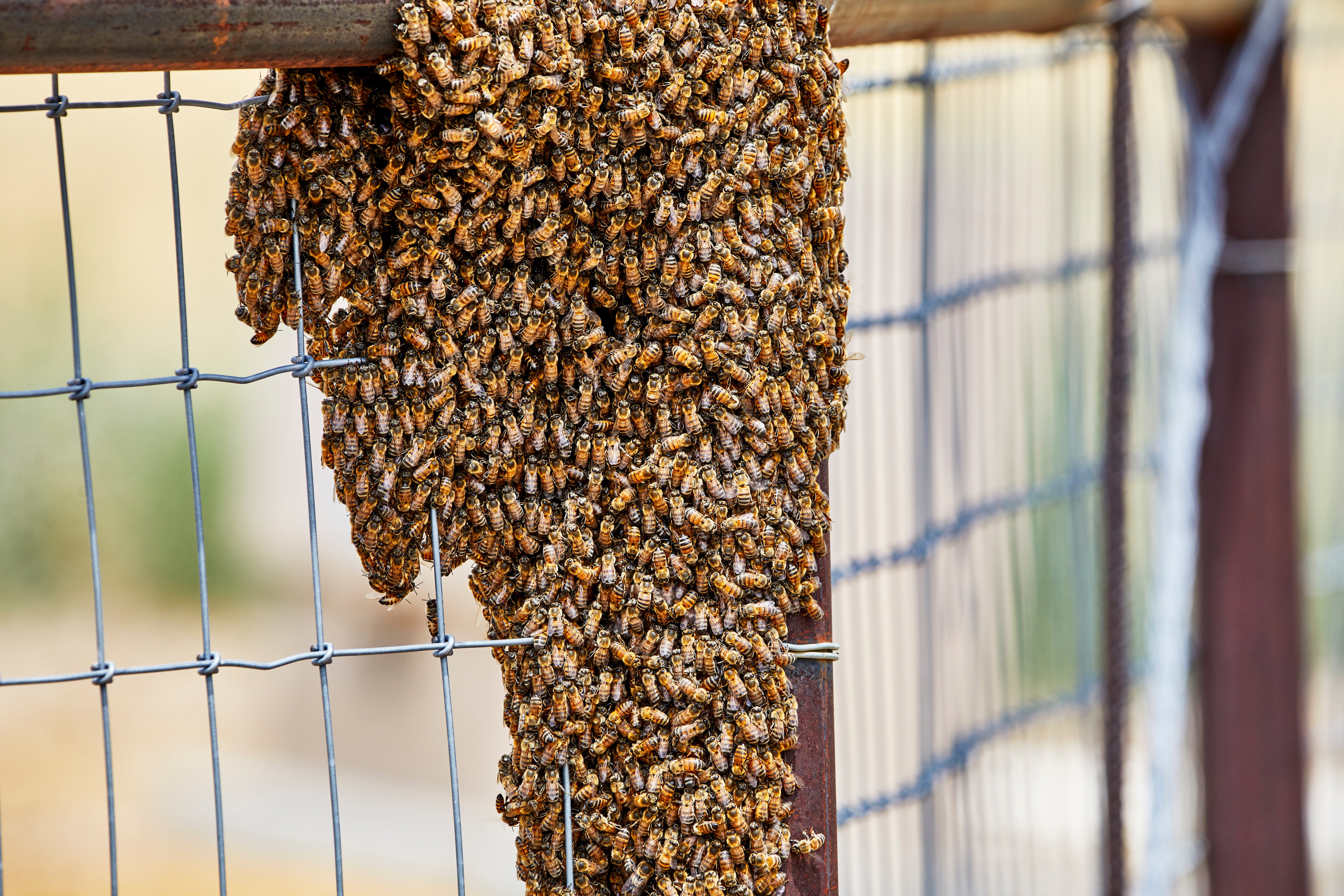
What should I do if I find a swarm in my yard?If the swarm is just hanging from a tree branch and not acting aggressively, it may be a group of bees in transit. However, in Utah's AHB zones, you should keep children and pets indoors and call a professional to evaluate the swarm before it decides to move into your walls or a permanent structure.
Do "killer bees" live in Salt Lake City?As of 2026, permanent, self-sustaining AHB colonies are rare in Northern Utah due to the cold winters. However, they can be "imported" via hitchhiking on trucks or shipments. Always exercise caution if a colony displays extreme aggression, regardless of your location in the state.
Will jumping in a pool save me from an attack?No. This is one of the most dangerous misconceptions. The bees will wait for you to surface. It is much safer to continue running until you find a sealed building or vehicle.
Recommended Action
If you live in or are visiting Southern Utah, maintain a "look but don't touch" policy regarding all flying insects. Ensure your property is "bee-proofed" by sealing exterior gaps and removing clutter. If you discover a nest, immediately contact a licensed professional through the Utah Department of Agriculture and Food or a local pest control registry to ensure the colony is handled according to current 2026 safety and environmental regulations.
Image Gallery