How to Transfer Your AAA Auto Insurance Policy: A Complete 2026 Guide
To transfer your AAA auto insurance policy to a new vehicle, you must contact your local AAA agent or use the AAA mobile app to provide the new vehicle's Identification Number (VIN), mileage, and purchase details. While you can transfe...
To transfer your AAA auto insurance policy to a new vehicle, you must contact your local AAA agent or use the AAA mobile app to provide the new vehicle's Identification Number (VIN), mileage, and purchase details. While you can transfer coverage between cars, policies cannot be transferred between different owners; a new owner must always purchase their own independent coverage.
Contents
The process of managing insurance transitions is a critical task for any motorist, especially when dealing with a federation as complex as the American Automobile Association (AAA). Because AAA operates as a series of regional clubs rather than a single monolithic entity, the "transfer" process can mean several different things depending on your specific situation. Whether you are buying a new car, moving to a different state, or trying to pass a policy to a family member, understanding the logistical requirements in 2026 is essential for maintaining continuous legal protection.
Understanding the Three Types of AAA Policy Transfers
Before beginning the process, it is vital to disambiguate what "transferring" a policy means in the insurance industry. Most consumers use this term to describe one of three distinct scenarios, each governed by different legal and internal AAA regulations.
1. Vehicle Replacement (The Most Common Transfer)
This occurs when you sell or trade in an old vehicle and purchase a new one. You are not "starting over" with a new policy; instead, you are performing a policy endorsement to swap the covered asset. In 2026, most AAA regional clubs allow a grace period (typically 7 to 30 days) where your existing coverage extends to a newly purchased vehicle, but formal notification is required to finalize the premium adjustment.
2. Relocation and Inter-Club Transfers
If you move from one state to another, you may need to transfer your membership and insurance between AAA regional clubs (such as moving from AAA Northeast to AAA Auto Club Group). Because insurance laws and rate filings are state-specific, this usually involves closing your old policy and opening a new one under the new region’s underwriting guidelines, though AAA agents typically coordinate this to ensure there is no gap in coverage.
3. Transfer of Ownership (The Prohibited Transfer)
A common misconception is that an insurance policy "stays with the car" when it is sold to a third party. In the United States, insurance is a personal contract based on the "insurable interest" of the policyholder. You cannot transfer your AAA policy to the person who buys your car. They must secure their own insurance, and you must remove the vehicle from your policy to avoid liability for an asset you no longer own.
Prerequisites for a Successful Policy Transfer
To ensure a smooth transition and avoid a "lapse" in coverage—which can significantly increase your premiums in the 2026 insurance market—you must have specific documentation ready before contacting AAA.
- Vehicle Identification Number (VIN): This 17-digit code is the primary identifier for the new vehicle. It allows AAA to pull the vehicle's history and safety features, which directly impact your rate.
- Odometer Reading: Accurate mileage is required for calculating annual usage brackets. In 2026, many AAA policies utilize telematics; if your new car has built-in connectivity, you may be asked to authorize data sharing.
- Lienholder Information: If you have a car loan or lease, you must provide the name and address of the financial institution. They will be listed as a "loss payee" on the policy.
- Bill of Sale or Title Date: AAA needs the exact date you took ownership to ensure the coverage start date aligns with your legal liability.
- Safety and Security Features: Modern vehicles in 2026 often come with advanced driver-assistance systems (ADAS). While much of this is decoded via the VIN, confirming features like autonomous braking or enhanced theft recovery can net you additional discounts.
Step-by-Step Guide to Transferring Insurance to a New Car
The process of updating your policy for a new vehicle should ideally happen before you drive the car off the dealer’s lot. While many policies offer a "newly acquired auto" clause, relying on it can be risky if your new vehicle requires higher coverage limits than your previous one.
Step 1: Notify Your AAA Agent
Contact your regional AAA office via phone, their official website, or the AAA mobile app. If you are at a dealership, the finance manager will often require a "binder"—a temporary proof of insurance—before they allow you to take delivery of the vehicle. By calling your agent, they can immediately issue this binder via email or the app.
Step 2: Choose Your Coverage Levels
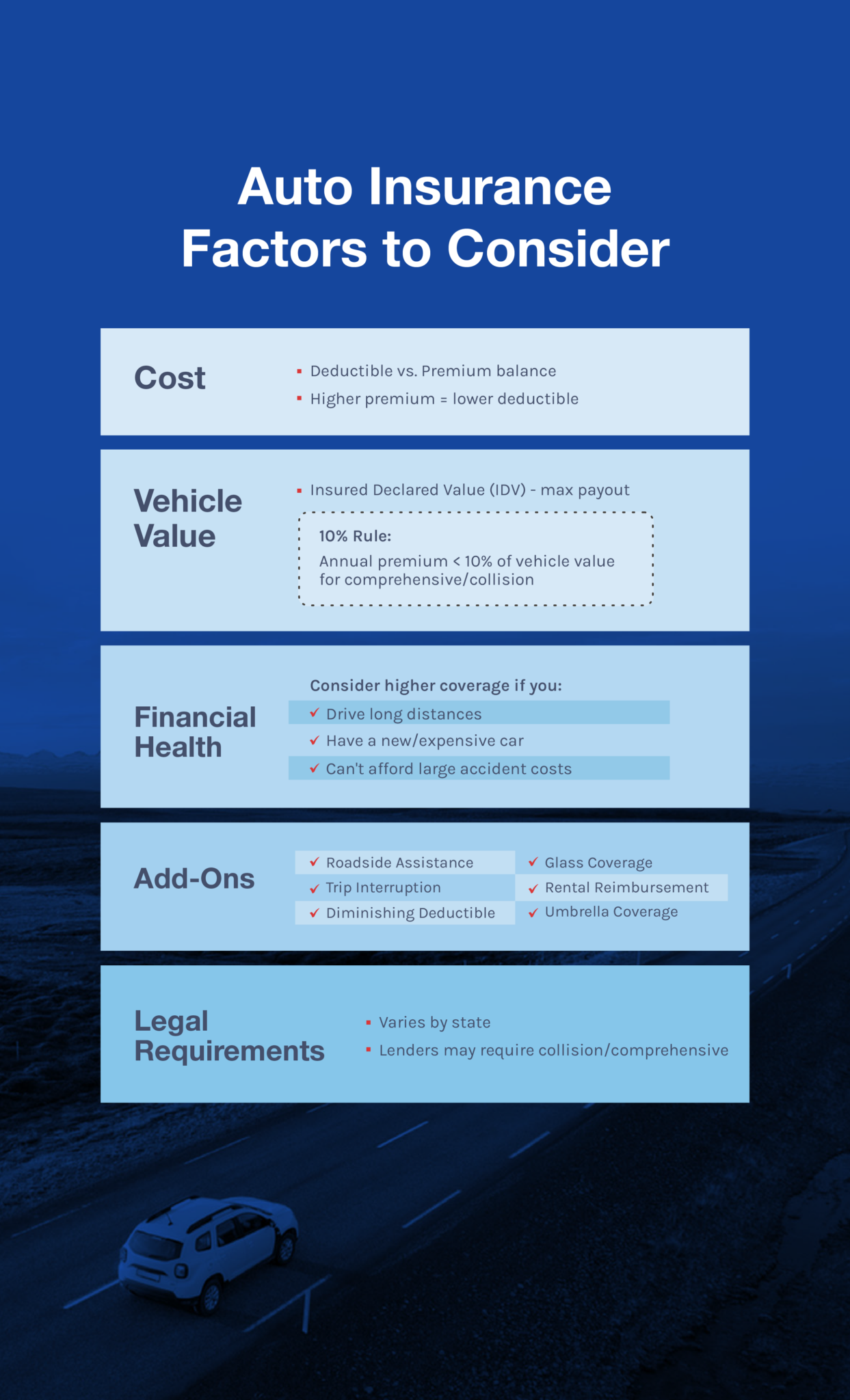
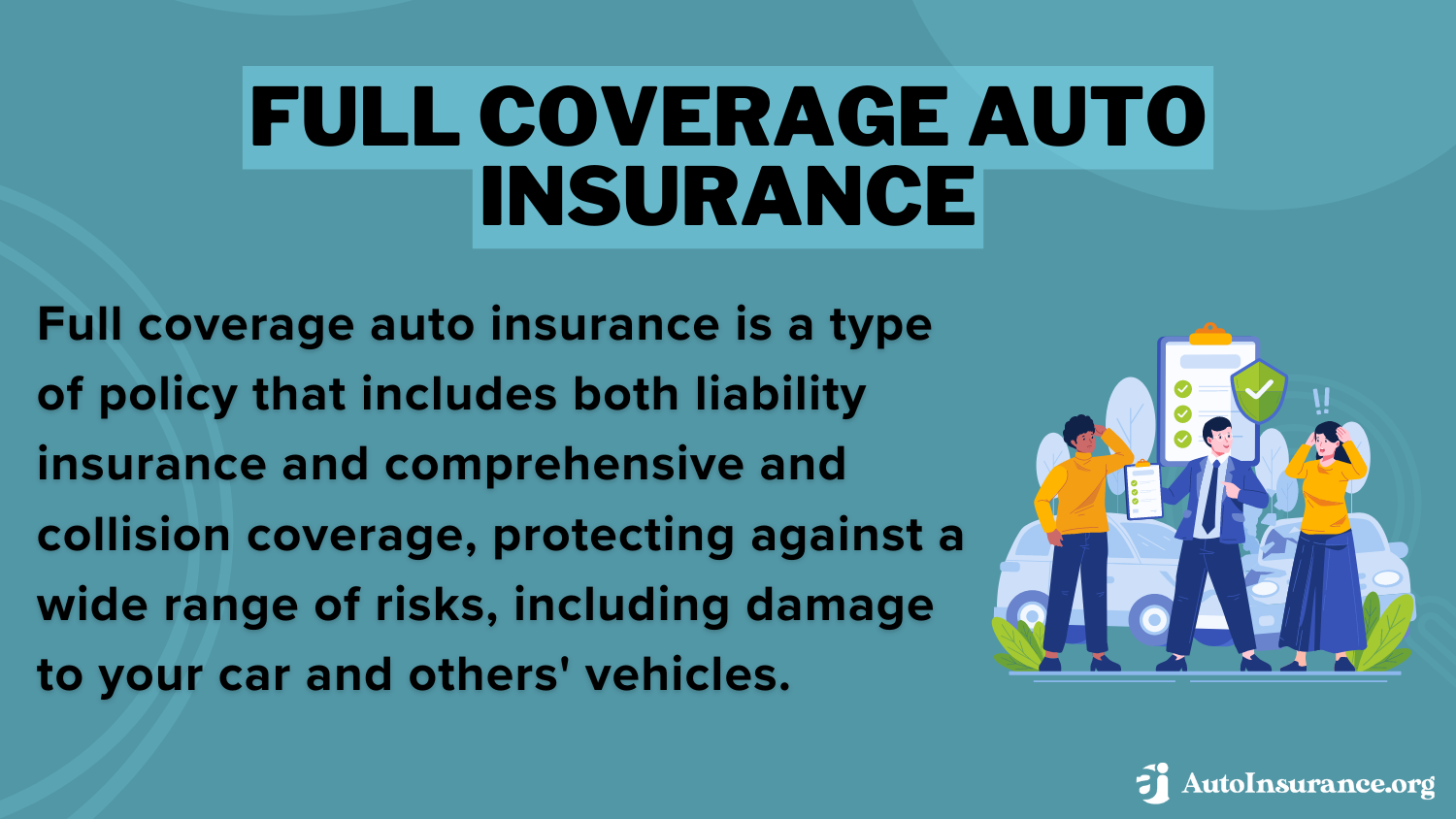
When transferring coverage to a new car, do not assume your old limits are sufficient. If you have moved from an older sedan to a 2026 luxury SUV, your liability and physical damage needs have changed. If the car is financed, your lender will likely require "Comprehensive" and "Collision" coverage with specific maximum deductibles (often no higher than $500 or $1,000).
Step 3: Review the Premium Adjustment
A transfer is rarely "cost-neutral." The replacement vehicle will likely have a different value, safety rating, and repair cost. AAA will calculate the "pro-rated" difference. If the new car is more expensive to insure, you will pay the difference for the remainder of the policy term. If it is cheaper, you will receive a credit toward your next renewal or a refund check.
Step 4: Verify the Endorsement
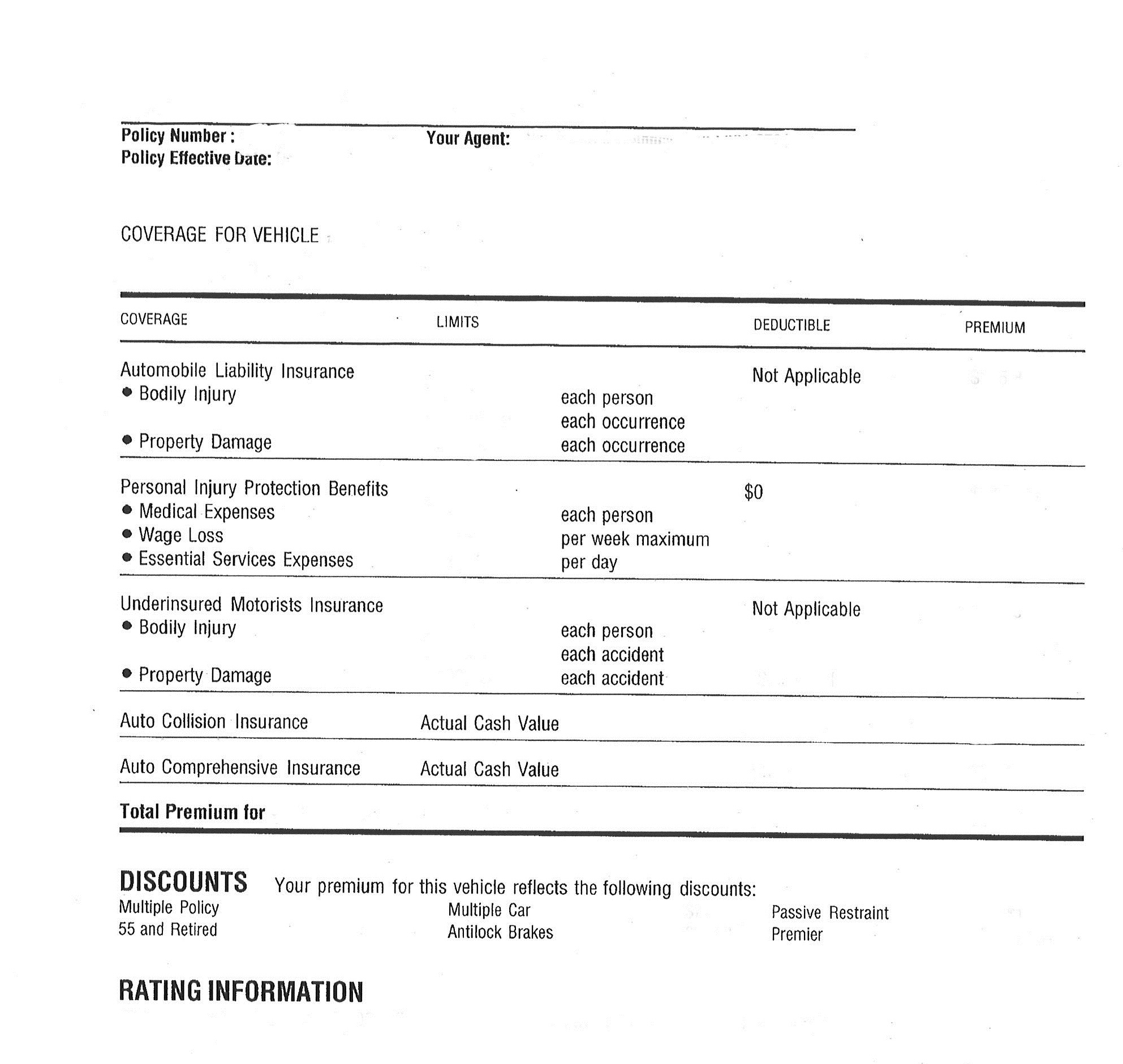
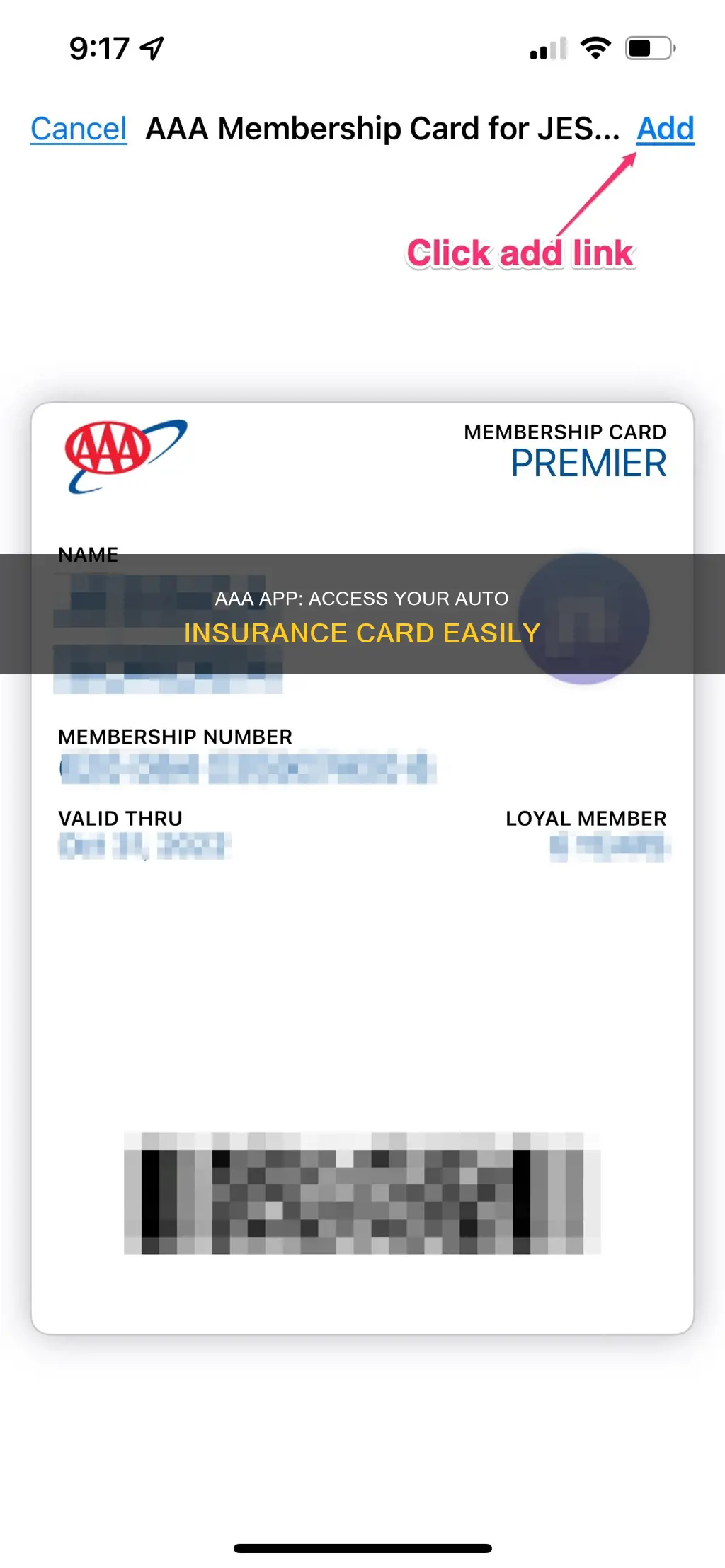
Within 7 to 10 business days, you should receive a new "Declarations Page" and updated insurance ID cards. In 2026, most states accept digital ID cards via the AAA app, but it is recommended to keep a physical copy in the glovebox for emergencies or areas with poor cellular reception.
Moving Out of State: Navigating Regional AAA Clubs
Transferring an insurance policy across state lines is more complex than a vehicle swap. Because AAA is a federation of independent clubs, your policy technically belongs to a specific regional provider.
When you move, you must notify your current AAA club of your new address. They will determine if they have the license to operate in your new state. If not, they will initiate a "transfer of interest" to the local AAA affiliate in your new home.
Key Considerations for Out-of-State Transfers:
- State Minimums: Every state has different legal minimums for liability. Your AAA agent must adjust your policy to meet or exceed the requirements of your new jurisdiction.
- No-Fault vs. Tort States: If you move from a "Tort" state (where the at-fault driver pays) to a "No-Fault" state (where your own insurance pays for your injuries regardless of fault), your policy structure will change significantly, often adding Personal Injury Protection (PIP).
- Membership Portability: While your insurance policy must be rewritten for the new state, your AAA membership (the roadside assistance portion) is usually seamless. You can maintain your "Years of Membership" tenure, which often provides discounts on the insurance side.
2026 Policy Transfer Comparison Table
| Feature | Vehicle Transfer (Same State) | Out-of-State Transfer | Ownership Transfer (To Buyer) |
|---|---|---|---|
| Action Type | Policy Endorsement | New Policy Issuance | Policy Cancellation |
| Policy Number | Usually stays the same | Likely changes | N/A (Cannot transfer) |
| New VIN Required | Yes | No (Unless car is new) | N/A |
| Premium Change | Based on vehicle value | Based on new zip code | N/A |
| Lapse Risk | Low (Grace periods apply) | Moderate (Requires timing) | High (Buyer must get own) |
| Documentation | VIN, Odometer, Lienholder | New address, Title update | Proof of Sale |
Common Pitfalls and Troubleshooting
Even with AAA’s extensive agent network, errors during a transfer can lead to legal or financial headaches.
The "Double Coverage" Trap
When trading in a vehicle, ensure the agent explicitly removes the old VIN. If the old vehicle remains on the policy, you are paying for coverage on an asset you don't own. Conversely, if you keep the old car to sell privately later, you must maintain insurance on it until the title is officially transferred to the buyer.
Gap Insurance Requirements
If you are transferring your policy to a brand-new 2026 model, the "actual cash value" (ACV) of the car might drop faster than your loan balance. Standard AAA policies only pay the ACV. During the transfer, ask your agent about "Loan/Lease Gap Coverage" to ensure that if the new car is totaled, your entire loan is paid off.
Address Mismatches
When moving, policyholders often update their address with the DMV but forget to notify AAA. This can lead to "rate evasion" flags if you are living in a high-risk area but paying premiums for a low-risk area. In 2026, insurance companies use automated residency verification tools; an undeclared move can result in a denied claim or policy rescission.
Frequently Asked Questions
Can I transfer my AAA policy to my child when they get their own car?
No. You cannot transfer an existing policy to another person. However, you can help them start a new policy with AAA. If they were previously listed as a "named insured" or driver on your policy, AAA may offer them a "continuous coverage" discount, which makes their first independent policy significantly more affordable.
Is there a fee for transferring my insurance to a new vehicle?
AAA does not typically charge a flat "transfer fee." However, there is almost always a change in the premium. You may see a "processing" or "endorsement" adjustment on your next statement, but this reflects the pro-rated cost of the new coverage rather than a penalty for the transfer itself.
How long do I have to notify AAA after buying a new car?
While many AAA policies provide a 30-day automatic coverage window for a replacement vehicle, this is a dangerous "safety net" rather than a recommended practice. If your old car had "Liability Only" and you buy a new car that needs "Full Coverage," the automatic extension may only provide the lower level of protection. Always notify AAA within 24 hours of purchase.
Will transferring my policy affect my "Loyalty Discount"?
Generally, no. As long as you stay within the AAA federation (even when moving states), your tenure is preserved. This "Length of Membership" or "Loyalty" discount is one of the primary benefits of staying with AAA during a vehicle or location transfer.
Summary and Next Actions
Transferring a AAA auto insurance policy in 2026 is a straightforward process provided you distinguish between a vehicle swap and a change in residency. To ensure you are protected, follow these three immediate steps:
- Gather your new vehicle's VIN and current mileage.
- Contact your AAA agent or log into the AAA mobile app to request a policy endorsement.
- Confirm your new premium and coverage limits, ensuring they meet both state law and any lender requirements for financed vehicles.
Maintaining a proactive relationship with your AAA representative during these transitions ensures that your "insurable interest" remains protected, your discounts stay intact, and you avoid the costly consequences of a coverage lapse.
Image Gallery