Comprehensive Guide to Effective Pest Control in Queen Creek, Arizona (2026)
Effective pest control in Queen Creek requires a proactive, year-round strategy tailored to the unique Sonoran Desert climate. Residents primarily face challenges from bark scorpions, subterranean termites, and roof rats. In 2026, prof...
Effective pest control in Queen Creek requires a proactive, year-round strategy tailored to the unique Sonoran Desert climate. Residents primarily face challenges from bark scorpions, subterranean termites, and roof rats. In 2026, professional maintenance programs are the standard for prevention, with monthly or bi-monthly services typically costing between $55 and $95 per visit depending on property size and specific pest pressures.
Contents
The town of Queen Creek has experienced rapid residential growth over the last decade. As former agricultural land and raw desert are converted into housing developments, local ecosystems are disrupted, forcing native pests into human structures. The combination of intense summer heat and mild winters allows many species to remain active throughout the year, making seasonal "one-time" treatments less effective than consistent Integrated Pest Management (IPM) programs.
Understanding the Queen Creek Pest Landscape
Queen Creek’s geography—situated between the San Tan Mountains and active agricultural zones—creates a unique intersection of desert and rural pest issues. Unlike more urbanized parts of the Phoenix metro area, Queen Creek often deals with higher concentrations of "encroachment pests" that move from open fields into newly established neighborhoods.
The Arizona Bark Scorpion
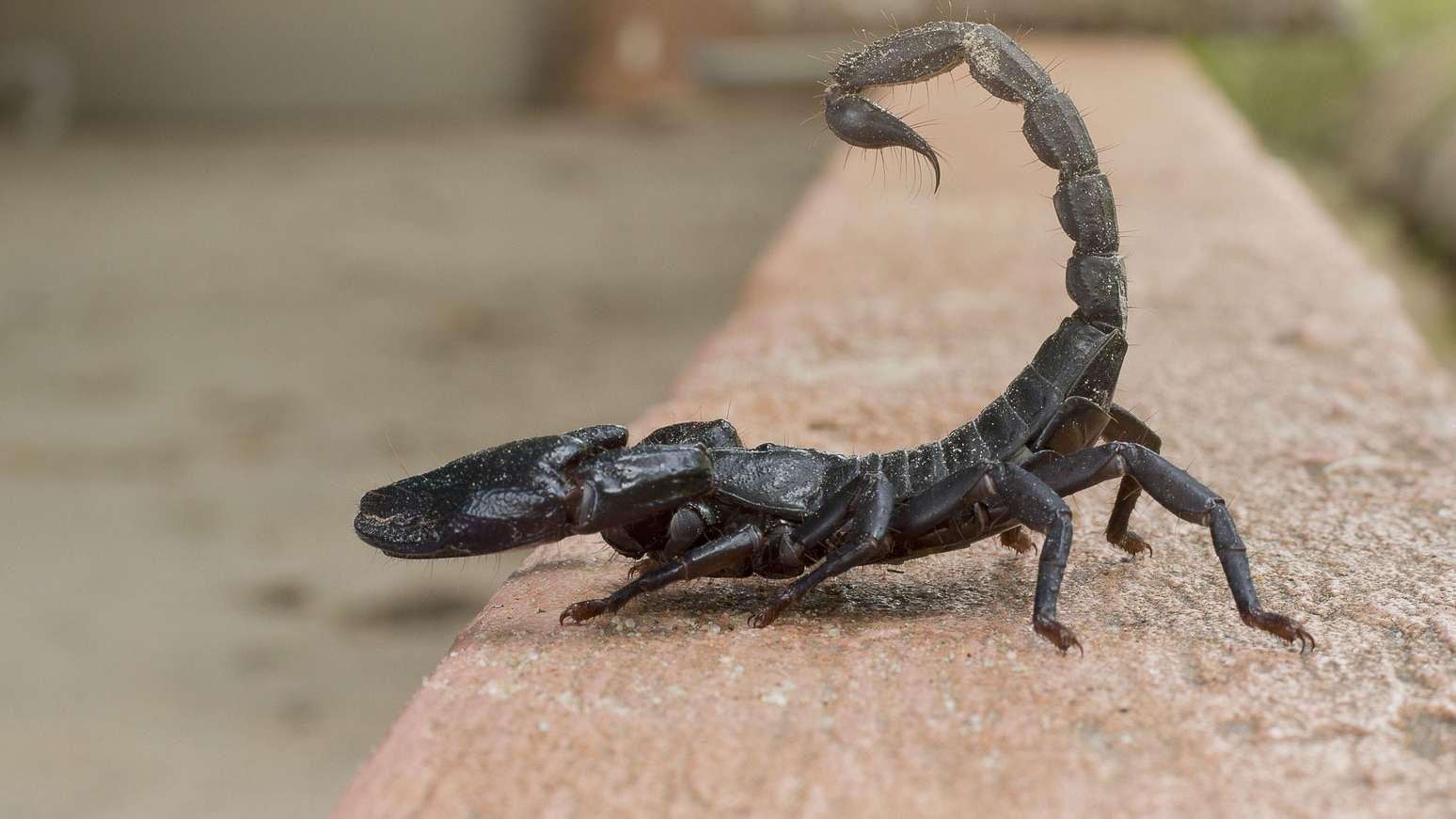
The Arizona Bark Scorpion (Centruroides sculpturatus) is the most significant concern for local homeowners. Unlike other scorpions, this species is a proficient climber and can navigate vertical walls, ceilings, and trees. They are particularly dangerous because they can enter homes through gaps as thin as a credit card. In 2026, pest control technologies have shifted toward "barrier exclusion," which involves sealing the home's exterior while applying specialized micro-encapsulated pyrethroids that withstand the intense Arizona UV rays.
Subterranean Termites
In the desert Southwest, it is often said that there are two types of homes: those with termites and those that will eventually have them. Desert subterranean termites are highly active in Queen Creek’s soil. They build mud tubes to travel from the ground into the wooden framing of a home, often entering through the "weep screed"—the gap at the bottom of the stucco wall designed for moisture drainage. Regular inspections are critical, as termite damage is rarely covered by standard homeowners' insurance.
Roof Rats and Ground Squirrels
As Queen Creek matured, the increase in citrus trees and lush landscaping provided a perfect habitat for roof rats (Rattus rattus). These rodents are agile climbers and prefer to nest in attics or the upper levels of palm trees. Similarly, ground squirrels can undermine foundations and landscaping by creating extensive burrow systems. Effective control involves a mix of trapping, exclusion (sealing entry points), and habitat modification, such as thinning out dense vegetation.
Professional Treatment Methodologies in 2026
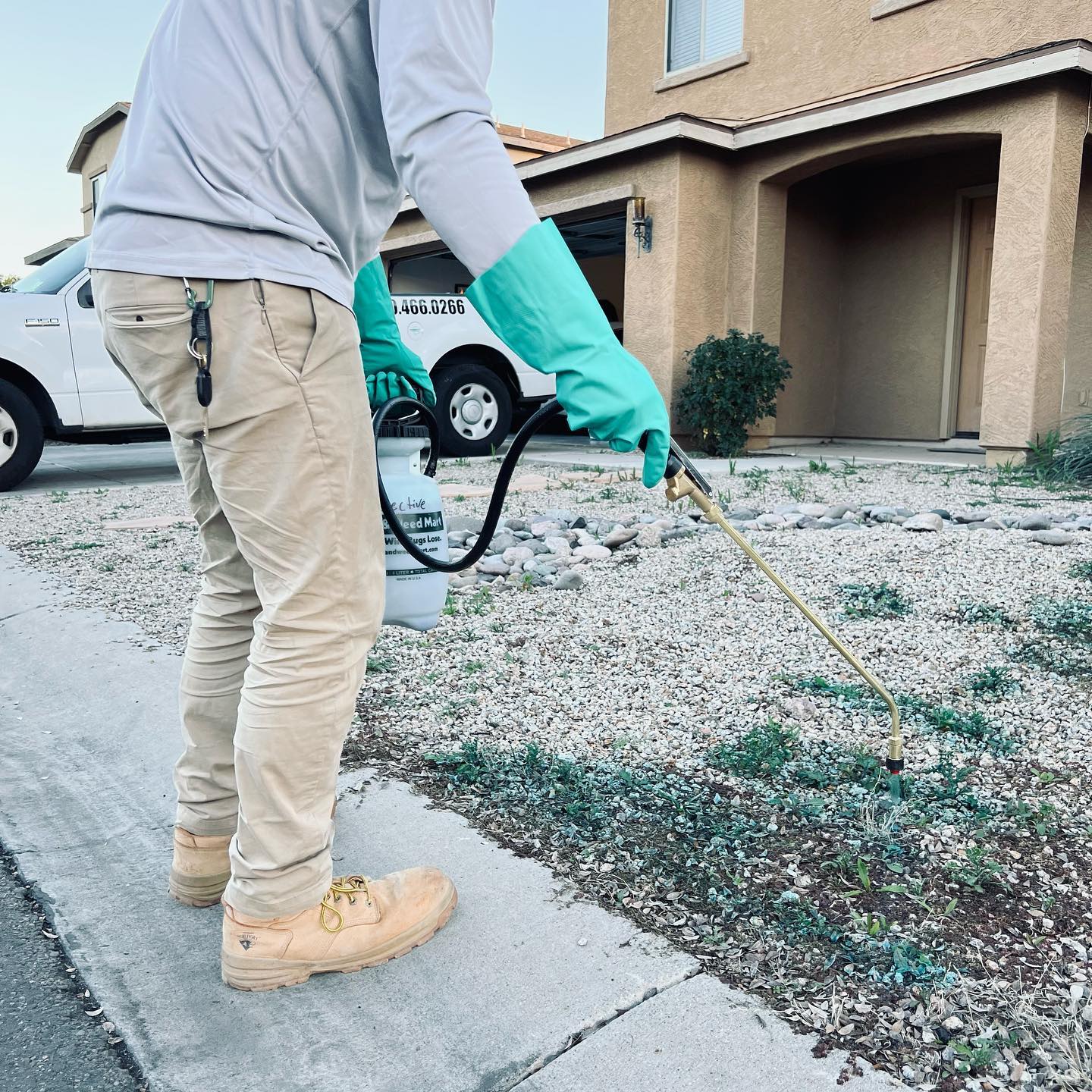
Modern pest control has moved away from high-toxicity "baseboard spraying" toward more targeted, environmentally conscious applications. Technicians now focus on the exterior perimeter to stop pests before they enter the living space.
The Exterior Barrier Technique
The primary defense for a Queen Creek home is a three-zone barrier:
- The Foundation Spray: A liquid residual treatment applied 3 feet up the wall and 3 feet out from the foundation. This creates a chemical "no-go" zone for crawling insects and scorpions.
- Granular Application: Water-activated granules are spread in rock beds and desert landscaping. These granules filter down to the soil where crickets and roaches (the primary food source for scorpions) live and breed.
- Dusting Eave and Voids: Specialized dusts are injected into cracks, crevices, and under the eaves to target spiders and wasps.
Integrated Pest Management (IPM)
IPM is a holistic approach that combines chemical treatments with physical changes to the environment. In 2026, reputable Queen Creek providers emphasize the following IPM steps:
- Source Reduction: Identifying and removing standing water or excessive debris where pests hide.
- Exclusion: Using copper mesh, silicone caulking, or weather stripping to seal entry points.
- Monitoring: Using glue boards and pheromone traps to identify pest activity before an infestation becomes severe.
Cost Analysis and Service Tiers for 2026
Pest control pricing in Queen Creek is influenced by the size of the home, the level of infestation, and the specific pests being targeted. Most companies offer tiered plans to accommodate different budgets and needs.
| Service Level | Monthly Cost (Est.) | Coverage Area | Primary Targets | Included Benefits |
|---|---|---|---|---|
| Basic Maintenance | $55 - $65 | Exterior Only | Ants, Crickets, Spiders | Quarterly or Bi-Monthly visits |
| Premium Scorpion Guard | $75 - $95 | Interior & Exterior | Scorpions, Black Widows | Power spraying, blacklight inspections |
| Complete Protection | $110 - $140 | Full Property | General Pests + Termite Warranty | Annual termite inspections, rodent baiting |
| One-Time Flush | $150 - $250+ | Target Areas | Specific Infestations | 30-day guarantee only |
Note: Initial "clean-out" fees for first-time customers typically range from $99 to $199 to address existing populations.
Selecting a Licensed Pest Control Provider
When choosing a service provider in Queen Creek, verification of licensing and insurance is the first step. The Arizona Department of Agriculture’s Pest Management Division (PMD) oversees all professional applicators in the state.
Verification Checklist
- Licensing: Ensure the company holds a valid "Business License" and the individual technician has an "Applicator" or "QA" (Qualifying Party) license. You can verify these through the Arizona PMD database.
- Experience with Desert Pests: Ask specifically about their scorpion protocol. Scorpions are notoriously difficult to kill; a company that simply "sprays the baseboards" is likely using outdated methods.
- Insurance: Confirm the provider carries general liability and workers' compensation insurance to protect you in the event of an accident on your property.
- Guarantees: Look for companies that offer "free re-treatments" between scheduled visits if pests return.
Homeowner Prevention and Self-Correction
While professional service provides the heavy lifting, homeowners play a vital role in keeping Queen Creek properties pest-free. The arid environment means pests are constantly searching for moisture and shade.
Landscaping and Maintenance Tips
- The 2-Foot Rule: Keep desert shrubs and trees trimmed at least two feet away from the home’s exterior walls. This prevents "bridges" that pests use to bypass ground barriers.
- Manage Irrigation: Ensure drip lines are not leaking. Over-saturated soil attracts termites and provides drinking water for scorpions and rodents.
- Lighting Adjustments: Transition to yellow "bug bulbs" or LED lights with a warmer color temperature for exterior fixtures. Standard white or blue-toned lights attract flying insects, which in turn attract spiders and scorpions.
- Debris Removal: Avoid stacking firewood or construction materials against the house. These create ideal nesting sites for scorpions and Black Widow spiders.
The Importance of the Weep Screed
Homeowners should regularly inspect the weep screed at the base of their stucco. If the dirt or decorative rock has been piled up too high, covering the screed, it creates a "subterranean highway" for termites to enter the wall cavity unseen. Maintaining a 2-to-4-inch gap between the bottom of the stucco and the ground level is a primary defense against wood-destroying organisms.
Frequently Asked Questions (FAQ)
How often should I get pest control in Queen Creek?
For most Queen Creek residences, a bi-monthly (every other month) service is sufficient for general pest prevention. However, if your property borders open desert or has a history of heavy scorpion activity, a monthly service schedule is recommended. The high heat of Arizona summers can cause some chemical barriers to break down faster, making more frequent applications necessary during the peak months of June through September.
Are the chemicals used safe for pets and children?
In 2026, most professional products are synthetic pyrethroids, which are modeled after natural compounds found in chrysanthemums. Once the application has dried (usually within 30 to 60 minutes), it is safe for pets and children to return to the area. Professional technicians are trained to apply products in areas where family members are unlikely to come into direct contact with them, such as behind appliances or along the exterior foundation.
Why am I seeing more pests after a treatment?
It is common to see an uptick in pest visibility immediately following a professional service. This is known as a "flush." The treatment disrupts the pests' hiding spots and affects their nervous systems, causing them to move erratically and come out into the open before they eventually die. This activity should subside within 7 to 10 days.
Can I handle scorpion control on my own?
While DIY products are available, they often lack the concentration and residual longevity of professional-grade formulations. Scorpions have a thick exoskeleton and a unique metabolism that allows them to survive for long periods without food or water, making them highly resistant to standard hardware-store sprays. Furthermore, professional "scorpion sealing" requires specialized equipment and knowledge of structural entry points.
Do electronic pest repellers work?
There is no scientific evidence from reputable institutions, such as the University of Arizona’s Entomology Department, that ultrasonic or electronic repellers are effective against desert pests like scorpions or termites. These devices are generally considered ineffective for long-term pest management in a residential setting.
Next Actions for Queen Creek Residents
To ensure your home remains protected, begin by conducting a "nighttime audit" using a UV blacklight to check for scorpion activity around your perimeter. If you find more than two or three scorpions in a single session, it is time to consult a professional. Request a comprehensive termite inspection at least once every two years, as Queen Creek’s soil activity remains a constant threat to structural integrity. For those moving into new construction, ensure an "initial flush" service is performed to address any pests disturbed during the building process.
Image Gallery