Average APR for a Personal Loan: 2026 Rates and Borrowing Trends
The average APR for a personal loan in 2026 typically ranges from 11.5% to 12.8% for borrowers with good credit, though market-wide rates fluctuate between 6.5% and 35.9%. Your specific rate depends heavily on your credit score, debt-t...
The average APR for a personal loan in 2026 typically ranges from 11.5% to 12.8% for borrowers with good credit, though market-wide rates fluctuate between 6.5% and 35.9%. Your specific rate depends heavily on your credit score, debt-to-income ratio, and the current prime rate established by the Federal Reserve.
Contents
Personal loans have become a cornerstone of modern financial planning, used for everything from high-interest debt consolidation to necessary home repairs. However, the "average" rate is often a misleading metric because it aggregates vastly different borrower profiles. To understand what you will actually pay, you must look beyond the national average and examine how lenders calculate the Annual Percentage Rate (APR) based on individual risk factors and the broader 2026 economic climate.
Defining APR vs. Interest Rate
Before diving into the data, it is essential to distinguish between a loan’s interest rate and its APR. While many consumers use these terms interchangeably, the APR provides a more accurate picture of the total cost of borrowing.
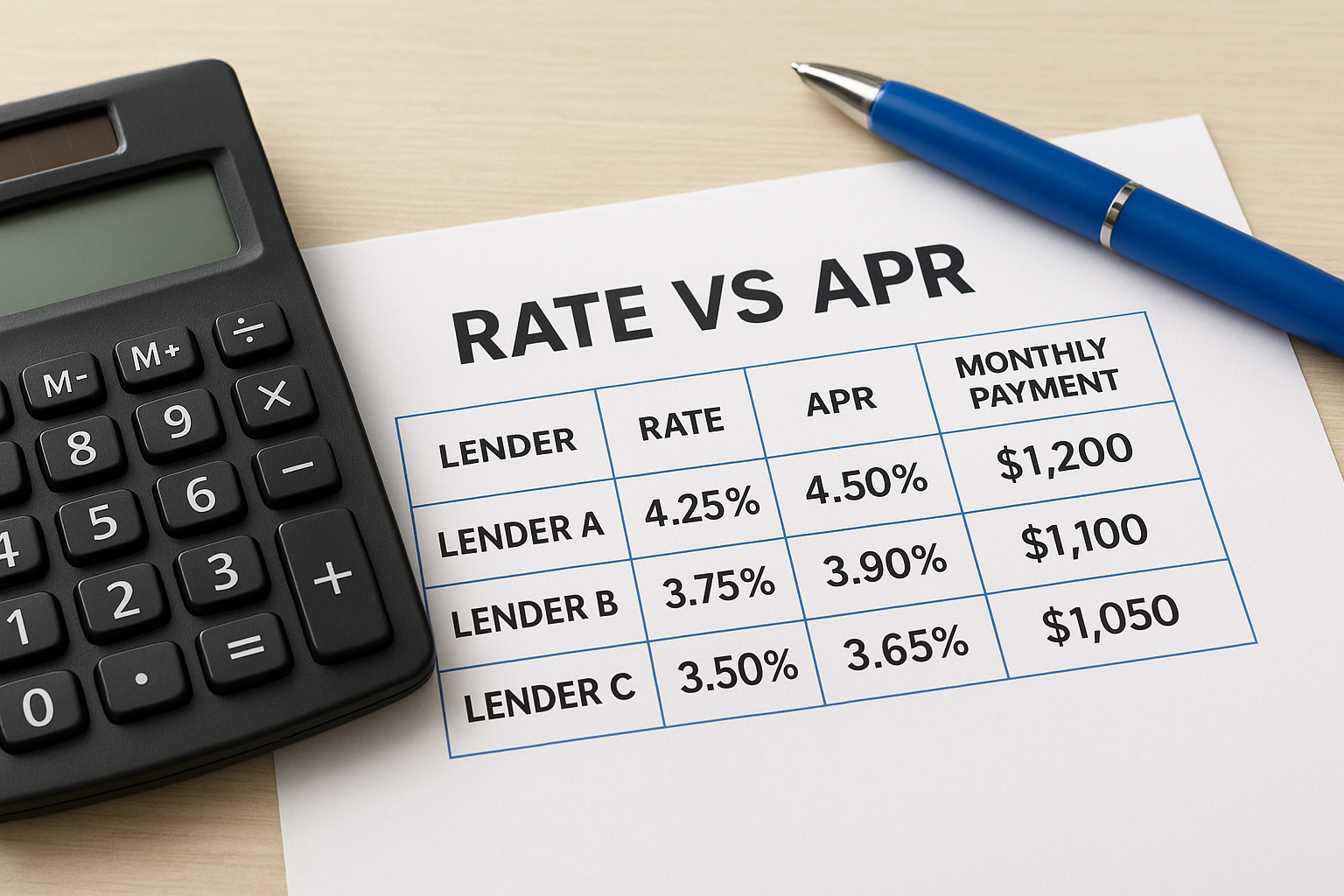
The interest rate is the percentage of the principal balance that the lender charges you to borrow the money. This is the "sticker price" of the loan. The APR (Annual Percentage Rate), conversely, includes the interest rate plus any mandatory fees, such as origination fees or administrative costs. In 2026, most reputable lenders charge origination fees ranging from 1% to 8% of the total loan amount. Because these fees are deducted from the loan proceeds or added to the balance, the APR is almost always higher than the base interest rate.
For example, if you take out a $10,000 loan with a 10% interest rate and a 5% origination fee, your APR will be significantly higher than 10% because that $500 fee is factored into the annualized cost. Always use the APR when comparing offers from different lenders to ensure you are looking at an "apples-to-apples" comparison.
The Influence of Credit Scores on 2026 Loan Rates
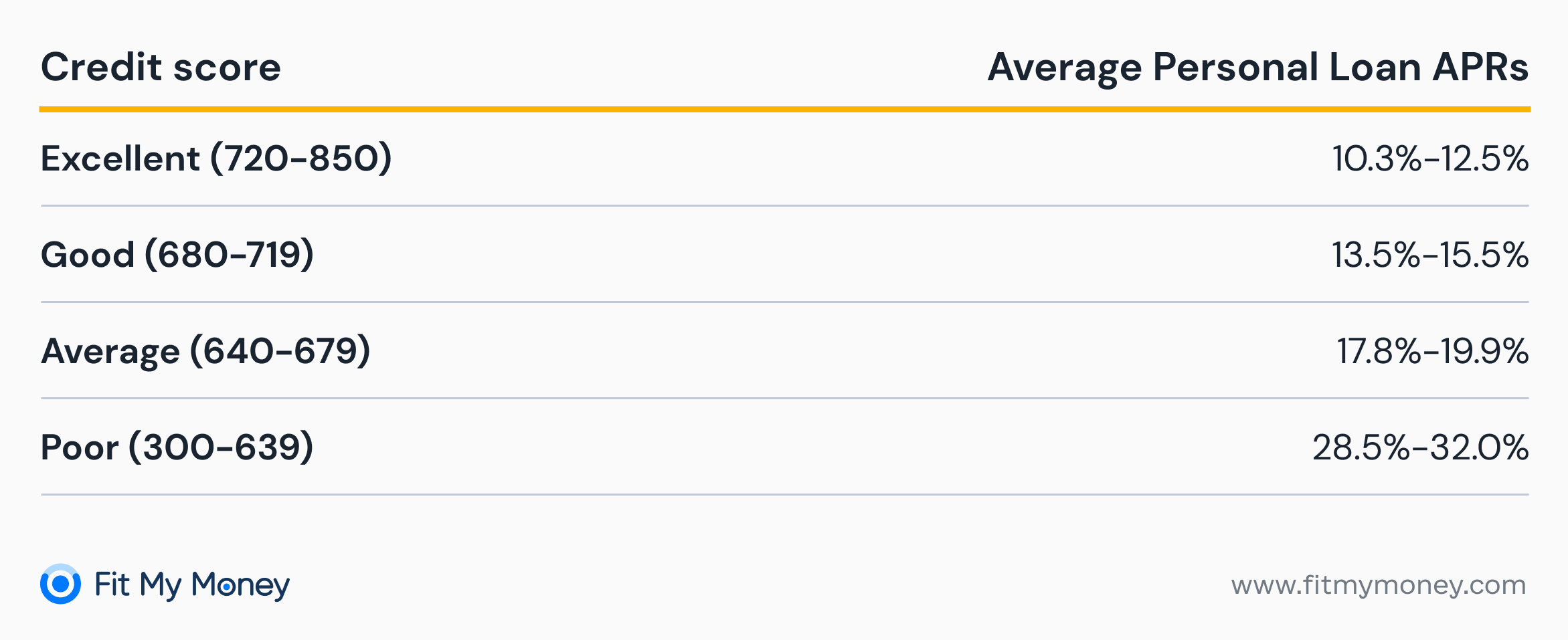
In the 2026 lending market, credit tiering remains the most significant predictor of your personal loan APR. Lenders use sophisticated algorithms to categorize borrowers into risk pools. Those in the "Excellent" category are viewed as highly unlikely to default, allowing lenders to offer them rates just a few percentage points above the federal funds rate. Conversely, "Deep Subprime" borrowers pay a premium to offset the higher statistical likelihood of late payments or default.
Excellent Credit (720 - 850)
Borrowers in this tier have access to the most competitive products. In 2026, the average APR for this group sits between 6.5% and 10.5%. These individuals typically have long credit histories, no recent late payments, and low credit utilization. Lenders often compete aggressively for these borrowers, sometimes waiving origination fees entirely.
Good Credit (690 - 719)
The "Good" credit tier is the most common among American borrowers. Rates for this group currently average between 11.0% and 15.5%. While these borrowers generally qualify for most loans, they may not receive the "advertised" lowest rates and are more likely to encounter origination fees.
Fair Credit (630 - 689)
Borrowers with fair credit are in a transitional zone. They are likely to see APRs ranging from 17% to 24%. At this level, lenders become more cautious, often requiring more stringent verification of income and debt-to-income (DTI) ratios.
Poor Credit (Below 629)
For those with poor or thin credit files, personal loans become expensive. Average APRs for this tier frequently hit the industry cap of 35.9%. Borrowers in this category should exercise extreme caution, as the high cost of interest can lead to a debt trap if the loan is not used for a high-ROI purpose like consolidating even higher-interest credit card debt.
Comparison of Average APRs by Credit Tier and Lender Type
The following table outlines the projected average APRs for 2026 across different financial institutions. Note that these are estimates based on broad market data and individual offers will vary.
| Credit Score Tier | Traditional Banks | Credit Unions | Online Lenders |
|---|---|---|---|
| Excellent (720+) | 6.5% – 8.9% | 5.9% – 8.5% | 7.5% – 10.5% |
| Good (690–719) | 9.5% – 13.0% | 9.0% – 12.5% | 11.0% – 15.0% |
| Fair (630–689) | 14.5% – 19.0% | 13.5% – 18.0% | 16.0% – 24.0% |
| Poor (<629) | N/A (Rarely Qualify) | 18.0% (Capped) | 25.0% – 35.9% |
How the 2026 Economic Landscape Affects Your Rate
The 2026 lending environment is shaped by the Federal Reserve’s monetary policy. Following the volatility of the early 2020s, the mid-2020s have seen a stabilization of interest rates. When the Federal Reserve raises the "discount rate," it becomes more expensive for banks to borrow money, a cost they pass on to consumers in the form of higher APRs.
Inflation also plays a role. If inflation is high, the "real" value of the money a lender receives back over time decreases. To protect their profit margins, lenders increase interest rates. In 2026, with inflation currently hovering near the 2% target, rates have remained relatively steady compared to the sharp hikes seen in previous years. This stability allows borrowers to plan with more confidence, as fixed-rate personal loans are less likely to see drastic shifts in availability.
Institutional Differences: Where You Borrow Matters
Not all lenders are created equal. The type of institution you choose can impact your APR as much as your credit score.
Traditional Banks
Large national banks often offer some of the lowest rates but have the highest barriers to entry. They prefer "low-risk" borrowers and often require an existing banking relationship to secure the best APRs. If you have a high income and a pristine credit score, a traditional bank is often your best starting point.
Credit Unions
Credit unions are member-owned, non-profit entities. Because they do not have to satisfy shareholders, they often return profits to members in the form of lower interest rates. Many credit unions have a legal cap on the interest rates they can charge (often around 18%), making them an excellent choice for borrowers with fair or poor credit who might otherwise face 30%+ APRs at online lenders. Information on these caps can often be found through the National Credit Union Administration (NCUA).
Online Lenders and Fintechs
Online lenders have revolutionized the personal loan space by using alternative data—such as education, employment history, and cash flow—to supplement traditional credit scores. While their APRs can be higher due to the convenience and speed of funding, they are often the only viable option for "thin-file" borrowers or those who need funds within 24 to 48 hours.
Factors Beyond Credit That Influence APR
While your credit score is the primary engine of your APR, several secondary factors can push your rate up or down:
- Loan Term: Generally, shorter loan terms (e.g., 24 to 36 months) carry lower APRs than longer terms (60 to 72 months). Lenders charge more for longer terms because there is a higher statistical chance that the borrower’s financial situation could change over five or six years.
- Debt-to-Income (DTI) Ratio: This is the percentage of your gross monthly income that goes toward paying debts. In 2026, most lenders prefer a DTI below 36%. If your DTI is high, a lender may view you as overextended and increase your APR to compensate for the risk.
- Loan Amount: Extremely small loans (under $2,000) or extremely large personal loans (over $50,000) may carry higher APRs. Small loans have higher administrative costs relative to the interest earned, while large loans represent a significant concentration of risk for the lender.
- Employment Status: Stable employment in a high-demand field can occasionally help you secure a better rate through fintech lenders who prioritize "future earning potential."
Common Pitfalls and Hidden Costs
When evaluating the average APR for a personal loan, many borrowers overlook the "fine print" that can make a seemingly good loan expensive.
- Origination Fees: As mentioned, these can be as high as 8%. If you need exactly $10,000 for a project, you may need to borrow $10,800 to account for the fee, meaning you are paying interest on money you never actually get to use.
- Late Payment Fees: While not included in the APR calculation (because they are contingent), these can be substantial. Some lenders charge a flat fee of $30-$40, while others charge a percentage of the monthly payment.
- Prepayment Penalties: In 2026, most top-tier lenders have eliminated prepayment penalties. However, some smaller banks still charge a fee if you pay off the loan early. This effectively increases your total cost of borrowing if you intended to save on interest by settling the debt ahead of schedule.
The Consumer Financial Protection Bureau (CFPB) provides resources to help borrowers identify predatory lending practices and understand the full disclosure of these fees under the Truth in Lending Act.
Frequently Asked Questions
Is a 15% APR good for a personal loan in 2026?
A 15% APR is considered "fair" to "good" depending on your credit profile. If your credit score is in the 680-700 range, 15% is a competitive market rate. However, if your score is above 740, you should likely aim for an APR under 10%. Conversely, for a borrower with a score of 620, a 15% APR would be an exceptionally good deal.
Can I get a personal loan with an APR lower than a credit card?
Yes, this is the primary reason for debt consolidation. In 2026, the average credit card APR is approximately 22-25%. If you have good credit, you can likely secure a personal loan with an APR between 10% and 14%, which could save you thousands of dollars in interest over the life of the debt.
Do APRs for personal loans change after I sign the contract?
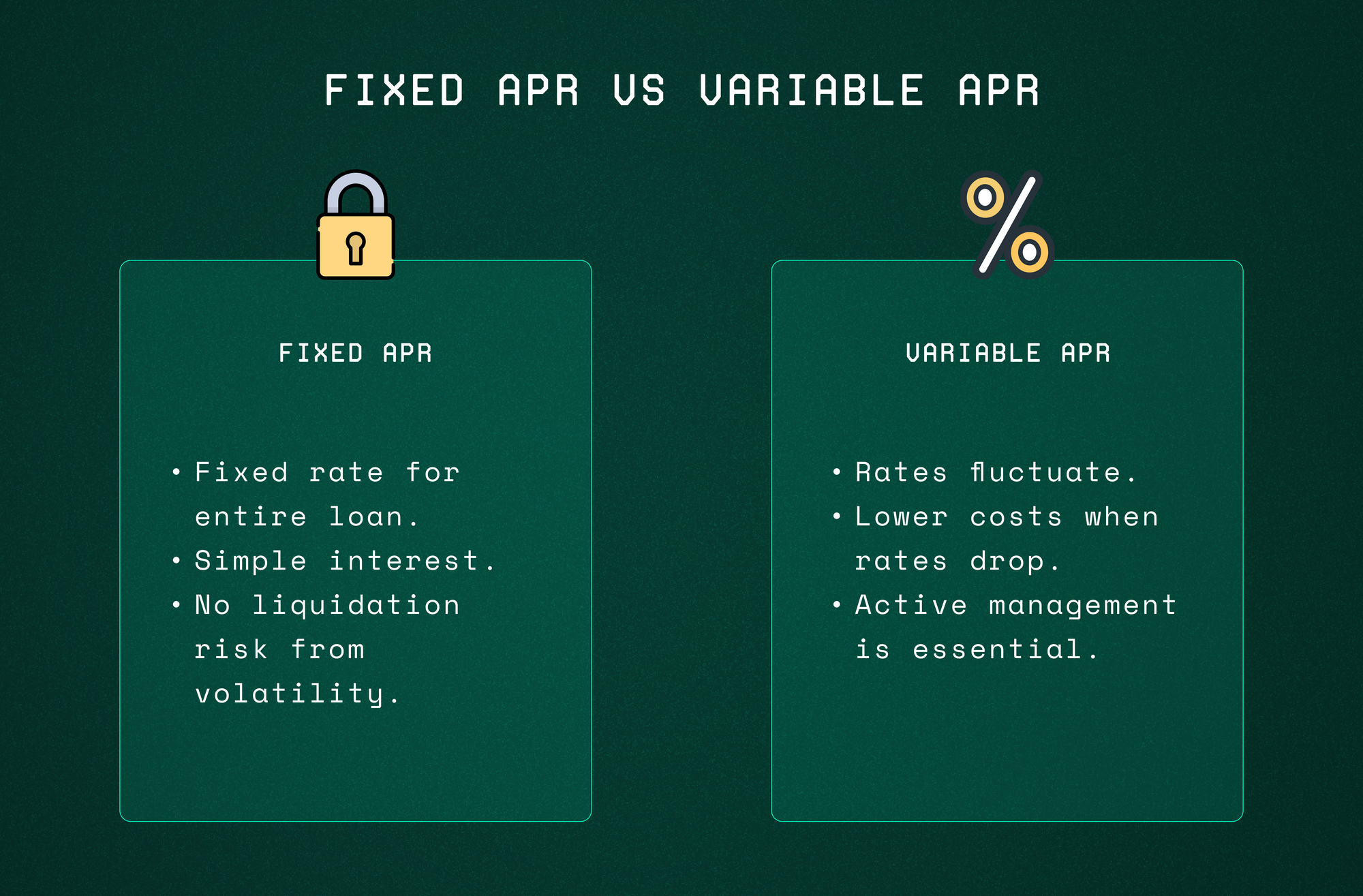
The vast majority of personal loans are fixed-rate loans, meaning your APR is locked in for the duration of the term. Some lenders offer variable-rate loans, which are tied to an index like the Prime Rate. If you choose a variable rate, your APR could increase if the Federal Reserve raises interest rates during your repayment period.
How does an origination fee impact the APR?
The origination fee is a one-time upfront cost. Because the APR is an annualized rate, the impact of the origination fee is more dramatic on shorter loans. For example, a 5% fee on a one-year loan adds a huge amount to the APR, whereas that same 5% spread over a five-year loan has a smaller impact on the annual percentage.
Does checking my APR lower my credit score?
Most modern lenders offer a "pre-qualification" process that uses a soft credit pull. This allows you to see your estimated APR without impacting your credit score. Your score will only be affected if you proceed with a formal application, which triggers a "hard credit pull."
Recommendation for Borrowers
To secure a rate below the national average, your first step should be to optimize your credit profile at least three months before applying. Reducing your credit card balances to under 30% utilization and ensuring there are no errors on your credit report can move you into a higher credit tier, potentially saving you 5% or more on your APR.
Once your credit is ready, get at least three quotes. Start with your local credit union, then check a major national bank, and finally use a reputable online comparison marketplace. By forcing lenders to compete for your business, you ensure that you aren't just getting an "average" rate, but the absolute lowest APR your financial profile can command in the 2026 market.
Disclaimer: This information is for educational purposes only and does not constitute financial or legal advice. Interest rates and loan availability are subject to change based on market conditions and individual lender policies.
Image Gallery