Marilyn Milian’s Judicial Credentials and the Legal Reality of TV Courtrooms
Marilyn Milian is a real judge who served as a Florida Circuit Court judge before transitioning to television. While she currently presides over televised cases as a legal arbitrator, she holds a Juris Doctor from Georgetown Law and sp...
Marilyn Milian is a real judge who served as a Florida Circuit Court judge before transitioning to television. While she currently presides over televised cases as a legal arbitrator, she holds a Juris Doctor from Georgetown Law and spent years on the bench in the Florida 11th Judicial Circuit.
Contents
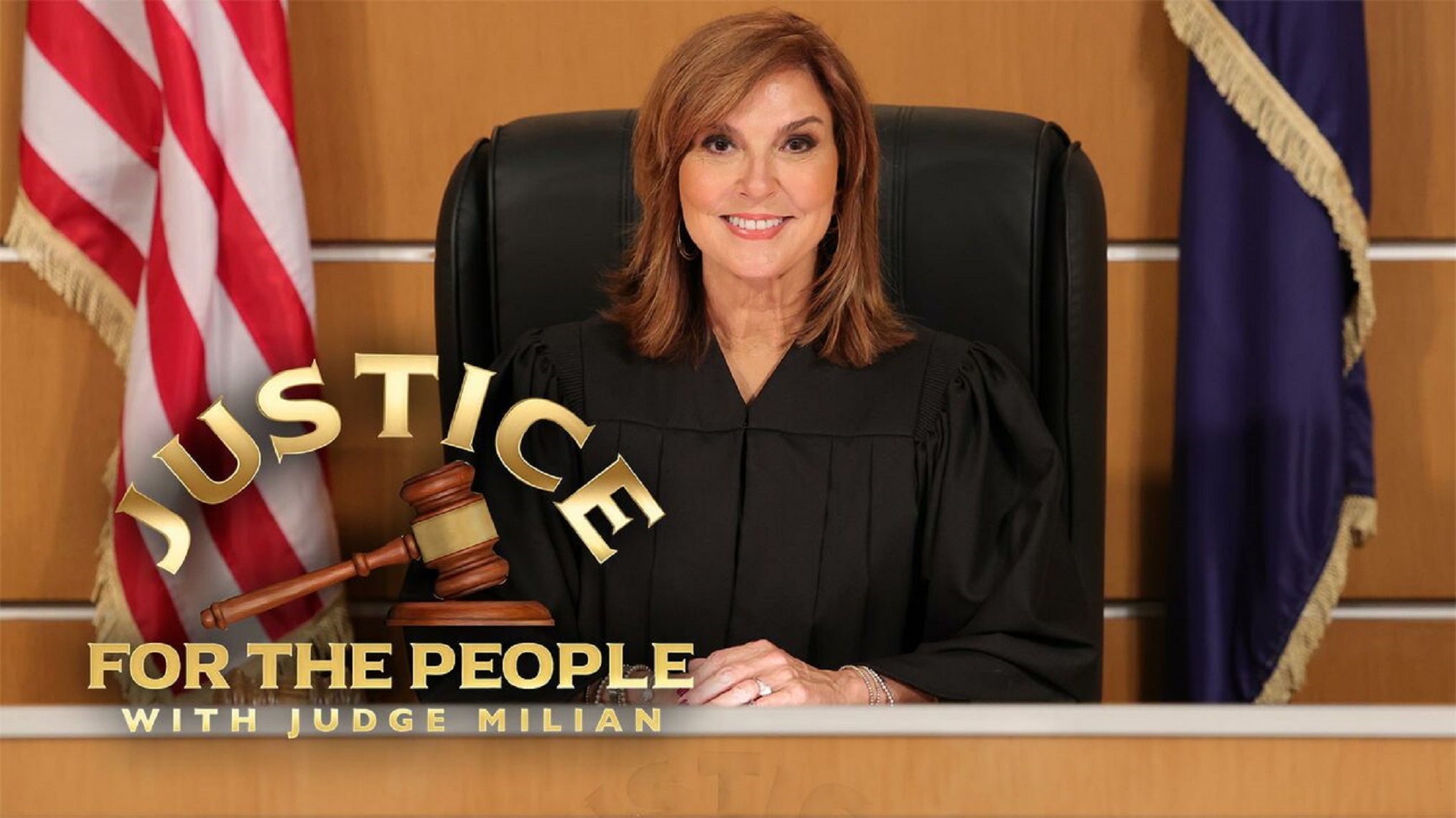
Whether you recognize her from her record-breaking 22-year tenure on The People’s Court or her current role on Justice for the People with Judge Milian, a common question persists: is she a "real" judge, and are her rulings legally binding? To answer this, one must look beyond the studio lights at the rigorous legal career that preceded her television fame and the specific legal framework that allows television "courts" to function within the American legal system.
In 2026, as she continues to influence public perception of the judiciary through her syndicated programs, understanding the distinction between a sitting government judge and a private legal arbitrator is essential for anyone interested in the intersection of law and entertainment.
The Judicial Background of Marilyn Milian
Before becoming a household name, Marilyn Milian established a formidable career in the Florida judicial system. Her path to the bench followed a traditional and highly competitive trajectory, beginning with elite academic training and moving through the ranks of the Florida State Attorney’s office.
Education and Early Legal Career
Milian earned her undergraduate degree from the University of Miami and subsequently attended Georgetown University Law Center, where she earned her Juris Doctor. Unlike many television personalities who lack formal legal training, Milian’s academic foundation is rooted in one of the most prestigious law programs in the United States.
Following law school, she returned to Miami to work as an Assistant State Attorney under Janet Reno, who later became the United States Attorney General. During this period, Milian specialized in prosecuting crimes involving domestic violence, narcotics, and money laundering. This high-stakes environment provided her with the "no-nonsense" temperament that later became her trademark on television.
Appointment to the Florida Bench
Milian’s transition from prosecutor to judge occurred in 1994 when then-Governor Lawton Chiles appointed her to the Miami-Dade County Court. In this capacity, she presided over the domestic violence division, a role that required both legal precision and a deep understanding of human psychology.
In 1999, she was elevated to the Circuit Court for the 11th Judicial Circuit of Florida by Governor Jeb Bush. In the Florida court hierarchy, the Circuit Court is the highest trial court in the state, handling major civil disputes and felony criminal cases. Her service on the bench was marked by a reputation for efficiency and a firm command of the courtroom, qualities that eventually caught the attention of television producers looking for a replacement for Jerry Sheindlin on The People’s Court.
How Television Judges Function as Arbitrators
A significant point of confusion for viewers is the venue. When Marilyn Milian presides over a case on Justice for the People, she is not sitting in a government-funded courthouse, and she is not acting as a government official. Instead, she is acting as a private arbitrator.
The Mechanism of Binding Arbitration
Television court shows operate under the Federal Arbitration Act (FAA) and corresponding state arbitration statutes. When litigants agree to appear on the show, they sign a legally binding contract. This contract includes an "arbitration agreement," which stipulates that:
- The litigants will dismiss their pending small claims or civil lawsuits in their local jurisdictions.
- They agree to have their dispute resolved by the show's "judge" (the arbitrator).
- The arbitrator’s decision is final and binding, with very limited grounds for appeal (usually restricted to cases of fraud or evident partiality).
This process is a form of Alternative Dispute Resolution (ADR). It is a legitimate legal pathway used by corporations and private individuals every day to resolve disputes outside of the slow and often expensive public court system.
Who Pays the Judgment?
One of the most distinct differences between "real" court and "TV" court is the source of the judgment money. In a standard civil court, if a judge orders a defendant to pay $2,000, that money must come out of the defendant's pocket.
In the world of televised arbitration, the production company typically pays the award from a pre-allocated fund. For example, if a show offers an appearance fee or a "settlement fund" to both parties, the judge’s ruling determines how that fund is divided. This is why many litigants are willing to appear on the show; even if they lose, they are often not personally liable for the judgment amount, and their travel expenses are typically covered by the production.
Comparing Milian’s Roles: Then and Now
As of 2026, Marilyn Milian has transitioned through several phases of her career. The format of her shows has evolved, but her application of the law remains consistent with her Florida training.
| Feature | Florida Circuit Court (1999-2001) | The People’s Court (2001-2023) | Justice for the People (2023-Present) |
|---|---|---|---|
| Legal Role | Presiding Government Judge | Private Arbitrator | Private Arbitrator |
| Jurisdiction | Miami-Dade County, Florida | All 50 U.S. States (via contract) | All 50 U.S. States (via contract) |
| Case Types | Felonies, Major Civil, Domestic | Small Claims (under $10,000) | Civil Disputes and Small Claims |
| Appeals | To Florida District Court of Appeal | Virtually none (Binding Arbitration) | Virtually none (Binding Arbitration) |
| Public Funding | Taxpayer Funded | Privately Funded (Syndication) | Privately Funded (Entertainment Studios) |
The Legal Validity of TV Rulings
It is a common myth that television rulings are "fake." On the contrary, the rulings handed down by Marilyn Milian are enforceable in a court of law. Because the parties have signed an arbitration agreement, the "award" (the judge's decision) can be taken to a local court and converted into a formal legal judgment if the losing party fails to comply with the terms of the production contract.
However, it is important to note that because the proceedings are televised, they are governed by entertainment standards as much as legal ones. The rules of evidence are often relaxed to allow for a more compelling narrative. In a real Florida Circuit Court, "hearsay" rules are strictly enforced; on television, Judge Milian may allow litigants to speak more freely to ensure the audience understands the full story.
Why Marilyn Milian is Respected in the Legal Community
Despite the "theatrics" required for television ratings, Milian is widely respected among legal professionals for several reasons:
- Judicial Temperament: She consistently demonstrates a mastery of "the pivot"—the ability to move from a sympathetic listening mode to a stern legal authoritative mode.
- Legal Clarity: Her explanations of "why" she is ruling a certain way often serve as a form of public legal education. She frequently cites specific legal concepts, such as "bailment," "mitigation of damages," and "unjust enrichment," explaining them in terms the layperson can understand.
- Consistency: Throughout her transition to Justice for the People, she has maintained a consistent application of contract law and tort law, regardless of the emotional weight of the cases.
Common Misconceptions About Television Judges
To fully understand Marilyn Milian’s status in 2026, one must debunk several persistent myths regarding her profession.
1. Myth: She can send people to jail. As an arbitrator on television, Milian has no criminal jurisdiction. She cannot sentence anyone to jail or issue criminal records. Her authority is strictly limited to civil matters—disputes involving money, property, or specific performance of a contract.
2. Myth: The litigants are actors. While some talk shows use actors, the court shows featuring Marilyn Milian use real people with real legal disputes. Producers scout local small claims court dockets across the country to find litigants who might be interested in resolving their cases on television rather than in their local courthouse.
3. Myth: She is still an active judge in Florida. Milian is a retired judge. While she retains the title as a matter of professional courtesy and tradition, she does not hold an active seat on the Florida bench. She cannot walk into a Miami courthouse today and preside over a criminal trial unless she were to be re-elected or re-appointed and vacate her television contracts.
Frequently Asked Questions
Is Marilyn Milian still a judge in 2026?
She is a retired Florida Circuit Court judge who currently serves as a legal arbitrator on television. While she is no longer a government official, her legal rulings on her show are binding through the power of arbitration contracts.
Did Judge Milian go to law school?
Yes, she graduated from Georgetown University Law Center, one of the top-ranked law schools in the United States. Before that, she earned her undergraduate degree from the University of Miami.
Are the cases on "Justice for the People" real?
Yes, the cases are based on real-life civil disputes. The participants sign a contract to have their case moved from a traditional small claims court to the televised arbitration format presided over by Milian.
How much of the show is scripted?
The legal arguments and the "judge’s" decisions are not scripted. However, the production team may coach litigants on how to present their points clearly for the camera, and the editing process removes long pauses or repetitive legal jargon to fit the half-hour television format.
Can you appeal a decision made by Judge Milian?
In almost all cases, no. By signing the agreement to appear on the show, litigants waive their right to a trial and agree to binding arbitration. Under the Federal Arbitration Act, such decisions can only be overturned in extreme cases of proven corruption or if the arbitrator exceeded their defined powers.
Practical Recommendations for Viewing and Participation
If you are watching Marilyn Milian to learn about the law, remember that her show is a blend of legal education and entertainment. While the core legal principles she discusses (like the elements of a contract) are accurate, the procedure is faster and more informal than what you would experience in a real-life courtroom.
For those considering appearing on a television court show, it is vital to read the contract in its entirety. The primary benefit is the "settlement fund" provided by the show, which ensures that the plaintiff gets paid if they win, and the defendant doesn't have to pay out of pocket. However, you must be comfortable with your personal dispute being broadcast to a national audience and realize that the judge’s decision is final.
Marilyn Milian remains a leading figure in the "judge show" genre because of her legitimate judicial pedigree. Her transition from the Florida 11th Judicial Circuit to the national stage has not diminished her status as a "real" judge; rather, it has shifted her jurisdiction from a single county to the broad landscape of American syndication.
Image Gallery





)
