Understanding Common Phrases and Terminology in Soccer
In soccer, specialized phrases and jargon act as shorthand for complex tactical maneuvers, historical traditions, and specific player actions. Understanding these terms is essential for fans to follow live broadcasts, analyze match rep...
In soccer, specialized phrases and jargon act as shorthand for complex tactical maneuvers, historical traditions, and specific player actions. Understanding these terms is essential for fans to follow live broadcasts, analyze match reports, and engage in the global football community. These phrases often bridge the gap between technical coaching language and casual fan observation.
Contents
The Evolution and Importance of Soccer Jargon
The language of soccer is a living entity, constantly evolving with the sport’s tactical shifts and cultural expansions. By 2026, the terminology has become even more nuanced as data analytics and high-intensity tactical systems dominate the professional game. Phrases that were once niche, such as "low block" or "progressive carries," are now standard in mainstream commentary.
The primary purpose of soccer jargon is efficiency. During a fast-paced match, a commentator or coach cannot describe the entire mechanics of a defensive setup; instead, they use a term like "parking the bus." This allows for immediate communication of a complex idea. Furthermore, many of these phrases carry significant historical weight, connecting modern viewers to the origins of the game in the 19th and 20th centuries. For a newcomer, mastering this "soccer speak" is the first step toward moving from a passive observer to an informed analyst of the beautiful game.
Defensive Phrases and Tactical Structures
Defense in soccer is no longer just about kicking the ball away; it is a highly coordinated effort that relies on specific positioning and mental discipline. Several phrases define how teams prevent their opponents from scoring.
The Clean Sheet
A clean sheet refers to a game in which a team’s goalkeeper and defense prevent the opposition from scoring any goals. The term originated in the early days of the sport when reporters and clerks recorded match statistics on paper. If a team conceded no goals, the page (or sheet) remained "clean" of any marks in the opponent's scoring column. In 2026, a clean sheet remains one of the most prestigious statistics for a goalkeeper, often carrying more weight in performance reviews than the number of saves made.
Parking the Bus
This phrase describes an ultra-defensive tactical approach where a team sits deep in their own half, often with all eleven players behind the ball, focusing entirely on preventing a goal rather than attacking. It is typically used by underdog teams facing much stronger opponents. The term was famously popularized by manager José Mourinho in the early 2000s to criticize opponents who refused to play an open game. Tactically, "parking the bus" involves minimizing the space between the defensive line and the midfield, making it nearly impossible for the attacking team to find a gap.
Zonal vs. Man-to-Man Marking
These phrases describe the two primary ways teams defend during set pieces (like corners or free kicks) or open play.
- Zonal Marking: Players are responsible for defending a specific area of the pitch. If an opponent enters that zone, the designated player engages them. This system is praised for its structural integrity but can be vulnerable if an attacker moves between zones.
- Man-to-Man Marking: Every defender is assigned a specific opponent to follow regardless of where they move. While this provides direct accountability, it can lead to defensive "holes" if a clever attacker pulls their defender out of position.
Offensive and Scoring Terminology
The glamour of soccer usually resides in the attacking third of the pitch. Consequently, the language surrounding goals and offensive movement is rich with specific descriptors.
Brace and Hat-trick
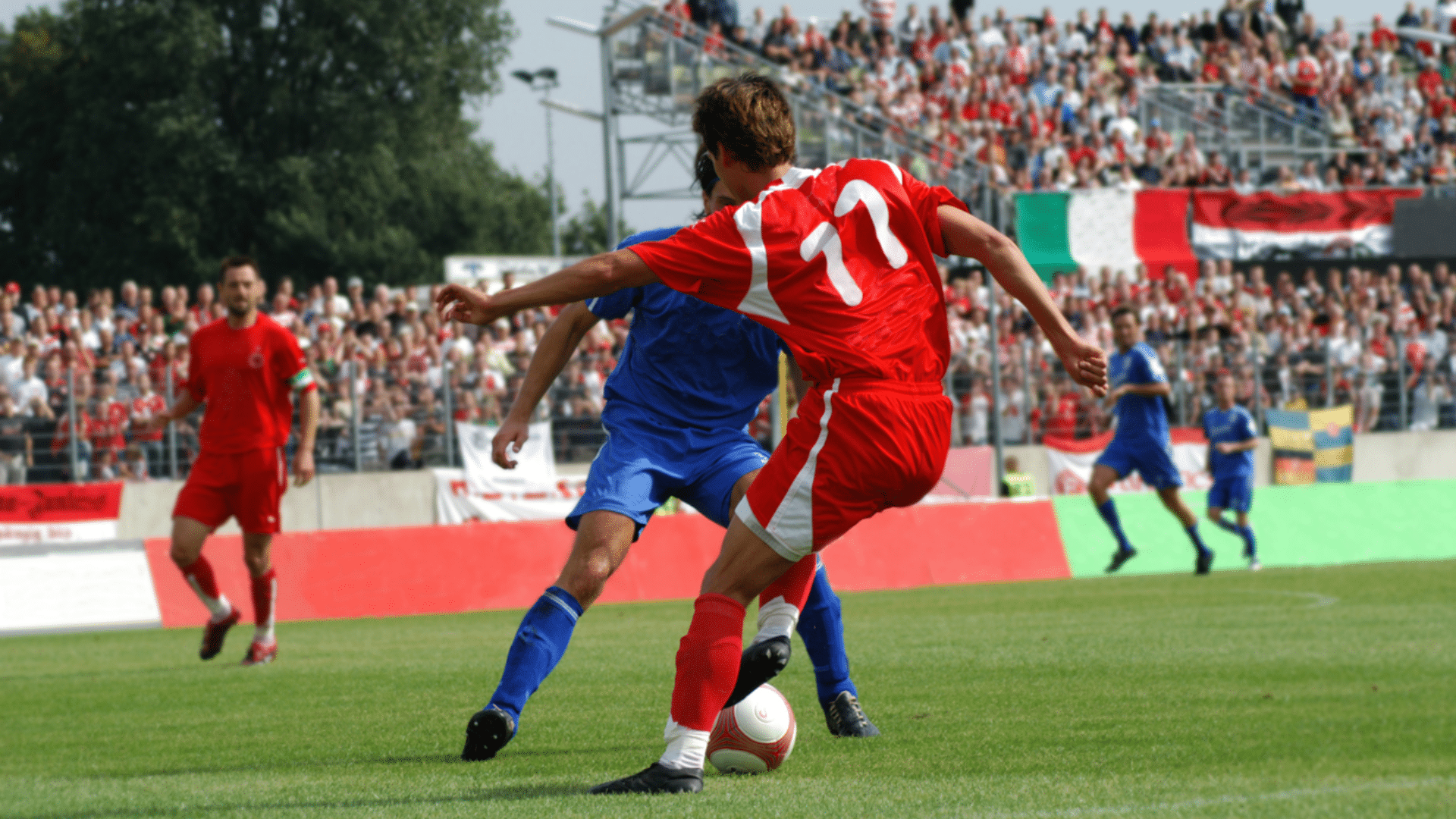
Scoring a single goal is a feat, but scoring multiple goals in a single match earns specific titles. A brace refers to a player scoring two goals in one game. The term likely stems from old hunting terminology where a "brace" referred to a pair of birds. A hat-trick occurs when a player scores three goals in a single match. This term actually originated in cricket in the 1850s, where a bowler who took three wickets in three balls was given a new hat by their club. In modern soccer, a "perfect hat-trick" involves scoring one goal with the right foot, one with the left foot, and one with the head.
The False Nine
Perhaps one of the most discussed tactical phrases of the last two decades, the false nine refers to a center-forward (traditionally the number 9) who does not stay at the top of the formation. Instead, they drop deep into the midfield. This movement creates a dilemma for opposing center-backs: if they follow the player, they leave a hole in the defense; if they stay put, the "false nine" has time and space to create plays. This role was perfected by Lionel Messi under Pep Guardiola and continues to be a staple of tactical flexibility in 2026.
Through Ball and Assists
An assist is the final pass leading to a goal. While goals get the headlines, the "playmaker" who provides the assist is often considered the engine of the team. A through ball is a specific type of assist or pass that is sent into open space behind the defenders for a teammate to run onto. It requires perfect timing and weight—too hard, and the goalkeeper cleans it up; too soft, and the defender intercepts it.
Technical Skills and Field Trickery
When players use individual flair to beat an opponent, specific phrases describe these moments of "magic."
The Nutmeg
A nutmeg (often shortened to "meg") occurs when a player kicks the ball through an opponent's open legs and successfully collects it on the other side. It is considered one of the most embarrassing things that can happen to a defender. The origins of the term are debated, but a popular theory suggests it comes from 19th-century trade where "nutmegs" were sometimes faked with wooden replicas to trick buyers; thus, "nutmegging" someone implies they have been fooled or tricked.
The Panenka
Named after Antonín Panenka, who first performed it in the 1976 European Championship final, a Panenka is a technique used during a penalty kick. Instead of power-blasting the ball to the corners, the player lightly chips the ball into the center of the goal, assuming the goalkeeper will dive to one side. It is a high-risk, high-reward move that requires immense composure.
Common Soccer Phrases and Regional Variations
The table below compares common terms and their meanings to help clarify regional differences that often confuse new viewers.
| Term | Common Meaning | Regional Note |
|---|---|---|
| Pitch | The field of play. | Primarily UK; "Field" is more common in the US. |
| Full-time | The end of the match. | Equivalent to "Regulation time" in other sports. |
| Derby | A match between two local rivals. | Pronounced "Dar-bee" in the UK. |
| Caps | Appearances for a national team. | Refers to the physical caps historically given to players. |
| Fixture | A scheduled match. | Standard terminology in professional leagues. |
| Stoppage Time | Extra minutes added for injuries/delays. | Also known as "Injury Time" or "Added Time." |
Tactical Systems and Philosophies
Beyond individual words, soccer uses phrases to describe entire philosophies of play. These terms help fans understand a team’s identity.
Tiki-taka
Popularized by the Spanish national team and FC Barcelona in the late 2000s, tiki-taka is a style of play characterized by short passing and movement, working the ball through various channels, and maintaining high possession percentages. The goal is to tire the opponent mentally and physically until a gap opens. By 2026, while pure tiki-taka has evolved, its influence remains in how teams value ball retention.
Gegenpressing
A German term meaning "counter-pressing," gegenpressing was made world-famous by managers like Jürgen Klopp. The philosophy dictates that a team should attempt to win the ball back immediately after losing it, rather than retreating into a defensive shape. The logic is that the opponent is most vulnerable right when they have won the ball, as they are transitioning from defense to attack and their players are out of position.
FAQ
What does it mean to "lose the dressing room"? This is a figurative phrase used to describe a manager who has lost the respect and control of their players. When a manager "loses the dressing room," player performance typically drops, and it often results in the manager being fired. It suggests a breakdown in communication and authority within the team’s private quarters.
What is a "relegation six-pointer"? This phrase refers to a match between two teams who are both fighting to avoid relegation (being moved to a lower league). While a win is technically only worth three points, it is called a "six-pointer" because the winning team gains three points while simultaneously preventing their direct rival from gaining three, creating a six-point "swing" in the relative standings.
What does "bottling it" mean in soccer? To "bottle it" is slang for a team or player collapsing under pressure, specifically when they are in a winning position. For example, if a team is leading a championship race by several points but loses their final few games to finish second, they are said to have "bottled" the league.
What is the "Transfer Window"? The Transfer Window is the specific period during the year when soccer clubs are legally allowed to buy and sell players. In most European leagues, there is a summer window (pre-season) and a shorter winter window (mid-season in January).
What does "Against the run of play" mean? This phrase describes a goal scored by a team that has been dominated for most of the match. If Team A has 70% possession and ten shots on goal, but Team B scores on their only counter-attack, Team B’s goal is said to be "against the run of play."
Summary of Next Actions for Fans
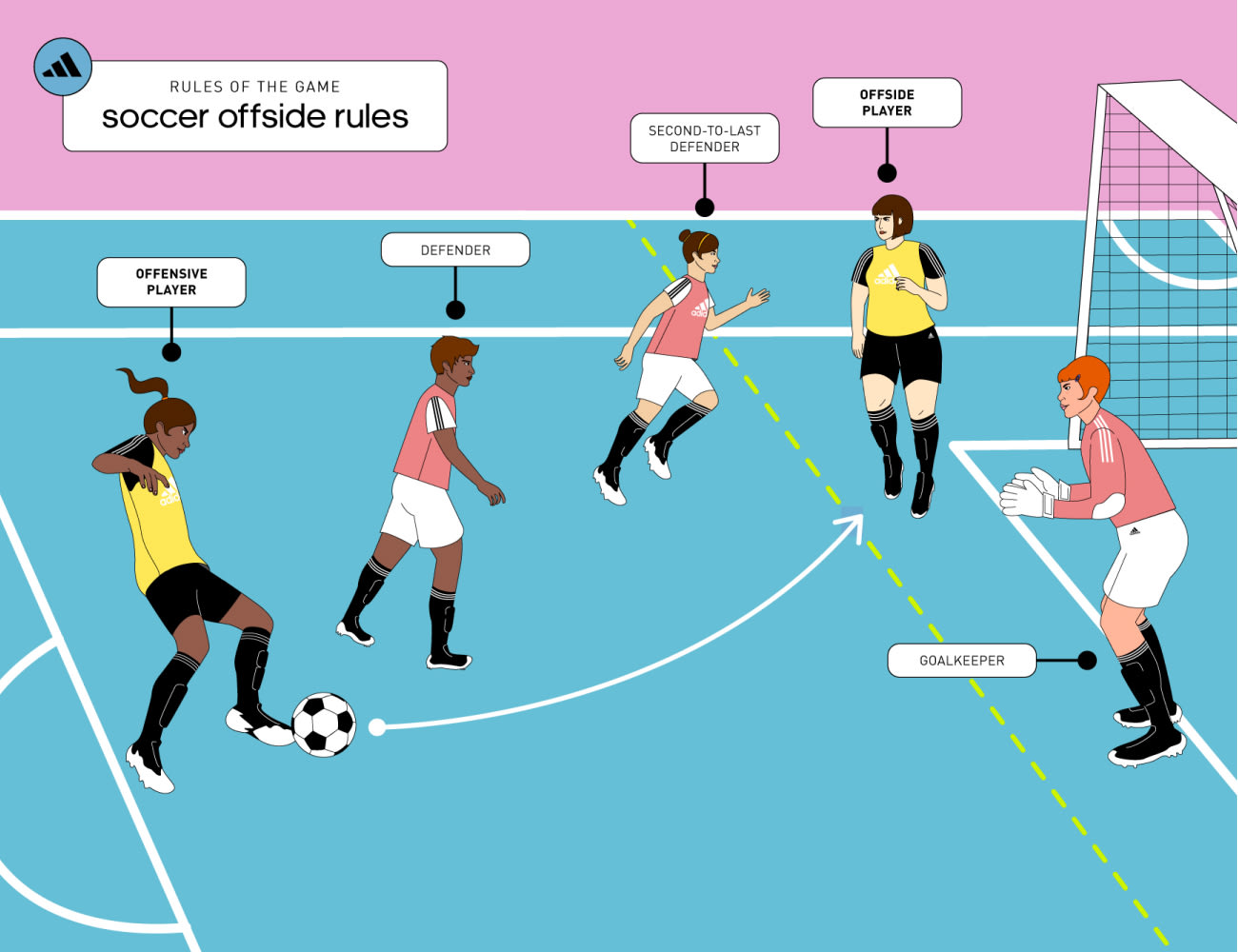
To truly master the language of soccer, viewers should complement their reading with active observation. When watching a match in 2026, try to identify when a team is employing a "high press" or notice when a striker is playing as a "false nine." Listening to different commentary teams—such as those from the UK’s BBC or Sky Sports versus American outlets like ESPN or CBS—can also provide a broader perspective on how these phrases are applied. For those interested in the formal rules governing these situations, consulting the IFAB Laws of the Game provides the legal foundation for the terminology used on the pitch.
Image Gallery