Hyundai Santa Fe Windshield Wiper Size Guide (2001–2026)
For the most recent Hyundai Santa Fe models (2019–2026), you generally need a 26-inch blade for the driver’s side and a 16 to 18-inch blade for the passenger side, depending on the specific sub-model. Most models also require a 12 to 1...
For the most recent Hyundai Santa Fe models (2019–2026), you generally need a 26-inch blade for the driver’s side and a 16 to 18-inch blade for the passenger side, depending on the specific sub-model. Most models also require a 12 to 14-inch rear wiper blade to maintain clear visibility through the liftgate glass.
Contents
Reliable visibility is the most critical safety factor when driving in rain, sleet, or snow. The Hyundai Santa Fe has evolved through five distinct generations since its debut, and with each redesign, the curvature of the windshield and the length of the wiper arms have changed. Using the wrong size can lead to "wiper slap" (where blades hit the A-pillar), missed spots on the glass, or premature motor wear. This guide provides the exact specifications needed to ensure your 2026 or older Santa Fe remains road-ready.
Hyundai Santa Fe Wiper Size Quick Reference Table
The following table outlines the standard sizes for the three primary wiper positions across all major production years. While most trim levels (SE, SEL, Limited, Calligraphy) share these dimensions, always check your owner's manual if you have a specialized or limited-edition variant.
| Model Year Range | Driver Side | Passenger Side | Rear Wiper |
|---|---|---|---|
| 2024 – 2026 (MX5 Gen) | 26 Inches | 18 Inches | 12 Inches (Hidden) |
| 2019 – 2023 (TM Gen) | 26 Inches | 16 Inches | 12 Inches |
| 2013 – 2018 (DM Gen) | 26 Inches | 14 Inches | 13 Inches |
| 2007 – 2012 (CM Gen) | 24 Inches | 18 Inches | 14 Inches |
| 2001 – 2006 (SM Gen) | 22 Inches | 20 Inches | 13 Inches |
Evolution of Santa Fe Wiper Systems
Understanding the generation of your vehicle is helpful because Hyundai often updated the attachment mechanism alongside the blade size.
Fifth Generation (2024–2026)
The current 2026 Hyundai Santa Fe features a bold, boxy design that maximizes glass surface area. To clear this larger windshield, Hyundai utilizes a 26-inch driver blade and an 18-inch passenger blade. A notable feature of the MX5 generation is the hidden rear wiper, which is tucked up under the rear spoiler to protect it from the elements and improve aerodynamics. Accessing this blade often requires a "service mode" setting in the infotainment system to lower the arm for replacement.
Fourth Generation (2019–2023)
The TM generation transitioned to a more sleek, modern look. These models typically use a 26/16-inch combination. During these years, Hyundai moved away from traditional "frame" wipers toward beam-style blades as the factory standard. These provide more uniform pressure across the increasingly aerodynamic windshields of the Santa Fe.
Third Generation (2013–2018)
This era included the Santa Fe Sport (two-row) and the larger Santa Fe (three-row/XL). Interestingly, both variants generally share the 26-inch driver and 14-inch passenger sizes. Because the passenger side is significantly shorter than the driver side, it is common for owners to accidentally buy a pair of identical blades; however, the 14-inch length is necessary to prevent the blades from overlapping or hitting the edge of the windshield cowl.
Choosing the Right Wiper Blade Type
When shopping for replacements in 2026, you will encounter three primary technologies. The "best" choice depends on your local climate and driving habits.
1. Beam Blades (Recommended)
Beam blades are the modern standard for the Hyundai Santa Fe. Unlike traditional wipers, they have no external metal frame. Instead, a tensioned steel spring inside the rubber housing allows the blade to conform to the specific curve of the Santa Fe’s glass.
- Pros: Excellent for high-speed driving (less wind lift), superior in snow and ice because there are no joints to freeze, and they provide the most even wipe.
- Cons: Generally more expensive than conventional blades.
2. Hybrid Blades
Hybrid blades combine the aerodynamic shape of a beam blade with the structural strength of a conventional frame. Many OEM (Original Equipment Manufacturer) Hyundai wipers are hybrids. They feature a hard plastic shell that protects the inner framework from debris and ice.
- Pros: Sleek look, good all-weather performance.
- Cons: Can be bulkier than pure beam blades.
3. Conventional (Frame) Blades
These are the "old school" wipers with a metal skeleton and several "claws" that hold the rubber strip. While they were standard on the 2001–2006 Santa Fe, they are less effective on the highly curved windshields of 2024–2026 models.
- Pros: Most affordable option.
- Cons: Prone to wind lift at highway speeds and can clog with ice in winter.
Installation Guide: Replacing Your Santa Fe Wipers
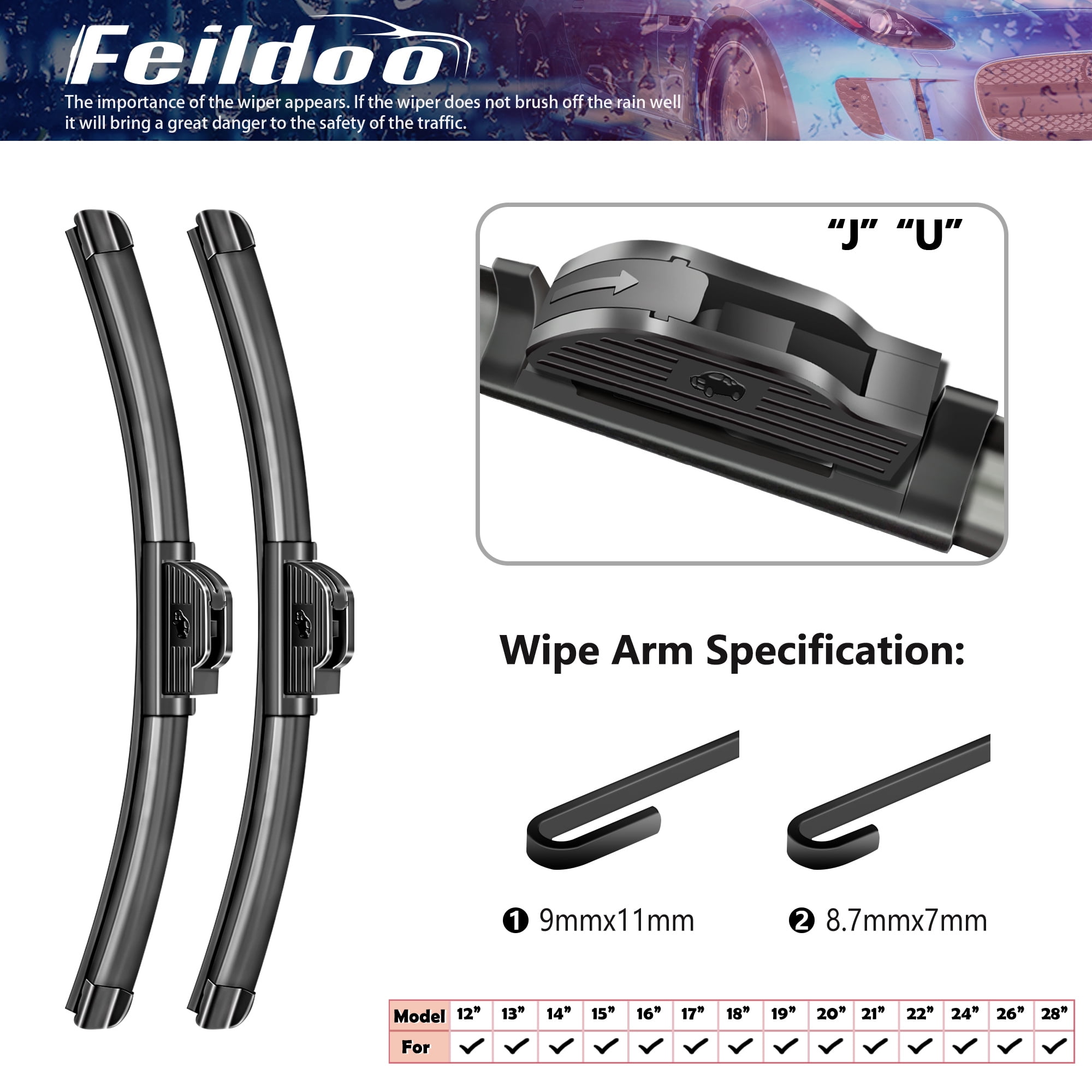
Most Hyundai Santa Fe models use a J-Hook (9x3 or 9x4) or a Push Button attachment. The process is straightforward but requires care to avoid damaging the windshield.
Step 1: Prepare the Windshield
Before starting, ensure your windshield is clean. If you are working on a 2024–2026 model with a hidden rear wiper, go to the vehicle's "Vehicle Settings" menu on the dashboard and look for "Wiper Service Mode." This will move the wipers to a vertical position so they can be lifted away from the glass.
Step 2: Protect the Glass
Critical Safety Tip: Once you remove the old blade, the bare metal wiper arm is under high spring tension. If it snaps back onto the windshield, it can crack the glass instantly. Always place a folded towel on the windshield directly under the wiper arm to act as a cushion.
Step 3: Remove the Old Blade
- For J-Hooks: Locate the small tab on the underside of the wiper connector. Press the tab and slide the blade downward toward the base of the arm.
- For Push Buttons: Press the square button on the top of the wiper arm and pull the blade away from the arm.
Step 4: Install the New Blade
Slide the new blade into the connector until you hear a distinct "click." This sound confirms the locking mechanism is engaged. Give the blade a firm tug to ensure it is secure.
Step 5: Test the System
Gently lower the arms back onto the glass. Turn on the ignition and test the wipers with washer fluid. Check for any streaking or unusual noises.
Common Signs It Is Time for New Wipers
Wiper blades are made of natural or synthetic rubber that degrades over time due to UV exposure, ozone, and friction. In 2026, many high-end blades include "wear indicators" that change color from black to yellow when the rubber has oxidized. Even without these indicators, watch for these signs:
- Streaking: This usually indicates the rubber has hardened or has small nicks caused by road debris or ice.
- Chattering/Squeaking: If the blade jumps across the glass rather than sliding smoothly, the rubber has likely "set" in one direction from being parked in the sun for too long.
- Frayed Edges: If the rubber strip is pulling away from the blade frame, it will no longer apply even pressure.
- Metal Corrosion: For conventional blades, any rust on the frame can cause the joints to seize, leaving large patches of the windshield untouched.
Frequently Asked Questions
Can I use a slightly different size wiper blade?
It is usually safe to go one inch smaller if the exact size is out of stock, but you should never go larger. A larger blade may hang over the edge of the windshield or collide with the other wiper arm, potentially blowing the wiper motor fuse or damaging the linkage.
Does the 2026 Hyundai Santa Fe require special rear wipers?
Yes. The 2024–2026 Santa Fe uses a specific rear wiper arm designed for the hidden spoiler housing. Standard "all-purpose" rear blades found at gas stations often do not fit. It is best to look for a 12-inch Roc Lock or specialized OE-fit rear blade.
How often should I replace my Hyundai wipers?
Most experts recommend replacement every 6 to 12 months. If you live in a region with extreme heat (which dries out rubber) or heavy winters (which tears rubber via ice), you should inspect them every time you change your oil.
Why are my new wipers streaking already?
If new blades are streaking, the culprit is often a film of oil, wax, or road grime on the glass itself. Clean the windshield thoroughly with a dedicated glass cleaner and wipe the edge of the new wiper blades with a paper towel dampened with rubbing alcohol.
Are silicone wiper blades worth the extra cost?
Silicone blades are more expensive than traditional halogen-hardened rubber, but they often last twice as long. They also leave a thin water-repellent layer on the glass as they work. For a premium SUV like the 2026 Santa Fe, silicone blades are a high-value upgrade.
Summary and Next Actions
Maintaining the correct wiper sizes for your Hyundai Santa Fe is a simple task that significantly impacts driving safety. For owners of the 2019–2026 models, sticking with high-quality beam blades in 26-inch and 16/18-inch sizes will provide the best performance.
Your next steps:
- Verify your model year and check the table above for your specific sizes.
- Inspect your rear wiper—this is the most commonly forgotten blade and is often in worse condition than the front.
- When purchasing, look for "Beam" or "Hybrid" technology to match the factory aerodynamics of the Santa Fe.
- Clean your windshield thoroughly before installing new blades to maximize their lifespan.
Image Gallery