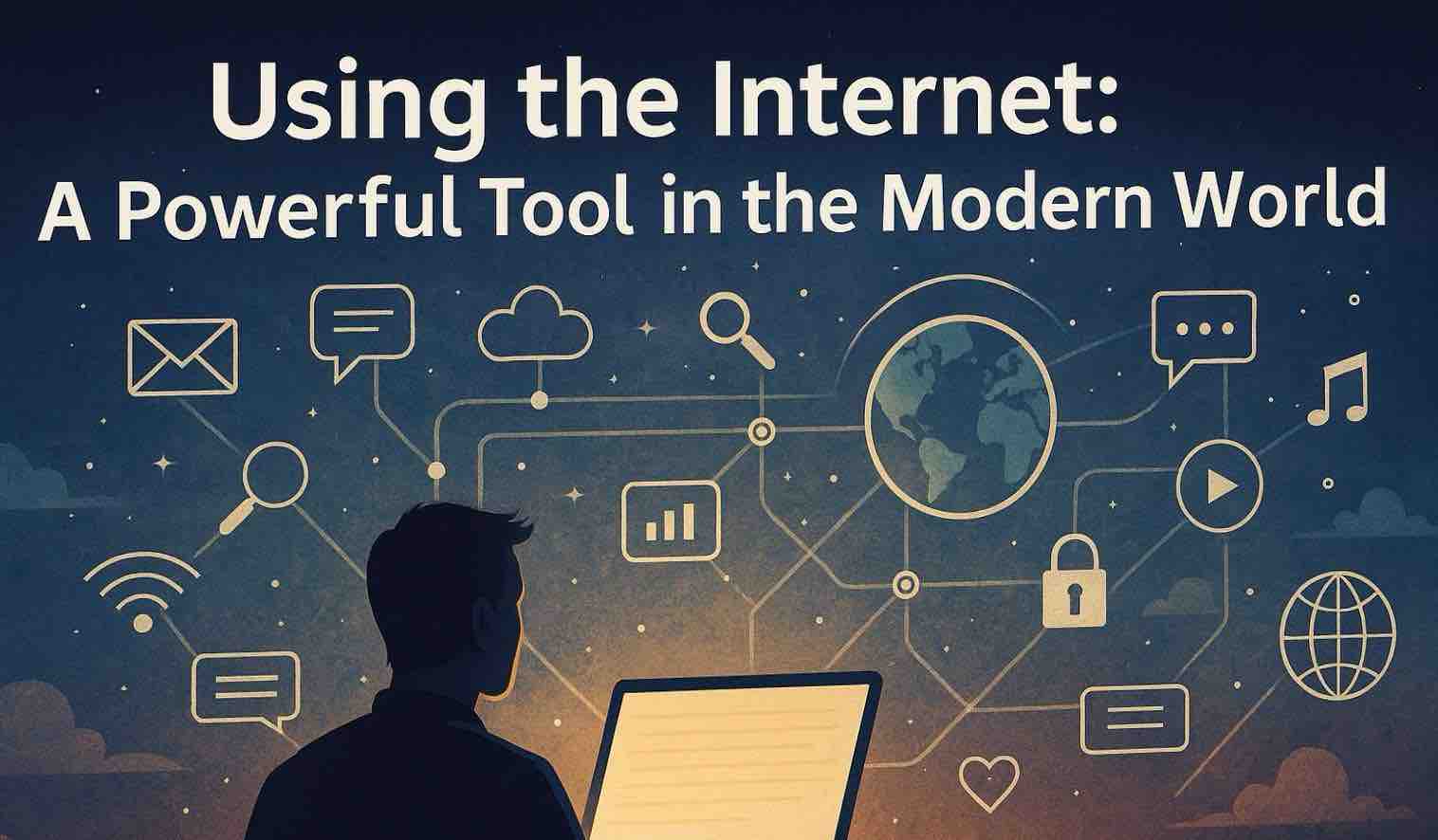
The Definition of the Internet for Modern Life
In 2026, the internet is defined as a universal, persistent digital environment that integrates global communication, economic infrastructure, and artificial intelligence into the physical world. It is no longer merely a collection of...
In 2026, the internet is defined as a universal, persistent digital environment that integrates global communication, economic infrastructure, and artificial intelligence into the physical world. It is no longer merely a collection of connected computers but a fundamental utility essential for participation in modern governance, commerce, and social existence.
Contents
The transition of the internet from a niche academic tool to the central nervous system of global civilization is complete. To understand the definition of the internet for modern life today, one must look beyond the technical protocols of the past and examine how connectivity has become synonymous with agency, opportunity, and identity.
The Evolution of the Internet’s Functional Definition
Historically, the internet was defined by its technical architecture: a "network of networks" using the Internet Protocol Suite (TCP/IP) to link devices worldwide. While this remains the underlying engineering reality, the functional definition for modern life has shifted toward ubiquity and integration.
In earlier decades, "going online" was a discrete activity. Users sat at a desk or looked at a handheld screen to access a separate digital realm. In 2026, the distinction between "online" and "offline" has largely evaporated. The internet is now an ambient layer of reality. Through the Internet of Things (IoT), wearable technology, and smart city infrastructure, the internet defines how we navigate physical spaces, manage our health, and interact with our environments.
This modern definition emphasizes interoperability. The internet is the medium through which disparate systems—from autonomous transport grids to decentralized finance (DeFi) protocols—communicate. It is the "connective tissue" that allows a smart thermostat in a home to react to energy grid fluctuations or a remote surgeon to operate via low-latency satellite links.
The Three Pillars of the Modern Internet
To define the internet in the current year, we must categorize its impact into three distinct pillars: Infrastructure, Intelligence, and Integration.
1. Infrastructure: The Invisible Utility
The internet is now classified by many international bodies, including the International Telecommunication Union (ITU), as a critical utility equivalent to water or electricity. The infrastructure of 2026 relies on a hybrid of terrestrial fiber optics, dense 5G/6G cellular arrays, and Low Earth Orbit (LEO) satellite constellations.
This infrastructure ensures that connectivity is no longer geographically tethered. The definition of the internet for modern life includes the expectation of "always-on" access, regardless of whether a user is in a metropolitan center or a remote rural area. This shift has redefined the workforce, making the "location-independent" professional a standard segment of the global economy.
2. Intelligence: The Generative Layer
By 2026, the internet is inextricably linked with Artificial Intelligence (AI). We no longer just search the internet; we interact with it through generative layers that synthesize information in real-time. The definition of the internet now includes its role as a massive, live database for Large Language Models (LLMs) and specialized AI agents.
This "Generative Web" means the internet is no longer a static library of pages. It is a dynamic, responsive intelligence that assists in decision-making, content creation, and automated problem-solving. For the modern user, the internet is their primary interface for cognitive assistance.
3. Integration: The Internet of Everything (IoE)
The internet has moved beyond screens. The definition now encompasses the Internet of Everything, where biological, mechanical, and digital entities are networked. This includes everything from smart medical implants that transmit vital signs to healthcare providers, to logistics chains where every individual package reports its own location and environmental conditions.
Comparative Evolution of Internet Capabilities
To visualize how the definition of the internet has changed, the following table compares the characteristics of the internet across different eras of development.
| Feature | Web 1.0 (1990s-2000s) | Web 2.0 (2010s-2020s) | Modern Internet (2026) |
|---|---|---|---|
| Primary Interface | Desktop Computers | Smartphones & Social Media | Wearables, AI Agents, IoT |
| User Role | Passive Consumer | Content Creator | Integrated Participant |
| Connectivity | Dial-up/Broadband | 4G/LTE (Mobile) | 5G/6G & Satellite Mesh |
| Data Flow | Static Pages | Dynamic/User-Generated | Real-time/AI-Synthesized |
| Economic Basis | Information Access | Attention & Advertising | Tokenized/Decentralized/Service |
| Availability | Location-Dependent | High (Urban focus) | Ubiquitous/Global |
The Internet as a Human Right and Social Necessity
The modern definition of the internet is increasingly a legal one. Governments worldwide have moved toward recognizing internet access as a prerequisite for exercising human rights. Without the internet, a citizen in 2026 is effectively barred from:
- Digital Governance: Accessing social services, voting in some jurisdictions, or renewing legal documentation.
- Economic Participation: Applying for jobs, managing banking through neo-banks, or participating in the gig economy.
- Education: Accessing the vast repositories of open-source knowledge and specialized accredited online learning platforms.
The United Nations has frequently emphasized that "disconnecting" people from the internet is a violation of international law. Therefore, the definition of the internet for modern life must include its status as a protected public square. It is the primary venue for free speech, political assembly, and cultural exchange.
Technical Foundations: IPv6 and Zero Trust
While the social definition has expanded, the technical requirements have become more rigorous. The modern internet relies heavily on IPv6 (Internet Protocol version 6) to accommodate the trillions of connected devices that IPv4 could not support.
Furthermore, the definition of internet security has moved to a Zero Trust Architecture. In 2026, the internet is defined by the assumption that no device or user is inherently "safe." Security is maintained through continuous verification and end-to-end encryption. For the modern user, this means that the internet is a space where identity verification (biometrics, hardware keys) is as fundamental as a physical passport.
Challenges to the Definition: Fragmentation and the "Splinternet"
It is impossible to define the internet today without addressing the concept of the "Splinternet." While the technical protocols are global, the experience of the internet is increasingly fractured by geopolitical boundaries.
- Regional Sovereignty: Different nations have established different rules for data residency, content moderation, and privacy (e.g., evolving iterations of the GDPR in Europe versus different models in Asia).
- Algorithmic Bubbles: The internet is often defined for the individual by the algorithms that curate their feed. Two people using "the internet" in the same room may see entirely different realities based on their data profiles.
Thus, the "definition" is no longer monolithic; it is a fragmented experience that depends on a user's location, their choice of platforms, and their digital literacy.
Impact on Personal Identity and Modern Life
For the individual, the internet is the primary repository of their Digital Identity. This includes professional history on platforms like LinkedIn, financial history on blockchain or traditional ledgers, and social history on various media.
The internet is where modern life is documented and validated. In many ways, the internet has become the "official record" of human activity. This has led to the rise of the "right to be forgotten" and other legal frameworks intended to give individuals control over their digital existence. The internet is no longer something we "use"—it is a space where we "are."
Common Misconceptions About the Internet Today
- The Internet is just "The Web": Many people confuse the World Wide Web (websites accessed via browsers) with the internet itself. The internet includes the web, but also the infrastructure for email, file transfers, VOIP, app-to-app communication, and the hidden layers of industrial data exchange.
- The Internet is "Cloud-Based": While much data lives in the cloud, the internet is physical. It consists of thousands of miles of undersea cables, massive data centers consuming megawatts of power, and physical hardware in our homes.
- The Internet is Free: Even if a service appears free, the definition of the modern internet involves a trade of data for service. The "cost" of the internet is often privacy rather than currency.
FAQs About the Internet in 2026
Is internet access considered a utility like water?
Yes, in many jurisdictions, the internet is legally classified as a "common carrier" or essential utility. This classification requires providers to offer non-discriminatory access and meet minimum service standards, recognizing that modern life cannot function effectively without reliable connectivity.
How does AI change the definition of the internet?
AI transforms the internet from a passive storage system into an active collaborator. Instead of manually searching for information, users interact with AI interfaces that can summarize, create, and execute tasks across multiple web platforms, making the internet more of a "personal assistant" than a library.
What is the role of satellite internet in 2026?
Satellite internet, particularly from LEO constellations, has eliminated most "dead zones." It provides a redundant layer of connectivity that ensures global coverage, which is vital for autonomous vehicles, remote research, and emergency communications during terrestrial outages.
What is the difference between the Internet of Things (IoT) and the modern internet?
The IoT is a subset of the modern internet. While the internet is the overarching network, the IoT refers specifically to the billions of physical objects—from refrigerators to industrial sensors—that are connected to that network to collect and exchange data without human intervention.
Can the internet be "turned off"?
Technically, there is no single "off switch" for the global internet because of its decentralized nature. However, individual nations can implement "kill switches" to cut off their citizens from the global network, an action that is increasingly viewed as a major human rights concern.
How has 6G influenced the internet's definition?
While 5G focused on mobile speed and IoT density, 6G (currently in early deployment and testing phases in 2026) aims for "hyper-connectivity," including sub-millisecond latency and the integration of terrestrial networks with satellite networks for seamless global coverage.
Practical Recommendations for Navigating the Modern Internet
To effectively engage with the internet as it exists in 2026, individuals and businesses should prioritize Digital Resilience. This involves maintaining multi-factor authentication across all accounts, utilizing encrypted communication tools, and developing a high level of digital literacy to distinguish between human-generated and AI-synthesized information.
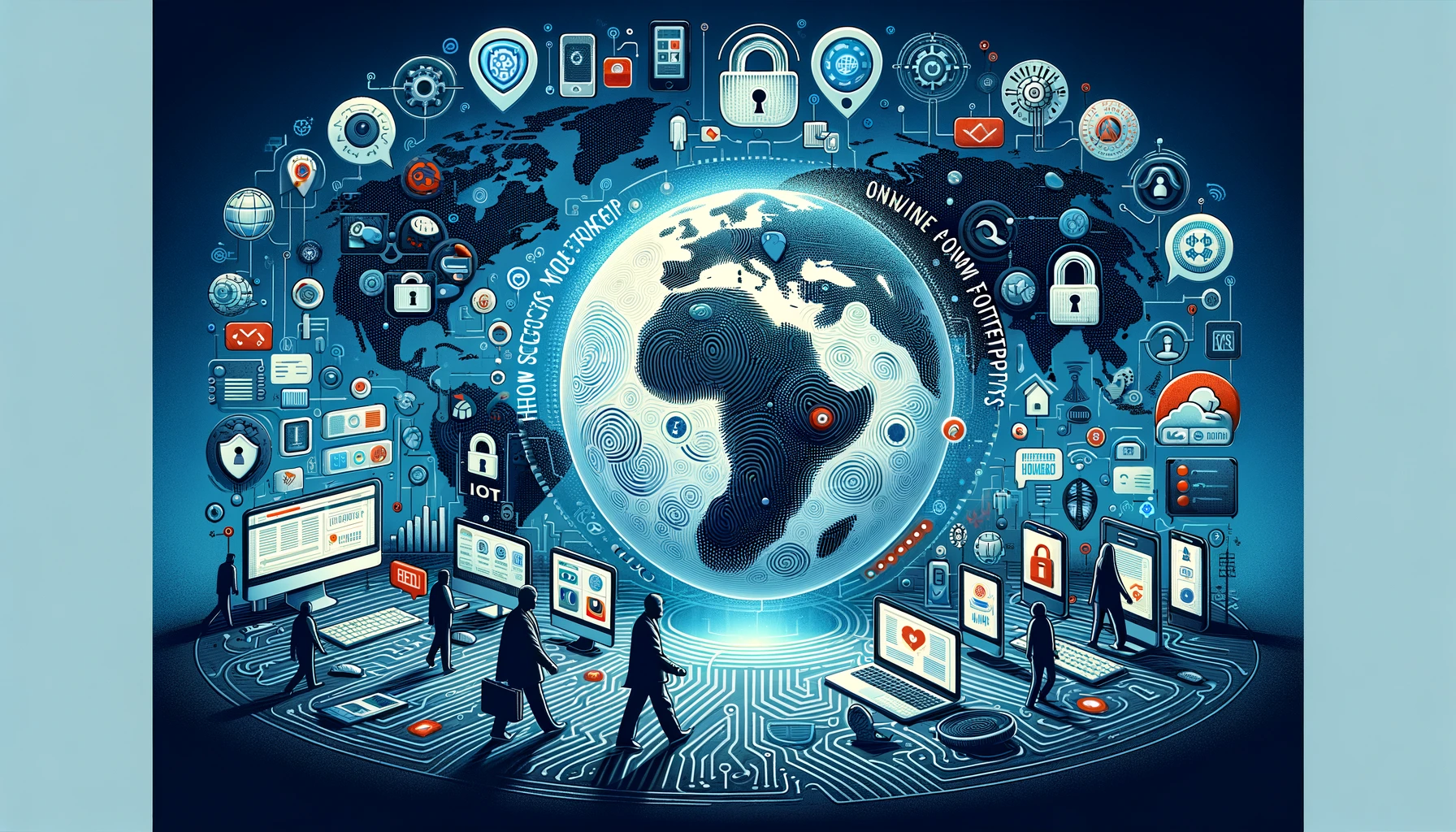
As the internet continues to evolve into a more immersive and integrated environment, the key to "modern life" is not just being connected, but understanding the protocols and platforms that govern that connection. Users should periodically audit their digital footprint and stay informed about data sovereignty laws in their specific region.
Image Gallery