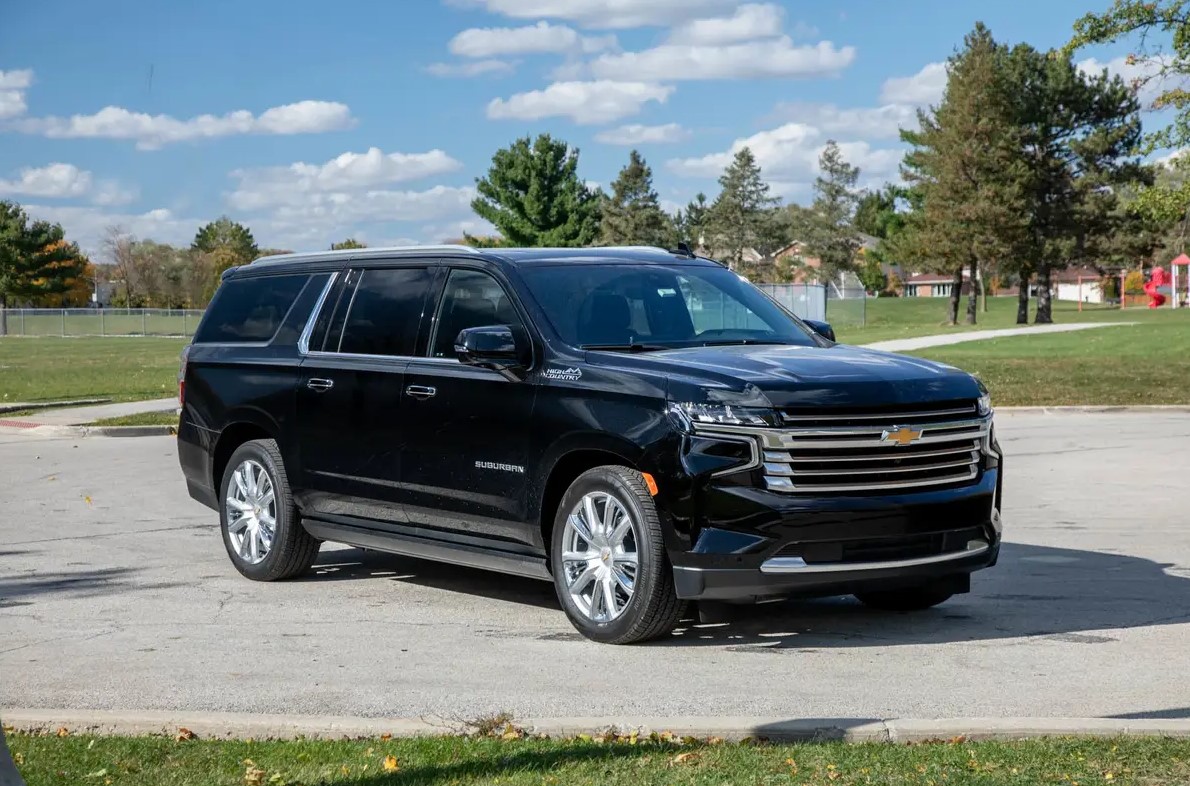
What the Suburban Trunk Dimensions Reveal: A Technical Analysis of Full-Size Utility
The dimensions of the Chevrolet Suburban trunk reveal a vehicle engineered to eliminate the compromise between passenger capacity and cargo volume. With approximately 41.5 cubic feet of space behind the third row and a maximum capacity...
The dimensions of the Chevrolet Suburban trunk reveal a vehicle engineered to eliminate the compromise between passenger capacity and cargo volume. With approximately 41.5 cubic feet of space behind the third row and a maximum capacity of 144.7 cubic feet, these measurements confirm the Suburban's status as the premier solution for high-occupancy hauling and professional utility in 2026.
Contents
The Architecture of Volume: Understanding the Numbers
To understand what the Suburban trunk dimensions reveal, one must first look at the raw data. As of 2026, the Chevrolet Suburban continues to lead the extended-wheelbase full-size SUV segment. The measurements provided by the manufacturer are not merely marketing figures; they represent a specific engineering achievement in spatial packaging.
For most vehicles, "trunk space" is a secondary consideration after passenger comfort. In the Suburban, the two are balanced through a massive 134.1-inch wheelbase. This architectural choice allows for a cargo floor that is significantly longer and flatter than its smaller sibling, the Tahoe, or its mid-size competitors.
Cargo Capacity by Configuration
When we analyze the dimensions row-by-row, a clear picture of the vehicle’s intended use emerges:
- Behind the Third Row: Approximately 41.5 cubic feet. This is the "reveal" that matters most to large families. While most SUVs offer negligible space when all seats are upright, the Suburban provides more room behind its back seat than many mid-sized sedans offer in their entire trunk.
- Behind the Second Row: Approximately 93.8 cubic feet. By folding the third-row seats—an action usually performed via power-release buttons in higher trims—the Suburban enters the territory of heavy-duty transport.
- Maximum Cargo Volume (Behind First Row): Approximately 144.7 cubic feet. With all rear seats stowed, the interior volume rivals that of a small commercial van.
What the Floor Width Reveals: The Plywood Test
A critical dimension often overlooked in standard spec sheets is the width between the rear wheel wells. In the 2026 Suburban, this measurement remains approximately 49 inches. This specific width is a deliberate engineering choice that reveals the vehicle's "hidden" identity as a work truck.
Because a standard sheet of plywood or drywall is 48 inches wide, the Suburban’s trunk dimensions reveal its ability to carry building materials flat on the floor. This capability differentiates it from "luxury-only" SUVs that may have high total volume but irregular floor shapes that prevent the transport of flat, wide cargo. For the weekend DIYer or the professional contractor, the trunk dimensions signify that this vehicle is more than a passenger carrier; it is a legitimate utility platform.
The Impact of Independent Rear Suspension (IRS)
The transition to Independent Rear Suspension (IRS) several years ago was a turning point for Suburban dimensions, and its effects are still the standard in 2026. Historically, full-size SUVs used live rear axles, which required a high floor to accommodate the moving parts of the suspension.
The current IRS design reveals two major improvements in the trunk:
- A Lower Load Floor: The removal of the bulky rear axle housing allowed engineers to drop the floor significantly. This lowers the "liftover height," making it easier to load heavy objects like coolers or furniture.
- Deep Footwells for Third-Row Passengers: While this article focuses on the trunk, the trunk's depth is what allows the third-row seats to sit lower while still offering a comfortable seating position. In older models, the "trunk" was shallow, and passengers sat with their knees in their chests. The 2026 dimensions reveal a refined synergy between floor depth and seat ergonomics.
Suburban vs. Tahoe: The 15-Inch Revelation
The primary question many buyers ask in 2026 is whether the Suburban is worth the extra length over the Tahoe. The trunk dimensions reveal the definitive answer. While the two vehicles share a similar front-end design and interior features, the Suburban is approximately 15 inches longer overall.
Those 15 inches are almost entirely dedicated to the area behind the C-pillar. In a Tahoe, the cargo space behind the third row is approximately 25.5 cubic feet. The Suburban’s 41.5 cubic feet represents a 60% increase in "all-seats-up" storage. This reveals that the Suburban is the necessary choice for any user who needs to transport more than five people while simultaneously carrying luggage, sports equipment, or groceries.
| Feature | 2026 Chevrolet Suburban | 2026 Chevrolet Tahoe | The "Reveal" |
|---|---|---|---|
| Length (Approx) | 225.7 inches | 210.7 inches | Suburban is 15" longer for cargo. |
| Cargo Behind 3rd Row | 41.5 cu. ft. | 25.5 cu. ft. | 62% more base storage in Suburban. |
| Max Cargo Volume | 144.7 cu. ft. | 122.9 cu. ft. | Suburban offers 21.8 cu. ft. more total space. |
| Wheelbase | 134.1 inches | 120.9 inches | Longer wheelbase improves high-speed stability. |
| Width (Wheel Wells) | ~49 inches | ~49 inches | Both accommodate 4x8 building sheets. |
Practical Implications of the Trunk Depth
The depth of the Suburban’s trunk—measured from the liftgate to the back of the third row—is approximately 38 inches at the floor level. This reveals a practical utility that smaller SUVs cannot match.
For example, a standard full-size stroller can typically be placed into the trunk longitudinally (pointing straight in) without needing to be turned sideways or folded into its smallest configuration. For professional transport services (Limo/Black Car), this depth reveals the ability to stack four to six "checked-size" suitcases upright, a feat that is impossible in nearly any other passenger vehicle.
Technology in the Cargo Area
In 2026, the dimensions of the Suburban trunk are complemented by integrated technology that reveals a focus on user-centric design. The cargo area is not just a hollow box; it is a managed environment.
- Cargo Management Systems: The trunk reveals adjustable rail systems and floor-mounted tie-downs that allow users to secure loose items. This is essential given the sheer volume; in a space this large, small items can slide significantly during transit.
- Power-Folding Efficiency: The speed at which the 60/40 split third row and the second row can be flattened (and raised) reveals a focus on rapid transitions between passenger and cargo modes.
- Under-Floor Storage: The dimensions also include a hidden compartment beneath the rear-most floor panel. This reveals a secure location for emergency kits, trailer hitches, or valuables that need to stay out of sight when the main trunk is full.
Comparing the Competition: The Ford Expedition MAX
The Suburban’s main rival in 2026 remains the Ford Expedition MAX. When we look at what these dimensions reveal in a head-to-head comparison, the Suburban typically holds a slight edge in maximum volume (144.7 cu. ft. vs. approximately 121–123 cu. ft. in the Ford).
This gap reveals that Chevrolet has prioritized cargo-floor length and interior height slightly more than Ford. While both vehicles are massive, the Suburban’s dimensions reveal it as the "volume king" of the segment, providing the absolute maximum amount of enclosed air space available in a non-commercial vehicle.
Operational Considerations and Limitations
Despite the impressive dimensions, the Suburban's trunk reveals certain operational challenges that owners must consider:
- Liftgate Clearance: The height of the open liftgate can reach nearly 8 feet. This reveals a need for high garage ceilings. Most Suburban models in 2026 include a programmable height limit for the power liftgate to prevent it from hitting low-hanging garage doors.
- Reach-In Distance: Because the trunk is so deep, reaching items that have rolled toward the back of the third row can be difficult for shorter individuals. This reveals why many owners opt for cargo organizers or "reach-sticks" to retrieve items without climbing into the vehicle.
- Payload Capacity: It is important to distinguish between volume and weight. While the dimensions reveal you can fit 144 cubic feet of mulch, the vehicle's Gross Vehicle Weight Rating (GVWR) dictates how much that cargo can actually weigh. Loading a Suburban to its volumetric maximum with heavy materials can exceed its suspension limits.
Summary of the Suburban’s "Spatial Identity"
The dimensions of the Suburban trunk reveal a vehicle that has moved beyond the status of a simple SUV to become a "mobile hub." Whether it is the 41.5 cubic feet of "daily" space or the 144.7 cubic feet of "utility" space, the measurements confirm that this vehicle is designed for those whose lives require the maximum possible footprint. It reveals a commitment to the "more is more" philosophy of American automotive engineering, providing a level of versatility that remains the benchmark for the 2026 model year.
Frequently Asked Questions
Can you fit a 4x8 sheet of plywood in a 2026 Suburban? Yes. The trunk dimensions reveal a width of approximately 49 inches between the wheel wells and sufficient length when the second and third rows are folded flat. However, the plywood will hang slightly over the center console or require the front seats to be moved forward if the liftgate is to be closed completely, as the floor length to the back of the first row is just under 100 inches.
How does the Suburban trunk compare to a Chevy Tahoe? The Suburban offers significantly more space, particularly when the third row is in use. The Suburban provides about 41.5 cubic feet behind the third row, whereas the Tahoe provides only 25.5 cubic feet. This 16-cubic-foot difference is roughly equivalent to the entire trunk of a large sedan.
What is the "liftover height" of the 2026 Suburban? The liftover height is the distance from the ground to the cargo floor. In the 2026 Suburban, this is approximately 31 to 34 inches, depending on whether the vehicle is equipped with the standard suspension or the Four-Corner Air Ride Adaptive Suspension. The air suspension can lower the vehicle to make loading easier.
Does the Suburban have a flat load floor? Yes, the dimensions and seating design reveal a nearly flat load floor when the second and third rows are folded. There are very minor gaps between the folded seat backs, but the surface is consistent enough for sliding large boxes or sleeping while camping.
Are the trunk dimensions different for the Suburban Diesel or Z71 models? The internal cargo dimensions remain identical across all powertrain and trim options, including the Duramax Diesel and the off-road-focused Z71. The only variation occurs in payload capacity (weight), not the physical volume of the trunk.
Practical Recommendation
If you are evaluating the Suburban for purchase in 2026, measure your garage depth first. While the trunk dimensions provide incredible utility, the 225.7-inch overall length means the vehicle requires a significant footprint. If your primary goal is carrying 7-8 passengers with their luggage for long-distance travel, the Suburban's 41.5 cubic feet of rear-row space makes it the only viable choice over the shorter Tahoe or other standard-wheelbase SUVs.
Image Gallery