Meaning, Suitability, and Practical Guide to Using "Wake Me Up When September Ends" at a Funeral
Choosing Green Day’s "Wake Me Up When September Ends" for a funeral service is a deeply personal way to honor a loved one, especially a father figure. The song was written as a tribute to Billie Joe Armstrong’s late father, making its...
Choosing Green Day’s "Wake Me Up When September Ends" for a funeral service is a deeply personal way to honor a loved one, especially a father figure. The song was written as a tribute to Billie Joe Armstrong’s late father, making its themes of enduring grief, the passage of time, and childhood loss universally resonant for mourners navigating their own bereavement.
Contents
The Origin and Real Meaning of the Song
To understand why "Wake Me Up When September Ends" has become such a staple in memorial services by 2026, one must look back at its deeply personal origins. While the song is often associated with broader cultural events, its heart lies in the private grief of Green Day’s frontman, Billie Joe Armstrong.
Billie Joe Armstrong’s Personal Loss
The song was written about Billie Joe’s father, Andrew Armstrong, who passed away from esophageal cancer in September 1982. At the time, Billie Joe was only ten years old. The title of the track itself is derived from a heartbreaking moment following the funeral: overwhelmed by grief, the young Billie Joe locked himself in his room. When his mother knocked on the door, his response was, "Wake me up when September ends."
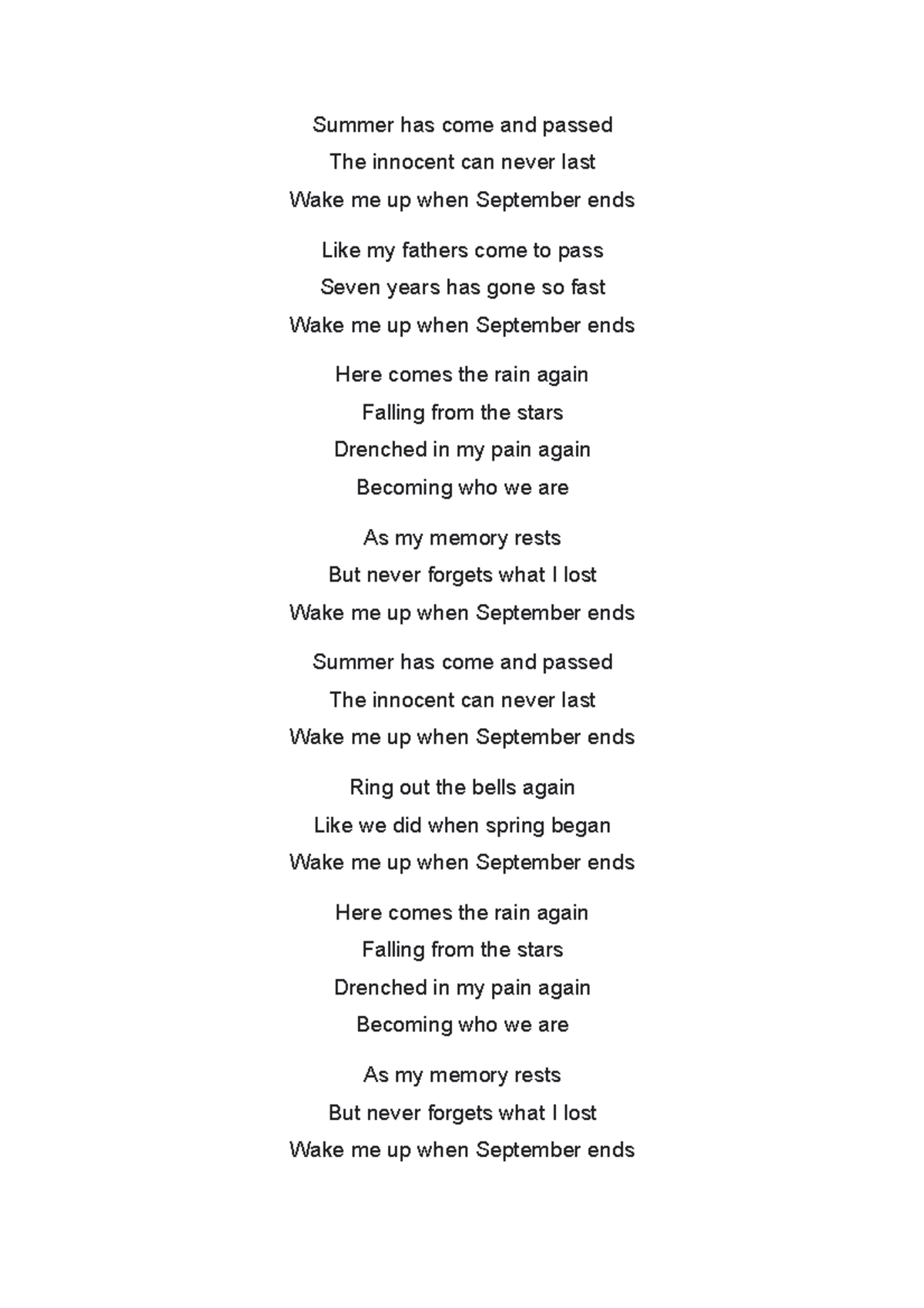
The lyrics "Seven years has gone so fast" and "Twenty years has gone so fast" are direct references to the time that had elapsed since his father's death at the points when the song was being written and recorded for the 2004 album American Idiot. By explicitly naming the month and the passage of years, the song moves away from abstract sadness and into the territory of lived, chronological mourning.
Debunking Cultural Misconceptions
Despite its personal origins, the song took on a life of its own in the mid-2000s. The music video, directed by Samuel Bayer, depicted a young couple torn apart by the Iraq War. This led many to believe the song was an anti-war anthem or a tribute to fallen soldiers. Furthermore, because the track was a major radio hit during the aftermath of Hurricane Katrina in 2005, it became an unofficial anthem for the victims of the disaster, which occurred in late August and early September.
While these associations are valid expressions of how art evolves, for the purposes of a funeral service, the original intent—the loss of a parent and the childhood trauma associated with it—remains the most poignant reason for its selection.
Why the Song is a Common Choice for Funerals
By 2026, "Wake Me Up When September Ends" has transitioned from a contemporary rock hit to a modern classic in the "memorial" genre. Several factors contribute to its enduring popularity in funeral homes and crematoriums worldwide.
Relatability of Long-Term Grief
Most "funeral songs" focus on the immediate shock of loss or the hope of an afterlife. This song is unique because it addresses the persistence of grief. It acknowledges that even decades later, certain times of the year (like September) can trigger a fresh sense of loss. For families who are holding a delayed memorial service or an anniversary of life ceremony, this theme of "time passing" is particularly fitting.
Musical Composition and Emotional Arcs
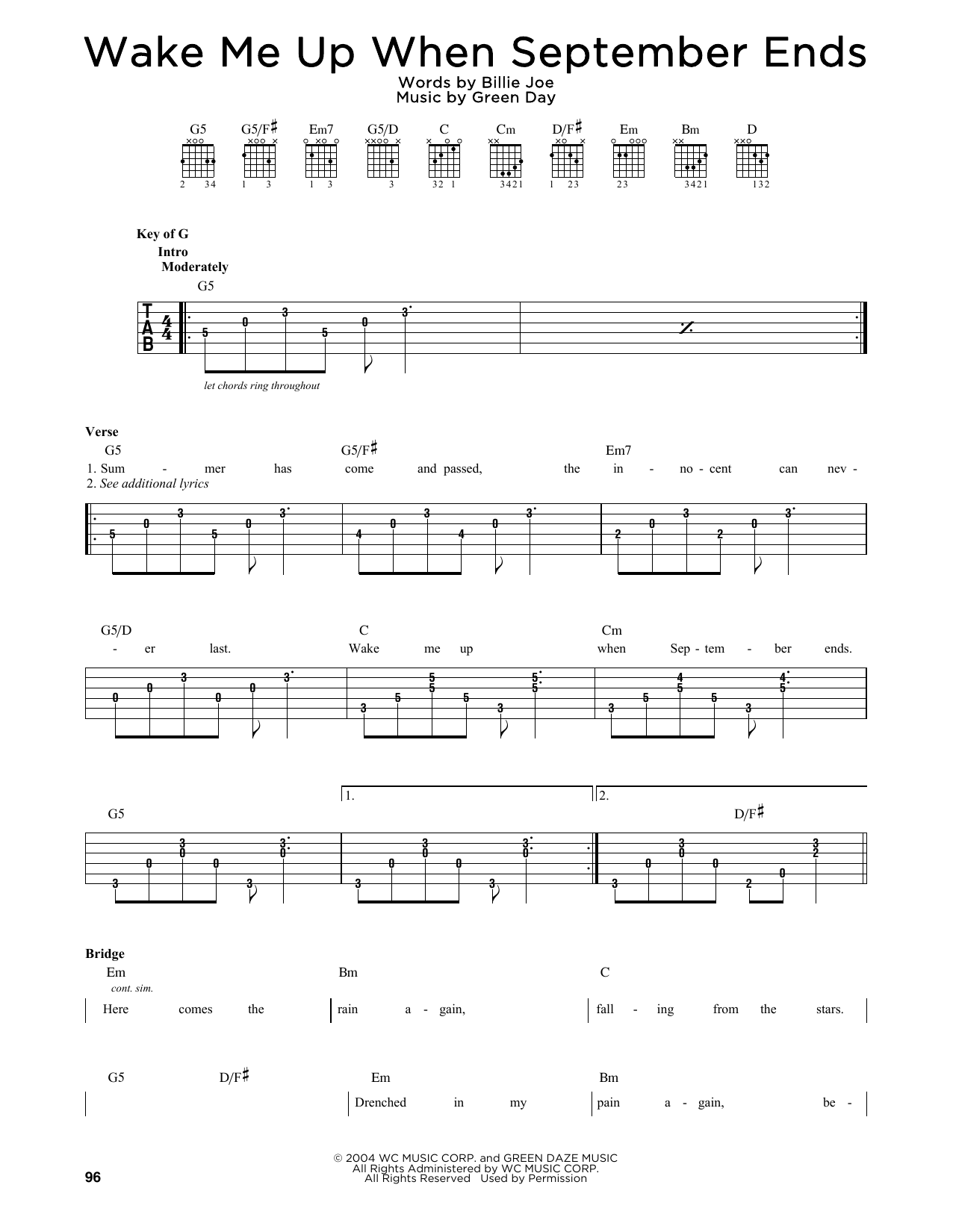
From a technical perspective, the song is structured perfectly for a service. It begins with a simple, clean acoustic guitar riff and soft vocals, creating a reflective atmosphere. As the song progresses, it builds into a full-band arrangement with driving drums and soaring guitars. This "crescendo" often mirrors the emotional journey of a funeral—beginning with quiet contemplation and moving toward a powerful, cathartic release of emotion.
Bridging the Generational Gap
In 2026, many of the people planning funerals are Gen X or Millennials who grew up with Green Day. Unlike traditional hymns, which may feel impersonal to some, this song represents the "soundtrack of a life" for those who reached adulthood in the 1990s and 2000s. It allows for a service that feels authentic to the deceased’s personality and musical tastes while still maintaining a respectful tone.
When is this Song Most Appropriate?
While music is subjective, "Wake Me Up When September Ends" fits specific funeral contexts better than others. Understanding these nuances can help you decide if it is the right choice for your service.
Funerals for Fathers and Mentors
Because the song was written for a father, it is an obvious and touching choice for the funeral of a patriarch. The lyrics "Like my father's come to pass" are literal and direct, leaving little ambiguity about the tribute being paid. It is a song about a son’s love and the void left by a father’s absence.
Memorials for the Young or Rebellious
For a loved one who had a bit of a "renegade" spirit or was a fan of the punk-rock subculture, a standard hymn like "Amazing Grace" might feel out of place. Green Day, despite their mainstream success, carries a legacy of counter-culture. Using this track can be a subtle nod to the deceased's identity and their refusal to conform to traditional norms.
Anniversary Services and "Celebration of Life" Events
The recurring nature of the lyrics makes this song ideal for services that are not held immediately after a death. If you are holding a "celebration of life" one year after a passing, the line "Wake me up when September ends" serves as a metaphor for wanting to bypass the painful anniversary and move toward healing.
Practical Considerations for the Service
Integrating a rock song into a funeral requires more logistical planning than a traditional organ piece. As a senior technical editor in the funeral planning space, I recommend considering the following operational details.
Audio Quality and Mastering
Funeral home sound systems vary significantly in quality. "Wake Me Up When September Ends" has a dynamic range that goes from very quiet to very loud.
- The Problem: If the volume is set for the quiet beginning, the loud bridge might startle elderly guests or distort the speakers.
- The Solution: Test the track in the specific venue beforehand. Ask the funeral director if they have a "normalized" version of the track or if they can manually adjust the fader during the louder sections.
Choosing the Right Version
The standard album version is 4 minutes and 45 seconds long. Depending on the "Order of Service," you may need a different edit.
| Version Type | Best Use Case | Pros | Cons |
|---|---|---|---|
| Original Album Version | Photo Slideshow | High emotional impact, builds intensity. | Can be too long for a simple exit. |
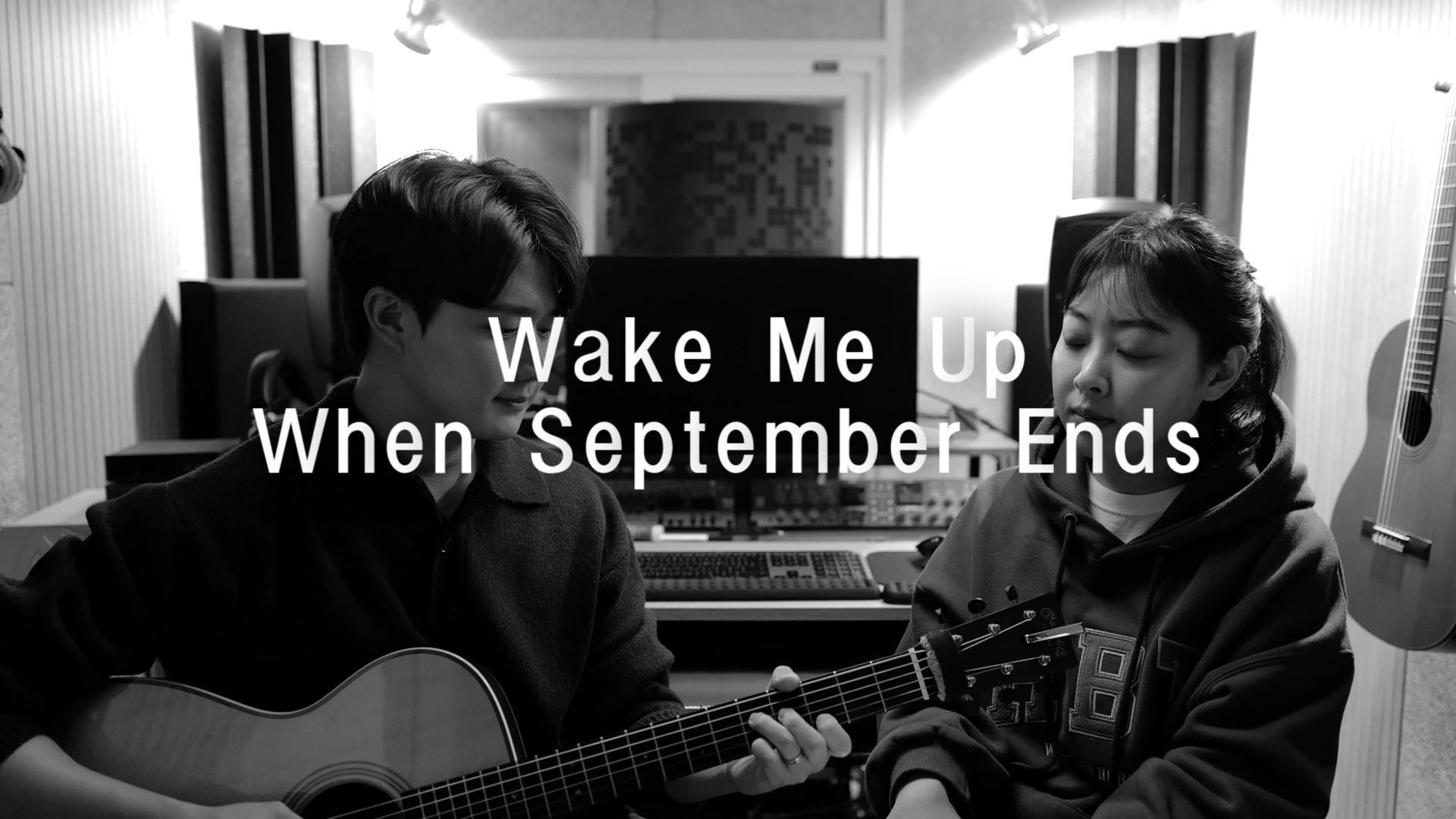
| Acoustic / Solo Version | Reflection Period | Intimate, gentle, less "rock" oriented. | Lacks the cathartic build-up. |
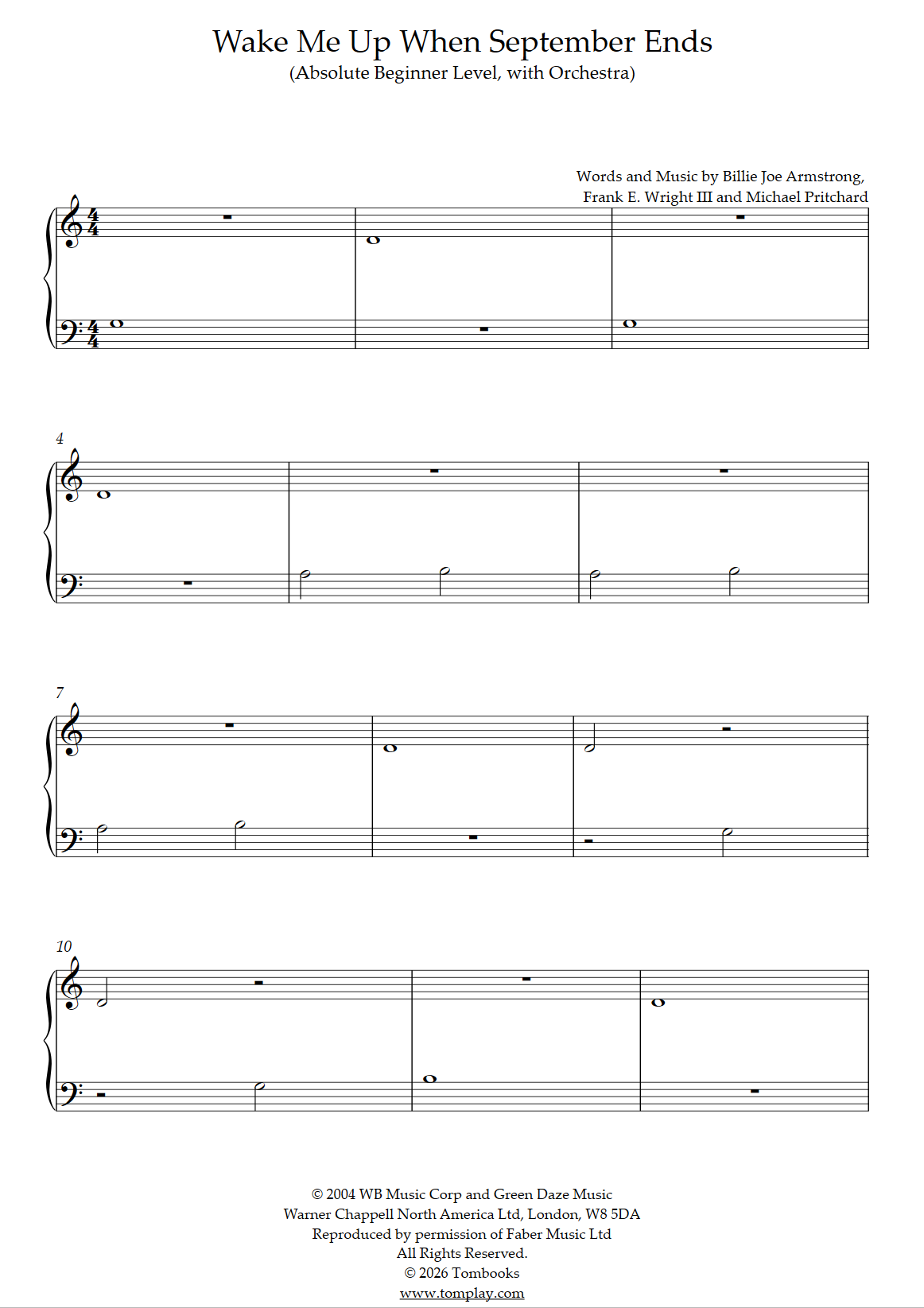
| Instrumental (Piano/Cello) | Prelude / Processional | Very respectful, avoids distracting lyrics. | May lose the specific meaning of the song. |
| Radio Edit | Recessional / Exit | Concise, gets to the point quickly. | Cuts out some of the atmospheric build. |
Placement in the Order of Service
The placement of the song dictates how people will perceive it.
- The Processional: Playing the acoustic intro as the family enters can set a solemn, modern tone.
- The Reflection: Playing the full song during a photo montage allows the audience to focus on the lyrics and the imagery of the deceased.
- The Recessional: Using the louder, full-band section as people exit the chapel provides a "celebratory" end, signaling strength and moving forward.
Licensing and Technical Requirements
In 2026, most funeral venues are equipped with digital playback systems, but legalities still apply.
- Public Performance Licenses: Ensure the funeral home or crematorium holds a valid license from organizations like BMI, ASCAP, or PRS (depending on your country). These licenses cover the public playing of copyrighted music.
- Streaming Services: If the funeral is being live-streamed for remote mourners, be aware that platforms like YouTube or Facebook may "mute" or "flag" the stream due to copyright algorithms when they detect a Green Day track. To avoid this, some families opt for a live musician to perform a cover, which is less likely to trigger automatic copyright strikes on video platforms.
- Format: Always provide the audio in a high-quality format (WAV or 320kbps MP3). Avoid using low-quality YouTube-to-MP3 rips, as the "hiss" will be amplified on professional sound systems.
Alternative Songs with Similar Themes
If "Wake Me Up When September Ends" doesn't feel exactly right, consider these alternatives that touch on similar themes of loss, fatherhood, and the passage of time:
- "Tears in Heaven" by Eric Clapton: A deeply personal song about the loss of a child and the hope of meeting again.
- "Fields of Gold" by Sting: Focuses on the beauty of a life lived and the memories that remain in the landscape.
- "Good Riddance (Time of Your Life)" by Green Day: If you want to stay within the Green Day catalog, this is a more nostalgic, less somber choice that focuses on the "turning points" in life.
- "Supermarket Flowers" by Ed Sheeran: Specifically written about the loss of a grandmother/mother, focusing on the domestic details of grief.
FAQ
Is "Wake Me Up When September Ends" too "loud" for a traditional funeral?
It can be, especially during the guitar solo and bridge. If the service is very traditional or the venue has sensitive acoustics, consider an acoustic cover or a piano instrumental version to maintain the meaning without the "heavy" rock production.
Can I use this song for a funeral that isn't in September?
Yes. While the lyrics mention September, the song is understood as a metaphor for the "season of grief." Mourners rarely take the month literally; they focus on the sentiment of missing a loved one and the difficulty of moving on.
Is it disrespectful to use a "punk rock" song in a church?
Most modern clergy are accustomed to contemporary music. However, it is always best to discuss the choice with your minister or priest beforehand. Since the lyrics are clean and the theme is honoring a parent, it is generally considered respectful.
Does the song mention God or the afterlife?
No. The song is secular. It focuses on the emotional and temporal reality of loss rather than spiritual themes. This makes it an excellent choice for non-religious or humanist services.
Final Recommendation
When planning a service in 2026, the goal is to create a moment that authentically reflects the life being honored. If your loved one was a fan of modern rock, or if you are specifically looking for a way to acknowledge the long-term impact of losing a father, "Wake Me Up When September Ends" is a powerful choice.
Next Step: Download a high-quality version of the track (either the original or an acoustic cover) and provide it to your funeral director at least 48 hours before the service. Request a sound check to ensure the volume levels transition smoothly from the quiet intro to the louder finale.
Image Gallery