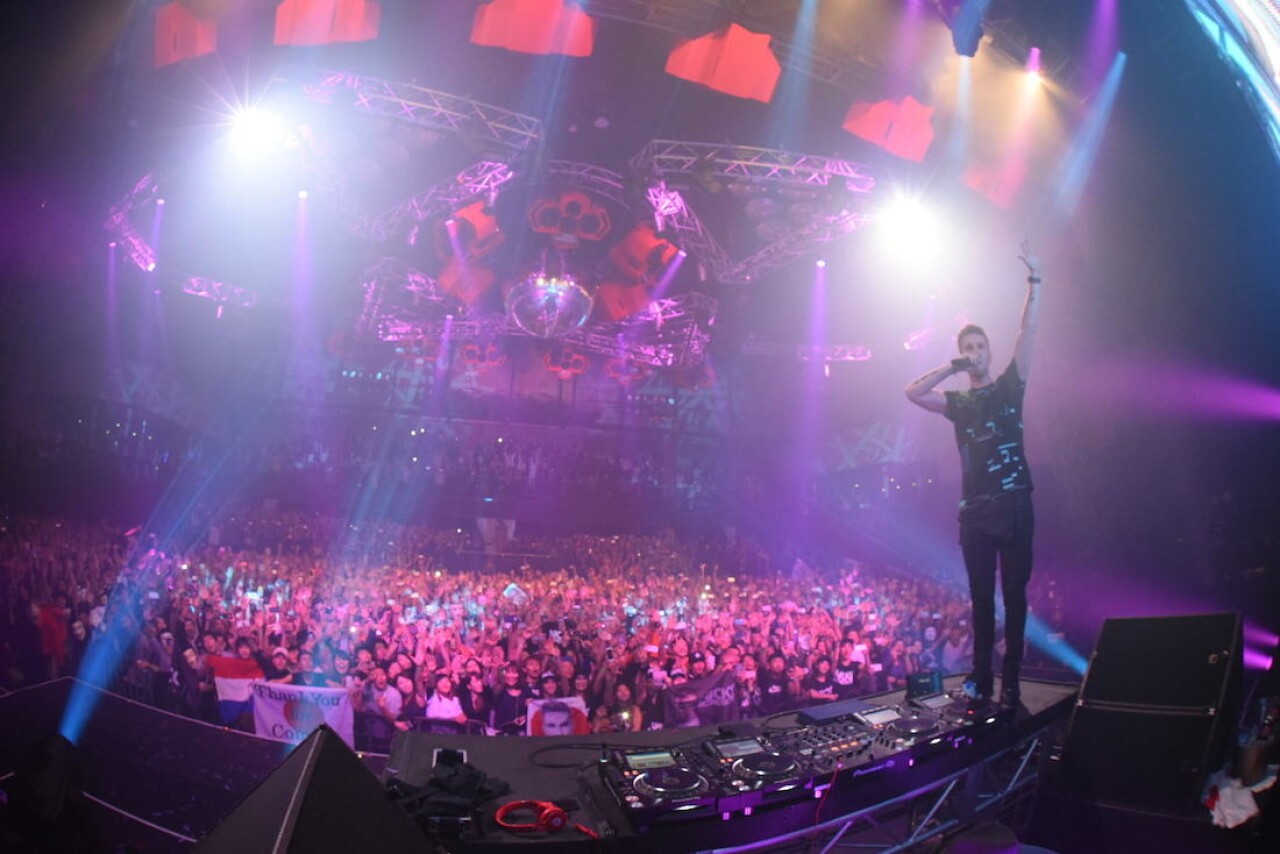
The Rise of Nicky Romero in Electronic Music: From Toulouse to Protocol Legacy
The rise of Nicky Romero in electronic music is defined by his transition from a teenage drummer to a global progressive house icon. Achieving breakthrough success with the viral hit "Toulouse" in 2012, he solidified his influence thro...
The rise of Nicky Romero in electronic music is defined by his transition from a teenage drummer to a global progressive house icon. Achieving breakthrough success with the viral hit "Toulouse" in 2012, he solidified his influence through the founding of Protocol Recordings and high-profile collaborations with artists like Avicii and David Guetta.
Contents
The Dutch Foundations and Early Musicality
Nick Rotteveel, known professionally as Nicky Romero, began his journey in Amerongen, Netherlands. Unlike many of his peers who started solely with digital synthesizers, Romero’s foundation was built on rhythm; he began as a drummer. This percussive background is a hallmark of his production style, characterized by driving, energetic drum patterns that provide the backbone for his melodic compositions.
By the late 2000s, Romero transitioned into the world of digital audio workstations (DAWs), specifically focusing on the Dutch house sound that was beginning to dominate the global club scene. His early releases on smaller labels like Once Records caught the attention of industry veterans. During this period, he developed a reputation for technical precision, often spending weeks perfecting a single synth lead or kick drum. This obsessive attention to detail allowed him to bridge the gap between the raw energy of "Dirty Dutch" and the more polished, atmospheric sounds of progressive house.
His early remixes for artists like Sidney Samson and Fedde Le Grand served as a proof of concept. These tracks demonstrated his ability to take a foundational idea and elevate it with modern production techniques. By 2010, the "Nicky Romero sound"—crisp, high-energy, and emotionally resonant—was beginning to resonate within the tight-knit circle of Dutch DJs who would soon take over the global airwaves.
The Viral Catalyst: The Era of "Toulouse"
The year 2012 marked a definitive turning point in electronic dance music (EDM) history, and Nicky Romero was at the center of it. The release of "Toulouse" was more than just a successful track; it was a cultural phenomenon. The song’s signature lead synth—a playful yet aggressive hook—became instantly recognizable in clubs and festivals worldwide.
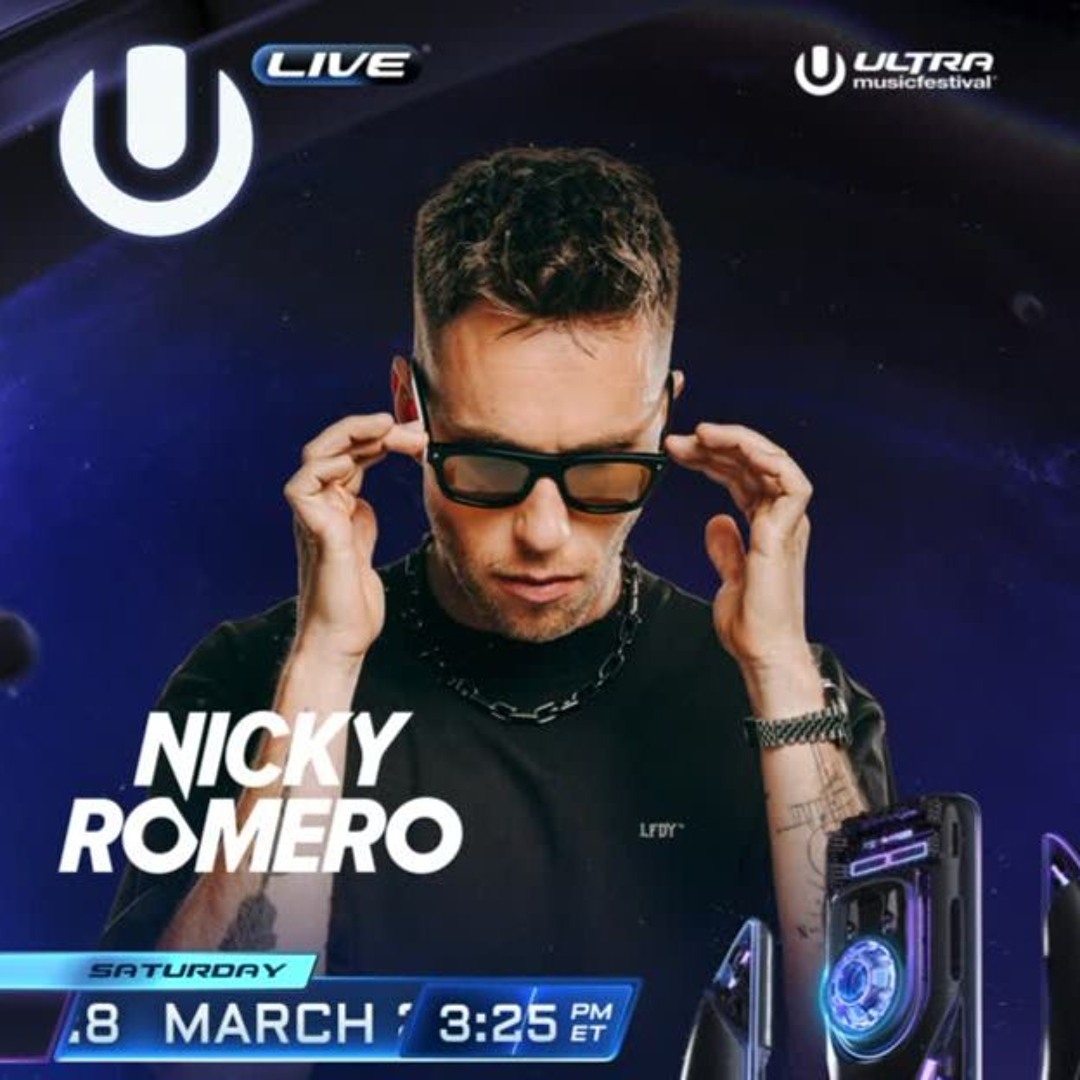
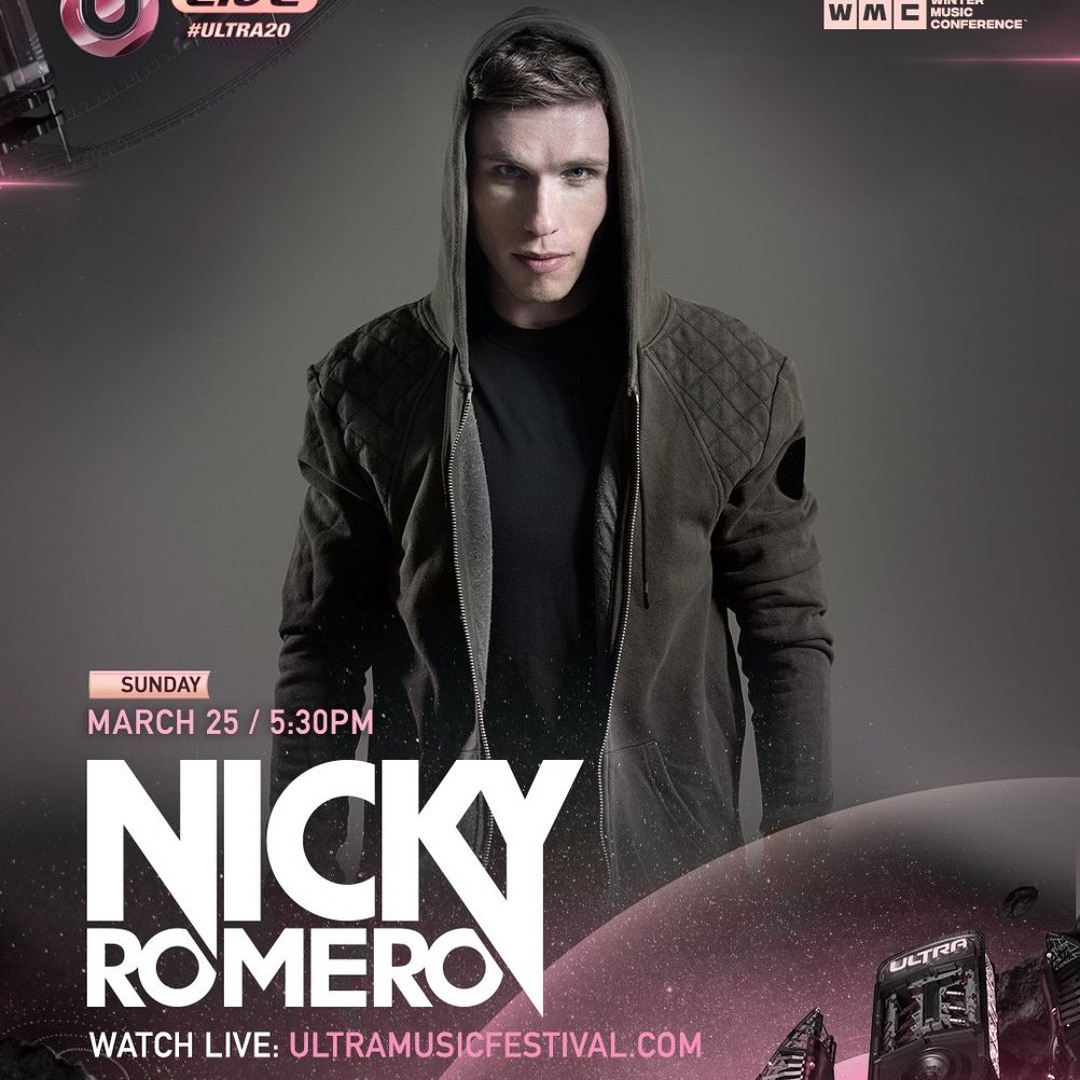
However, the "rise" was accelerated significantly by the music video, which featured actors in Guy Fawkes masks causing harmless mayhem throughout a city. This visual identity became inextricably linked with Romero’s brand. During his sets at major festivals like Ultra Music Festival and Tomorrowland, thousands of fans began wearing the masks, creating a visual spectacle that few other DJs could match.
"Toulouse" proved that Romero could create a "club banger" that also possessed mainstream crossover potential. It wasn't just about the beat; it was about the identity. The track stayed on the Beatport charts for months and served as a gateway for Romero to enter the upper echelons of the DJ Mag Top 100, where he would remain a staple for over a decade.
Collaborative Success and Chart Dominance
Following the success of "Toulouse," Romero entered a period of intense collaboration that expanded his reach into the pop world without sacrificing his electronic roots. The most significant of these was "I Could Be the One" with the late Swedish producer Avicii. Released in late 2012, the track reached number one on the UK Singles Chart and became a global anthem.
This collaboration was pivotal because it showcased Romero’s ability to work alongside other "A-list" producers to create something greater than the sum of its parts. The track balanced Avicii’s melodic genius with Romero’s powerful production and arrangement. This period also saw Romero working with David Guetta on "Metropolis" and "Wild One Two," and providing remixes for pop icons like Rihanna ("Right Now") and Britney Spears ("It Should Be Easy").
These projects were not merely commercial moves; they were technical exercises. Romero’s ability to maintain his signature sound while adapting to the requirements of radio-friendly pop music solidified his status as a versatile producer. He became the "producer’s producer," frequently sought after for his engineering skills and his knack for creating stadium-sized energy.
Establishing Protocol Recordings and the Brand Ecosystem
In 2012, Nicky Romero founded Protocol Recordings. This was a strategic move to ensure creative independence and to provide a platform for emerging talent. Protocol was never intended to be just a label; it was designed as a comprehensive brand ecosystem including a radio show, a talent scouting wing, and a touring concept.
Through Protocol, Romero has championed artists such as Don Diablo, Deniz Koyu, Stadiumx, and Raiden. The label’s philosophy focuses on "quality over quantity," a mantra that has allowed it to remain relevant even as trends in EDM have shifted from Big Room to Future House and beyond.
The label’s weekly radio show, Protocol Radio, reaches millions of listeners globally. It serves as a testing ground for new music and a direct line of communication between Romero and his fanbase. By 2026, the show has surpassed 700 episodes, remaining one of the most consistent and influential broadcasts in the electronic space. The brand’s "Protocol Lab" showcases at events like Amsterdam Dance Event (ADE) and Miami Music Week have become essential stops for industry professionals and fans alike.
Technical Influence: The Kickstart Revolution
One cannot discuss Nicky Romero’s rise without mentioning his contribution to the technical side of music production. Early in his career, Romero realized that many producers struggled with "sidechain compression"—the pumping effect that allows the kick drum to punch through the mix by momentarily lowering the volume of other tracks.
In collaboration with Cableguys, Romero released the Kickstart plugin. It became one of the most widely used tools in electronic music production due to its simplicity and effectiveness. By demystifying a complex engineering task, Romero empowered a new generation of bedroom producers.
His commitment to education didn't stop there. Romero has hosted numerous masterclasses and "behind the scenes" studio sessions. In these sessions, he often emphasizes the importance of subtractive EQ, layering synths to create "thickness," and the psychological impact of build-ups and drops. This transparency has earned him immense respect within the producer community, positioning him as a mentor rather than just a performer.
Evolution of Sound: From Mainstage to Monocule
By the late 2010s, the EDM landscape was shifting. The high-octane Big Room sound was being challenged by more underground, tech-focused influences. Romero responded not by abandoning his roots, but by evolving.
In 2020, he launched his alter-ego project, Monocule. This side project allowed him to explore darker, more melodic techno and tech-house sounds that didn't necessarily fit the "Nicky Romero" mainstage brand. Monocule tracks like "You Don't Know" and the "Redefine" EP series showed a more mature, atmospheric side of his production.
This dual-path approach has been instrumental in his longevity. As of 2026, Romero continues to headline major festivals with his signature progressive house sound, while Monocule provides a creative outlet for more experimental, club-oriented music. This versatility ensures that he remains relevant in both the massive festival circuit and the more intimate club scenes.
Nicky Romero in 2026: A Sustained Legacy
As we look at the landscape of electronic music in 2026, Nicky Romero stands as a veteran who has successfully navigated over 15 years of industry volatility. His career is no longer defined by a single "rise," but by sustained excellence and adaptation.
Protocol Recordings has expanded into a multi-faceted entertainment company, involving management and event production. Romero himself remains a top-tier global touring artist, with residencies in Las Vegas and frequent appearances at the world’s largest music festivals. His production output has not slowed, with 2025 seeing the release of his third studio album, which successfully blended his classic progressive melodies with contemporary techno-inspired rhythms.
| Milestone Year | Event / Release | Strategic Impact |
|---|---|---|
| 2012 | Release of "Toulouse" | Viral breakthrough; established visual brand (Guy Fawkes mask). |
| 2012 | Founding of Protocol Recordings | Created a platform for independent releases and talent scouting. |
| 2013 | "I Could Be the One" (w/ Avicii) | Achieved #1 UK Singles status; global mainstream recognition. |
| 2013 | DJ Mag Top 100 #7 | Peak ranking in the world's most recognized DJ poll. |
| 2015 | Release of "Kickstart" Plugin | Cemented his reputation as a technical innovator in production. |
| 2020 | Launch of "Monocule" | Diversified his sound profile to include tech-house and techno. |
| 2024 | "Legacy" World Tour | Celebrated 12 years of Protocol with sold-out arena shows. |
| 2026 | 700+ Episodes of Protocol Radio | Maintained one of the longest-running weekly EDM broadcasts. |
FAQ
What is Nicky Romero’s most famous song?
While he has many hits, "Toulouse" is widely considered his most famous song due to its viral impact and the iconic Guy Fawkes mask imagery. However, "I Could Be the One" with Avicii holds the record for his highest commercial and chart success, reaching number one in multiple countries.
How did Nicky Romero contribute to music production technology?
Romero collaborated with the software company Cableguys to create the "Kickstart" plugin. This tool simplified the process of sidechaining, making a professional-sounding "pumping" effect accessible to amateur and professional producers alike. He is also known for his extensive masterclasses on FL Studio.
What is the significance of the "Protocol" brand?
Protocol Recordings is the record label founded by Romero in 2012. It serves as a hub for his own music and a launchpad for new artists. The brand has expanded into "Protocol Radio" and "Protocol Events," making it one of the most recognizable "boutique" brands in the electronic music industry.
Why did Nicky Romero start the Monocule project?
Monocule was started in 2020 to explore deeper, darker, and more underground sounds like melodic techno and tech-house. It allowed Romero to release music that might not fit the high-energy "mainstage" expectations of his primary Nicky Romero brand.
Does Nicky Romero still perform in 2026?
Yes, in 2026, Nicky Romero remains a highly active touring artist. He continues to perform at major international festivals such as Tomorrowland, Ultra, and Electric Daisy Carnival (EDC), while maintaining club residencies in major dance music hubs like Las Vegas and Ibiza.
Final Recommendation
For those looking to follow in the footsteps of Nicky Romero, the key takeaway is the balance between technical mastery and brand building. Aspiring producers should focus on perfecting their craft within a DAW (like FL Studio or Ableton) while simultaneously developing a unique visual and sonic identity. Consistency is Romero's greatest asset; whether through his weekly radio show or his steady stream of releases, he remains at the forefront of the audience's mind. Exploring his "Protocol Lab" resources and studying his sidechaining techniques via the Kickstart plugin are excellent first steps for any electronic music enthusiast.
Image Gallery