10 Futon Bedroom Ideas to Maximize Space and Style in 2026
A futon bedroom layout prioritizes versatility, utilizing a convertible frame or a traditional Japanese mattress to transform a sleeping area into a functional living space. By choosing high-quality materials like high-density foam or...
A futon bedroom layout prioritizes versatility, utilizing a convertible frame or a traditional Japanese mattress to transform a sleeping area into a functional living space. By choosing high-quality materials like high-density foam or organic cotton and pairing them with strategic decor, you can create a sophisticated, space-efficient environment suitable for studios, guest rooms, or minimalist master bedrooms.
Contents
The Evolution of the Futon in Modern Interior Design
As we move through 2026, the perception of the futon has shifted from a budget college staple to a deliberate choice for sustainable and minimalist living. Modern futons fall into two primary categories: the traditional Japanese shikibuton (a floor mattress) and the Western-style convertible sofa-bed. Both offer unique advantages for bedroom design, particularly in urban environments where square footage is at a premium.
Designing a bedroom around a futon requires a balance between ergonomics and aesthetics. Unlike traditional stationary beds, futons demand a "breathable" environment to prevent moisture buildup and a layout that facilitates easy transition between sleeping and sitting modes. Whether you are looking for a permanent sleeping solution or a flexible guest arrangement, these ten ideas provide a technical and stylistic roadmap for your space.
1. The Traditional Japanese Zen Sanctuary
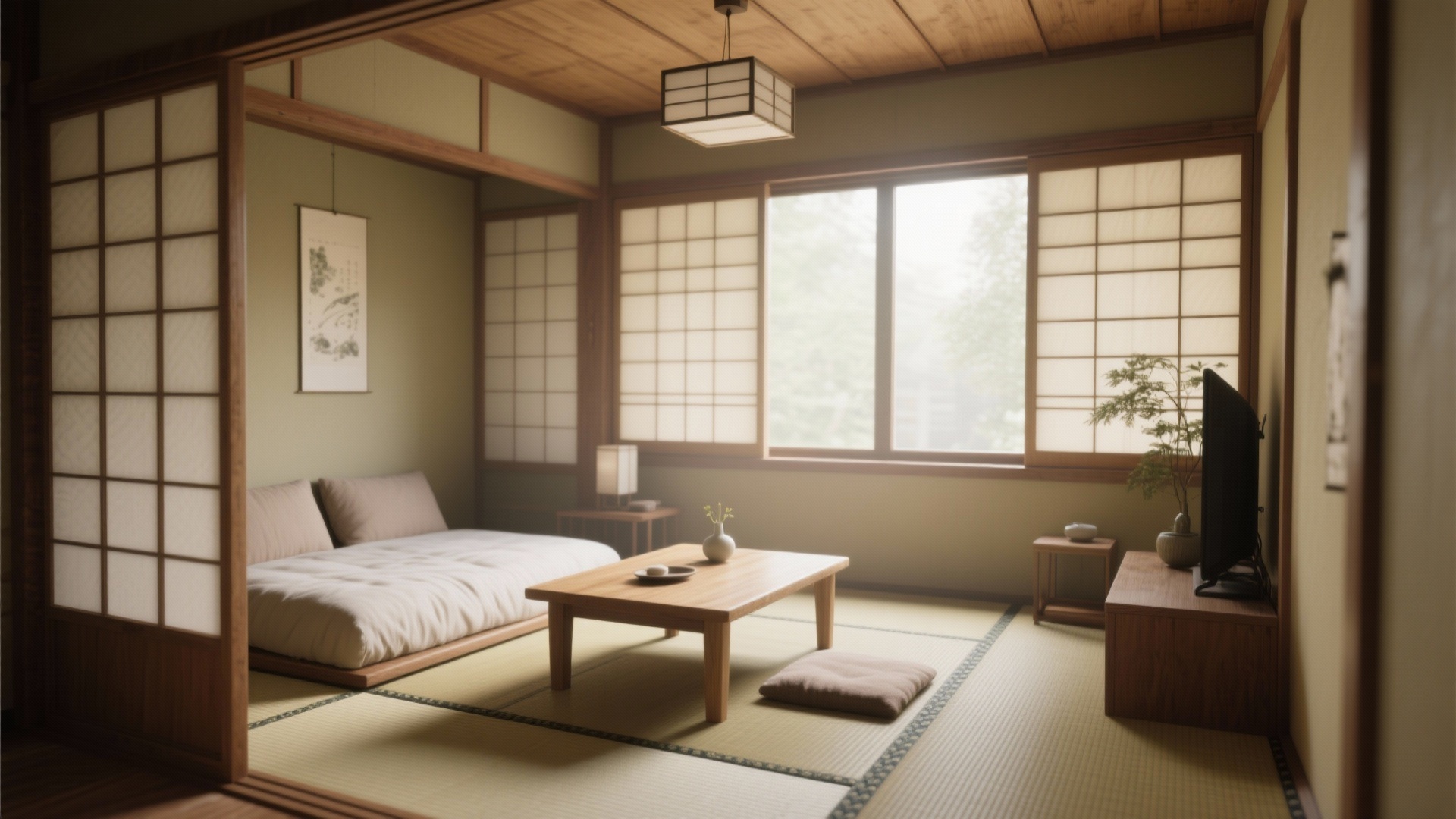
This approach utilizes the authentic shikibuton, a thin, cotton-filled mattress designed to be placed directly on the floor or on tatami mats. In 2026, this style is favored for its "zero-waste" appeal and orthopedic benefits. To execute this, use multiple tatami mats to create a designated "island" in the room. This provides the necessary ventilation for the mattress while defining the sleeping zone.
The aesthetic should remain minimalist. Use low-profile bedside lanterns (andon style) and neutral, earth-toned linens. The primary advantage here is that the bed can be folded and stored in a closet during the day, freeing up the entire floor for yoga, meditation, or office work.
2. The Mid-Century Modern "Wall-Hugger" Layout
For those who prefer a Western frame, the wall-hugger mechanism is a technical marvel. Unlike older frames that require you to pull the entire unit away from the wall to flatten it, wall-huggers slide forward within their own footprint.
Pair a walnut or teak wood frame with a tufted, charcoal-grey mattress. This creates a sophisticated look reminiscent of 1950s lounge furniture. To complete the "bedroom" feel, place a narrow console table behind the futon when it is in the sofa position. This serves as a headboard and a surface for lamps and books when the unit is converted into a bed.
3. The Industrial Studio Loft Integration
In an open-concept studio, a futon acts as a vital "anchor" piece. Choose a heavy-duty black steel frame with visible hardware to match an industrial aesthetic. To elevate the comfort level to a primary bed standard, opt for a hybrid futon mattress that combines pocketed coils with a layer of GOLS-certified organic latex.
To define the space, use a large, distressed area rug that extends at least 12 inches beyond the frame on all sides. This prevents the room from feeling like a transient space and gives the futon the presence of a permanent furniture piece.
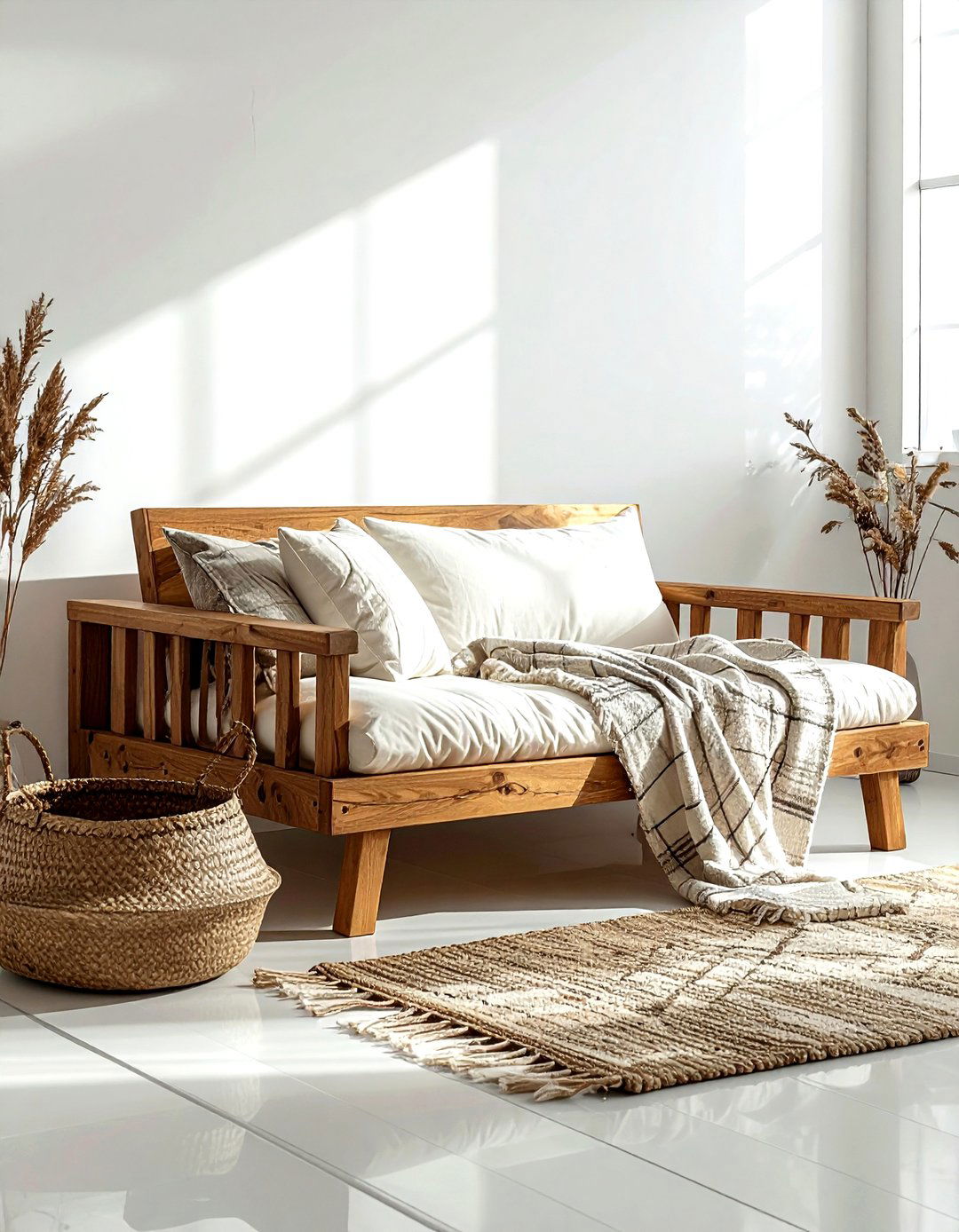
4. Scandinavian Hygge with Light Ash Wood
The Scandinavian approach focuses on light, air, and natural textures. Use a futon frame made of light ash or blonde oak. In 2026, many manufacturers are using water-based, low-VOC finishes that preserve the natural grain of the wood.
Cover the futon with a light-colored linen slipcover in oatmeal or sage green. Add layers of texture with a chunky wool throw and several oversized linen pillows. This setup works exceptionally well in small guest rooms, making the space feel bright and inviting rather than cramped.
5. The "Raised Platform" Minimalist Bed
If floor-sleeping isn't ideal for your mobility needs but you love the futon aesthetic, a low-profile platform frame is the solution. These frames are typically only 6 to 10 inches off the ground.
By using a high-quality 8-inch cotton and wool futon on a slatted platform, you ensure maximum airflow—crucial for preventing mold in high-humidity climates. This setup provides the firm support many back-pain sufferers seek while maintaining a sleek, modern silhouette that doesn't overwhelm a small bedroom.
6. The Multi-Functional Home Office Guest Suite
With the continued rise of hybrid work in 2026, the guest room must often double as a high-functioning office. A bi-fold futon frame is the most efficient choice here.
Position the futon perpendicular to your desk. During the day, it serves as a comfortable spot for reading or taking calls. To keep the room looking professional, use a custom-fitted cover that hides the "mattress" nature of the futon. When guests arrive, the transition takes less than 30 seconds. Look for frames with "zero-tolerance" hardware to ensure the transition is silent and smooth.
7. The Bohemian Floor-Seating Lounge
For a more relaxed, creative bedroom, skip the frame entirely and use a thick tri-fold memory foam futon. Layer several colorful Persian or Kilim rugs on the floor.
This layout is perfect for teenagers or young adults who want a "sunken" lounge feel. Use the futon as a low sofa against a wall covered in tapestries or a gallery wall. In 2026, high-density poly-foam cores are standard, providing enough support that you won't "bottom out" when sitting on the floor.
8. The Luxe Velvet Transformation
You can disguise a standard futon as a high-end designer piece by focusing on the upholstery. Velvet slipcovers in deep jewel tones—such as emerald, navy, or burgundy—give the futon a weight and "seriousness" that cotton duck covers lack.
To make this work in a bedroom, pair the velvet futon with metallic accents like brass floor lamps or silver-leafed side tables. This "glam" approach proves that a futon can be the centerpiece of a luxury primary bedroom if the materials are chosen carefully.
9. The Corner Nook Reading Retreat
If you have a large primary bedroom with an unused corner, a "chair-sized" futon (often called a snuggler futon) creates a perfect reading nook. These are wider than a standard chair but narrower than a twin bed.
Equip the nook with a swing-arm wall lamp and a small bookshelf. When you have an extra guest or just want a change of scenery for a nap, the chair unfolds into a single sleeper. This adds utility to a bedroom without the bulk of a second full-sized bed.
10. The Built-In Storage Solution
Modern futon frames in 2026 often feature integrated storage drawers (under-deck storage). This is a game-changer for small bedrooms where a dresser might not fit.
Choose a solid wood frame with rolling drawers that match the finish. This allows you to store bed linens, pillows, and seasonal clothing directly beneath the sleeping surface. When the futon is in the sofa position, the drawers are neatly tucked away, maintaining a clutter-free environment.
Technical Comparison of Futon Types
Choosing the right idea depends heavily on the technical specifications of the mattress and frame. The table below compares the two most common configurations available in 2026.
| Feature | Traditional Japanese Shikibuton | Western Convertible Futon |
|---|---|---|
| Primary Material | Layers of raw cotton / wool | Foam, Innersprings, or Hybrid |
| Typical Thickness | 3 to 5 inches | 6 to 10 inches |
| Support Base | Tatami mats or Hardwood floor | Slatted wood or metal frame |
| Portability | High (rolls up for storage) | Moderate (heavy frame, static) |
| Best For | Minimalists, Back sleepers | Guest rooms, Multi-use spaces |
| Maintenance | Requires frequent airing/sunlight | Needs seasonal rotating/flipping |
Maintenance and Care for Longevity
To ensure your futon bedroom remains a comfortable sanctuary, you must adhere to specific maintenance protocols. Futons are denser than standard mattresses and lack the internal airflow of a traditional box spring.
- The Flip and Rotate Rule: Western futon mattresses should be flipped and rotated every 3 months. This prevents "troughing," where the cotton or foam compresses permanently in the spot where you sit or sleep most often.
- Moisture Management: If using a floor-based shikibuton, you must prop it up or hang it to air out at least twice a week. In 2026, specialized "futon dryers" are available, but natural sunlight remains the most effective way to kill bacteria and refresh the fibers.
- Cleaning the Frame: For wooden frames, check the bolts annually. The "opening and closing" motion can loosen hardware over time, leading to squeaks or structural instability. Use a hex key to tighten all connections to ensure a silent sleep environment.
Frequently Asked Questions
Is a futon actually comfortable for every-night sleep?
Yes, provided you select a mattress with the correct density. For primary use, look for a "hybrid" mattress that contains at least 2 inches of high-density foam or pocketed coils. Traditional all-cotton futons provide a very firm surface, which is excellent for spinal alignment but may require an adjustment period for side sleepers.
How do I stop my futon mattress from slipping off the frame?
Slipping is a common issue with metal frames or smooth wood finishes. The most effective solution is a "grip pad" or a non-slip rug pad placed between the frame slats and the mattress. Some 2026 models now include "velcro-anchor" systems built directly into the mattress ticking.
What size is a standard futon?
In the Western market, most futons follow standard bed sizing: Twin (39" x 75"), Full (54" x 75"), and Queen (60" x 80"). However, "Full" is the most common size for convertible frames, as it provides a comfortable sofa height and width while still accommodating two sleepers when unfolded.
Can I put a regular mattress on a futon frame?
Generally, no. Regular mattresses are designed with a rigid structure that cannot bend. A futon frame requires a flexible mattress that can hinge at a 90-degree angle. Attempting to use a standard mattress will likely damage the mattress internal springs and could break the frame's hinge mechanism.
Recommendation for Next Actions
If you are ready to implement one of these ideas, start by measuring your room in both the "open" and "closed" positions. Many people forget to account for the clearance needed to walk around the futon when it is fully extended as a bed. Once you have your dimensions, prioritize the mattress quality over the frame's appearance. A high-quality GOTS-certified organic cotton or a high-density memory foam core will ensure that your futon bedroom is not just a stylish choice, but a comfortable one for years to come.
Image Gallery