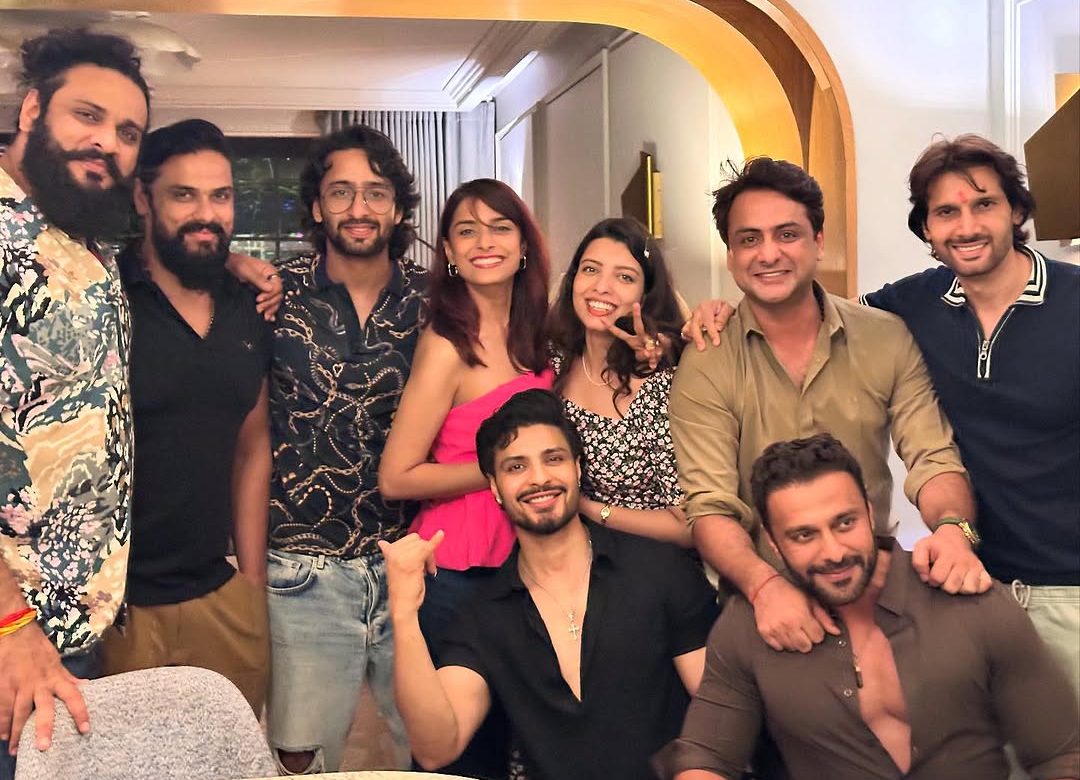
The Mahabharat Net Worth of Its Cast Explained
The net worth of the Mahabharat cast in 2026 reflects a diverse range of success, with veteran actors from the 1988 B.R. Chopra series holding assets between $2 million and $10 million (₹15–80 Crore), while stars of the 2013 remake, su...
The net worth of the Mahabharat cast in 2026 reflects a diverse range of success, with veteran actors from the 1988 B.R. Chopra series holding assets between $2 million and $10 million (₹15–80 Crore), while stars of the 2013 remake, such as Shaheer Sheikh, have seen their valuation climb to $4 million to $6 million through modern digital endorsements and global television syndication.
Contents
The epic saga of Mahabharat remains the most influential television event in Indian history. Whether discussing the 1988 B.R. Chopra masterpiece or the 2013 Siddharth Kumar Tewary production, the actors who portrayed these divine and mythological figures transformed their "God-like" status into long-term financial stability. In 2026, the financial standing of these actors is no longer just about their "per-episode" fees but a combination of political pensions, production houses, real estate investments, and digital royalties.
The Financial Evolution of the 1988 B.R. Chopra Cast
For the cast of the original 1988 series, the concept of "net worth" evolved significantly over four decades. During the initial filming, the pay scales were modest by modern standards, with lead actors earning a few thousand rupees per episode. However, the cultural capital they gained allowed them to pivot into high-paying sectors like politics, cinema, and international appearances.
Nitish Bharadwaj (Lord Krishna)
As of 2026, Nitish Bharadwaj remains one of the most respected figures in the industry. His net worth is estimated to be approximately $5 million to $7 million (₹40–55 Crore). Following his iconic role, Bharadwaj successfully transitioned into politics, serving as a Member of Parliament.
His financial portfolio is diversified through:
- Screenplay Writing and Direction: His work in Marathi and Hindi cinema.
- Stage Productions: High-value theatrical performances where he often reprises his philosophical persona.
- Consulting: Serving as a cultural advisor for mythological projects. His wealth is largely tied to ancestral real estate and consistent income from the regional film industry.
Mukesh Khanna (Bhishma Pitamah)
Mukesh Khanna’s financial trajectory was bolstered not just by Mahabharat but by his self-created superhero franchise, Shaktimaan. In 2026, his net worth is estimated at $3 million to $5 million.
Khanna’s wealth is managed through his production house, Bheeshm International. Over the last few years leading into 2026, the resurgence of the Shaktimaan IP through merchandise and digital streaming rights has provided a steady stream of passive income. Furthermore, his active presence on social media platforms and his acting academy have maintained his liquidity.
Roopa Ganguly (Draupadi)
Roopa Ganguly represents the most successful transition from acting to governance. In 2026, her net worth is estimated to be in the range of $4 million to $6 million. Her financial status is public record due to her tenure as a Member of Parliament (Rajya Sabha).
Her assets include:
- Governmental Remuneration: Salaries and lifelong pensions associated with her political service.
- Bengali Cinema Royalties: A prolific career in the Kolkata film industry that predates and follows Mahabharat.
- Real Estate: Significant holdings in Kolkata and Mumbai.
The Business of Mythology: Puneet Issar and Pankaj Dheer
The "antagonists" of the 1988 series, Puneet Issar (Duryodhana) and Pankaj Dheer (Karna), have built substantial wealth by leaning into their iconic roles rather than distancing themselves from them.
Puneet Issar
In 2026, Puneet Issar’s net worth stands at an estimated $3 million. Issar’s financial strength comes from his versatility as a director and a live performer. His play, Mahabharat: An Epic Tale, where he plays Duryodhana from a different perspective, has toured globally, commandingly high ticket prices and sponsorship deals. His physical fitness at an advanced age also made him a prime candidate for fitness brand endorsements targeting the "senior health" demographic in the early 2020s.
Pankaj Dheer
Pankaj Dheer’s net worth is estimated at $2.5 million to $4 million. Dheer established an acting academy and has been a constant fixture in Indian television soaps. His son, Nikitin Dheer, is also a successful actor, contributing to the family’s overall estate. Pankaj Dheer’s investments in a specialized acting school in Mumbai have appreciated significantly in value by 2026.
The 2013 Cast: Modern Stardom and Digital Wealth
The cast of the 2013 Mahabharat faced a different financial landscape. They benefited from the explosion of satellite TV rights, international dubbing in over 30 countries, and the rise of Instagram as a primary revenue stream.
Shaheer Sheikh (Arjuna)
Shaheer Sheikh is arguably the wealthiest of the 2013 cast members in 2026, with an estimated net worth of $6 million (₹50 Crore). Unlike his predecessors, Sheikh’s wealth is driven by:
- International Popularity: A massive fan base in Indonesia and South Asia, leading to high-paying overseas acting gigs and brand ambassadorships.
- Digital Influence: With millions of followers, his per-post fee for lifestyle and fashion brands is among the highest for TV actors.
- Lead Roles in Modern TV: Continuous work in top-rated fiction shows.
Saurabh Raj Jain (Lord Krishna)
Saurabh Raj Jain, who played Krishna in the 2013 version, has a net worth estimated at $2 million to $3 million. While he has not pursued the same level of commercial brand intensity as Sheikh, his consistency in the "divine" genre and his work as a voice-over artist for major documentaries and animated series have secured his financial position.
Comparative Net Worth Analysis (Estimated 2026)
The following table compares the estimated net worth and primary wealth drivers for the most prominent cast members of both iconic versions of the epic.
| Actor | Role | Version | Estimated Net Worth (2026) | Primary Income Source |
|---|---|---|---|---|
| Nitish Bharadwaj | Krishna | 1988 | $6 Million | Acting, Politics, Direction |
| Shaheer Sheikh | Arjuna | 2013 | $6 Million | TV Leads, Digital Ads, International Gigs |
| Roopa Ganguly | Draupadi | 1988 | $5 Million | Politics, Bengali Cinema, Real Estate |
| Mukesh Khanna | Bhishma | 1988 | $4 Million | Production House, IP Rights (Shaktimaan) |
| Puneet Issar | Duryodhana | 1988 | $3 Million | Live Theater, Directing, Acting |
| Saurabh Raj Jain | Krishna | 2013 | $2.5 Million | Television, Voice-over, Reality TV |
| Pankaj Dheer | Karna | 1988 | $3 Million | Acting Academy, Television |
| Pooja Sharma | Draupadi | 2013 | $1.5 Million | Modeling, TV, Social Media |
Factors Influencing These Valuations
The "Mahabharat effect" is a unique financial phenomenon in the Indian entertainment industry. Several factors have contributed to the sustained net worth of these actors through 2026:
- Syndication and Royalties: While the 1988 cast did not have modern royalty contracts, the 2013 cast benefited from better-structured deals regarding international distribution.
- The "Divine" Premium: Actors who played Krishna or Bhishma often find themselves as chief guests at religious and cultural events. These appearances command significant "honorarium" fees that can range from $5,000 to $20,000 per event.
- Political Transitions: In India, the popularity of Mahabharat characters often serves as a springboard into politics. Political careers offer not just salary but also significant networking opportunities that influence personal business ventures and real estate acquisitions.
- Legacy Brand Endorsements: In the 2020s, nostalgia-based marketing became a dominant trend. The 1988 cast was frequently hired for "reunion" ads for insurance, health supplements, and banking services, providing a late-career surge in liquidity.
Frequently Asked Questions
Who is the richest actor from the 1988 Mahabharat cast?
As of 2026, Nitish Bharadwaj and Roopa Ganguly are considered the wealthiest. Their high net worth is a result of their long-standing careers in regional cinema combined with their successful stints in national politics and strategic real estate investments.
How much did the actors get paid per episode in 1988?
While official figures were rarely disclosed, reports suggest that lead actors like Nitish Bharadwaj and Mukesh Khanna earned between ₹3,000 and ₹5,000 per episode. While this seems low today, it was a significant sum in the late 1980s, especially given the show's 94-episode run.
Is the 2013 Mahabharat cast wealthier than the 1988 cast?
On average, the 2013 cast has higher liquid assets due to the massive inflation in television salaries and the advent of social media revenue. However, the 1988 cast holds more "generational wealth" in the form of property and established business empires.
How has the death of Praveen Kumar Sobti (Bheem) affected the legacy?
Praveen Kumar Sobti, who played Bheem, passed away in February 2022. At the time of his passing, he was a former athlete and BSF soldier with a stable pension and modest assets. His legacy continues through his family, but he remained one of the more humble members of the cast in terms of financial accumulation, focusing more on sports and public service.
Does the cast still receive royalties from the show?
For the 1988 version, most actors do not receive traditional royalties due to the contracts of that era. However, for the 2013 version, modern SAG-AFTRA-style contracts were not fully in place in India, so most income for the actors comes from the initial contract and the subsequent fame it generated, rather than direct checks for every rerun on Disney+ Hotstar or Star Plus.
Final Recommendation for Fans and Researchers
To truly understand the financial footprint of the Mahabharat cast, one must look beyond their acting fees. The real wealth was built through the monetization of their public image. If you are following the career of these actors in 2026, focus on their production ventures and digital platforms. For those looking to invest in the media sector, the enduring value of these mythological IPs proves that "content is king," and the actors associated with these roles will likely remain financially relevant for the rest of their lives.
Image Gallery