Dan Fouts Retired in 1988: Examining the Career, Legacy, and Final Season of a Hall of Fame Quarterback
Dan Fouts retired in 1988 after a legendary 15-year career spent entirely with the San Diego Chargers, leaving the game as one of the most prolific and accomplished passing quarterbacks in National Football League history. His departur...
Dan Fouts retired in 1988 after a legendary 15-year career spent entirely with the San Diego Chargers, leaving the game as one of the most prolific and accomplished passing quarterbacks in National Football League history. His departure marked the end of an era for the franchise and closed the book on a career that fundamentally changed how professional football teams approached the passing game.
Contents
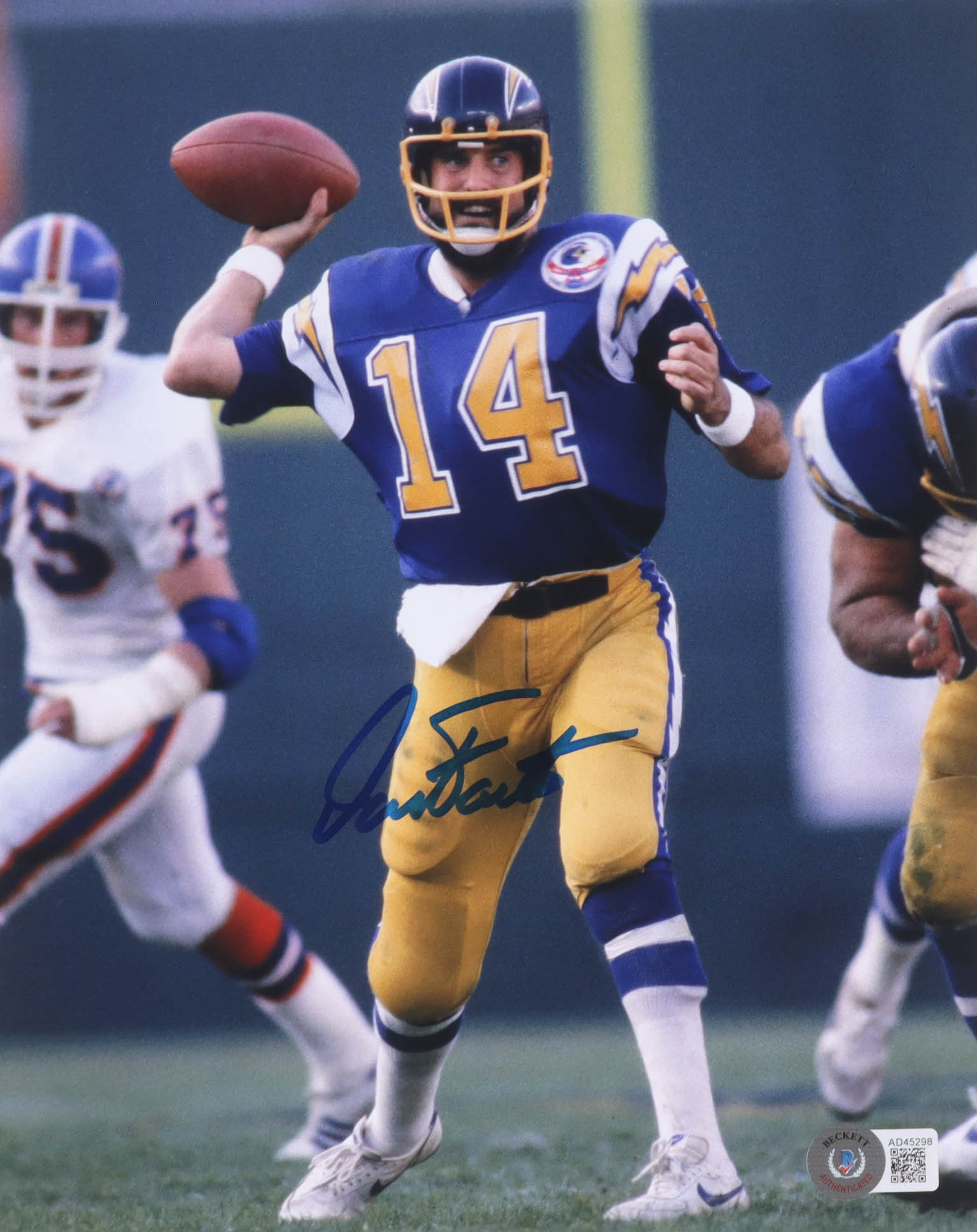
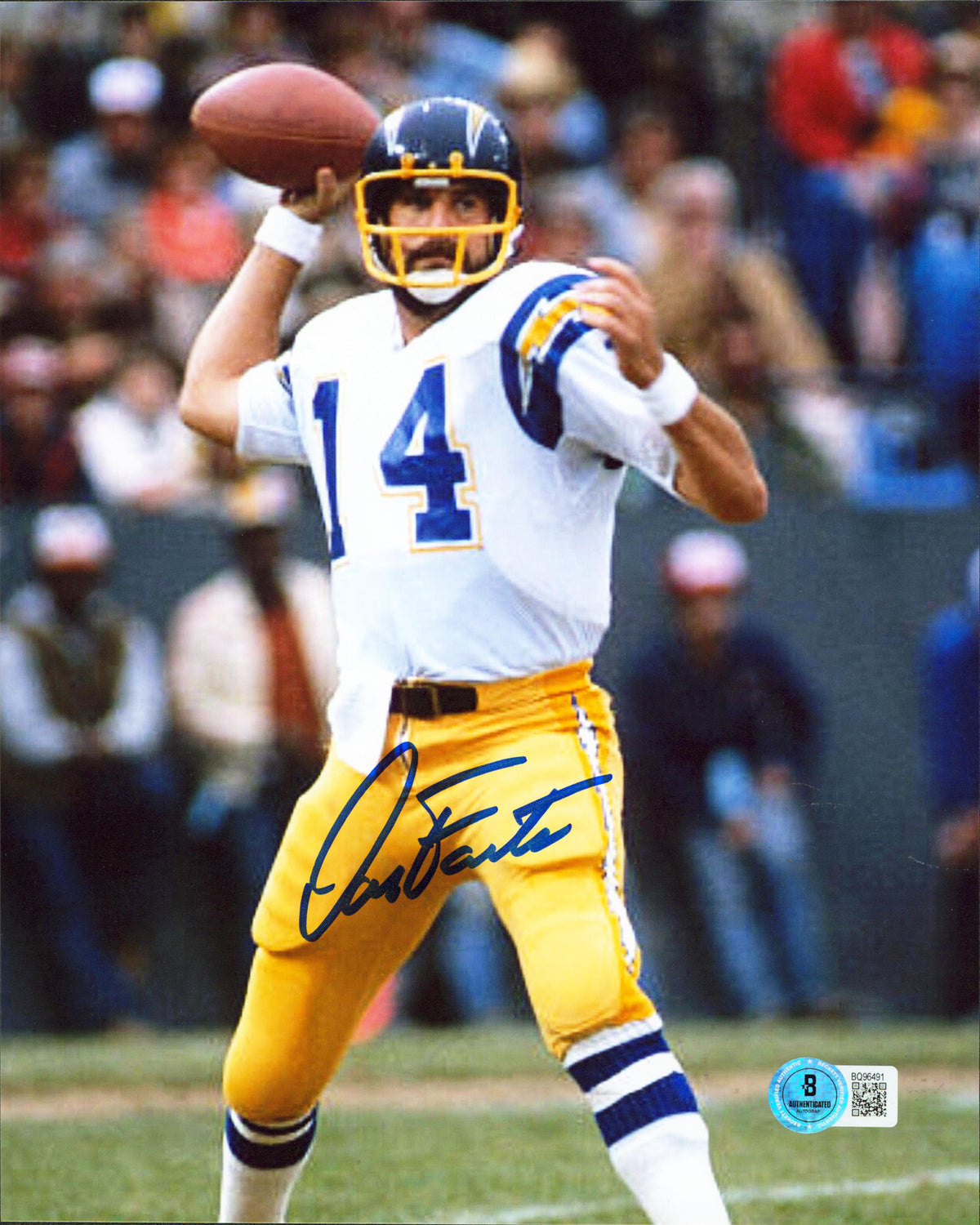
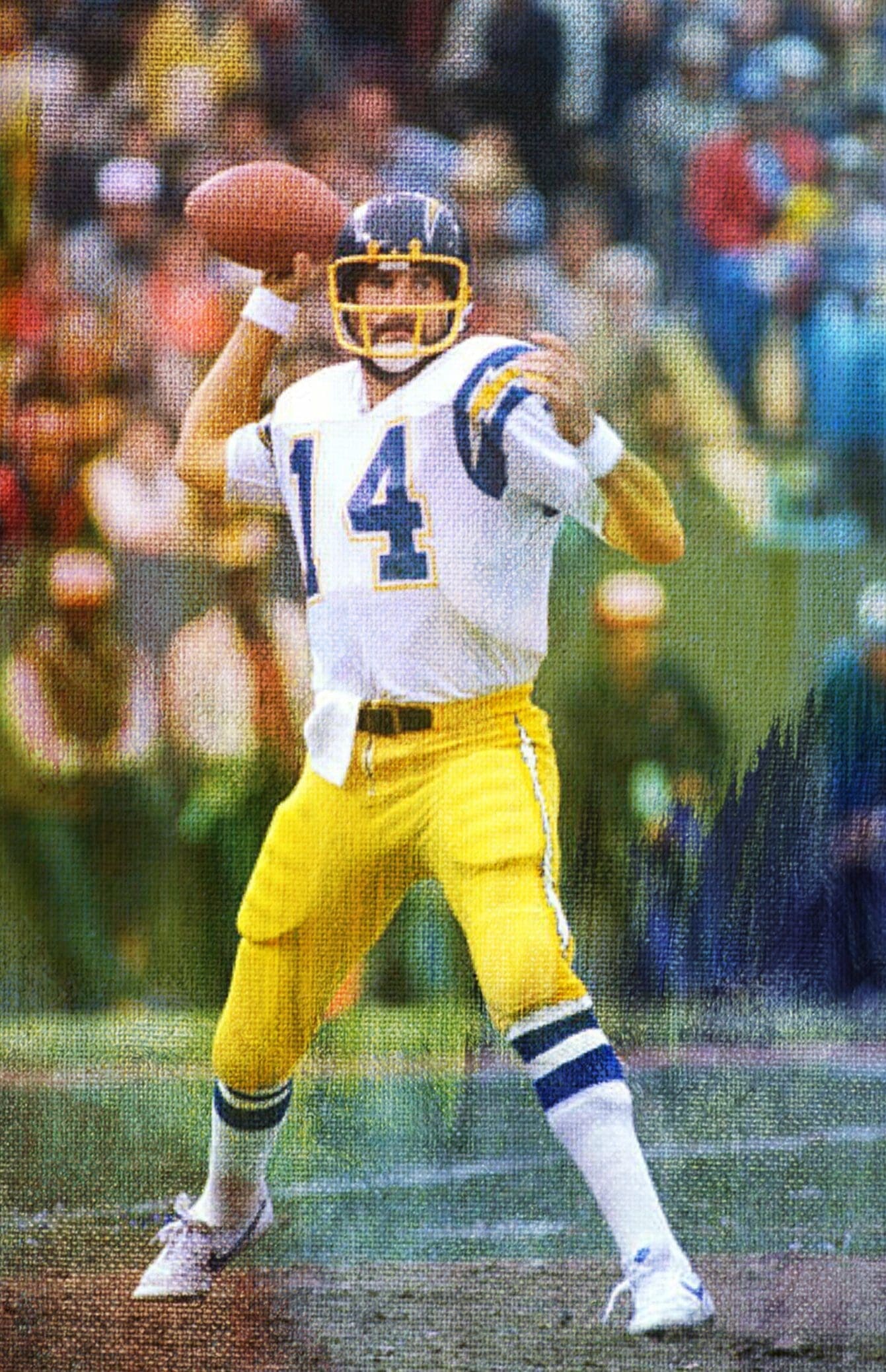
The decision by Dan Fouts to hang up his cleats in 1988 did not come as a sudden surprise to followers of the National Football League, but it carried immense emotional and historical weight. For a decade and a half, the bearded signal-caller from the University of Oregon had been the unmistakable face and heartbeat of the San Diego Chargers. Operating within the dynamic, high-octane offensive scheme crafted by head coach Don Coryell, Fouts did not merely play quarterback; he piloted an aerial circus that captured the imagination of football fans across the United States.
Understanding the context of his retirement requires looking closely at his final professional season, the physical toll of his grueling style of play, the evolution of the National Football League during the late 1980s, and the enduring legacy he left behind in Southern California and the Pro Football Hall of Fame.
The Context of the 1988 Retirement
By the time the 1987 National Football League season concluded, the physical reality of professional football caught up with Dan Fouts. At 36 years old, his body had endured fifteen punishing campaigns behind offensive lines that, while talented, absorbed a tremendous number of hits during an era when quarterbacks enjoyed far less protective officiating than they do in the modern professional game.
Fouts announced his retirement in June 1988, just ahead of what would have been his sixteenth season. The announcement brought closure to months of speculation regarding whether the veteran quarterback would return for another year under head coach Al Saunders, who had taken over the reins following Don Coryell's departure in 1986.
| Career Milestone / Metric | Historical Detail |
|---|---|
| Years Active | 1973 – 1987 (15 Seasons) |
| Franchise | San Diego Chargers |
| Passing Yards | 43,040 Yards |
| Touchdown Passes | 254 Touchdowns |
| Pro Bowl Selections | 6 Selections |
| Pro Football Hall of Fame | Inducted in 1993 |
The Physical and Competitive Reality
Entering the twilight of his career, Fouts faced mounting injuries that limited his mobility and durability. Knee issues, back stiffness, and shoulder wear made the grueling weekly routine of an National Football League starter increasingly difficult. Rather than extending his career as a backup or playing through diminished physical capacity, Fouts chose to walk away while still widely respected as a premier competitor.
His retirement also coincided with a generational transition within the National Football League. Younger quarterbacks with different skill sets were beginning to dominate the landscape, and the San Diego Chargers franchise was entering a transitional rebuilding phase. By stepping down in 1988, Fouts preserved his legacy as a player who performed at a high standard throughout his tenure without fading into an ineffective twilight.
The Architecture of Air Coryell
It is impossible to evaluate Dan Fouts and his retirement without examining the offensive system that defined his professional identity. Developed by offensive innovator Don Coryell, the scheme known popularly as "Air Coryell" revolutionized professional football tactics.
Prior to the rise of the San Diego Chargers in the late 1970s and early 1980s, most professional offenses relied heavily on a balanced run-first approach, using the pass primarily as a secondary option on third downs or when trailing late in games. Coryell and Fouts turned this philosophy completely upside down.
Vertical Stretching and Route Precision
The Air Coryell offense was built on stretching the field vertically and horizontally at the same time. Wide receivers like Charlie Joiner and John Jefferson, alongside tight end Kellen Winslow, ran intricate, timing-based routes designed to exploit man-to-man coverage schemes.
- Deep Route Integration: Receivers attacked deep zones, forcing safeties to respect the long ball.
- Intermediate Overloads: Slot receivers and tight ends flooded the middle of the field, creating difficult matchup dilemmas for linebackers.
- Protection Schemes: Offensive linemen provided a deep, expansive pocket, allowing Fouts to survey the field and deliver high-velocity throws downfield.
Fouts possessed the ideal arm strength, fierce competitiveness, and exceptional football intelligence to master this complex system. He did not need to run with the football; instead, his mental processing speed allowed him to read coverages instantly and deliver the ball with pinpoint accuracy before pass rushers could collapse the pocket.
Record-Setting Achievements and Statistics
When Dan Fouts retired in 1988, his name was etched near the very top of virtually every major career passing ledger in professional football history. His statistical accomplishments validated the explosive nature of the San Diego offense and placed him in elite company alongside contemporaries like Terry Bradshaw, Ken Stabler, and Joe Montana.
Dominating the Passing Leaderboards
During the late 1970s and early 1980s, Fouts strung together a remarkable multi-year stretch of passing dominance. From 1979 through 1981, he led the National Football League in passing yards for three consecutive seasons—a feat achieved by very few quarterbacks in league history.
- 1979 Season: Passed for 4,082 yards and 24 touchdowns, earning First-Team All-Pro honors.
- 1980 Season: Set a then-record with 4,715 passing yards, adding 30 touchdowns.
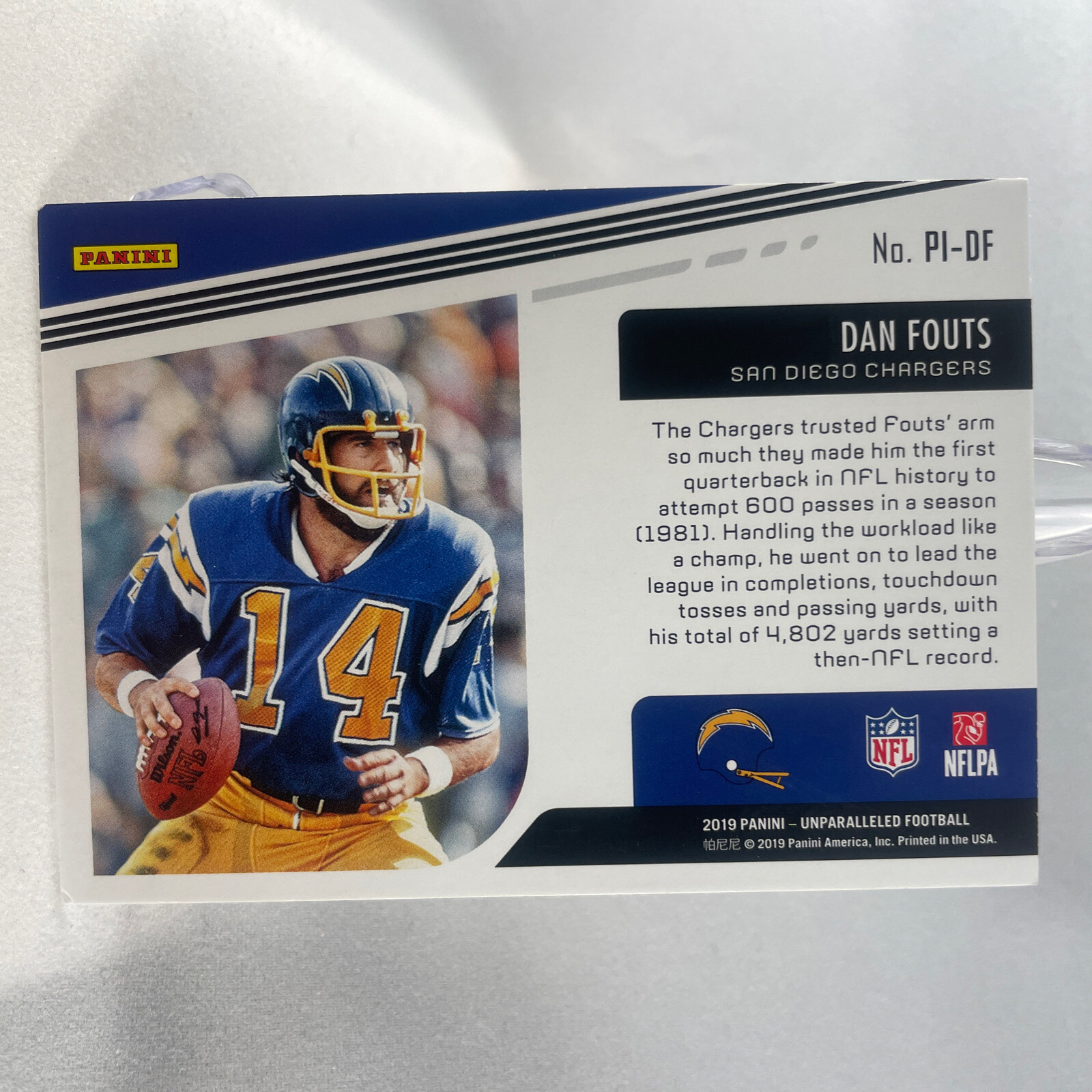
- 1981 Season: Broke his own record with 4,802 passing yards and 33 touchdowns, leading the Chargers to a thrilling divisional playoff victory over the Miami Dolphins in what is widely regarded as one of the greatest games ever played.
By the time he retired, Fouts had accumulated 43,040 career passing yards and 254 touchdown passes. While subsequent rule changes and offensive evolutions led later generations of quarterbacks to eclipse these totals, Fouts's numbers represented the gold standard of forward-passing production for his era.
Post-Playing Career and Broadcast Legacy
Stepping away from the playing field in 1988 did not mean stepping away from the game of football. Transitioning smoothly into the sports media landscape, Fouts established a highly successful second career as a prominent television broadcaster and analyst.
A Voice on the Airwaves
Fouts brought the same sharp analytical mind and straightforward communication style to the broadcast booth that he once displayed in the huddle. He spent years providing color commentary for CBS Sports and ABC Sports, calling high-profile matchups, including regional and national games, as well as college football broadcasts.
His deep understanding of quarterback play and offensive strategy gave viewers authentic, educational insights into the nuances of professional football. This broadcasting career spanned decades, keeping him connected to the sport and introducing his distinctive voice to new generations of fans who never saw him throw a pass in San Diego.
Hall of Fame Induction and Enduring Legacy
The ultimate recognition of a professional football career arrived in 1993 when Dan Fouts was elected to the Pro Football Hall of Fame in Canton, Ohio. His induction cemented his status as an all-time great and a pioneer of the modern passing game.
Impact on Modern Football
The strategies pioneered by Don Coryell and executed on the field by Dan Fouts laid the direct groundwork for the pass-heavy offenses that dominate the National Football League today. The modern spread offenses, run-and-shoot concepts, and high-volume passing attacks seen across professional and collegiate football trace their lineage back to the San Diego offenses of the late 1970s and 1980s.
When fans look back at 1988 as the year Dan Fouts retired, they remember not just the end of a single player's journey, but the conclusion of a chapter that proved football could be played through the air with breathtaking speed, daring aggression, and unmatched excitement.
Frequently Asked Questions
What year did Dan Fouts retire from the National Football League?
Dan Fouts officially retired in June 1988, prior to what would have been his sixteenth professional season. His entire 15-year career was spent playing quarterback for the San Diego Chargers franchise.
Which team did Dan Fouts play for during his career?
Dan Fouts played his entire 15-year professional career for the San Diego Chargers, from 1973 through 1987. He remained loyal to the franchise throughout his career, becoming one of the most iconic figures in team history.
What offensive system was Dan Fouts most famous for running?
Fouts was the primary orchestrator of the "Air Coryell" offense, designed by head coach Don Coryell. This offensive scheme revolutionized professional football by emphasizing a vertical passing game, deep route combinations, and high-volume passing statistics.
When was Dan Fouts inducted into the Pro Football Hall of Fame?
Dan Fouts was elected to the Pro Football Hall of Fame in 1993, recognizing his exceptional career statistics, multiple Pro Bowl selections, and profound impact on the evolution of passing offenses in professional football.
What did Dan Fouts do after retiring from football as a player?
Following his retirement in 1988, Fouts transitioned into a successful career in sports broadcasting. He worked for many years as a television analyst and color commentator for major networks, including CBS and ABC, covering professional and collegiate football games.
Image Gallery