Navigating the Market Dynamics Behind Uranium Net Worth and Valuation in 2026
Assessing the net worth and financial valuation tied to uranium involves analyzing a complex ecosystem driven by global energy demands, utility contracting cycles, and geopolitical shifts. Rather than representing a single corporate en...
Assessing the net worth and financial valuation tied to uranium involves analyzing a complex ecosystem driven by global energy demands, utility contracting cycles, and geopolitical shifts. Rather than representing a single corporate entity, "uranium net worth" typically reflects the combined market capitalization of primary uranium mining enterprises, sovereign and private physical uranium holding funds, and the broader asset values embedded within the nuclear fuel cycle.
Contents
Understanding the Uranium Sector and Market Structure
The nuclear fuel cycle is unlike almost any other commodity market. It is capital-intensive, highly regulated, and characterized by long lead times. When analysts evaluate the financial health and net worth of the uranium sector, they are looking at a multi-layered market that spans upstream exploration and mining, midstream conversion and enrichment, and downstream fuel fabrication.
Unlike crude oil or gold, uranium is rarely traded on public spot exchanges with transparent, high-volume daily trading. Instead, the bulk of global uranium is transacted through long-term contracts between mining companies and nuclear utility operators. These contracts insulate both parties from short-term spot market volatility, but they also mean that the reported net worth or market capitalization of uranium companies can fluctuate dramatically based on macro sentiment and long-term price expectations.
The Mechanics of Physical Uranium Holdings
A significant driver of visible sector valuation comes from physical holding entities. These vehicles purchase and store physical uranium yellowcake ($U_3O_8$) directly in secure conversion facilities in North America and Europe.
- Spot Market Absorption: Physical holding funds remove material from active circulation, tightening spot availability.
- Net Asset Value (NAV): The financial worth of these funds is tied directly to the spot price of uranium multiplied by their pound-for-pound holdings, often trading at a premium or discount to NAV based on investor sentiment.
- Long-Term Capital Commitment: Investors use these funds as a proxy for direct exposure to the uranium commodity without operating mining assets.
Major Players and Market Capitalization Benchmarks
Evaluating the financial standing of the uranium industry requires examining the industry leaders that anchor its collective net worth. The sector is dominated by a mix of state-backed giants, diversified miners, and junior developers.
Cameco Corporation
Headquartered in Saskatchewan, Canada, Cameco is one of the world's largest providers of uranium fuel. Its market capitalization reflects massive tier-one assets like the McArthur River and Cigar Lake mines, alongside its 50% ownership stake in Global Laser Enrichment. Cameco’s financial valuation is heavily scrutinized by institutional investors as a bellwether for the entire sector.
Kazatomprom
As the national atomic company of Kazakhstan, Kazatomprom accounts for a substantial percentage of global primary mine production. Operating through joint ventures with international partners, its valuation is tied to low-cost in-situ recovery (ISR) mining methods, though it remains sensitive to regional geopolitical developments and supply chain logistics routes through Central Asia.
Junior Developers and Explorers
A large portion of the sector's speculative net worth resides in development-stage companies holding deposits in jurisdictions like the Athabasca Basin in Canada, the Paterson Province in Australia, and various districts in the United States and Namibia. These companies often carry zero commercial revenue, and their valuations fluctuate based on feasibility studies, permitting milestones, and equity financing rounds.
Key Drivers Influencing Uranium Valuations
The financial net worth associated with uranium assets is governed by structural supply and demand dynamics that differ significantly from other industrial metals.
| Driver Category | Market Impact |
|---|---|
| Utility Contracting Cycle | Uncovered requirements force utilities to return to the market for long-term supply. |
| Secondary Supplies | Depletion of historic inventories, excess military material, and reprocessed fuels. |
| Geopolitical Sanctions | Trade restrictions on Russian enrichment and raw material shift global supply chains. |
| Reactor Life Extensions | Regulatory approvals extending the operating lifespan of legacy nuclear plants globally. |
The Secondary Supply Deficit
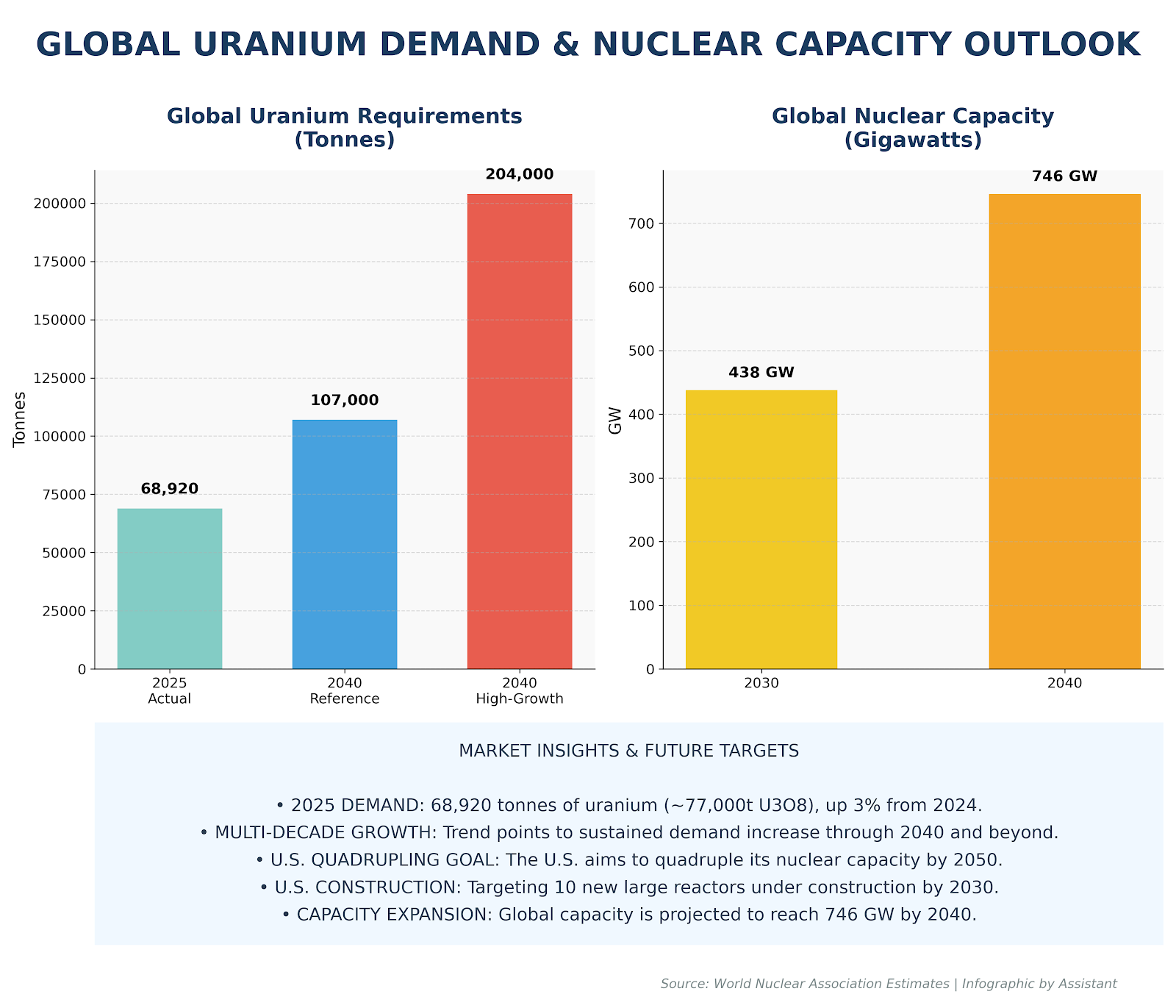
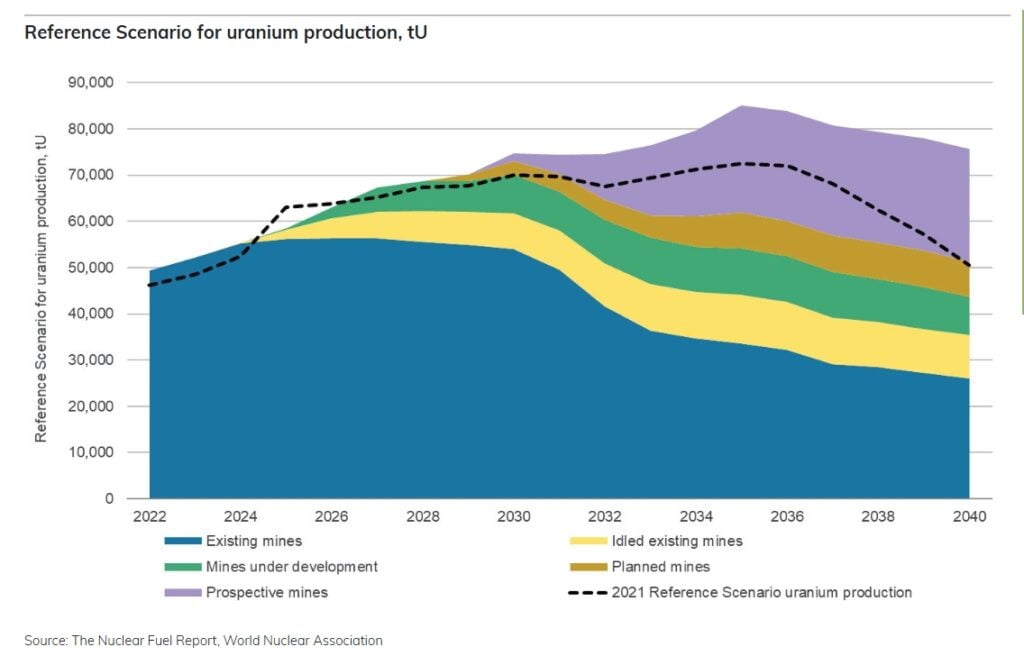
For decades following the Cold War, secondary supplies—such as down-blended highly enriched uranium (HEU) and excess commercial stockpiles—filled the gap between global mine production and reactor consumption. As these secondary reserves approach exhaustion, the market has become increasingly reliant on primary mine production, altering the fundamental economics and long-term net worth potential of producing assets.
Geopolitical Realignments and Supply Security
Energy security has taken center stage globally. Western nations have implemented legislative frameworks and funding initiatives to decouple their nuclear fuel supply chains from geopolitical rivals. This has resulted in direct government subsidies, loan guarantees, and defense-related investments into domestic conversion, enrichment, and mining capabilities, directly bolstering the enterprise value of localized fuel-cycle companies.
Financial Analysis: Valuation Metrics and Risks
When institutional investors analyze uranium equities, standard valuation metrics must be adjusted to account for the unique risks of the industry.
- Price-to-Net Asset Value (P/NAV): Because mining projects take years to permit and build, developers and producers are frequently valued on a discounted cash flow basis of their underlying reserves, known as Net Asset Value.
- All-In Sustaining Costs (AISC): Mining methods vary widely between low-cost in-situ recovery (ISR) in Kazakhstan and high-cost underground mining in sandstone or unconformity deposits. AISC dictates which companies remain profitable during cyclical price troughs.
- Regulatory and Environmental Risks: Uranium mining is subject to rigorous environmental oversight. Tailings management, water protection, and indigenous land consultations introduce execution risks that can impair project valuations overnight.
Frequently Asked Questions
How is the net worth of a uranium company calculated?
The net worth or market capitalization of a uranium company is determined by multiplying its total shares outstanding by its current share price. For asset-level valuation, analysts use discounted cash flow models based on projected uranium sales prices, extraction costs, and the size of verified mineral reserves.
Why do uranium spot prices differ from long-term contract prices?
The spot price reflects immediate, small-volume transactions for material available for prompt delivery. Conversely, long-term contract prices are negotiated privately between utilities and producers over multi-year periods to ensure supply security, often including floor prices and market-related escalators.
How do physical uranium funds impact market value?
Physical holding funds purchase yellowcake directly from the market and place it in long-term storage. By removing physical inventory from active commercial availability, these funds can tighten the spot market balance and influence upward momentum in asset valuations.
What role do geopolitical factors play in uranium valuations?
Geopolitical tensions and trade restrictions—particularly regarding enrichment services and raw material imports from specific regions—force Western utilities to seek alternative suppliers. This reshapes supply chains and enhances the strategic value of domestic and allied mining assets.
Are junior uranium explorers a reliable indicator of sector health?
Junior explorers represent the speculative edge of the market. While they highlight resource potential and exploration success, their valuations are volatile and dependent on capital markets, making established producers and physical funds more reliable indicators of core sector financial health.
Next Steps and Strategic Evaluation
For market participants and analysts evaluating the financial landscape of uranium assets, maintaining a disciplined focus on verified reserve reports, utility uncovered requirements data, and contracting announcements is essential. Because the sector operates on multi-year cycles, distinguishing between short-term spot market sentiment and long-term structural supply deficits remains the most reliable method for assessing sustainable value in the nuclear fuel market.
Image Gallery