Why Whales Wash Up on Shore: The Science Behind Marine Strandings
When a massive cetacean washes up on a beach, it triggers immediate public concern, scientific investigation, and logistical challenges. Marine strandings—events where whales, dolphins, and porpoises end up stranded on land, either ali...
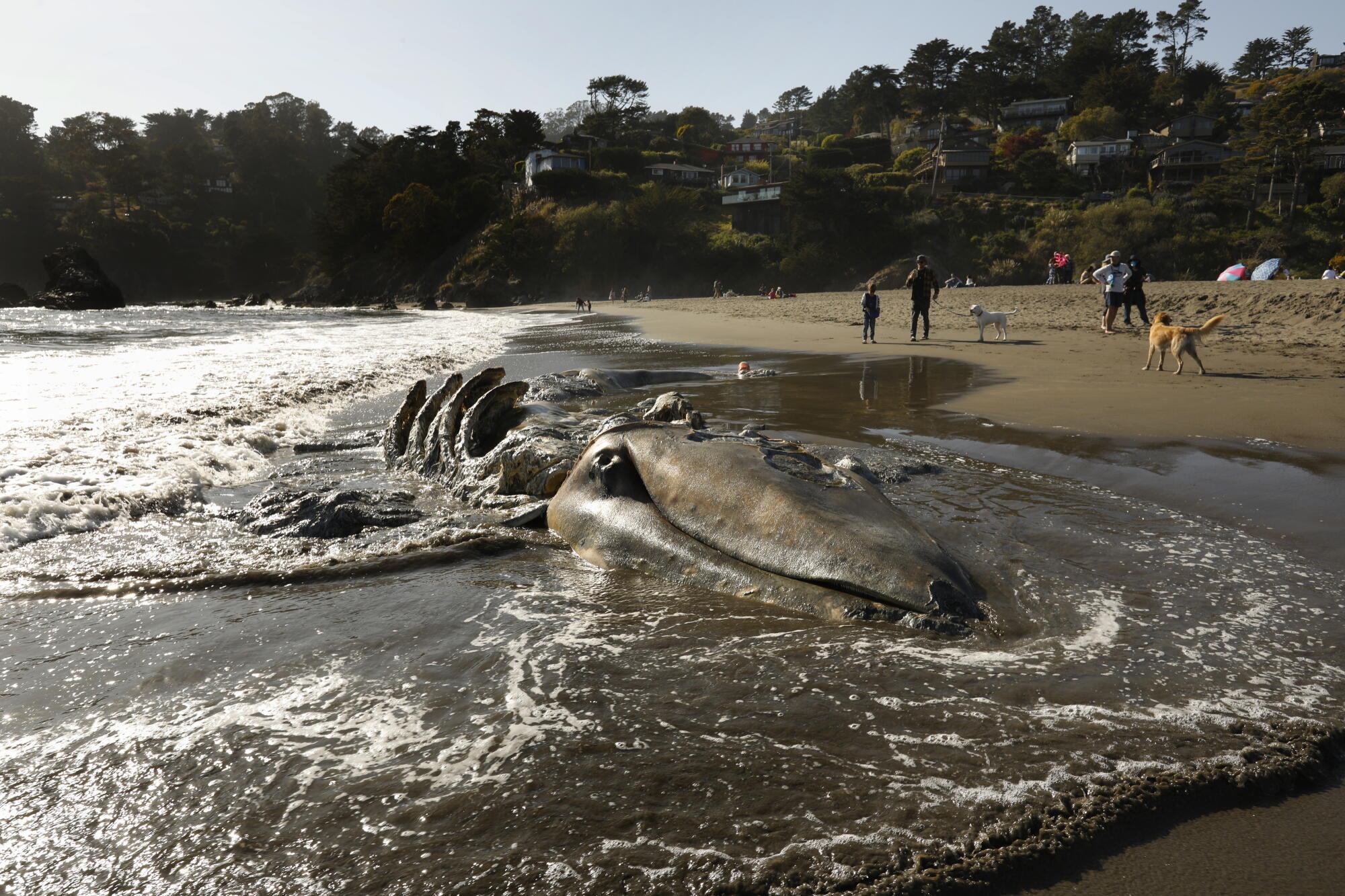
When a massive cetacean washes up on a beach, it triggers immediate public concern, scientific investigation, and logistical challenges. Marine strandings—events where whales, dolphins, and porpoises end up stranded on land, either alive or dead—occur for a multitude of complex reasons. Understanding why whales wash up on shore requires looking at a combination of natural phenomena, human-induced pressures, and physiological vulnerabilities that compromise a marine mammal's ability to navigate and survive in the open ocean.
Contents
The Mechanics of Marine Strandings: An Overview
Marine strandings are rarely the result of a single isolated factor. Instead, they usually represent the culmination of physiological, environmental, and anthropogenic pressures. When scientists and marine biologists investigate a stranding event, they categorize the incidents into single-animal strandings and mass strandings. Each category points to vastly different underlying causes.
A single whale stranding often involves an individual animal that is compromised. Pathogens, severe bacterial or viral infections, advanced age, or internal organ failure can weaken a whale to the point where it lacks the strength to maintain buoyancy or fight coastal currents. Once a weakened animal drifts into shallow waters, wave action and tidal shifts easily push it onto the beach.
Conversely, mass strandings—where multiple animals of the same or different species beach themselves simultaneously—frequently point to shared environmental disruptions. Because toothed whales (odontocetes) such as pilot whales, sperm whales, and melon-headed whales rely heavily on complex social structures and echolocation to navigate, a disruption affecting the lead animal can cause the entire pod to follow it ashore.
Natural Causes of Whale Strandings
Nature presents numerous hazards that can cause a healthy whale to strand or drive a weakened animal toward the coastline. Marine mammal pathology and ecology reveal several primary natural drivers behind these events.
Disease, Parasites, and Age
Just like terrestrial mammals, whales suffer from natural mortality factors. Parasites infesting the cranial sinuses or the inner ear can severely disrupt a whale’s acoustic and balancing systems. Because cetaceans depend on sound for orientation, spatial awareness, and foraging, inner-ear damage effectively blinds them in their underwater environment.
Additionally, infectious diseases such as morbillivirus, brucellosis, and severe bacterial infections can cause neurological dysfunction, disorientation, and lethargy. Older whales that experience natural physical decline may also become too weak to hunt efficiently, leading to emaciation and a drift toward shallow coastal shelves.
Navigational Errors and Bathymetry
Geography plays a major role in how and where whales strand. Certain coastal regions feature gently sloping underwater topography, such as wide sandy beaches, shallow mudflats, or complex estuary systems.
Toothed whales that use echolocation to map their environment can be profoundly confused by these geographical features. Echolocation relies on sound waves bouncing off solid objects. A gently sloping sandy bottom reflects sound poorly, creating an acoustic "blind spot." The whale's brain interprets the open, shallow water as deep ocean space until it is too late, and the animal runs aground as the tide recedes. Hook-shaped bays, such as those found on Cape Cod in Massachusetts or Farewell Spit in New Zealand, act as natural traps where disoriented pods easily become stranded.
Predation and Extreme Weather
Interactions with apex predators can also force cetaceans into perilous shallow waters. Pods of killer whales (orcas) occasionally pursue baleen whales or smaller dolphins toward the coastline, where the prey may beach itself in an attempt to escape. Furthermore, severe meteorological events, such as tropical storms, hurricanes, and rapid shifts in ocean temperature, can disrupt normal prey distribution, forcing whales to hunt in unfamiliar, shallow coastal zones during heavy surf.
Anthropogenic (Human-Induced) Causes
While natural factors have driven strandings for millennia, human activities in the modern marine environment have introduced significant new hazards that contribute heavily to whale mortality and beachings.
Underwater Noise Pollution and Sonar
Oceans are increasingly noisy environments, filled with the acoustic footprint of commercial shipping, seismic airguns used in oil and gas exploration, underwater construction, and military mid-frequency active sonar.
For cetaceans, sound is vision, communication, and survival. High-intensity military sonar and seismic blasts can induce severe panic, behavioral changes, and rapid physiological stress responses. Research has shown that certain types of anthropogenic sonar can cause whales to surface too quickly, leading to decompression sickness (the bends), or disorient them so severely that they flee directly into shallow shorelines.
Entanglement in Fishing Gear
Commercial fishing poses a persistent threat to marine mammals. Whales frequently swim through active or abandoned fishing gear, resulting in severe entanglements with lines, nets, and traps.
A whale entangled in heavy commercial fishing gear suffers from restricted movement, deep lacerations, and chronic exhaustion. As the animal struggles against the drag of the gear, it burns vital energy reserves. Over weeks or months, the exhaustion becomes absolute, and the weakened animal drifts helplessly onto the beach.
Vessel Strikes
Global maritime trade has increased ship traffic exponentially over the past century. Large container ships, cargo vessels, and cruise liners frequently travel at high speeds through known whale migration corridors and feeding grounds.
Vessel strikes can cause massive blunt-force trauma—fracturing vertebrae, crushing skulls, and shattering ribs—or inflict deep propeller lacerations. While some struck whales sink to the ocean floor, many float or are pushed ashore by prevailing winds and currents, providing researchers with grim evidence of maritime collisions.
Chemical Contamination and Biotoxins
Industrial pollutants, persistent organic pollutants (POPs), heavy metals, and microplastics accumulate in the marine food web. Because top-predator cetaceans sit high on the food chain, they experience bioaccumulation of toxins that suppress their immune systems and impair reproductive success.
Additionally, human-induced nutrient runoff from agricultural lands frequently triggers harmful algal blooms (red tides). These blooms produce potent neurotoxins like domoic acid and saxitoxin, which accumulate in prey species and poison marine mammals, leading to neurological damage, seizures, disorientation, and subsequent strandings.
Summary of Stranding Causes
| Category | Primary Factors | Typical Impact Type |
|---|---|---|
| Natural | Parasites, disease, old age, complex bathymetry, predator pursuit | Single animals or entire pods in specific geographical traps |
| Acoustic | Military sonar, seismic airgun surveys, commercial shipping noise | Disorientation, panic, rapid diving injuries, mass strandings |
| Fisheries | Entanglement in gillnets, pot lines, and commercial traps | Chronic exhaustion, severe tissue damage, drifting mortality |
| Maritime | Vessel strikes from large cargo ships and high-speed ferries | Acute blunt-force trauma, propeller wounds, structural injury |
| Chemical/Biological | Heavy metals, POPs, harmful algal blooms (domoic acid) | Immune suppression, neurological failure, toxic poisoning |
The Response Process: What Happens When a Whale Strands?
When a whale washes ashore, specialized marine mammal rescue networks, government agencies, and trained volunteers mobilize rapidly. The protocol depends entirely on whether the animal is alive or deceased.
For a live-stranded whale, the immediate priority is stabilization. Rescuers keep the animal moist with wet sheets and cool water, shade it from direct sunlight, and protect its blowhole from sand and water ingress. Vets assess the animal's condition to determine if refloating is viable or if the trauma is too severe. Euthanasia is sometimes the most humane option for animals with catastrophic internal injuries or severe organ failure.
When a whale washes ashore dead, marine biologists conduct a necropsy (an animal autopsy). By examining blubber thickness, examining stomach contents, testing tissue samples for pathogens and toxins, and checking for bone fractures, scientists gather invaluable data on ocean health, mortality trends, and anthropogenic impacts. Once the necropsy is complete, local authorities coordinate the heavy machinery required to bury the carcass safely away from public spaces or tow it out to sea.
Frequently Asked Questions
Why do mass strandings usually involve toothed whales rather than baleen whales?
Toothed whales, such as pilot whales and sperm whales, live in tight-knit, complex social pods led by a dominant matriarch or leader. Because they rely heavily on social cohesion and shared leadership, if the leader becomes disoriented and swims ashore, the rest of the pod follows out of loyalty and panic. Baleen whales, such as humpbacks and blues, are generally solitary or travel in loose aggregations, making mass social strandings exceedingly rare.
Is it safe to approach a whale that has washed up on shore?
No. Stranded whales—whether alive or dead—pose significant safety hazards. Live whales are under extreme stress and can thrash violently, causing severe injury to onlookers. Deceased whales accumulate decomposition gases internally, which can cause the carcass to rupture explosively. Furthermore, stranded marine mammals can carry zoonotic diseases transmissible to humans and domestic pets.
Can a healthy whale survive if humans push it back into the water?
Simply pushing a whale back into the sea without addressing the root cause of its stranding rarely works. If an animal is disoriented, sick, exhausted, or injured, it will likely swim right back onto the beach or drown in deep water. Professional rescue assessments are required to evaluate the animal's health before any refloating attempt is made.
How do scientists determine if human noise caused a stranding?
Marine pathologists perform targeted necropsies looking for specific physiological markers of acoustic trauma, such as hemorrhaging around the brain, inner ear damage, and gas bubble lesions in tissues, which correlate with rapid pressure changes or severe acoustic shock.
What should you do if you find a stranded whale?
Keep a safe distance, keep pets away, and immediately contact local marine rescue authorities, coast guard stations, or environmental protection agencies. Note the exact location, condition of the animal (alive or dead), species estimate, and whether it is tagged or entangled.
Conclusion and Next Actions
Whale strandings serve as critical ecological sentinels, offering scientists a direct window into the overall health of our marine ecosystems. Whether caused by natural navigation challenges in shallow bays, acoustic disturbance from human activity, or disease, these events demand a coordinated, science-based response. If you encounter a stranded marine mammal along the coastline, maintain a wide berth to protect both yourself and the animal, and immediately notify local wildlife rescue organizations or strandings networks to ensure professional intervention.
Image Gallery