The Public Focus on Tiffany Trump Weight Gain: Media Scrutiny and Body Image in Political Families
Public interest in Tiffany Trump weight gain reflects a broader cultural obsession with the physical appearances of political figures and their family members, often driven by tabloid journalism, social media commentary, and shifting b...
Public interest in Tiffany Trump weight gain reflects a broader cultural obsession with the physical appearances of political figures and their family members, often driven by tabloid journalism, social media commentary, and shifting beauty standards in the public eye.
Contents
The intense scrutiny faced by public figures regarding their physical appearance is a well-documented phenomenon in modern media. Tiffany Trump, the daughter of Donald Trump and Marla Maples, has grown up largely in the public eye, transitioning from childhood to law school graduation and marriage. Across these distinct phases of her life, media outlets, internet commentators, and social media users have frequently focused on minor fluctuations in her weight and appearance. This article examines the intersection of media attention, public perception, body image norms in political families, and the psychological impact of constant digital scrutiny.
The Intersection of Politics and Tabloid Culture
Public figures operating within the political sphere—including extended family members who may not hold public office—frequently find themselves subjected to intense media coverage that extends far beyond their professional accomplishments or personal milestones. Tabloid culture has long capitalized on physical changes in high-profile individuals, treating normal biological variations, such as weight fluctuations, as breaking news or subjects for speculation.
When public figures experience natural body changes due to aging, lifestyle shifts, stress, or pregnancy, these variations are often analyzed under a microscope. In the case of Tiffany Trump, media reports and online forums have periodically fixated on her physique, framing ordinary bodily changes through sensationalized headlines. This relentless focus highlights a systemic issue within celebrity and political journalism: the prioritization of physical aesthetics over substantive contributions or personal privacy.
Media Framing and Public Perception
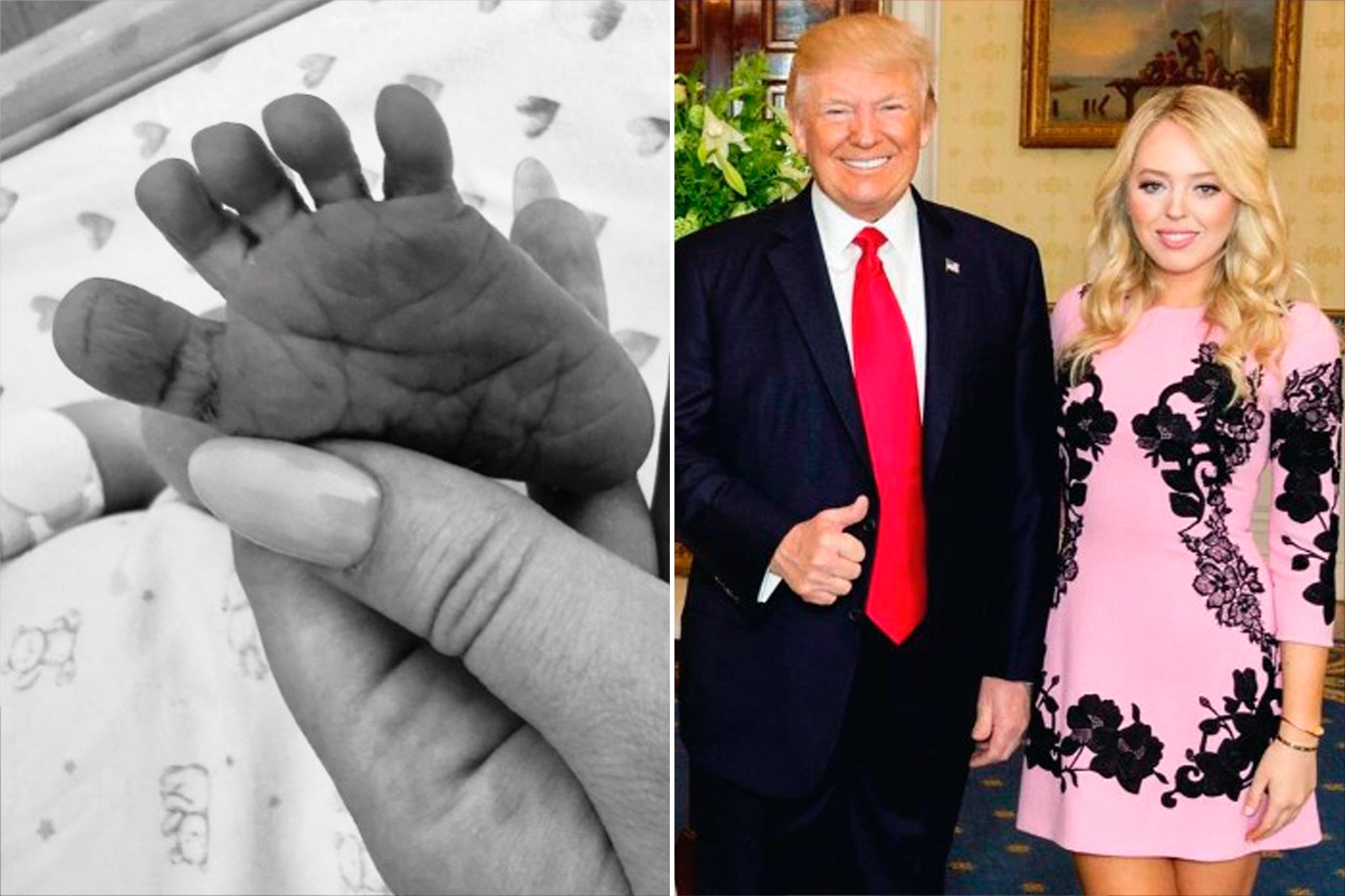
Media framing plays a crucial role in how the public perceives individuals in the spotlight. When news outlets or social media platforms highlight weight fluctuations, they often rely on coded language, side-by-side comparison photographs, or unverified commentary from anonymous sources. This style of reporting reinforces unrealistic beauty standards and normalizes the policing of women's bodies.
Furthermore, political affiliation often exacerbates this scrutiny. Depending on the shifting political climate, public figures may face heightened criticism or defense from opposing factions, weaponizing their physical appearance as a tool for political or social commentary. This politicization of personal appearance strips away individual humanity, reducing complex individuals to static visual targets.
Cultural Standards of Appearance for Women in the Public Eye
Women in political families navigate a rigid set of unspoken expectations regarding their appearance. Society historically demands that these women maintain a carefully curated aesthetic that balances approachability with traditional elegance. Any deviation from these unwritten standards—whether it involves clothing choices, hair styling, or natural weight fluctuations—frequently invites public critique.
The pressure to conform to narrow beauty ideals is magnified in the digital age, where algorithms reward engagement driven by controversy, speculation, and visual comparisons. Platforms such as Instagram, X (formerly Twitter), and TikTok allow users to instantly share, critique, and magnify perceived changes in a person's body, creating an echo chamber of body shaming and unsolicited commentary.
| Media Era | Primary Medium | Nature of Body Scrutiny | Impact on Public Figures |
|---|---|---|---|
| Pre-Digital Era | Print Tabloids & Television | Periodic magazine features and televised commentary | Delayed reaction times; limited direct engagement with critics |
| Early Internet Era | Celebrity Blogs & Forums | User-generated comment sections and speculative blog posts | Increased permanence of digital critiques and searchable archives |
| Modern Social Media | Microblogging & Video Platforms | Viral posts, algorithmic amplification, and direct commentary | Real-time exposure, high-volume feedback loops, and pervasive surveillance |
The Psychological Impact of Constant Surveillance
Living under constant public observation carries significant psychological implications. For individuals who did not choose a career in elected office but are thrust into the spotlight by familial association, the lack of privacy can be deeply challenging. Constant commentary regarding weight gain or physical form can contribute to anxiety, body dysmorphia, and strained interpersonal relationships.
Mental health professionals consistently emphasize that framing weight fluctuations as moral failures or subjects of public debate is deeply damaging. Public figures, much like private citizens, experience changing metabolisms, life transitions, and health-related adjustments that influence their physical form. Recognizing these realities requires a cultural shift away from physical surveillance and toward respect for personal boundaries.
Analyzing the Narrative Surrounding Tiffany Trump's Life Milestones
To understand the context of public commentary surrounding Tiffany Trump, it is helpful to examine the major life milestones that have placed her in the media spotlight over the years. From her education at Georgetown University Law Center to her marriage to Michael Boulos in 2022 at Mar-a-Lago, each major event has drawn considerable press coverage.
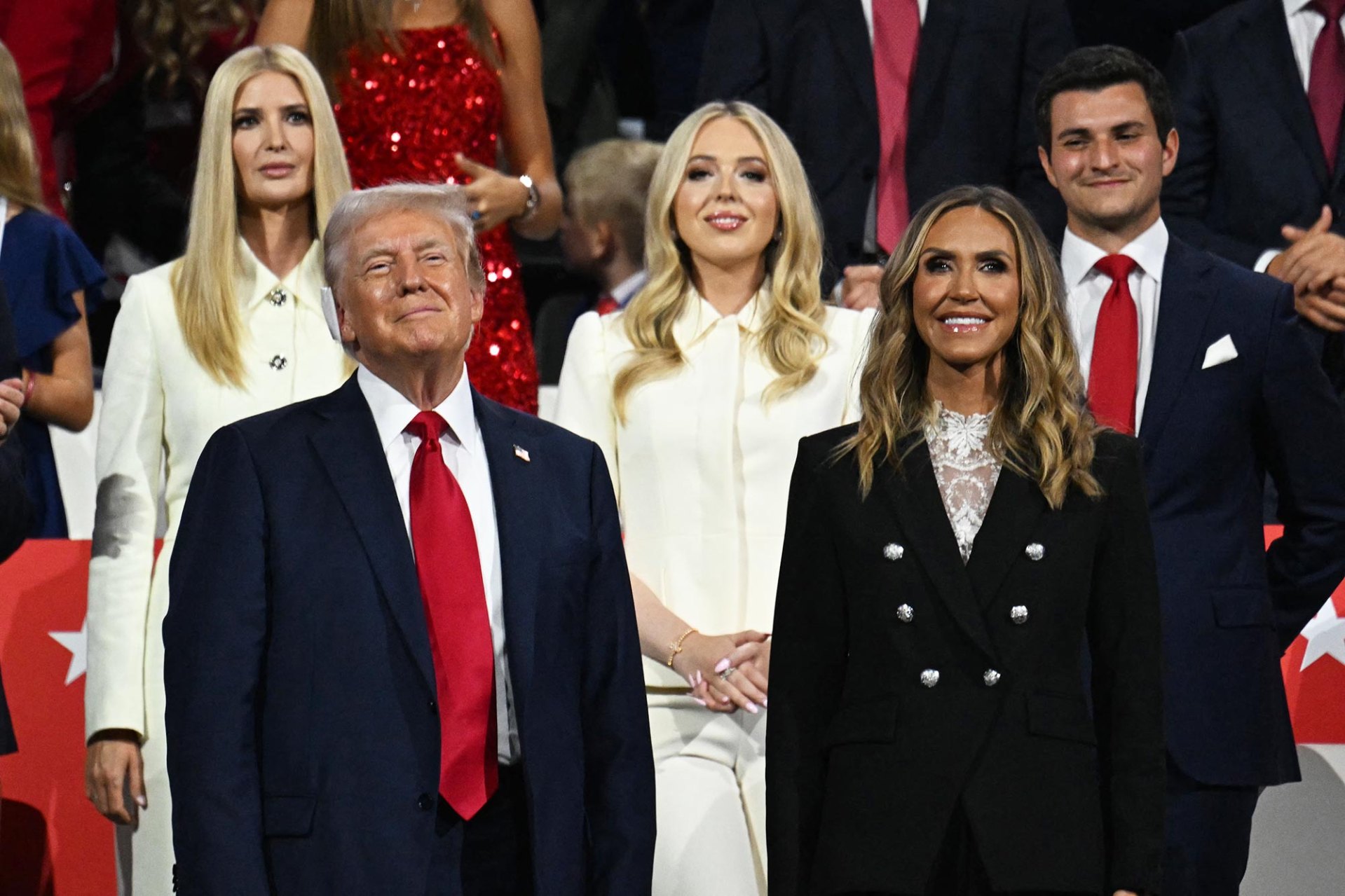
During periods of high-profile public appearances, such as high-profile political conventions or wedding celebrations, media interest peaks. Observers often scrutinize wardrobe choices and physical appearance, attempting to read into every detail. However, these milestone moments represent normal phases of personal maturation and life transitions, during which bodily changes are entirely natural.
The Role of Social Media in Fueling Speculation
Social media platforms act as primary accelerators for rumors and commentary regarding public figures. Unlike traditional journalism, which is governed by editorial standards—however imperfect they may be regarding tabloid journalism—social media operates on decentralized engagement metrics.
When an isolated user posts a speculative remark about a public figure's weight gain, algorithmic sorting can amplify the post to millions of users within hours. This cycle transforms baseless online chatter into trending topics, creating a distorted reality where minor physical variations are treated as matters of public interest or debate.
Frequently Asked Questions
Why does the public fixate on the weight and appearance of political family members?
Public fixation is driven by a combination of tabloid journalism culture, sensationalized media framing, and the historical tendency to judge public figures—particularly women—based on narrow aesthetic standards rather than professional or personal achievements.
Did Tiffany Trump ever issue public statements regarding her weight?
Public figures rarely dignify tabloid speculation about their weight with official responses. Choosing not to engage with baseless rumors is a standard communication strategy designed to avoid giving unwarranted credibility to speculative reporting.
How do media outlets track and report on minor physical changes in celebrities?
Tabloid outlets utilize photo archives, paparazzi images, and social media monitoring to detect minor variations in appearance. These images are frequently paired with speculative headlines designed to maximize digital engagement and advertising revenue.
What are the broader cultural effects of body shaming public figures?
Constant body shaming normalizes the policing of physical appearance, reinforces harmful beauty standards, and contributes to mental health challenges such as anxiety and body image distress, affecting both the targets of the commentary and vulnerable audiences consuming the media.
How can media consumers combat toxic body scrutiny?
Consumers can actively counter this culture by refusing to click on, share, or engage with sensationalized articles or social media posts that focus on the physical bodies of public figures, shifting attention instead toward meaningful journalism and respectful dialogue.
Conclusion and Next Actions
The ongoing media focus on Tiffany Trump weight gain underscores the persistence of intrusive tabloid culture in modern society. Navigating a world saturated with digital surveillance and unsolicited commentary requires a conscious effort from media consumers to reject superficial body scrutiny. By understanding the mechanisms behind tabloid framing and recognizing the human reality behind public figures, readers can foster a healthier media landscape that values privacy, substance, and empathy over sensationalism.
Image Gallery