Mark Carney's Family and the Roots of his Leadership
Mark Carney’s leadership style, defined by a calm analytical rigor and a strong moral framework on global issues like climate change and economic stability, was shaped by his upbringing in a close-knit Canadian family that valued educa...
Mark Carney’s leadership style, defined by a calm analytical rigor and a strong moral framework on global issues like climate change and economic stability, was shaped by his upbringing in a close-knit Canadian family that valued education, public service, and intellectual discipline.
Contents
Understanding the trajectory of influential public figures often requires looking beyond their professional milestones to examine their formative years. Mark Carney, the former Governor of the Bank of Canada and the Bank of England, as well as a prominent voice in international climate finance, owes much of his worldview to his family background. His roots provide critical context for how he navigates institutional crises, economic turbulence, and international diplomacy. This examination explores how his family history, geographical upbringing, and early intellectual environment laid the groundwork for his distinctive style of leadership.
The Geographical and Familial Foundation: Growing Up in Edmonton
Mark Carney was born in 1965 in Fort Smith, Northwest Territories, but grew up primarily in Edmonton, Alberta. His father, Robert Carney, was a professor of education at the University of Alberta, while his mother, Verlie Margaret Carney, was a schoolteacher. This academic household placed an immense premium on learning, critical thinking, and civic duty.
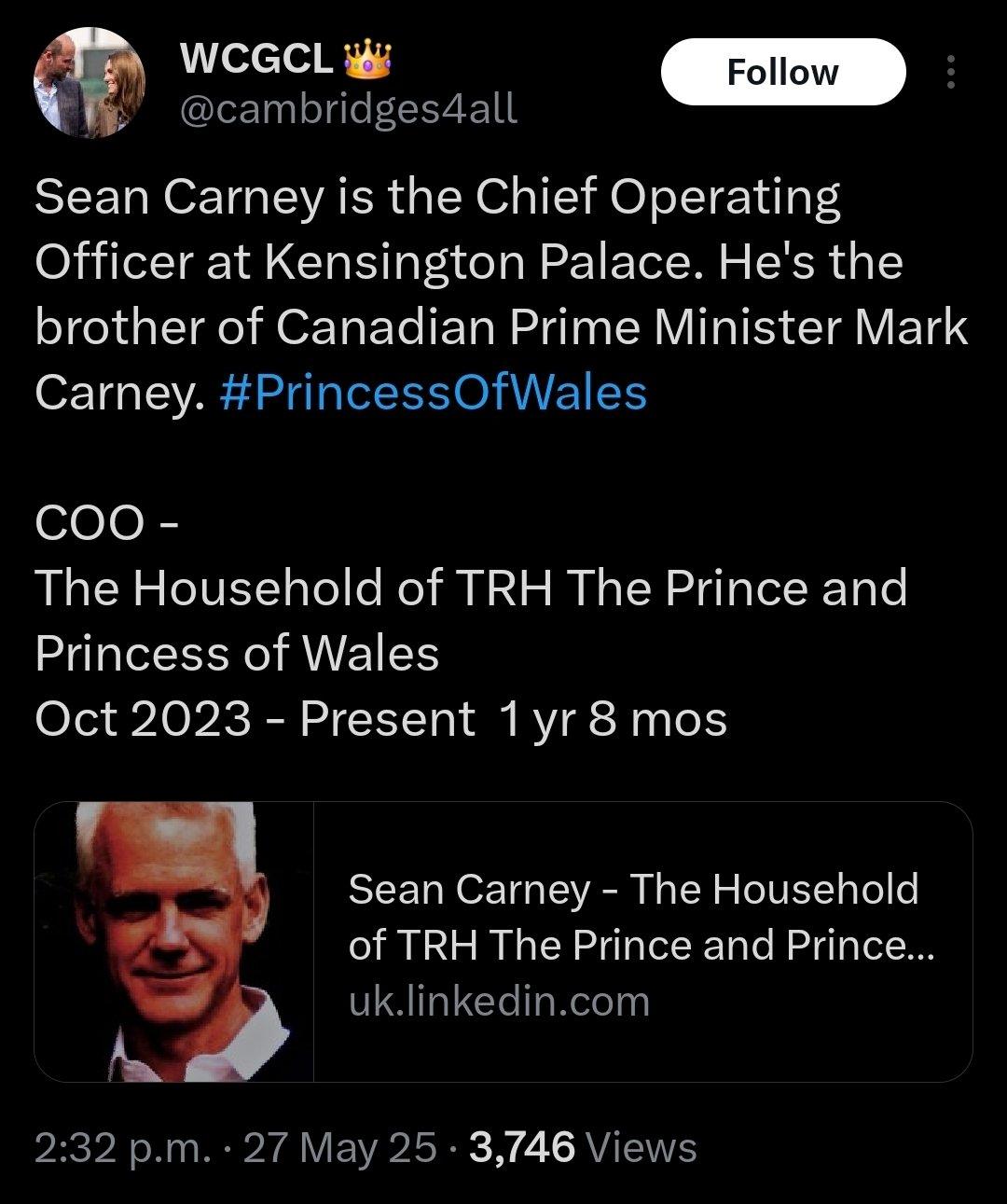
Growing up in Western Canada during the resource boom decades instilled in Carney an early awareness of macroeconomic cycles. Alberta’s economy, driven heavily by energy commodities, provided a living laboratory for understanding boom-and-bust dynamics, resource allocation, and the tension between regional growth and national economic policy. Within the Carney household, dinner table conversations frequently touched upon systemic issues in education and society, encouraging the young Carney and his three brothers—Brian, Sean, and David—to engage deeply with public policy and global affairs.
The Carney family dynamic was characterized by high expectations and mutual support. Robert Carney’s academic career required a rigorous work ethic, which he passed on to his sons. This familial expectation of excellence translated directly into Mark Carney's academic pursuits, eventually leading him away from the Prairies to Harvard University, where he earned a bachelor's degree in economics in 1987, followed by postgraduate studies at Oxford University.
Intellectual Lineage and Academic Formation
Leadership in central banking and global finance demands an unusual combination of theoretical depth and pragmatic adaptability. Carney’s intellectual roots trace back to his rigorous training at Harvard and Oxford, but the foundational discipline to absorb and synthesize complex economic data was nurtured during his youth.
At Harvard, Carney studied under prominent economists, absorbing the prevailing neoclassical and Keynesian frameworks while developing an interest in how financial markets interact with broader societal structures. Later at Oxford, where he completed his M.Phil. and D.Phil. in economics, his academic research focused on international trade and macroeconomic performance.
This educational path was not pursued in a vacuum; it was supported by a family culture that viewed intellectual achievement not as an end in itself, but as a tool for effective stewardship. Whether managing the Canadian economy through the 2008 global financial crisis or steering the Bank of England through the uncertainties of post-referendum economic adjustments, Carney applied the analytical habits developed during his academic years—habits that were fundamentally encouraged by his educator parents.
Core Pillars of Carney’s Leadership Style
The roots of Carney’s leadership manifest in several distinct behavioral and strategic traits that have defined his career across both the public and private sectors. These pillars reflect a blend of academic detachment and decisive action.
1. Moral Clarity Combined with Technical Pragmatism
Carney has frequently argued that economics is not a morally neutral science. This perspective can be traced to his upbringing, where discussions of public policy invariably intersected with questions of ethics and social responsibility. Whether addressing climate change as a systemic risk to the global financial system or discussing inequality, Carney consistently frames technical economic problems as human challenges requiring moral accountability.
2. Crisis Communication and Institutional Trust
During his tenure at the Bank of Canada, Carney earned international acclaim for his swift and unconventional monetary policy responses to the 2008 financial crisis. His ability to communicate complex financial realities in clear, reassuring terms helped maintain public trust in financial institutions. This communicative clarity stems from an educator's background—having been raised by two teachers, he understands the necessity of translating dense technical jargon into accessible, actionable narratives.
3. Long-Term Strategic Foresight
Many modern institutions suffer from short-termism, driven by political electoral cycles or quarterly corporate earnings reports. Carney’s leadership is marked by a focus on long-horizon risks, most notably demonstrated by his work on climate disclosures and sustainable finance through the Financial Stability Board (FSB) and the United Nations. This forward-looking orientation reflects a generational ethos focused on building enduring structures for the future.
Comparative Overview of Career Phases and Family Influence
To understand how Carney’s background translated into institutional impact, it is helpful to examine the intersection of his early foundations and his major professional roles.
| Career Phase | Institutional Role | Primary Challenge | Influence of Early Roots |
|---|---|---|---|
| Early Career | Goldman Sachs (13 years) | Investment banking, risk management, sovereign advisory | Applied rigorous academic discipline and analytical problem-solving to global markets. |
| National Leadership | Governor of the Bank of Canada (2008–2013) | Navigating the 2008 global financial crisis | Utilized clear, educator-style communication to calm markets and guide monetary policy. |
| International Stewardship | Governor of the Bank of England (2013–2020) | Post-crisis regulatory reform and Brexit uncertainty | Maintained institutional independence and calm diplomacy amid intense political pressure. |
| Global Advocacy | UN Special Envoy on Climate Action and Finance | Mobilizing private finance for net-zero transitions | Extended his lifelong view that economics must integrate moral and long-term societal imperatives. |
Personal Life and Continuity
Beyond his professional resume, Carney’s family life has provided a stabilizing anchor throughout his high-pressure career. He met his wife, Diana Fox, an economist and environmental campaigner, while studying at Oxford. Their shared commitment to environmental stewardship and public service has heavily influenced Carney's post-central-banking career, particularly his advocacy for sustainable capitalism. Together, they raised four daughters, balancing the demands of an international career with a grounded family life that spans Canada, the United Kingdom, and the broader global community.
This partnership with someone deeply engaged in environmental causes reinforced the values instilled by his parents. It bridged his technical background in central banking with a broader humanitarian and ecological consciousness, defining his contemporary role as a leading voice in global economic transition.
Common Misconceptions Regarding Carney’s Rise
Public figures of Carney’s stature often attract narratives that oversimplify their success. Two common misconceptions require correction:
- The Technocrat Myth: Critics sometimes characterize Carney as a detached technocrat who views economies purely through mathematical models. However, his family background in education and his subsequent work in social policy highlight a deeply human-centric approach to economics.
- Political Allegiance: Because Carney has worked closely with governments of varying political stripes in both Canada and the United Kingdom, he has occasionally been courted or criticized by partisan actors. His leadership philosophy, rooted in civil service traditions and institutional independence, prioritizes long-term stability over short-term political alignment.
Frequently Asked Questions
What was Mark Carney's upbringing like?
Mark Carney grew up primarily in Edmonton, Alberta, in an academic household. His father was a university professor of education, and his mother was a schoolteacher. This environment fostered a strong commitment to education, critical thinking, and public service.
How did Mark Carney's family influence his views on climate change?
While his father and mother instilled a general sense of civic responsibility and ethical accountability, Carney's marriage to Diana Fox—an environmental campaigner—further deepened his focus on ecological issues. This personal foundation merged with his macroeconomic expertise, leading to his pioneering work on climate finance.
What are the defining characteristics of Mark Carney's leadership style?
Carney is known for combining rigorous technical analysis with clear communication and moral clarity. His leadership style emphasizes institutional trust, long-term strategic planning, and the integration of systemic risks like climate change into traditional economic frameworks.
Did Mark Carney pursue politics after central banking?
While Carney has frequently been the subject of political speculation in Canada, he has focused primarily on international finance, climate action advisory roles, and private sector initiatives, such as his work with Brookfield Asset Management, rather than running for elected office.
Why is Mark Carney considered a significant figure in modern central banking?
Carney successfully guided the Canadian financial system through the 2008 global financial crisis without a major banking collapse and subsequently modernized the Bank of England during the turbulent period surrounding the Brexit referendum, earning international respect for his crisis management capabilities.
Next Actions and Conclusion
For readers seeking to understand the mechanics of modern global leadership, Mark Carney’s trajectory offers a compelling case study. His career demonstrates that technical competence alone is insufficient for navigating global crises; it must be paired with clear communication, ethical grounding, and long-term vision.
To explore this subject further, examine Carney’s published speeches during his tenures at the Bank of Canada and the Bank of England, as well as his writings on sustainable capitalism and climate finance. These primary sources reveal the intellectual depth and foundational values that continue to shape his influence on the global stage.
Image Gallery