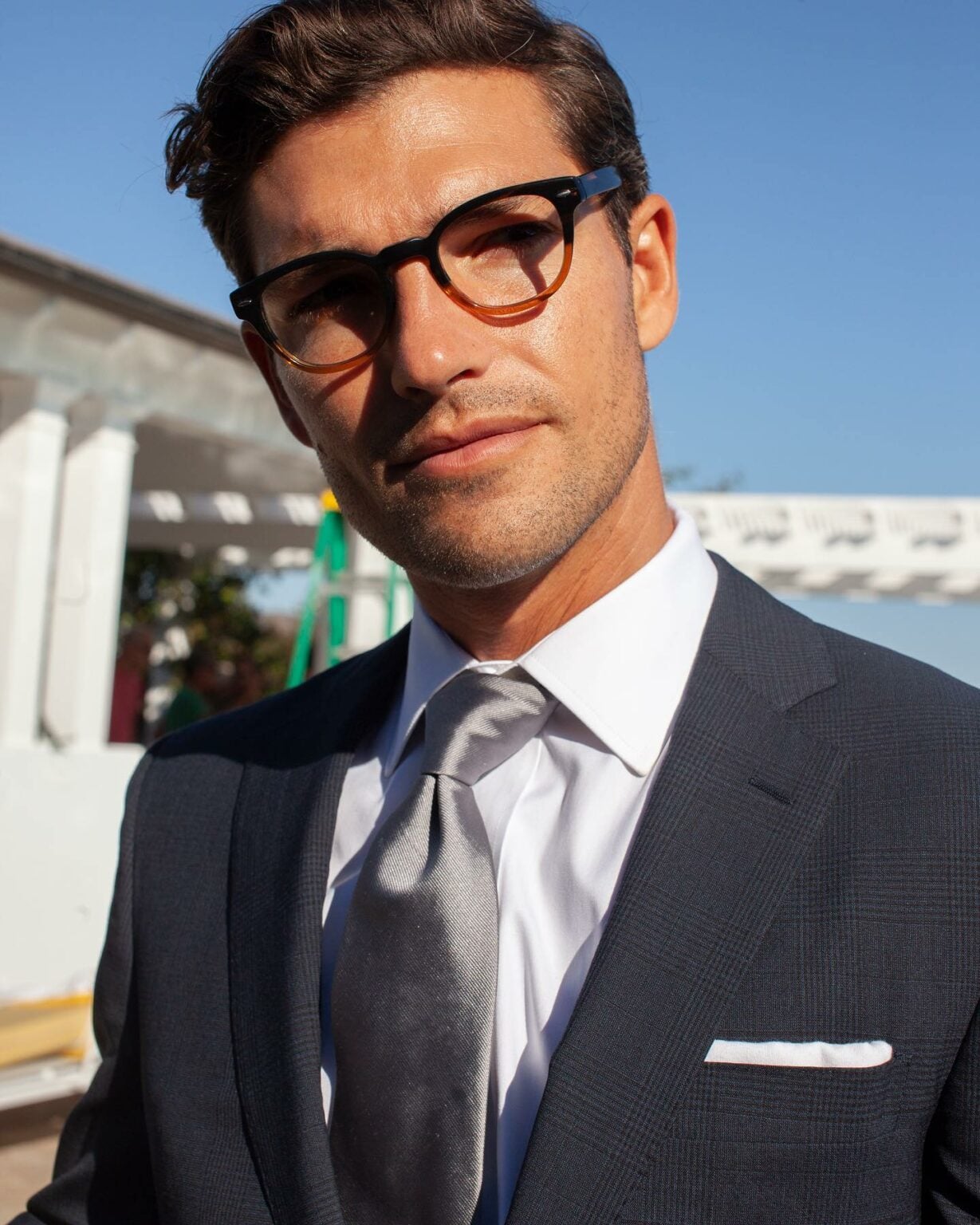
Professional Dress for Men: The Complete Modern Workplace Standard
Professional dress for men encompasses a curated system of tailored garments, coordinated accessories, and meticulous grooming standards designed to project authority, competence, and respect within corporate and formal business enviro...
Professional dress for men encompasses a curated system of tailored garments, coordinated accessories, and meticulous grooming standards designed to project authority, competence, and respect within corporate and formal business environments. Maintaining this standard requires balancing traditional sartorial rules with modern comfort, seasonal fabrics, and industry-specific expectations, ensuring that every element from the collar stay to the shoe polish serves a distinct communicative and functional purpose.
Contents
Understanding the Modern Professional Dress Spectrum
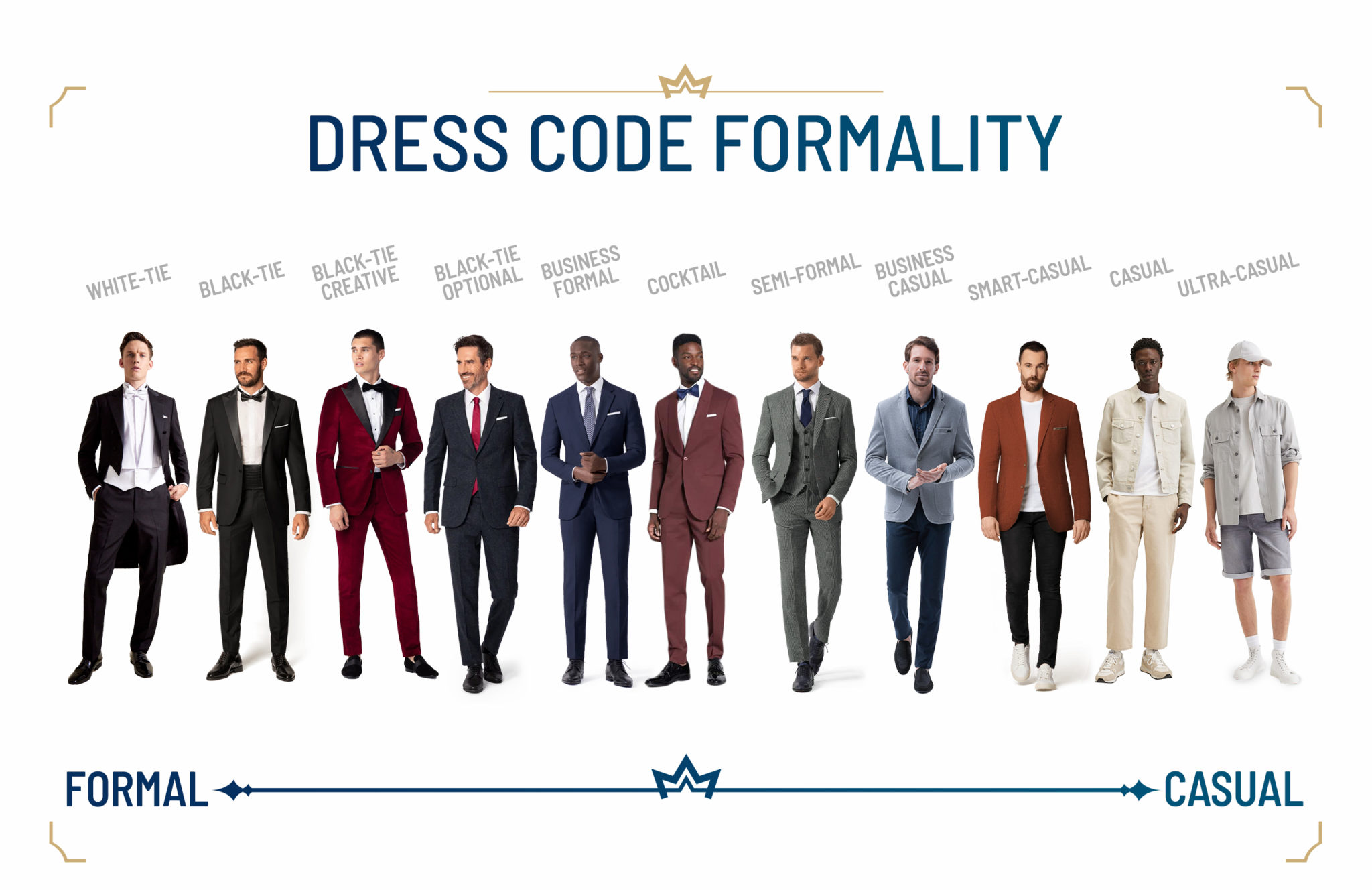
Workplace dress codes have evolved significantly, shifting from rigid, universal uniformity to context-dependent guidelines. However, the foundational definitions of professional attire remain anchored in tailoring, fit, and fabric quality. Navigating these expectations requires distinguishing between the primary tiers of professional wear: traditional business formal, contemporary business casual, and smart casual adaptations.
Each tier serves a specific operational purpose within the modern organization. Understanding where your industry, role, and daily schedule fall on this spectrum prevents costly wardrobe missteps.
Business Formal vs. Business Casual
Business formal—often referred to as executive or traditional corporate wear—mandates a matching suit, a button-down dress shirt, a conservative silk tie, and leather dress shoes. This standard remains non-negotiable in sectors such as high-stakes finance, elite corporate law, and high-level diplomatic or boardroom settings.
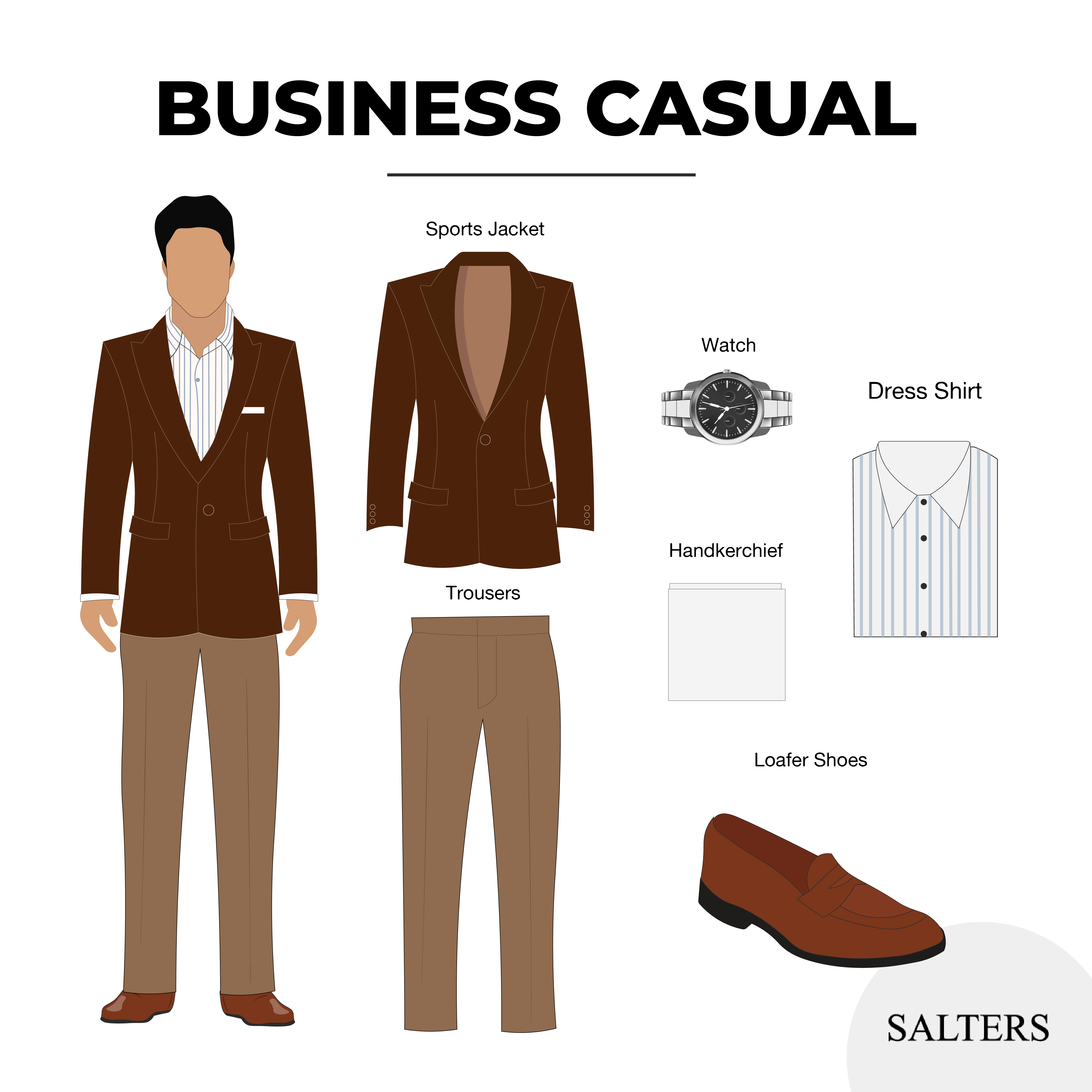
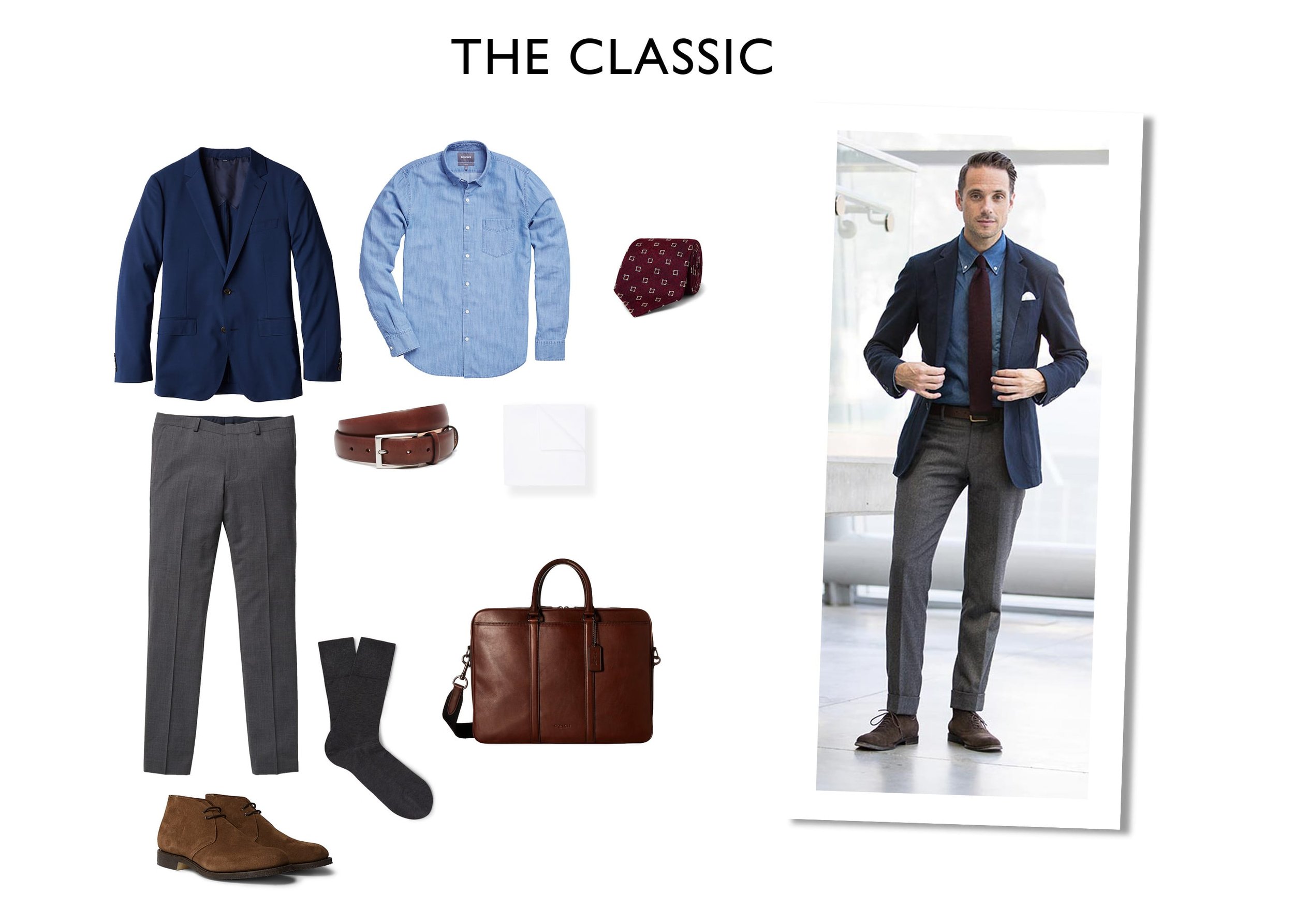
Conversely, business casual removes the requirement for a full matching suit and tie while retaining a structured, tailored aesthetic. A typical business casual configuration pairs tailored trousers or chinos with a collared dress shirt or a fine-gauge knit sweater, often layered with a sport coat or unstructured blazer.
| Element | Business Formal | Business Casual |
|---|---|---|
| Primary Garment | Two or three-piece matching suit (wool, charcoal/navy) | Tailored trousers, chinos, or blazer with odd trousers |
| Shirt Selection | Crisp white or light blue poplin/broadcloth with tie | Button-down dress shirt, polo, or fine-gauge knit |
| Footwear | Oxfords or Derby shoes in black or dark brown calfskin | Loafers, brogues, or clean leather dress shoes |
| Layering | Suit jacket or vest | Blazer, sport coat, or none |
The Anatomy of a Professional Suit
The suit remains the cornerstone of men's professional dress. Selecting and maintaining a professional suit requires evaluating fabric composition, construction quality, and tailoring precision.
Fabric Selection and Weight
High-quality professional suits are crafted from natural fibers, primarily wool. Wool offers exceptional breathability, wrinkle resistance, and structural drape across all four seasons.
- Super Numbers: Wool fabrics are graded by "Super" numbers (e.g., Super 110s, Super 130s), indicating the fineness of the yarn. For daily professional wear, Super 100s to Super 130s provide the ideal balance of luxurious hand-feel and long-term durability. Higher numbers (Super 150s and above) are exceptionally delicate and prone to premature wear.
- Weaves: Tropical wool works well for warmer climates, while flannel and tweed provide necessary insulation during winter months. Avoid synthetic blends like polyester, which trap heat, retain odors, and lack the refined matte finish required in professional spaces.
Fit and Tailoring
Regardless of cost, an ill-fitting suit destroys professional credibility. Proper tailoring focuses on three critical areas:
- The Shoulders: The shoulder seam of the jacket must flatly align with your natural shoulder bone. Excess padding or puckering indicates an incorrect size that cannot be easily altered.
- The Chest and Torso: Buttoning the jacket should create a clean line without pulling into an "X" shape across the stomach. A slight suppression at the waist creates a classic, athletic silhouette.
- Sleeve and Trouser Break: The jacket sleeve should end approximately one-quarter to one-half inch above the shirt cuff, exposing a sliver of linen. Trouser hems should rest lightly against the top of the shoe, creating either a slight "break" or a clean "no-break" modern finish.
Shirts, Ties, and Furnishings
The foundational garments worn beneath and alongside the suit dictate much of your daily comfort and visual polish.
Dress Shirt Specifications
A professional dress shirt should be crafted from 100% cotton poplin, broadcloth, or twill.
- Collar Styles: A semi-spread or full-spread collar accommodates a wide range of tie knots and frames most face shapes effectively. Button-down collars, while acceptable in relaxed business casual environments, are generally too casual for formal corporate presentations or courtroom appearances.
- Cuffs: Barrel cuffs secured with buttons are standard, but French cuffs paired with subtle metal cufflinks project an elevated level of formality.
- Color Palette: White and light sky blue remain the professional gold standard. Subtle patterns such as narrow Bengal stripes or micro-checks are acceptable, provided they do not clash with your suit or tie.
Neckwear and Accessories
When wearing a tie, select 100% silk variants with subtle, classic patterns like foulard, grenadine, or neat geometric prints. Avoid novelty prints, loud neon colors, or overly shiny polyester fabrics. The tip of your tied neckwear should rest precisely in the middle of your belt buckle.
Pocket squares add a touch of personality, but they should complement, not identically match, your neckwear. Silk or linen pocket squares folded in a clean presidential TV fold or a soft puff maintain an understated, professional elegance.
Footwear and Leather Goods
Shoes and leather accessories are subject to intense scrutiny in professional environments and often serve as an indicator of an individual's attention to detail.
- Shoe Styles: Oxford and Derby shoes in smooth calfskin leather are essential for business formal dress. In business casual settings, tassel loafers, penny loafers, and wingtip brogues are completely appropriate. Always match your belt leather precisely to your shoe leather—black shoes require a black belt; brown shoes require a matching shade of brown.
- Maintenance: Leather shoes must be cleaned, conditioned, and polished regularly. Invest in cedar shoe trees to insert immediately after wearing; these absorb residual moisture and preserve the structural integrity of the leather.
- Bags and Briefcases: Carry professional documents and laptops in a structured leather briefcase, attaché, or a minimalist full-grain leather folio. Avoid canvas backpacks or worn-out nylon messenger bags, which detract from tailored clothing.
Grooming and Personal Presentation
Garments alone do not complete the professional standard; personal grooming is an integral component of professional dress for men. Hair should be neatly styled and maintained at a length appropriate for your industry. Facial hair must be meticulously trimmed, shaped, and clean—unruly beards or stubble signal a lack of polish in conservative corporate environments.
Scent should be applied with extreme moderation; a faint, clean fragrance should only be detectable by someone standing within your immediate personal space. Fingernails must be clean and trimmed short.
Frequently Asked Questions
What are the core colors for a professional men's wardrobe?
The most versatile and professional colors for suits are solid navy blue and charcoal gray. Every working professional should own these two foundational colors before branching into patterned suits, lighter grays, or subtle earthy tones. They provide maximum versatility for mixing shirts and ties across different seasons and meeting types.
Can I wear black suits in professional environments?
While black is standard for evening formal wear and funerals, it is traditionally discouraged for daytime business settings. Black can appear harsh under fluorescent office lighting and lacks the versatile warmth of charcoal gray or navy blue. Reserve black tailoring exclusively for evening events, galas, or specific formal occasions.
How many shirts and ties do I need for a week of professional work?
A functional professional rotation requires a minimum of five to seven high-quality dress shirts, allowing for laundering cycles and rotation. For ties, having five to ten conservative options in various shades of blue, burgundy, and subtle patterns ensures you can easily coordinate daily without repeating identical looks too frequently.
Is it acceptable to wear sneakers with business casual dress?
In select technology, creative, and modern startup environments, clean, minimalist leather sneakers in solid white or dark tones are acceptable. However, in traditional corporate, legal, financial, or consulting environments, sneakers remain strictly prohibited. When in doubt, default to leather loafers or dress shoes.
How often should a professional suit be dry cleaned?
Over-cleaning damages the natural fibers of wool suits. Unless a suit is stained or heavily soiled, it rarely needs dry cleaning more than two to three times per year. Instead, brush the suit gently with a horsehair garment brush after wearing to remove dust, and hang it on a wide wooden hanger to air out.
Next Actions and Implementation
Begin upgrading your professional wardrobe by conducting a rigorous audit of your current closet. Discard items that no longer fit, show visible wear, or rely on synthetic fabrics. Invest first in a well-fitted navy blue suit, followed by two crisp white and two light blue cotton dress shirts, and a pair of high-quality brown or black leather Oxfords. Establish a relationship with a local tailor, as even off-the-rack garments require minor adjustments to achieve the polished fit that defines true professional dress.
Image Gallery