The Bird Box Story: How a Simple Nesting Box Shaped a Community
The bird box story explores how the installation of a single nesting box sparked environmental awareness, united residents, and transformed local conservation efforts within a community, demonstrating how small ecological interventions...
The bird box story explores how the installation of a single nesting box sparked environmental awareness, united residents, and transformed local conservation efforts within a community, demonstrating how small ecological interventions can foster deep neighborhood engagement and shared stewardship of local wildlife.
Contents
Introduction: The Catalyst for Community Conservation
Environmental restoration often begins with grand initiatives, sweeping policy changes, or large-scale habitat rewilding projects. Yet, profound transformation frequently starts on a micro scale. The bird box story illustrates this principle vividly. What began as a modest, practical effort to provide shelter for local cavity-nesting birds evolved into a community-wide movement. This initiative redefined how residents interacted with their local ecosystem, bonded with one another, and perceived their collective responsibility toward urban and suburban nature.
In many modern neighborhoods, residents live in close physical proximity while remaining socially and ecologically isolated. Green spaces are often managed passively or viewed merely as aesthetic backdrops rather than living biological networks. The introduction of a simple wooden nesting box—whether mounted on an old oak tree in a shared park, a schoolyard fence, or a backyard perimeter—acts as a focal point. It draws human attention away from indoor screens and toward the rhythms of the natural world. This comprehensive exploration examines the structural components of the bird box project, the psychological and social shifts it inspired, the practical steps required to replicate its success, and the enduring legacy of community-led conservation.
Understanding the Ecological Foundation
Before a nesting box can unite a community, it must fulfill a precise biological requirement for the target species. Successful community conservation projects rely on ecological accuracy rather than decorative appeal. Understanding the relationship between local fauna and artificial habitats is the first step in ensuring that a community project yields genuine conservation benefits rather than ecological traps.
Selecting the Right Design for Local Species
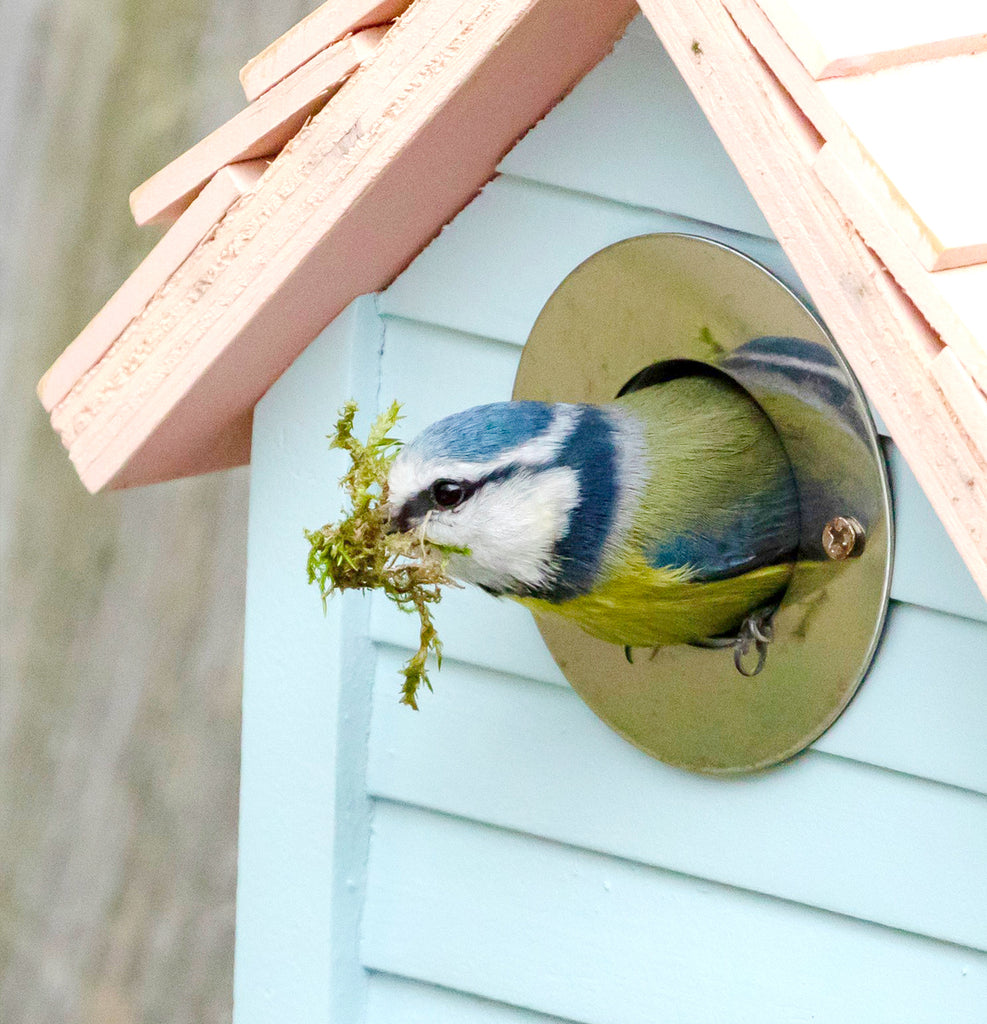
Different avian species possess distinct architectural preferences for nesting. A box built for a Black-capped Chickadee or a House Wren will fail to attract larger birds like Eastern Bluebirds or Tree Swallows, and vice versa. Key design specifications dictate success:
- Hole Diameter: The size of the entrance hole is the primary exclusionary factor, preventing larger predatory birds or invasive species from entering.
- Internal Dimensions: Floor area and cavity depth must match the natural clutch size and brooding requirements of the target species.
- Ventilation and Drainage: Proper airflow prevents overheating, while slotted floors or drilled holes allow accumulated moisture to escape, protecting nestlings from dampness and disease.
- Untreated Lumber: Wood such as cedar, redwood, or unpainted exterior-grade plywood provides natural insulation and durability without introducing toxic chemical residues.
When a community collaborates to research these specifications, education becomes an organic byproduct. Schoolchildren learn about ornithology, local biology, and seasonal animal behaviors, translating abstract scientific concepts into tangible, hands-on experiences.
Avoiding Common Ecological Pitfalls
A poorly constructed or incorrectly placed nesting box can cause more harm than good. Well-meaning community initiatives often fail due to several avoidable errors:
- Perches: Many commercial bird boxes include small wooden perches below the entry hole. Conservationists advise against these, as they primarily benefit avian predators, giving them a foothold to harass nesting parents and raid eggs.
- Incorrect Placement Height: Mounting boxes too low makes them vulnerable to domestic cats, raccoons, and human vandalism. Mounting them too high makes monitoring and seasonal cleaning impossible.
- Lack of Monitoring: Unmonitored boxes can be overtaken by invasive species, such as House Sparrows or European Starlings, which aggressively displace native cavity nesters.
Addressing these challenges requires collective vigilance. Communities that succeed establish guidelines, monitor occupancy rates, and share troubleshooting strategies, transforming individual hobbyists into a coordinated network of citizen scientists.
From Isolation to Engagement: How the Project Unites Neighbors
The true power of the bird box story lies less in ornithology and more in sociology. Modern neighborhoods often lack shared communal goals outside of homeowners' association meetings or emergency responses. Installing and maintaining nesting boxes provides a neutral, positive, and deeply rewarding focal point for community interaction.
Collaborative Workshops and Construction
The journey often begins with a workshop. Local community centers, libraries, or community gardens can host weekend events where residents gather to build nesting boxes from pre-cut kits or raw lumber. This phase breaks down social barriers:
- Intergenerational Transfer of Skills: Older residents with woodworking experience can mentor children and young adults, passing down practical craftsmanship.
- Shared Resource Pooling: Participants can pool resources to purchase bulk materials, specialized tools, and mounting hardware, reducing individual costs.
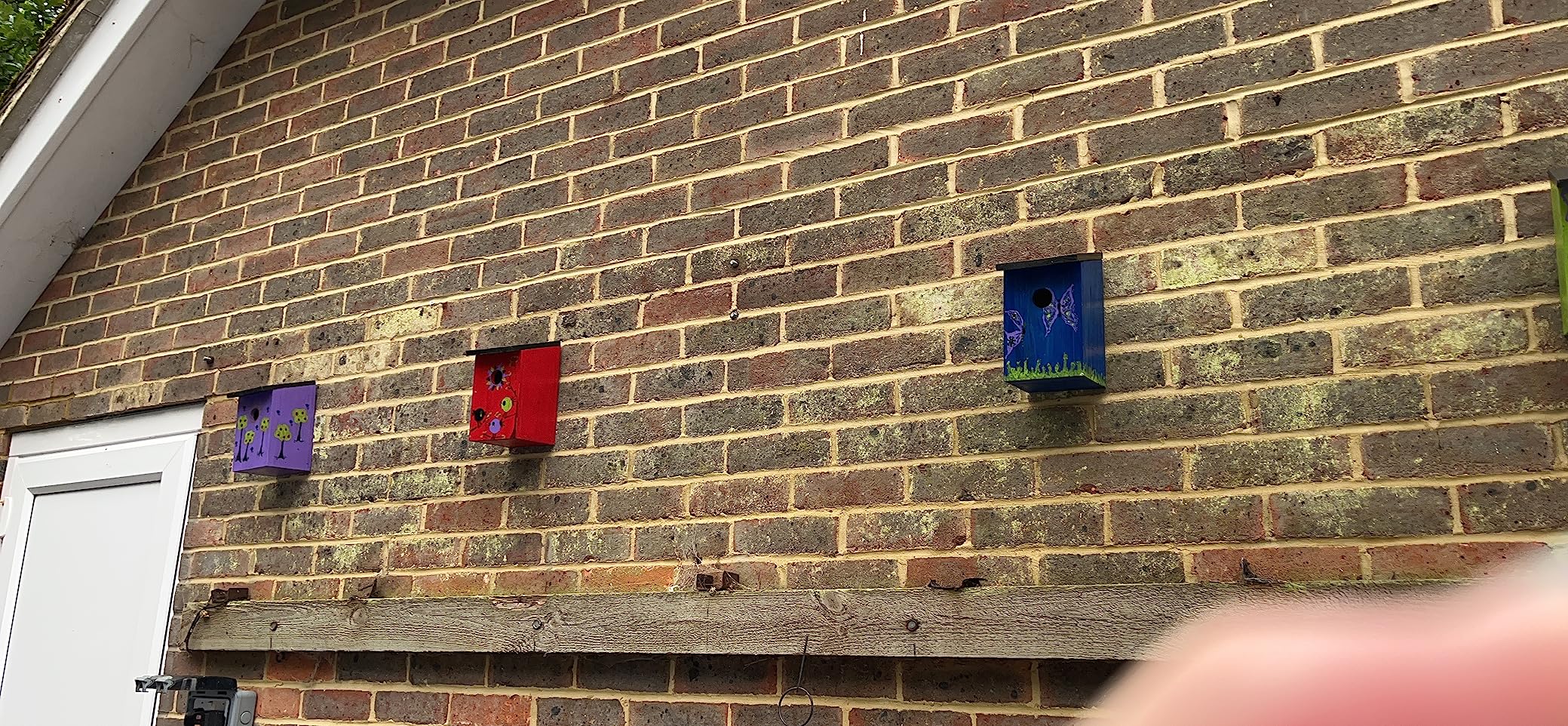
- Creative Expression: While strict dimensions must be maintained for the interior and entrance, exterior surfaces often become canvases for local artists, school groups, or nature clubs, embedding community identity into the physical structures.
Citizen Science and Collaborative Monitoring
Once the boxes are installed across the neighborhood, the dynamic shifts from construction to observation. This is where individual yards and public spaces become an interconnected wildlife corridor. Neighbors begin comparing notes on nesting activity, egg-laying dates, and fledgling successes.
| Phase of Project | Community Action | Primary Benefit |
|---|---|---|
| Planning & Design | Researching local bird species and selecting appropriate blueprints. | Educational engagement and scientific literacy. |
| Workshop Construction | Building boxes collaboratively using raw lumber and proper tools. | Intergenerational bonding and skill-sharing. |
| Installation | Mapping out optimal placement across public and private lands. | Establishing connected urban wildlife corridors. |
| Monitoring & Maintenance | Observing nesting behavior and cleaning boxes post-season. | Long-term ecological data collection and community stewardship. |
Participating in standardized monitoring programs allows local neighborhoods to contribute real-world data to broader ornithological databases, such as NestWatch managed by the Cornell Lab of Ornithology. This transforms a hyper-local hobby into a contribution to global scientific research, instilling a profound sense of pride among participants.
Overcoming Resistance and Navigating Challenges
No community initiative unfolds without hurdles. Introducing wildlife infrastructure into shared or suburban spaces can trigger debates concerning property rights, maintenance responsibilities, and ecological management.
Addressing Concerns Over Pests and Maintenance
A common initial objection from community members is that nesting boxes will attract rodents, stinging insects, or nuisance wildlife. Addressing these concerns requires transparent communication and adherence to best practices:
- Squirrel and Predator Baffles: Installing metal or PVC baffles on mounting poles prevents mammalian predators and squirrels from chewing through entrance holes to enlarge them.
- End-of-Season Cleanouts: Establishing a schedule to clear out old nesting material in the late autumn prevents parasite buildup, such as bird mites, ensuring safe habitation for the following spring.
- Public Education: Providing clear documentation explaining that native songbirds are beneficial insectivores that naturally help control garden pests helps shift public perception.
Navigating Public Land Policies
Installing boxes on municipal property, parks, or school grounds requires navigating local bureaucratic frameworks. Community leaders must engage with local park districts, municipal authorities, or school boards to secure necessary permissions. Doing so often opens doors to broader institutional support, such as municipal grants for native plant landscaping, turning a grassroots bird box project into an officially recognized municipal sustainability effort.
| Challenge | Potential Impact | Recommended Solution |
|---|---|---|
| Predation by Cats/Raccoons | Nest failure and adult bird mortality. | Use predator baffles and mount boxes at recommended heights on smooth metal poles. |
| Invasive Species Takeover | Displacement of native cavity nesters. | Monitor weekly and legally remove invasive nests and eggs if necessary. |
| Lack of Long-term Maintenance | Abandoned, deteriorating boxes that harm wildlife. | Form a dedicated volunteer committee with rotating seasonal responsibilities. |
Expanding the Ecological Footprint: Beyond the Single Box
The momentum generated by a successful bird box initiative rarely stops at avian conservation. Once a community experiences the tangible benefits of welcoming wildlife into their shared environment, participants naturally look for ways to expand their ecological footprint.
Native Plant Landscaping
A nesting box provides shelter, but birds require sustenance to raise their young. Caterpillars, beetles, and native seeds are essential, and these organisms depend entirely on native vegetation. Communities inspired by the bird box story frequently transition to planting native perennial gardens, removing invasive turf grass, and reducing or eliminating the use of chemical pesticides and synthetic fertilizers.
Water Conservation and Habitat Enhancement
Adding birdbaths, shallow ponds, brush piles for ground-foraging species, and pollinator-friendly flower beds creates a comprehensive sanctuary. This multi-layered approach transforms sterile suburban landscapes into biodiverse micro-habitats. Neighbors begin viewing their properties not as isolated parcels, but as interconnected nodes within a broader ecological web.
Long-Term Community Resilience and Legacy
The enduring legacy of the bird box story is cultural rather than purely biological. When people work together toward a shared, positive environmental goal, social capital increases. Trust builds among neighbors who might otherwise remain strangers. Children grow up with an active connection to the natural world, fostering lifelong values of conservation, empathy, and scientific curiosity.
Furthermore, these grassroots initiatives build community resilience. Neighborhoods that learn to organize, communicate, and execute small-scale ecological projects are better equipped to tackle larger challenges, whether those involve local urban planning decisions, climate adaptation strategies, or disaster recovery efforts. A simple wooden box, measuring barely a cubic foot, becomes a powerful catalyst for human connection and environmental stewardship.
Practical Recommendations for Starting Your Own Community Project
For readers inspired to replicate this community-building model within their own neighborhoods, a structured, step-by-step approach ensures long-term success:
- Form a Core Group: Gather a small coalition of interested neighbors, local educators, or conservation volunteers to share initial planning duties.
- Identify Target Species: Consult local wildlife agencies or Audubon chapters to determine which native cavity-nesting birds are native to your specific geographic region and habitat type.
- Secure Funding and Materials: Source untreated lumber, corrosion-resistant screws, and mounting hardware through donations, local hardware store partnerships, or community fundraising.
- Host an Open Workshop: Organize a family-friendly building day with clear instructions, proper tools, and educational materials regarding box placement and maintenance.
- Map and Monitor: Create a neighborhood map tracking the location of each installed box, assign monitors for each zone, and schedule seasonal check-ins to evaluate success.
Frequently Asked Questions
What is the best time of year to install a bird nesting box?
The ideal time to install a nesting box is in late winter or early spring, typically between January and March depending on your climate. This allows the wood to weather slightly and gives early-returning migratory birds or resident species ample time to discover and claim the territory before the breeding season begins.
Do bird boxes need to be cleaned out every year?
Yes. Cleaning out old nesting material annually in the late autumn—after nesting season has completely ended—is critical. Old nests can harbor parasites such as bird mites and fleas, and leaving them inside can reduce the interior cavity depth, making future broods more vulnerable to predators.
Can mounting a bird box attract unwanted pests to my property?
When properly constructed and installed, native bird boxes do not attract household pests like mice or rats. Native songbirds primarily consume insects, spiders, and seeds, acting as natural pest controllers in gardens rather than drawing nuisances. Using metal predator guards further ensures that unwanted mammals cannot nest inside the boxes.
How high should a bird box be mounted off the ground?
Mounting height varies depending on the target species. For smaller songbirds such as bluebirds, chickadees, and wrens, a height of 4 to 6 feet on a secure pole is generally recommended. This height keeps the box out of reach of many ground predators while remaining accessible for seasonal monitoring and maintenance.
What kind of wood should be used to build a durable bird box?
Untreated cedar, redwood, or exterior-grade exterior plywood are the best choices. Avoid pressure-treated lumber, as the chemical preservatives can be toxic to eggs and nestlings. Unpainted wood provides natural insulation against extreme temperatures and blends harmoniously into the surrounding environment.
Image Gallery