Understanding Zermatt Neos Net Worth in Context
Evaluating the net worth associated with Zermatt Neos requires a nuanced look at municipal economics, luxury alpine tourism, private equity holdings, and local corporate valuations rather than a simple celebrity-style ledger. Because "...
Evaluating the net worth associated with Zermatt Neos requires a nuanced look at municipal economics, luxury alpine tourism, private equity holdings, and local corporate valuations rather than a simple celebrity-style ledger. Because "Zermatt Neos" intersects with specific regional enterprises, local political movements, or high-net-worth real estate syndicates in the elite Swiss alpine village of Zermatt, defining its true financial footprint demands a structured breakdown of assets, liabilities, and economic context.
Contents
The Economic Landscape of Zermatt
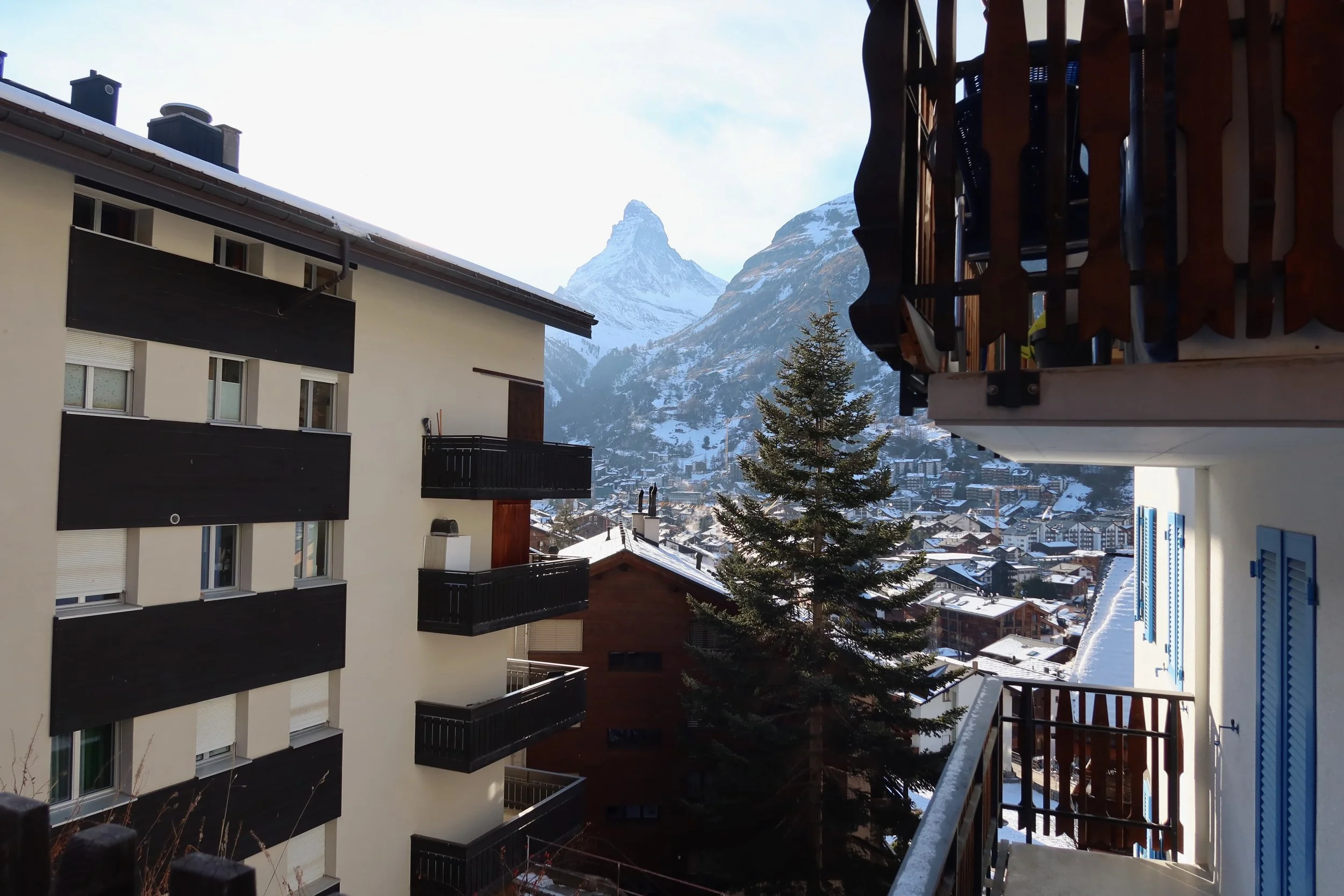
To understand any corporate entity or localized financial brand operating within Zermatt, one must first comprehend the unique macroeconomic environment of the region. Zermatt is not a standard municipal market; it is one of the world's most exclusive, car-free alpine resort destinations, driven by high-yield tourism, luxury hospitality, and premium real estate.
The local economy functions on a constrained supply model. Strict zoning laws, federal regulations regarding foreign property ownership (such as the Lex Koller), and geographical boundaries mean that commercial valuations and asset worth do not fluctuate according to standard urban market metrics. Real estate in prime positions near the Matterhorn view corridors commands astronomical square-meter prices, anchoring the balance sheets of any operating entity based in the municipality.
Furthermore, tourism revenues in Zermatt are remarkably resilient. Even during broader economic downturns, high-net-worth individuals from across the globe continue to frequent the ski lifts, luxury chalets, and fine-dining establishments. Any entity operating under or associated with the Neos banner in this ecosystem benefits—directly or indirectly—from this captive, affluent demographic.
Defining the Neos Entity and Its Financial Scope
When analyzing the net worth of a localized or niche entity like Zermatt Neos, disambiguation is crucial. The term typically points toward a specific corporate holding, cooperative venture, or localized business initiative rather than an individual public figure.
- Asset Base: This includes physical real estate, long-term leases on commercial properties, hospitality infrastructure, and specialized alpine equipment.
- Liquid Capital & Reserves: Operating accounts, short-term investments, and cash flow derived from seasonal tourism peaks.
- Intellectual Property & Brand Equity: The intrinsic value of operating under a recognized local banner within a high-prestige destination.
- Liabilities & Debt Obligations: Mortgages on alpine properties, seasonal staffing loans, and maintenance expenditures required to meet Swiss environmental and building standards.
Evaluating these components requires examining audited financial statements where available, public land registry records, and industry benchmarks for alpine commerce. Because private Swiss entities are not subject to the same public disclosure requirements as publicly traded corporations, exact net worth figures are often estimated through secondary economic indicators, tax assessments, and comparable market transactions.
Comparative Valuation of Alpine Enterprises
To contextualize the financial scale of Zermatt-based ventures, it helps to compare them against broader hospitality and regional enterprise models within the Swiss Valais canton.
| Valuation Metric | Standard Alpine Small Business | Zermatt-Centric Premium Enterprise | Regional Swiss Corporate Average |
|---|---|---|---|
| Primary Revenue Driver | Seasonal walk-in tourism | High-net-worth recurring clientele | Diversified B2B/B2C models |
| Real Estate Exposure | Leased commercial space | High-value freehold or secured long-term rights | Mixed commercial portfolios |
| Capital Intensity | Low to Moderate | Extremely High (maintenance, luxury standards) | Moderate |
| Market Resilience | Vulnerable to weather/snow conditions | High resilience due to luxury brand positioning | Moderate to High |
This comparative matrix illustrates why standard financial formulas fail when applied directly to Zermatt enterprises. The premium attached to operating within the municipal boundaries inflates asset-backed net worth far beyond what the operational revenue alone might suggest.
Factors Influencing Fluctuations in Net Worth
Several external and internal variables directly impact the net worth profile of entities operating in this geographical niche:
- Currency Exchange Rates: The strength of the Swiss Franc (CHF) against the Euro and US Dollar plays a vital role. While a strong CHF protects domestic purchasing power, it can impact international tourism volume if foreign currencies weaken significantly.
- Regulatory Shifts: Changes in Swiss federal zoning laws, environmental regulations regarding carbon footprints in alpine regions, and tax policy adjustments directly affect operational margins and property valuations.
- Climate and Environmental Realities: Investments in snow-making infrastructure, sustainable energy systems, and climate adaptation strategies represent significant capital expenditures that influence long-term asset value.
- Global Wealth Trends: The concentration of global wealth among ultra-high-net-worth individuals dictates the demand ceiling for luxury hospitality and premium real estate assets in Zermatt.
Common Misconceptions Regarding Regional Net Worth
When observers attempt to calculate the net worth of localized Swiss entities, several common errors often distort the picture:
- Conflating Gross Revenue with Net Worth: High tourist turnover and expensive lift tickets or hotel rates do not automatically translate to massive net profit or high net worth. Operating costs in Zermatt—including logistics (transporting goods via electric vehicles or trains since cars are banned), high Swiss wage standards, and strict maintenance protocols—eat significantly into gross margins.
- Ignoring Encumbrances: Many high-value alpine assets carry substantial mortgages or are held within complex debt-financed structures designed to optimize tax efficiency rather than display raw liquidity.
- Overestimating Liquidity: A portfolio heavily weighted in prime Zermatt real estate is rich in net worth on paper, but turning those assets into immediate liquid cash can take considerable time due to regulatory hurdles and the limited pool of qualified buyers.
Practical Guidance for Financial Analysis
For analysts, investors, or researchers attempting to evaluate Zermatt-focused financial profiles:
- Verify Source Documentation: Rely on official Swiss commercial register extracts (Zefix and cantonal land registries) rather than speculative blog posts or generalized wealth estimators.
- Account for Structural Overhead: Factor in the unique logistical costs of operating in a car-free alpine resort when reviewing operational profitability.
- Monitor Regulatory Updates: Keep track of ongoing revisions to Swiss property acquisition laws for non-residents, as these directly influence asset liquidity and valuation ceilings.
Frequently Asked Questions
What determines the net worth of businesses operating in Zermatt?
The net worth of entities in Zermatt is primarily driven by prime real estate valuations, brand equity within a luxury alpine tourism market, operational assets, and liquid capital reserves. High barriers to entry and strict municipal zoning preserve these asset values over time.
Why are financial figures for Zermatt-based private entities often difficult to verify?
Swiss privacy laws and the prevalence of private corporate structures mean that many businesses are not legally required to publish detailed public financial statements. Valuations must therefore be derived from land registries, industry benchmarks, and indirect economic indicators.
How do Swiss regulations impact the value of regional assets?
Federal laws such as the Lex Koller restrict foreign real estate ownership, while local cantonal and municipal zoning codes limit new construction. This creates a constrained supply market that generally supports high property and enterprise valuations.
Does the strength of the Swiss Franc affect local net worth stability?
Yes. A strong Swiss Franc provides long-term stability and protects asset purchasing power, though it can periodically influence international tourism pricing dynamics and foreign investment inflows.
Are operational costs higher for businesses based in Zermatt?
Operating in Zermatt involves unique expenses, including strict environmental compliance, high Swiss labor standards, and specialized logistics due to the village's car-free status, all of which impact net profit margins despite high gross revenues.
Next Actions for Detailed Research
To pursue a deeper financial investigation into Zermatt-based enterprises or related entities, begin by consulting official Swiss federal and cantonal commercial registers. Reviewing certified land registry extracts and consulting specialized Alpine real estate market reports will provide the most accurate empirical foundation for any valuation analysis.
Image Gallery