What Is a Radio Ad: A Comprehensive Guide to Audio Advertising
A radio ad is a short, broadcasted audio commercial designed to promote a product, service, brand, or event to listeners via terrestrial AM/FM broadcasts, satellite networks, or internet streaming platforms. Advertisers purchase specif...
A radio ad is a short, broadcasted audio commercial designed to promote a product, service, brand, or event to listeners via terrestrial AM/FM broadcasts, satellite networks, or internet streaming platforms. Advertisers purchase specific time slots, known as dayparts, to deliver persuasive messages that typically range from 15 to 60 seconds in duration.
Contents
Understanding the mechanics, formats, costs, and strategic value of radio advertising is essential for businesses seeking to capture localized or targeted audiences. While digital marketing often dominates modern media planning, traditional and digital audio continues to reach massive daily audiences. This guide explores what a radio ad is, how spots are structured, the distinct types available, and how marketers can effectively integrate audio into their broader promotional mix.
Understanding the Core Components of a Radio Ad
To grasp what makes a radio ad effective, one must examine its foundational elements. Unlike visual mediums where text, color, and imagery carry much of the weight, a radio commercial relies exclusively on the theater of the mind. Sound effects, voice acting, musical scoring, and copywriting must work in concert to capture attention within seconds and convey a clear, memorable message.
Every standard radio ad consists of several creative and technical layers. The script must be concise, typically allowing roughly 130 to 150 words for a 60-second spot. Producers layer voice talent over background music (bed music) and integrate relevant sound effects (sfx) to build context, mood, and urgency.
Key Creative Elements
- The Hook: The opening three to five seconds designed to stop listeners from tuning out or changing stations.
- The Value Proposition: A clear explanation of what is being offered and why the listener needs it.
- The Call to Action (CTA): A direct, easy-to-remember instruction telling the listener what to do next, such as visiting a website, calling a phone number, or visiting a physical storefront.
- The Sonic Branding: A memorable audio logo, jingle, or tagline that reinforces brand identity across multiple ad placements.
Common Formats of Radio Advertising
Radio advertising is not a one-size-fits-all medium. Broadcasters and independent media buyers utilize several distinct formats depending on campaign goals, budget constraints, and creative requirements.
| Format Type | Typical Duration | Best Suited For | Key Characteristics |
|---|---|---|---|
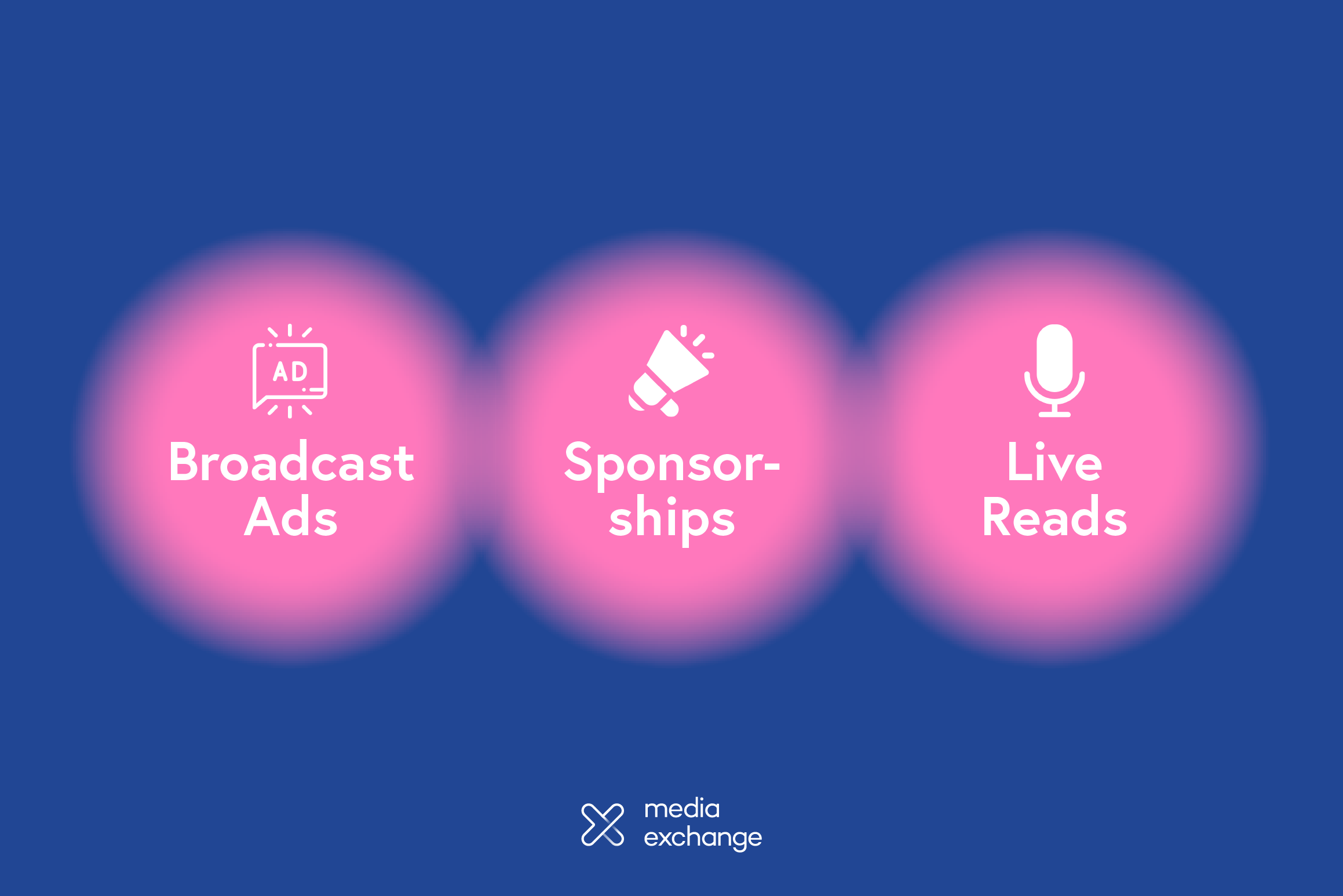
| Live Read | 15–60 seconds | Building trust, local promotions | Delivered live on-air by a trusted radio personality, lending organic credibility. |
| Production Spot | 30–60 seconds | Brand awareness, complex messaging | Pre-recorded commercial featuring professional voice actors, sound effects, and custom music. |
| Sponsorship | 5–15 seconds | Consistent frequency, high-recall branding | Brief mentions like "This traffic report brought to you by [Brand]." |
| Handoff / Endorsement | 30–60 seconds | Direct response, community engagement | Blends station programming directly into the advertiser's pitch. |
Live Reads Versus Pre-Produced Spots
A live read involves giving a script or bullet points to an on-air DJ or talk show host who delivers the commercial in real time. Because listeners often form parasocial relationships with their favorite radio personalities, a live read carries a powerful endorsement effect.
Conversely, a pre-produced spot is a meticulously engineered audio file delivered directly to the station's automation system. It offers complete creative control, ensuring that every sound effect, voice inflection, and musical beat matches exact brand guidelines across every station carrying the campaign.
Where and How Radio Ads Are Broadcast
When people think of radio ads, they traditionally picture local AM/FM commercial breaks. However, the distribution landscape has evolved significantly to include multiple delivery channels:
- Terrestrial AM/FM Radio: Traditional broadcast radio covering specific geographic designated market areas (DMAs). This remains the primary choice for hyper-local businesses targeting commuters and local consumers.
- Satellite Radio: Subscription-based services like SiriusXM that broadcast nationally, allowing brands to target broad demographics without localized geographic restrictions.
- Streaming Audio & Podcasts: Digital audio platforms (such as Spotify, Pandora, and iHeartRadio) that insert targeted audio ads dynamically based on user data, location, and listening habits.
Dayparts and Scheduling
Radio advertising costs and audience sizes fluctuate based on specific time blocks called dayparts. Media buyers must analyze these periods to maximize return on investment:
- Morning Drive (6:00 AM – 10:00 AM): Highly coveted due to commuters traveling to work or school; typically commands the highest advertising rates.
- Midday (10:00 AM – 3:00 PM): Reaches office workers, stay-at-home parents, and retail shoppers.
- Evening Drive (3:00 PM – 7:00 PM): Captures afternoon commuters heading home; another peak listening period.
- Evening and Overnight (7:00 PM – 6:00 AM): Features lower listenership and significantly reduced ad rates, making it cost-effective for frequency-heavy campaigns.
The Financial Mechanics: How Radio Ad Pricing Works
Pricing for a radio ad is determined by several interrelated variables, primarily centered around audience size, market rank, and scheduling frequency.
CPM and CPP Metrics
Media buyers evaluate radio costs using standard industry metrics:
- Cost Per Mille (CPM): The cost of reaching one thousand listeners. Terrestrial radio often boasts a competitive CPM compared to television and certain digital channels.
- Cost Per Point (CPP): The cost of reaching one rating point (a percentage of the target population within a specific market).
Factors Influencing Overall Campaign Cost
- Market Size: Advertising on a station in a major metropolitan area like New York or Los Angeles costs exponentially more than broadcasting in a rural or mid-sized market.
- Station Format: Talk radio, top-40 pop music stations, and dominant sports broadcasting networks generally command higher rates due to dedicated, engaged listener bases.
- Frequency and Rotational Packages: Purchasing a ROS (Run of Station) package—where the station places ads whenever inventory is available—costs less than locking in fixed placements during prime morning drive-time shows.
Advantages and Limitations of Radio Advertising
Like any marketing channel, radio advertising presents a unique balance of strengths and operational constraints that businesses must weigh carefully.
Strategic Advantages
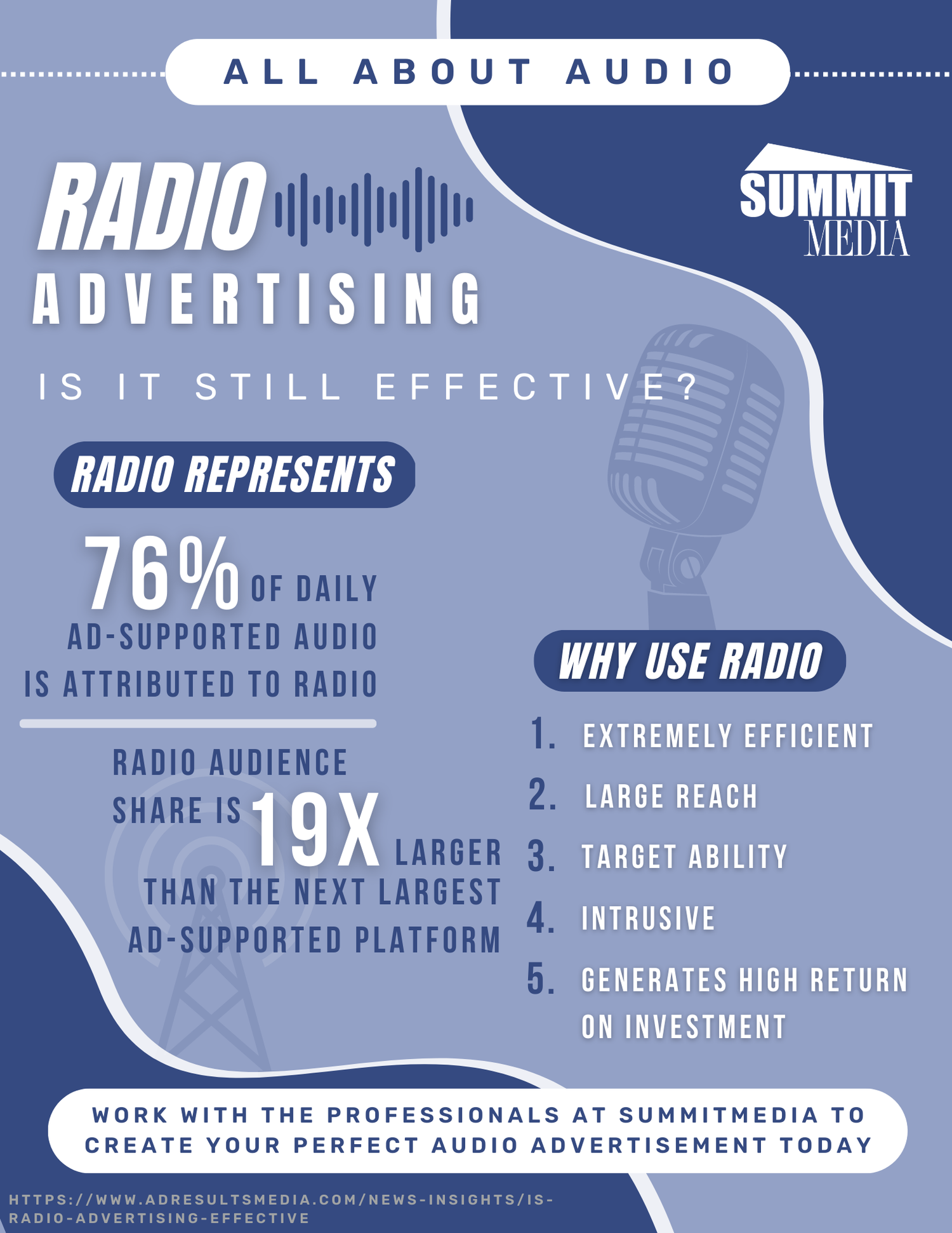
- High Reach and Local Penetration: Radio reaches millions of consumers daily before they make retail purchasing decisions, particularly in cars where visual ads cannot distract them.
- Cost-Effective Production: Producing a compelling audio ad is generally faster and significantly less expensive than shooting a television commercial.
- Targeted Demographics: Station formats naturally segment audiences by age, musical taste, income bracket, and cultural interests.
- Multitasking Audience: Listeners tune in while driving, working, or exercising, meaning ads reach consumers when they are away from traditional print or digital screens.
Limitations and Challenges
- Lack of Visual Element: Complex products requiring visual demonstration cannot be easily explained through audio alone.
- Fleeting Medium: Unlike a print ad or webpage, a radio spot vanishes the instant it plays; if a listener misses a phone number or website address, they cannot easily retrieve it while driving.
- Audience Fragmentation: The proliferation of streaming services and satellite radio has split listener attention across a wider array of platforms.
- Measurement Complexity: While digital audio allows precise tracking of impressions and clicks, traditional terrestrial radio relies on delayed ratings data provided by firms like Nielsen Audio.
Frequently Asked Questions About Radio Ads
How long is a standard radio commercial?
Standard radio ads are typically produced in 15-second, 30-second, or 60-second lengths. The 60-second spot remains the industry standard because it provides enough time to establish a narrative, explain a value proposition, and deliver a clear call to action.
How much does it cost to run a radio ad?
Costs vary drastically depending on the market size, station popularity, and broadcast time. Local ads in smaller markets may cost only a few dollars per spot, whereas national campaigns or prime-time slots in major metropolitan markets can cost thousands of dollars per airing.
What is the difference between terrestrial radio and streaming audio ads?
Terrestrial radio broadcasts via physical radio frequency waves to localized antennas, reaching broad local audiences simultaneously. Streaming audio ads are delivered over the internet to individual listeners, allowing for precise demographic, geographic, and behavioral targeting similar to digital display advertising.
Can small businesses successfully use radio advertising?
Yes. Many local businesses—such as auto repair shops, regional medical practices, local restaurants, and home service providers—effectively use local AM/FM stations to drive foot traffic and build local brand recognition.
How do advertisers track the success of a radio campaign?
Advertisers track campaign performance using several attribution methods, including dedicated vanity URLs, custom promo codes mentioned exclusively on air, spikes in website traffic during broadcast windows, and dedicated tracking phone numbers.
Next Steps for Launching an Audio Campaign
For organizations looking to deploy their first audio campaign, the process begins with defining clear campaign objectives and identifying the target listener persona. Businesses should research local or regional station formats that align with their audience, establish a realistic budget that accounts for adequate frequency (the number of times listeners hear the ad), and partner with experienced audio copywriters to craft a memorable, action-oriented script. Combining traditional broadcast spots with digital audio extensions provides a balanced, multi-touch approach that maximizes brand recall and market penetration.
Image Gallery