Understanding the Workers Compensation Practice Primer: A Comprehensive Guide for Legal and Insurance Professionals
Understanding the workers compensation practice primer requires navigating a complex intersection of administrative law, insurance economics, and employment standards. At its core, a practice primer serves as an essential foundational...
Understanding the workers compensation practice primer requires navigating a complex intersection of administrative law, insurance economics, and employment standards. At its core, a practice primer serves as an essential foundational reference manual that outlines statutory frameworks, procedural rules, and strategic considerations for managing occupational injury claims, employer liability, and benefits adjudication within specific state or federal jurisdictions.
Contents
The Core Foundations of Workers Compensation Law
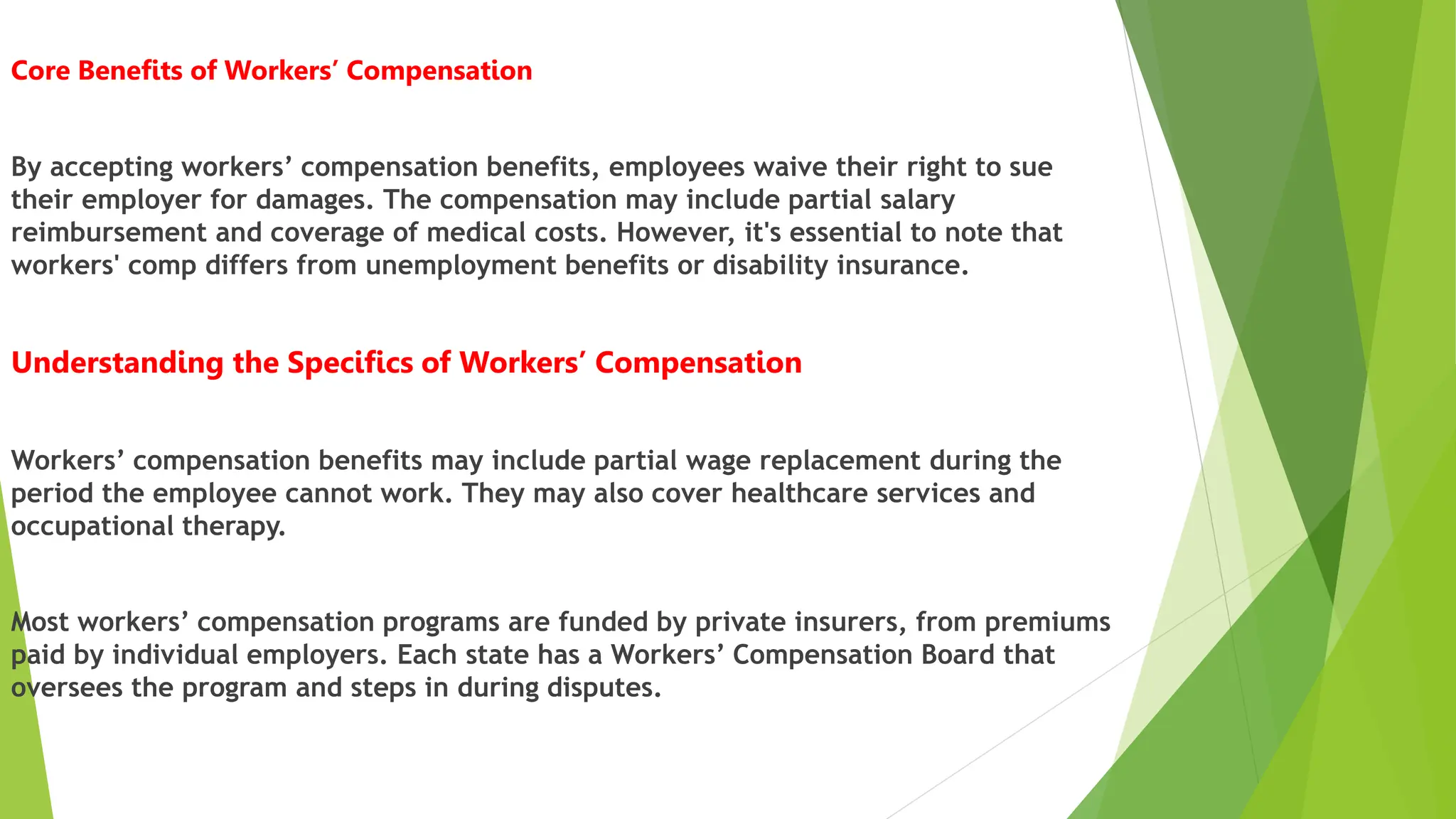
Workers compensation functions as a historic legislative compromise. In exchange for a guaranteed, no-fault system of medical benefits and wage replacement for injured workers, employers receive immunity from most civil tort lawsuits filed by employees. This quid pro quo forms the bedrock of modern occupational safety and insurance law.
To master this domain, practitioners must first understand the underlying statutory structures. Unlike standard civil litigation governed by common law, workers compensation operates almost exclusively within specialized administrative agencies, boards, or commissions. These bodies possess quasi-judicial powers to hear disputes, review medical evidence, and issue binding orders regarding benefit eligibility.
Statutory Purpose and Historical Context
The primary objective of workers compensation statutes is to ensure swift, certain financial and medical relief for employees who suffer injuries or illnesses arising out of and in the course of their employment. By removing the burden of proving employer negligence, the system drastically reduces protracted litigation. However, this no-fault framework introduces strict statutory limitations on the types and durations of recoverable benefits.
The Role of Administrative Agencies
Administrative law judges (ALJs) or hearing officers typically preside over contested claims rather than traditional civil judges and juries. Practitioners utilizing a workers compensation practice primer learn how to navigate these specialized venues, where rules of evidence are often relaxed, yet strict procedural deadlines govern every phase of the litigation lifecycle. Familiarity with local agency rules, filing protocols, and appellate paths is mandatory for effective advocacy.
Key Stakeholders and Their Legal Responsibilities
The workers compensation ecosystem involves a delicate balance of competing interests among four primary stakeholders: employees, employers, insurance carriers or third-party administrators (TPAs), and medical providers. Each party operates under distinct statutory mandates and incentives.
Employees and Benefit Eligibility
An injured worker must establish that an injury or occupational disease arose "out of and in the course of employment" (often abbreviated as AOE/COE). This dual requirement means the incident must occur while the employee is actively fulfilling job duties or reasonably incidental activities, and the causal connection to the workplace must be established by medical evidence.
Employers and Risk Management
Employers are generally required by state law to secure workers compensation insurance either through private carriers, state-managed funds, or approved self-insurance programs. Employers must maintain safe workplaces, report injuries to their insurers promptly, and cooperate with the interactive process for accommodating returning workers under applicable disability laws.
Insurers, TPAs, and Adjusters
Insurance carriers and TPAs manage the financial risk and administrative burden of claims. Claims adjusters investigate accidents, authorize or deny medical treatment, calculate temporary and permanent disability rates, and manage reserves. A reliable practice primer details the legal duties of good faith and fair dealing required of insurers during claim handling.
Anatomy of a Workers Compensation Claim
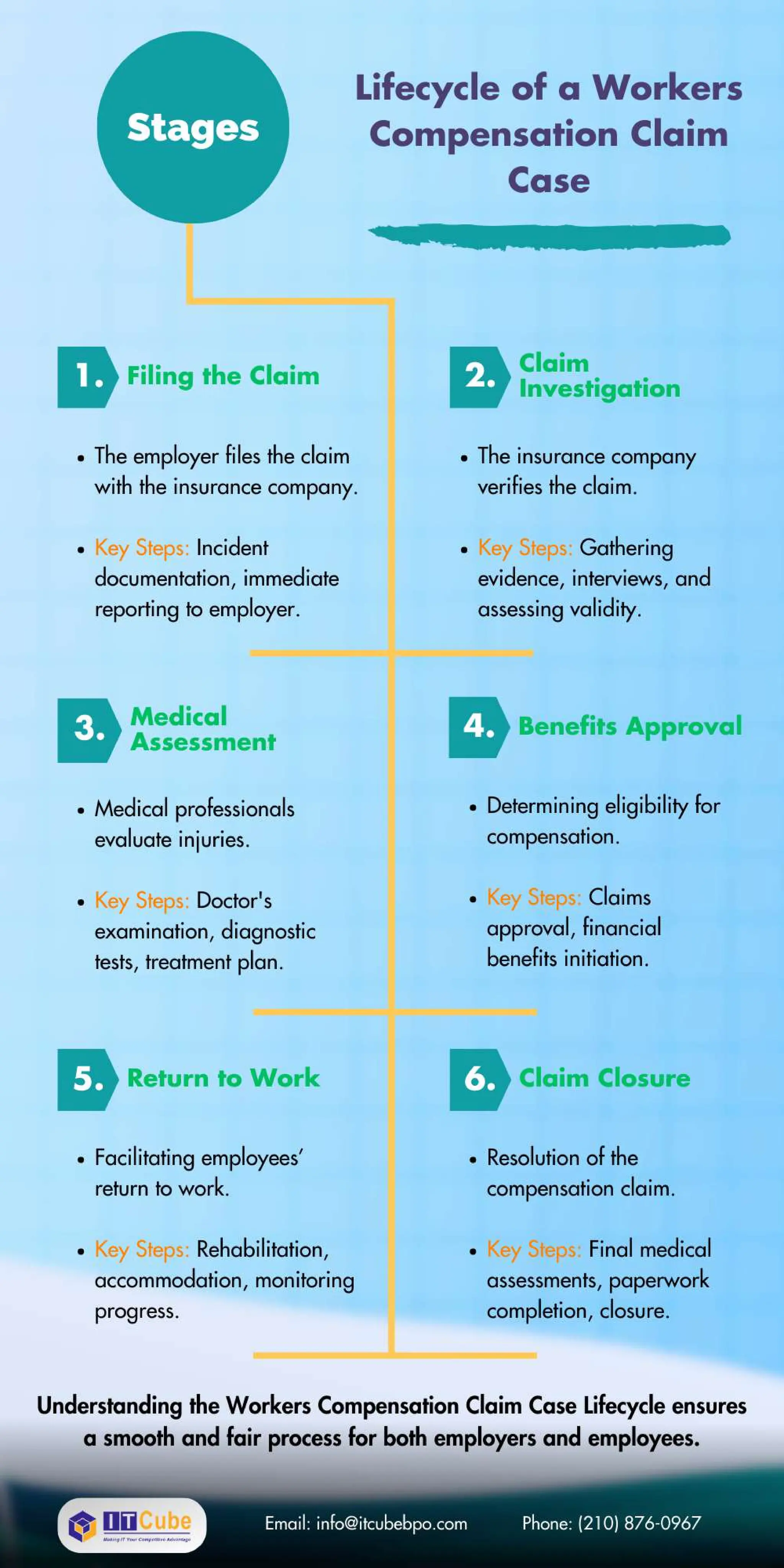
Navigating a claim from inception to resolution requires strict adherence to chronological procedures. Missing a statutory deadline can result in the complete forfeiture of benefits for an employee or the imposition of administrative penalties for an employer or insurer.
- Injury Occurs on the Job
- Employee Notifies Employer (Statutory Deadline)
- Medical Treatment Initiated & First Report of Injury (FROI) Filed
- Insurer Accepts or Controverts Claim
- Benefit Delivery (Medical Care & Wage Replacement)
- Maximum Medical Improvement (MMI) & Permanent Disability Evaluation
- Settlement, Formal Hearing, or Closure
Initial Reporting and Investigation
An injured worker must provide timely notice of the accident to the employer, typically ranging from a few days to thirty days depending on the jurisdiction. Following notice, the employer or carrier must file a First Report of Injury (FROI) with the state administrative agency and begin an investigation into compensability.
Benefit Classifications and Calculations
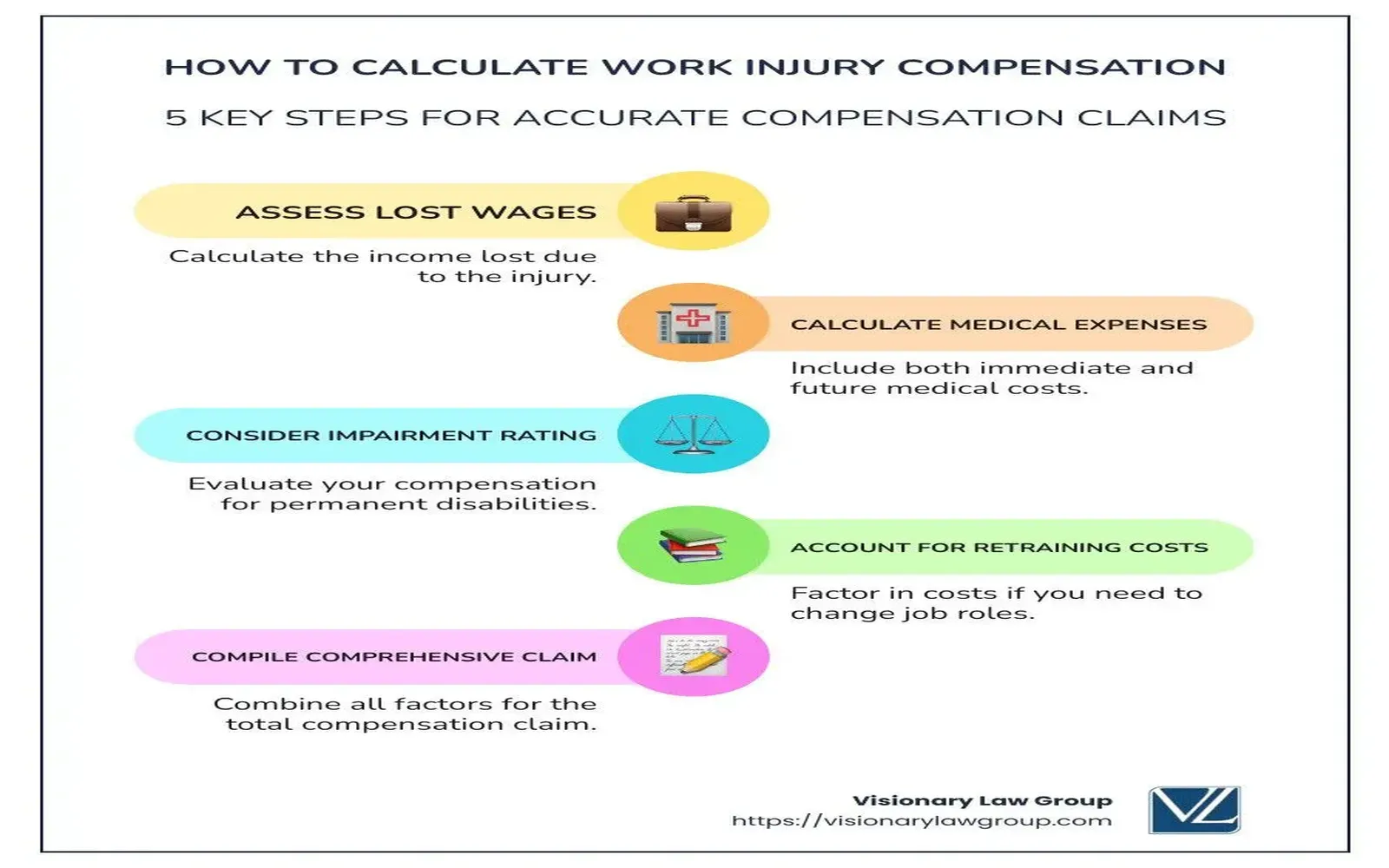
Once a claim is accepted, benefits generally fall into distinct categories designed to compensate for different phases of recovery and impairment. Understanding how average weekly wages (AWW) are calculated is critical, as statutory benefit rates are directly derived from these figures.
| Benefit Type | Description | Typical Duration / Limitation |
|---|---|---|
| Temporary Total Disability (TTD) | Wage replacement while the worker is entirely unable to work during recovery. | Until Maximum Medical Improvement (MMI) or release to light duty. |
| Temporary Partial Disability (TPD) | Compensates for reduced earnings when working reduced hours or modified duties. | Until MMI or return to pre-injury earning capacity. |
| Permanent Partial Disability (PPD) | Indemnifies permanent functional impairment or loss of earning capacity. | Dictated by state statutory schedules or wage-loss formulas. |
| Permanent Total Disability (PTD) | Long-term or lifetime benefits for catastrophic injuries rendering the worker unemployable. | Often lifelong, subject to periodic review or social security offsets. |
| Medical Benefits | Coverage for all reasonable and necessary medical treatment related to the injury. | Lifetime coverage for approved care, subject to utilization review. |
Dispute Resolution and Litigation Strategies
When disputes arise regarding compensability, the extent of disability, or the necessity of specific medical treatments, cases enter the formal dispute resolution pipeline. Practice primers provide strategic frameworks for managing these contested proceedings.
Mediation, Pre-Hearing Conferences, and Hearings
Most jurisdictions encourage or mandate alternative dispute resolution (ADR) mechanisms, such as informal conferences or formal mediation, before scheduling a trial or administrative hearing. If mediation fails, the matter proceeds to an evidentiary hearing where witnesses testify, medical depositions are entered into the record, and legal briefs are submitted.
The Role of Independent Medical Examinations (IMEs)
Medical causation and impairment ratings are frequently the most contentious aspects of workers compensation litigation. Insurance carriers routinely request Independent Medical Examinations (IMEs) to challenge the opinions of treating physicians. Practitioners must understand how to cross-examine medical experts and utilize statutory guidelines, such as the American Medical Association (AMA) Guides to the Evaluation of Permanent Impairment, to advocate for their clients.
Intersecting Legal Frameworks: Employment and Disability Laws
Workers compensation does not operate in a vacuum. It frequently intersects with other major employment and civil rights statutes, creating complex compliance challenges for employers and strategic opportunities or risks for litigants.
The Americans with Disabilities Act (ADA) and FMLA
When an injured employee requires extended leave or permanent work restrictions, the Family and Medical Leave Act (FMLA) and the Americans with Disabilities Act (ADA) often apply concurrently with workers compensation rules. Employers must navigate the duty to engage in a good-faith interactive process to determine reasonable accommodations without violating state workers compensation exclusivity doctrines.
Social Security Disability Insurance (SSDI) and Medicare Set-Asides (MSAs)
For severe or permanent injuries, workers compensation benefits may overlap with federal programs. When settling claims involving future medical care for Medicare beneficiaries, parties must account for Medicare Secondary Payer statutes by establishing Medicare Set-Aside (MSA) accounts to protect future federal healthcare funds.
Common Compliance Pitfalls and Best Practices
Legal and insurance practitioners frequently encounter recurring obstacles that jeopardize claim integrity or expose clients to liability. Recognizing these pitfalls is essential for risk mitigation.
- Late Reporting: Failing to report injuries or file initial documentation within statutory windows triggers financial penalties and complicates liability defenses.
- Inadequate Medical Documentation: Relying on vague treatment notes rather than objective clinical findings undermines causation arguments during hearings.
- Ignoring Return-to-Work Opportunities: Failing to offer modified or light-duty work when medically appropriate unnecessarily inflates temporary disability exposure.
- Mismanaging Communication: A lack of proactive communication between employers, adjusters, and injured workers frequently escalates minor disputes into formal litigation.
To avoid these errors, organizations and legal teams should implement standardized intake checklists, maintain rigorous audit schedules for claim files, and ensure ongoing continuing education regarding legislative updates and judicial rulings within their specific jurisdictions.
Frequently Asked Questions
What is the primary purpose of a workers compensation practice primer?
A practice primer serves as an authoritative procedural and substantive reference guide designed to help attorneys, adjusters, and human resources professionals navigate the administrative rules, benefit calculations, and dispute resolution processes governing workplace injuries.
Are independent contractors covered under standard workers compensation laws?
Generally, independent contractors are excluded from mandatory workers compensation coverage, which is reserved for formal employees. However, state administrative agencies apply stringent economic reality and control tests to determine true employment status, meaning misclassified workers may still be entitled to benefits.
What is Maximum Medical Improvement (MMI)?
Maximum Medical Improvement (MMI) is the legal and medical milestone at which an injured worker's condition has stabilized and is unlikely to improve substantially with or without further medical treatment. Reaching MMI typically triggers the assessment of permanent disability ratings and the termination of temporary wage-replacement benefits.
Can an injured worker sue their employer outside of the workers compensation system?
In most cases, the exclusivity doctrine of workers compensation bars employees from filing civil tort lawsuits against their employers for negligence. Exceptions are extremely narrow, typically requiring proof of intentional, egregious misconduct or gross negligence by the employer intended to cause harm.
How are permanent disability benefits calculated?
Permanent disability benefits are calculated based on statutory schedules that assign specific monetary values or weeks of compensation to the loss or impairment of particular body parts, or through wage-loss formulas that measure the reduction in earning capacity resulting from the injury.
Conclusion and Next Actions
Mastering the intricacies of occupational injury claims requires continuous engagement with statutory updates, administrative case law, and medical evaluation standards. Practitioners and operational leaders should review their current jurisdictional guidelines, audit existing internal reporting protocols, and consult specialized legal counsel to ensure complete compliance and effective advocacy across all active claims.
Image Gallery