Understanding Auto Insurance Costs in New Jersey: Monthly Averages and What Drives the Price
Car insurance in New Jersey typically ranges from $140 to over $225 per month for standard coverage, translating to roughly $1,700 to $2,700 annually, though individual rates fluctuate significantly based on driving history, coverage s...
Car insurance in New Jersey typically ranges from $140 to over $225 per month for standard coverage, translating to roughly $1,700 to $2,700 annually, though individual rates fluctuate significantly based on driving history, coverage selections, geographic location within the state, and vehicle type.
Contents
Navigating the landscape of auto insurance can feel like decoding a complex financial puzzle, particularly for residents of the Garden State. New Jersey features some of the most distinct regulatory frameworks and population densities in the United States, which directly influences how insurers calculate risk and price their policies. To make informed financial decisions, drivers must look past general state averages and examine the underlying mechanics that dictate their monthly premiums.
The Baseline: How Much Is Car Insurance in NJ Per Month?
When evaluating auto insurance costs, state averages provide a useful macro-level benchmark, but they rarely reflect what any single individual will pay. In New Jersey, average monthly premiums for a standard liability-plus-collision and comprehensive policy generally hover around $160 to $200 per month for drivers with clean records. However, this figure is merely a midpoint.
Drivers opting for minimal liability coverage mandated by the state—often referred to as a Basic Policy or low-cost alternatives—might see monthly payments drop below $100. Conversely, motorists with recent accidents, speeding tickets, or those insuring multiple luxury or high-performance vehicles under a comprehensive package can easily find their monthly bills scaling past $300 or even $400.
Understanding these tiers requires a closer look at the two primary policy types available in New Jersey: the Standard Policy and the Basic Policy. The Standard Policy offers higher coverage limits, optional features like towing and rental car reimbursement, and the traditional right to sue for pain and suffering (subject to the verbal threshold). The Basic Policy, created to offer an affordable alternative for lower-income drivers or those with fewer assets, provides much lower medical expense benefits and minimal liability protection, which drastically reduces the monthly cost at the expense of robust financial protection during a catastrophic accident.
Core Drivers of Car Insurance Costs in New Jersey
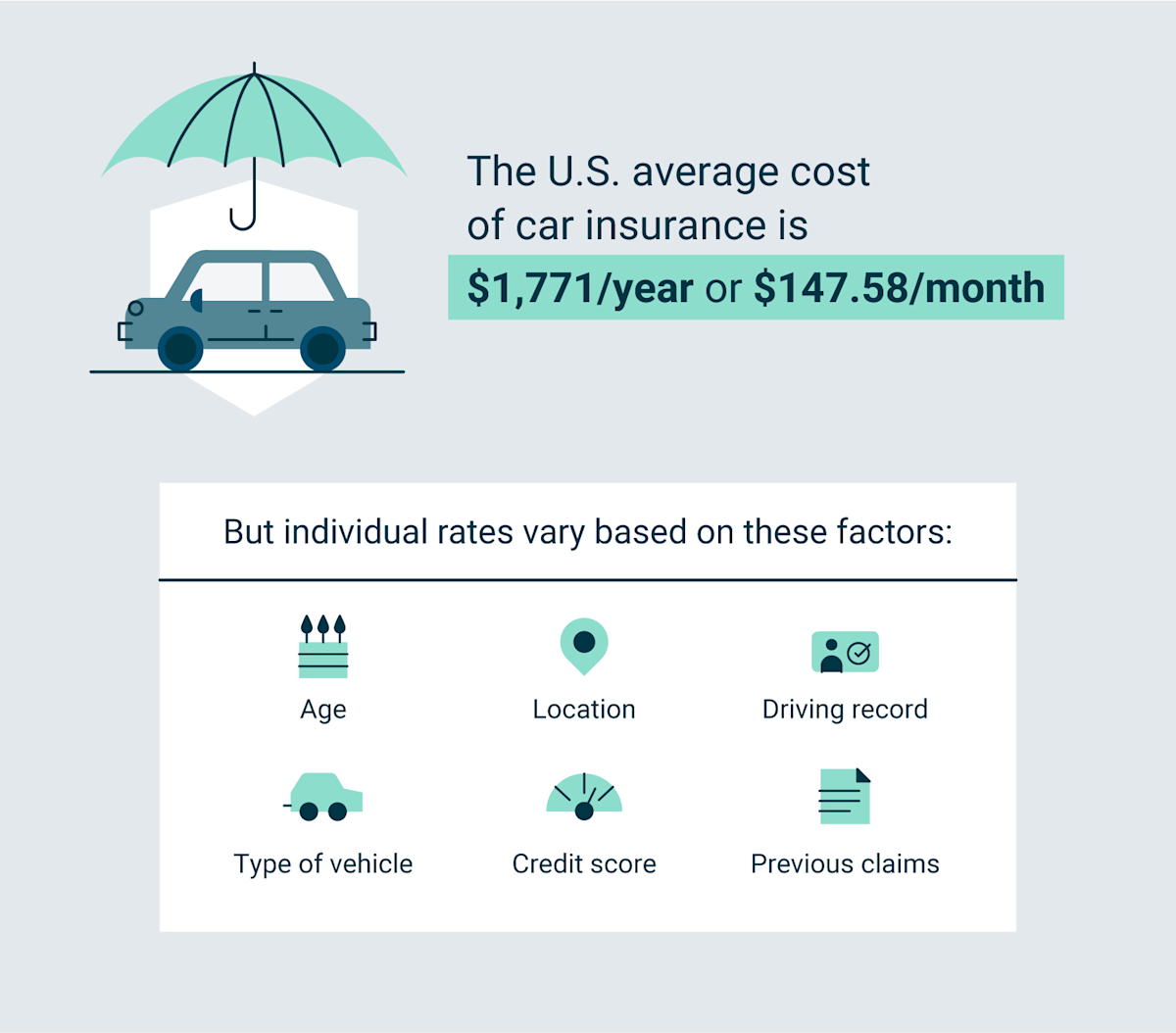
Insurance companies do not pull monthly premium figures out of thin air; they utilize complex actuarial tables and predictive modeling to assess risk. Several foundational factors dictate how much you will pay each month in New Jersey.
Geographic Location and Population Density
New Jersey is the most densely populated state in the nation. High population density directly correlates with heavier traffic congestion, a higher frequency of fender-benders, and increased rates of vehicle theft and vandalism.
Where you park your car overnight has a massive impact on your rate. Urban centers like Newark, Jersey City, Paterson, and Elizabeth feature significantly higher monthly premiums than suburban or rural pockets in Hunterdon, Sussex, or Cape May counties. Insurers track zip-code-level claims data meticulously, meaning moving just a few miles down the road can alter your monthly bill.
Driving History and Motor Vehicle Record
Your personal track record behind the wheel remains one of the heaviest weighted factors in insurance pricing. Insurance underwriters review your Motor Vehicle Commission (MVC) abstract to check for:
- Speeding tickets and moving violations
- At-fault accidents and property damage claims
- Driving Under the Influence (DUI) or Driving While Intoxicated (DWI) convictions
- Lapse in continuous insurance coverage
A single major infraction or at-fault accident can spike your monthly insurance premium by 20% to 50% or more, and these marks typically remain on your underwriting record for three to five years.
Coverage Levels, Deductibles, and Policy Options
The choices you make regarding your policy structure directly dictate your monthly expenditure.
- Liability Limits: Selecting higher liability limits (such as 100/300/100 instead of the state minimums) increases your monthly cost, but protects your personal assets from severe lawsuits.
- Comprehensive and Collision: These cover damage to your own vehicle regardless of fault. If your car is older and paid off, dropping these coverages can lower your monthly bill, though you absorb the financial risk of total loss.
- Deductibles: Opting for a higher deductible (e.g., $1,000 instead of $500) reduces your monthly premium because you agree to pay more out of pocket before insurance kicks in during a claim.
Vehicle Make, Model, and Safety Rating
The physical vehicle you drive influences your insurance costs through several lenses. Luxury vehicles, sports cars, and large electric vehicles often cost more to insure because their specialized parts, advanced sensors, and aluminum bodies require expensive repair processes. Conversely, vehicles with high safety ratings, standard anti-theft devices, and affordable replacement parts generally command lower monthly insurance rates.
Personal Demographics: Age, Gender, and Credit-Based Insurance Scores
While insurance regulations vary by state, New Jersey law permits insurers to consider certain demographic and financial risk markers:
- Age and Experience: Teenagers and young drivers under the age of 25 face the highest monthly rates because statistical data shows they are more prone to distracted and high-risk driving.
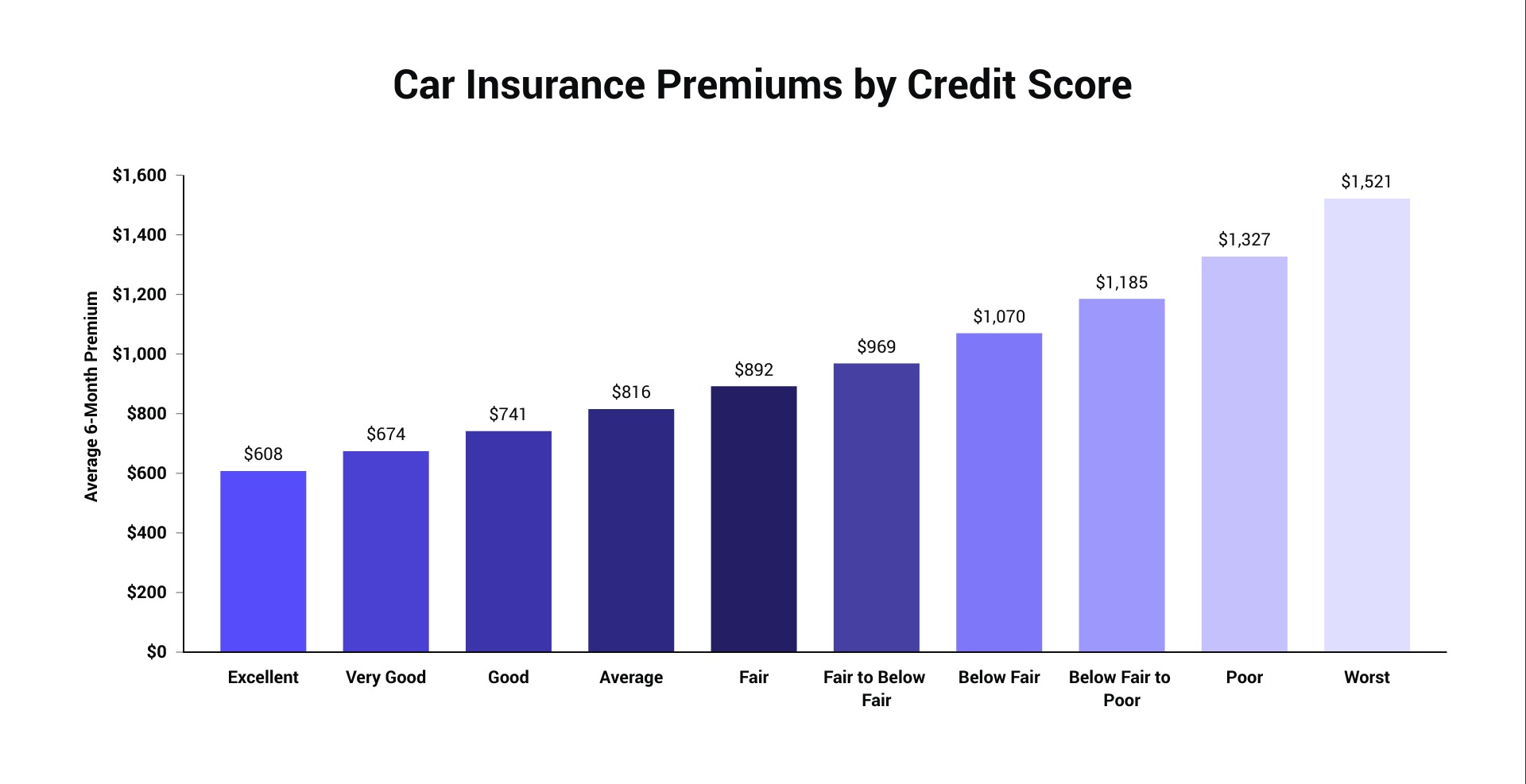
- Credit History: New Jersey permits insurance companies to use an insurance score derived from credit history to help determine rates. Drivers with excellent credit scores generally secure lower monthly premiums than those with poor credit histories.
New Jersey's Unique No-Fault Insurance System
New Jersey operates under a "no-fault" auto insurance system, managed through Personal Injury Protection (PIP). Under this system, if you are involved in an accident, your own auto insurance medical benefits pay for your medical expenses, regardless of who caused the collision.
This requirement introduces specific cost variables:
- PIP Selection: You can choose your health insurance plan as your primary source for medical coverage resulting from an auto accident, which can lower your PIP premium. Alternatively, you can use your auto insurance as primary, raising your monthly cost.
- The Tort Option (Right to Sue): New Jersey drivers must choose between the "Limitation on Lawsuit" option (verbal threshold) and the "No Limitation on Lawsuit" option. Selecting the limitation restricts your right to sue for non-economic damages (pain and suffering) unless you sustain specific severe injuries, which helps keep your monthly rate lower compared to the unrestricted right to sue.
| Policy Feature | Standard Policy | Basic Policy |
|---|---|---|
| Liability Coverage (Bodily Injury) | Up to $250,000 per person / $500,000 per accident | $10,000 per accident total |
| Property Damage Liability | Up to $100,000 per accident | $5,000 per accident |
| Personal Injury Protection (PIP) | Standard medical expense benefits up to $250,000+ | $15,000 standard (up to $250,000 for specific injuries) |
| Collision & Comprehensive | Optional or mandatory depending on vehicle financing | Generally not available |
| Right to Sue Options | Full or limited tort options available | Limited tort option only |
| Estimated Monthly Cost Tier | Moderate to High ($150 - $300+) | Low ($80 - $130) |
Strategies to Lower Your Monthly Auto Insurance Bill
Because monthly insurance premiums represent a recurring household expense, finding ways to optimize costs without exposing yourself to financial vulnerability is essential. Drivers can utilize several proven strategies to reduce what they pay in New Jersey.
Bundle Your Policies
Insurance carriers frequently offer multi-policy discounts. If you combine your auto insurance with homeowners insurance, renters insurance, or coverage for a second vehicle under a single carrier, you can often secure a loyalty or bundling discount ranging from 10% to 25% off your auto premium.
Maintain a Clean Driving Record and Complete Defensive Driving Courses
Avoiding moving violations is the single most effective way to keep rates down over time. Additionally, completing an approved defensive driving course in New Jersey can earn you a voluntary discount on your auto insurance premium while removing points from your MVC record.
Inquire About Available Discounts
Insurance companies provide a wide array of specialized discounts that policyholders often overlook. Ask your provider about:
- Good student discounts for young drivers maintaining a B average or higher
- Paperless billing and automatic monthly payment (autopay) discounts
- Low-mileage discounts if you drive significantly fewer than the national average miles per year
- Safety feature discounts for cars equipped with factory-installed anti-theft systems, passive restraint systems, or advanced driver-assistance technologies (ADAS)
Shop Around and Compare Quotes Periodically
Insurance markets fluctuate, and carrier risk appetites change. A company that offered the lowest rate three years ago might not be the most competitive option today. Experts recommend reviewing your coverage and comparing quotes from at least three different licensed New Jersey insurers annually or whenever you experience a major life event, such as moving, buying a new car, or adding a licensed driver to your household.
Frequently Asked Questions
Is car insurance mandatory in New Jersey?
Yes. Every registered vehicle in New Jersey must maintain active liability insurance. Operating a vehicle without insurance can result in severe legal penalties, including heavy fines, community service, driver's license suspension, and surcharges imposed by the New Jersey Motor Vehicle Commission.
Why is auto insurance so expensive in New Jersey?
New Jersey car insurance costs are higher than the national average due to a combination of high population density, heavy traffic congestion, high costs of medical care, dense urban corridors, and strict state regulatory mandates regarding Personal Injury Protection (PIP) and no-fault coverage requirements.
Can I use my out-of-state car insurance if I move to New Jersey?
If you move to New Jersey and establish residency, state law requires you to register your vehicle with the NJMVC and secure a New Jersey auto insurance policy within a specified timeframe (typically 60 days, or by the expiration date of your current policy, whichever comes first). Out-of-state policies generally cease to comply with New Jersey statutory requirements once residency is established.
What happens if I let my New Jersey car insurance lapse?
Allowing your insurance coverage to lapse is illegal in New Jersey. The state utilizes electronic verification systems to track active policies. A lapse can result in the immediate suspension of your vehicle registration, administrative fines, and significantly higher premium rates when you attempt to reinstate coverage due to being classified as a high-risk driver.
How do speeding tickets impact my monthly insurance rate?
A single speeding ticket can increase your monthly insurance premium by 10% to 30%, depending on how many miles per hour over the limit you were traveling and your prior driving history. These surcharges typically persist on your policy for a period of three years, compounding the total cost over time.
Conclusion and Next Actions
Understanding the true cost of auto insurance in New Jersey requires looking beyond basic state estimates and evaluating your specific geographic location, driving history, and coverage selections. To secure the best rate for your situation, pull your current policy documents, assess your liability limits and deductibles, and obtain quotes from multiple reputable insurers. By actively managing your driving record and leveraging available discounts, you can maintain essential financial protection while keeping your monthly expenses manageable.
Image Gallery