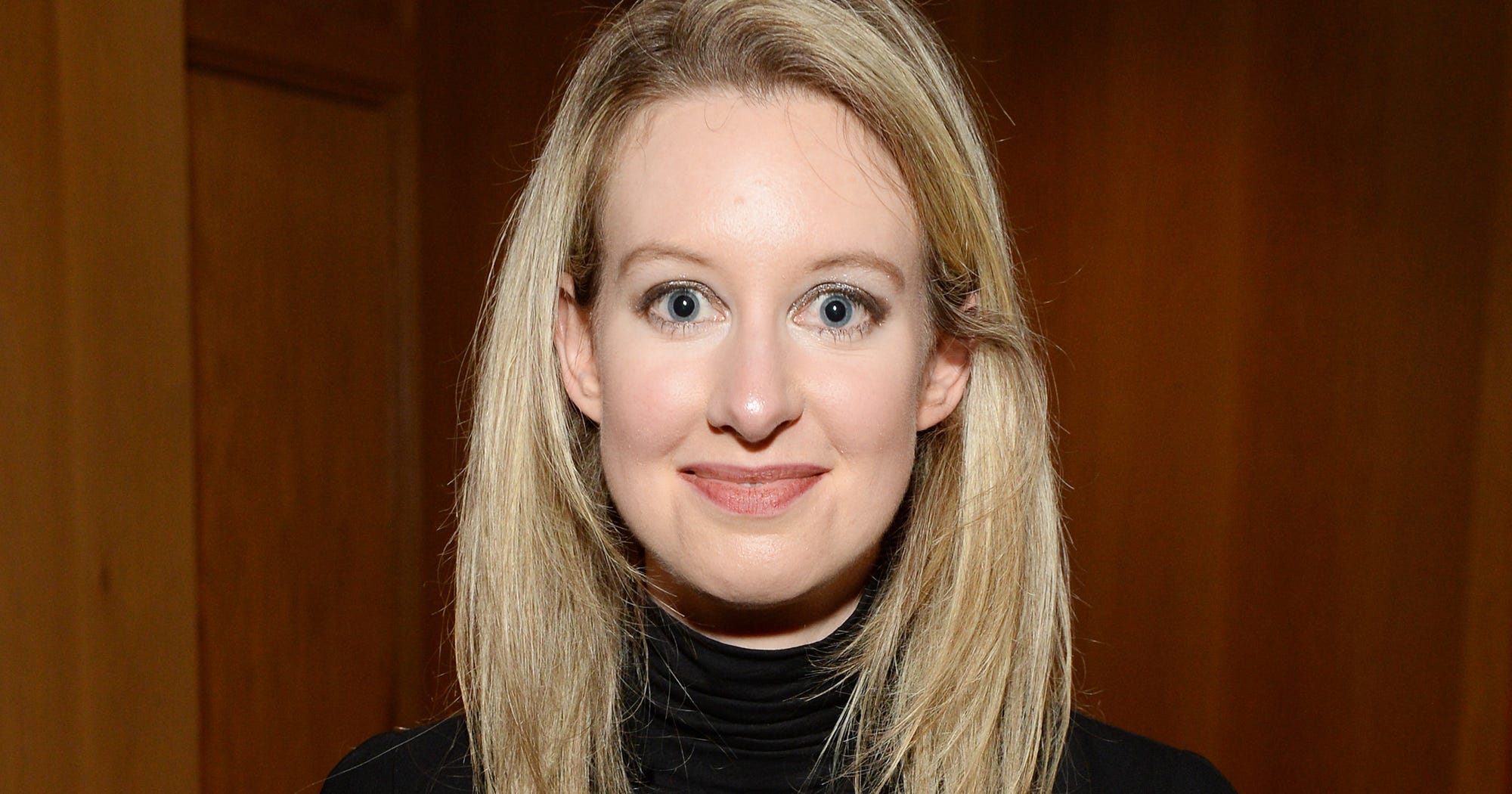
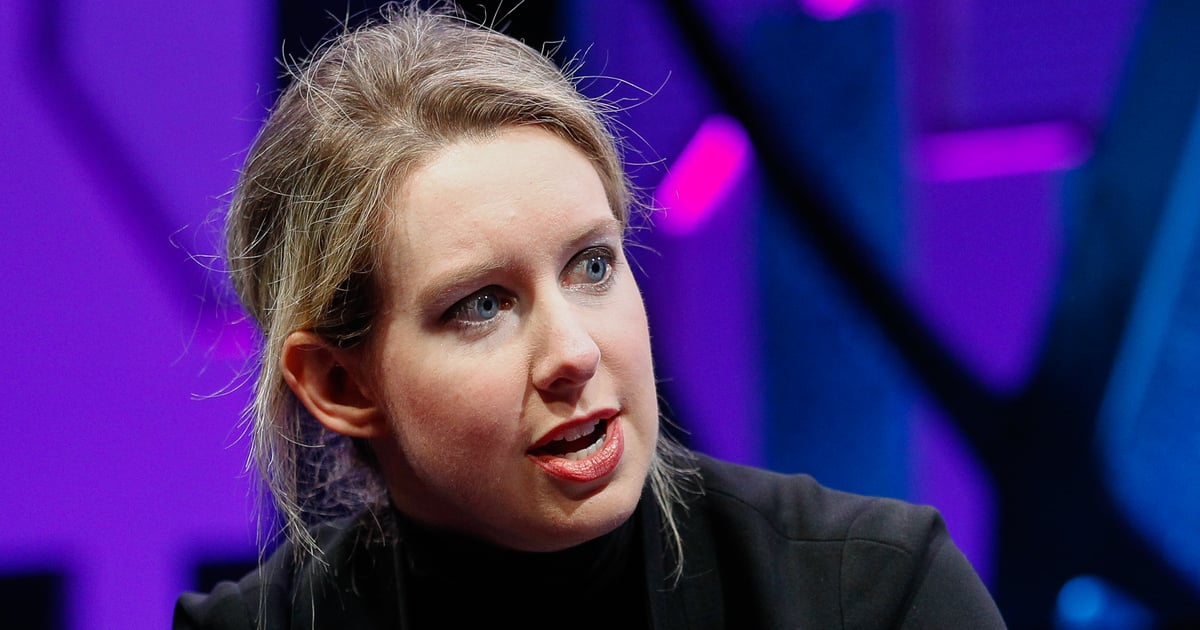
Elizabeth Holmes Voice Shift: Why It Happened and How It Became a Cultural Phenomenon
The Elizabeth Holmes voice shift refers to the widely documented phenomenon where the founder of Theranos allegedly altered her speaking voice from a natural soprano to an unusually deep, baritone register. Former employees, legal anal...
The Elizabeth Holmes voice shift refers to the widely documented phenomenon where the founder of Theranos allegedly altered her speaking voice from a natural soprano to an unusually deep, baritone register. Former employees, legal analysts, and media investigations suggest the shift was an intentional psychological tactic designed to command authority in male-dominated venture capital and Silicon Valley boardrooms.
Contents
The trajectory of Elizabeth Holmes and her blood-testing startup, Theranos, stands as one of the most prominent corporate downfalls of the 21st century. Beyond the disputed technology, fraudulent claims, and subsequent federal fraud conviction, public fascination frequently circles back to a uniquely theatrical element of her persona: her deep, baritone voice. For years, investors, journalists, and employees wondered whether her lower register was authentic or a manufactured component of a larger corporate facade. Understanding why this vocal shift happened requires examining the pressures of Silicon Valley culture, firsthand accounts from former colleagues, and observations regarding the psychology of executive performance.
Origins and Evolution of the Holmes Vocal Persona
To understand the voice shift, one must first establish the baseline. Multiple childhood acquaintances, high school classmates, and early college peers have noted that Holmes naturally spoke in a higher, more typical soprano or tenor range during her youth and early days at Stanford University. However, as she dropped out of college to build Theranos in 2003, witnesses observed a distinct transition.
During the formative years of Theranos, as Holmes sought to secure millions in venture capital, her speaking voice steadily dropped. By the time she was regularly pitching to pharmaceutical executives, media outlets, and prominent board members like former Secretary of State George Shultz and former Secretary of Defense James Mattis, her vocal delivery had settled into a heavy, raspy baritone.
This acoustic transformation became a central fixture of her public identity. It mirrored the deliberate aesthetic choices of other tech luminaries—most notably Steve Jobs, whose minimalist black turtlenecks and stylized keynote presentations Holmes explicitly imitated. In an ecosystem that historically rewarded aggressive, hyper-confident, and often male-coded leadership styles, Holmes appeared to construct a sonic armor designed to deflect skepticism.
Whistleblower Accounts and Former Colleague Testimony
The most damning evidence regarding the manufactured nature of the voice shift comes from those who worked closest to her. Former Theranos employees came forward during journalistic investigations and subsequent legal proceedings to describe instances where the mask slipped.
According to former employees interviewed by investigative journalist John Carreyrou in his book Bad Blood, Holmes would occasionally drop her manufactured baritone when she had been drinking or when she was caught off guard. In moments of genuine fatigue, shock, or relaxation, her voice would reportedly rise back to its natural, higher pitch before she abruptly caught herself and consciously forced it back down.
Another widely cited anecdote from former colleagues involves a slip of the tongue at a company party where alcohol was served. Witnesses described hearing her speak in her natural register, leaving junior staff bewildered because they had only ever known her through her deep executive persona. These accounts transitioned the voice shift from a bizarre biographical trivia point into concrete evidence of a sustained, calculated performance designed to project artificial maturity and gravitas.
Psychological and Sociological Drivers of Executive Voice Modification
Why would an entrepreneur consciously alter their vocal register? From a psychological and sociological perspective, executive leadership—particularly within the high-stakes, hyper-competitive venture capital landscape of Silicon Valley—places immense pressure on founders to embody specific archetypes of authority.
Voice pitch is deeply intertwined with human perceptions of competence, trustworthiness, and dominance. Psychological studies frequently demonstrate that both men and women in leadership positions face systemic biases regarding their vocal delivery. Lower-pitched voices are often subconsciously associated with greater strength, capability, and leadership potential in traditional corporate environments.
For a young woman entering a male-dominated biotech and venture capital sector in her early twenties, the pressure to command a room was acute. Holmes was attempting to sell a revolutionary, highly complex medical device to skeptical board members decades her senior. By artificially lowering her voice, she may have attempted to neutralize gender-based dismissals and project an aura of seasoned, unflappable authority.
| Factor | Description | Potential Impact on Holmes |
|---|---|---|
| Gender Bias in Tech | Venture capital allocation historically favored male founders and traditional archetypes of authority. | Created pressure to adopt hyper-authoritative, non-traditional traits to gain investor confidence. |
| Perception of Competence | Psychological studies link lower vocal registers with perceived dominance and stability. | Provided a mechanism to project artificial seniority and executive gravitas. |
| Role Modeling | Deep admiration for tech icons like Steve Jobs who cultivated meticulous public personas. | Encouraged the adoption of a theatrical, highly controlled executive identity. |
| Defensiveness | The need to deflect technical scrutiny from seasoned scientists and medical professionals. | Maintained a psychological barrier against probing questions regarding blood-testing viability. |
Legal, Cultural, and Media Fallout
While the voice shift was initially a successful component of Holmes's branding strategy, it ultimately backfired, transforming into a symbol of her deception once the Theranos fraud unraveled.
During her 2021 federal criminal trial for wire fraud and conspiracy, the voice shift re-entered the public consciousness. Legal analysts noted that jurors and observers viewed the manufactured persona as a tangible manifestation of her dishonesty. If an entrepreneur is willing to construct an elaborate falsehood regarding something as fundamental as their own voice, it becomes significantly easier for a jury to conclude they are equally capable of fabricating medical technology and financial metrics.
Media coverage heavily emphasized the theatricality of the trial. Documentaries, dramatic miniseries such as The Dropout, and satirical sketches latched onto the baritone delivery as a shorthand for corporate hubris. The voice shift ceased to be a private idiosyncrasy and became a cultural touchstone representing the dark side of the "fake it ’til you make it" mantra prevalent in Silicon Valley startup culture.
Common Misconceptions Regarding the Holmes Voice Shift
Public fascination with the phenomenon has generated several myths and misunderstandings that warrant correction based on available factual reporting.
- Medical Condition Myth: Some casual observers speculated that Holmes suffered from a medical condition, such as vocal cord nodules, acid reflux, or chronic laryngitis, that permanently altered her voice. No medical records or expert testimony presented during her trial or investigations supported this claim.
- Gradual Maturing Myth: Defenders occasionally argued that her voice simply deepened naturally as she aged from her teens into her thirties. However, audio comparisons spanning her college years to her peak executive tenure reveal an abrupt, highly unnatural drop that did not follow a standard developmental curve.
- Involuntary Stress Response: While stress can alter vocal tension, the slips reported by former employees—where her voice returned to normal during relaxed, off-the-clock moments—indicate conscious control rather than an involuntary physiological reaction.
Frequently Asked Questions
Did Elizabeth Holmes admit to faking her voice?
No. Throughout media interviews, congressional inquiries, and her federal trial, Elizabeth Holmes maintained that her deep voice was entirely natural. She never publicly acknowledged altering her vocal register, despite extensive firsthand testimony from former colleagues contradicting her claim.
Why did people notice the voice shift?
Observers noticed the shift because audio recordings of Holmes from her teenage years and early college days at Stanford feature a distinctly higher, more standard vocal register compared to the heavy baritone she utilized during her decade leading Theranos.
Did the voice shift play a role in her criminal trial?
While the voice shift itself was not a legal charge, prosecutors and legal analysts utilized it during the trial to establish a pattern of deception and the deliberate cultivation of a false persona to manipulate investors and patients.
What do voice coaches say about artificially lowering your voice?
Vocal coaches note that while speakers can consciously lower their pitch by altering breath support and resonance, maintaining an unnatural register for years requires extreme, exhausting muscular tension and deliberate psychological effort.
Are there other tech founders who modified their personas?
Yes, many high-profile executives cultivate distinct public personas, clothing styles, and rhetorical patterns to match industry expectations, though few faced scrutiny over their vocal delivery on the scale experienced by Holmes.
Practical Insights and Next Actions
For observers of corporate governance, organizational behavior, and venture capital, the Elizabeth Holmes case serves as a permanent case study in executive oversight. Investors and boards of directors are increasingly trained to look past superficial markers of confidence—such as stylized wardrobes, charismatic presentations, and manufactured vocal personas—and demand rigorous, verifiable scientific data. When evaluating leadership, technical validation must always outweigh performative authority.
Image Gallery