Navigating Alpa Term Life Insurance Quotes: A Practical Guide
Securing alpa term life insurance quotes involves evaluating your financial dependents' needs, comparing policy durations, and understanding how insurers calculate risk to determine your premium. Because specific insurer branding or as...
Securing alpa term life insurance quotes involves evaluating your financial dependents' needs, comparing policy durations, and understanding how insurers calculate risk to determine your premium. Because specific insurer branding or association acronyms like "ALPA" often point to specialized affinity groups—such as pilot associations or professional labor organizations—obtaining accurate rate estimates requires careful alignment of your occupational status, coverage amounts, and underwriting requirements.
Contents
Understanding the Landscape of Specialized Term Life Insurance
When individuals search for specialized term life insurance options, they are usually looking for coverage tailored to unique occupational hazards, group discounts, or distinct lifestyle factors not fully addressed by standard retail policies. Term life insurance remains the most straightforward and cost-effective way to secure high coverage amounts for a specific period, such as 10, 20, or 30 years.
Specialized affinity programs often partner with major national carriers to offer group rates or underwriting concessions to members. However, these group policies must be weighed against individual retail policies to ensure you secure the most competitive rates and comprehensive protection. Understanding how these products function requires looking past the initial promotional pricing and examining the underlying policy structure, convertibility options, and true cost over time.
The Core Mechanics of Term Life Protection
Term life insurance operates on a simple principle: you pay a fixed premium for a set duration, and if you pass away during that term, your beneficiaries receive a tax-free death benefit. Unlike permanent insurance, term policies do not build cash value, which keeps premiums significantly lower during your peak earning years.
When evaluating quotes from specialized programs, look closely at the following structural features:
- Level Term Periods: Ensure your premium remains level throughout the guaranteed duration (e.g., 20 years) rather than increasing annually.
- Renewability Clauses: Check whether the policy allows you to renew on a year-to-year basis after the initial term expires, and understand how drastically those renewal rates escalate.
- Convertibility Options: A valuable feature that lets you convert your term policy into a permanent life insurance policy without undergoing a new medical exam.
Factors That Influence Your Term Life Insurance Quotes
Insurance carriers evaluate a multitude of personal and professional risk factors before issuing a final quote. While online quote generators provide a preliminary estimate, your actual rate depends heavily on formal underwriting.
Health and Medical History
Your physiological profile remains the single largest driver of life insurance costs. Underwriters review your medical records, prescription history, height-to-weight ratio, blood pressure, and cholesterol levels. Conditions such as diabetes, cardiovascular issues, or a family history of hereditary illnesses will move you into a higher rate class, increasing your quoted premium.
Age and Gender
Age is directly correlated with mortality risk. Securing a policy in your 30s is substantially more affordable than locking in rates in your 50s. Furthermore, actuarial tables show that women generally live longer than men, resulting in lower baseline term life quotes for female applicants across identical health classes.
Occupational and Avocational Hazards
If you are evaluating policies tied to professional organizations—such as commercial aviation pilots, maritime workers, or high-risk industrial contractors—your occupation plays a central role. Standard insurance carriers often tack on hefty riders or flat extra charges for high-risk jobs. Specialized affinity programs often mitigate this by negotiating group underwriting rules that waive or reduce aviation and occupational exclusions, making them potentially more attractive than open-market alternatives.
Coverage Amount and Term Length
The size of the death benefit (face value) and the length of the term dictate your baseline exposure cost. A $1,000,000 policy naturally costs more than a $250,000 policy, and a 30-year term carries higher risk for the insurer than a 10-year term, reflecting in higher monthly premiums.
Comparing Group Affinity Quotes Versus Individual Policies
Navigating the choice between an affinity-sponsored group term policy and an individually underwritten policy requires weighing convenience against long-term cost efficiency.
| Feature | Affinity/Group Term Life | Individual Term Life |
|---|---|---|
| Underwriting | Often simplified or guaranteed issue up to certain limits; fewer medical exams required initially. | Fully underwritten; typically requires a paramedical exam, blood work, and medical record retrieval. |
| Pricing Stability | Premiums may be banded by age brackets that increase every few years, or group rates can fluctuate based on overall group claims experience. | Premiums are level and guaranteed for the entire term length (e.g., 10, 20, or 30 years). |
| Portability | Coverage may terminate or become prohibitively expensive if you leave the sponsoring organization or association. | Fully portable; your policy remains active regardless of job changes or career pivots, as long as you pay premiums. |
| Customization | Limited rider availability (e.g., restricted waiver of premium or accelerated death benefits). | Highly customizable with robust riders like child riders, disability waivers, and term conversion options. |
Step-by-Step Process to Secure and Verify Quotes
Obtaining reliable quotes requires a structured methodology to ensure you are comparing equivalent coverage levels and protecting your financial interests.
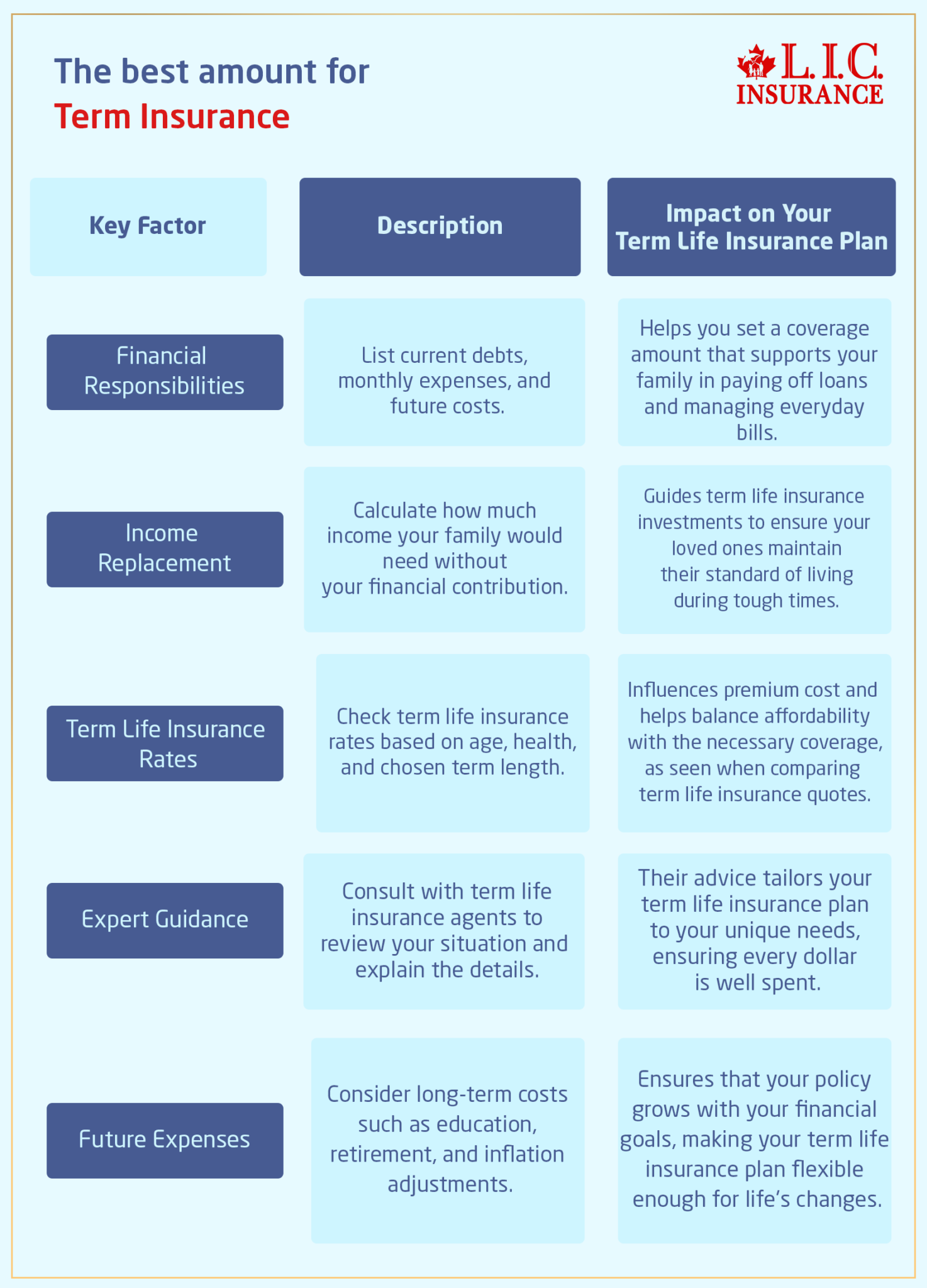
- Calculate Your Coverage Needs: Use the DIME formula (Debt, Income, Mortgage, Education) or human life value calculations to determine the exact death benefit required to protect your family.
- Gather Personal Data: Have your medical history, current medications, driving record, and estimated household income ready before requesting quotes.
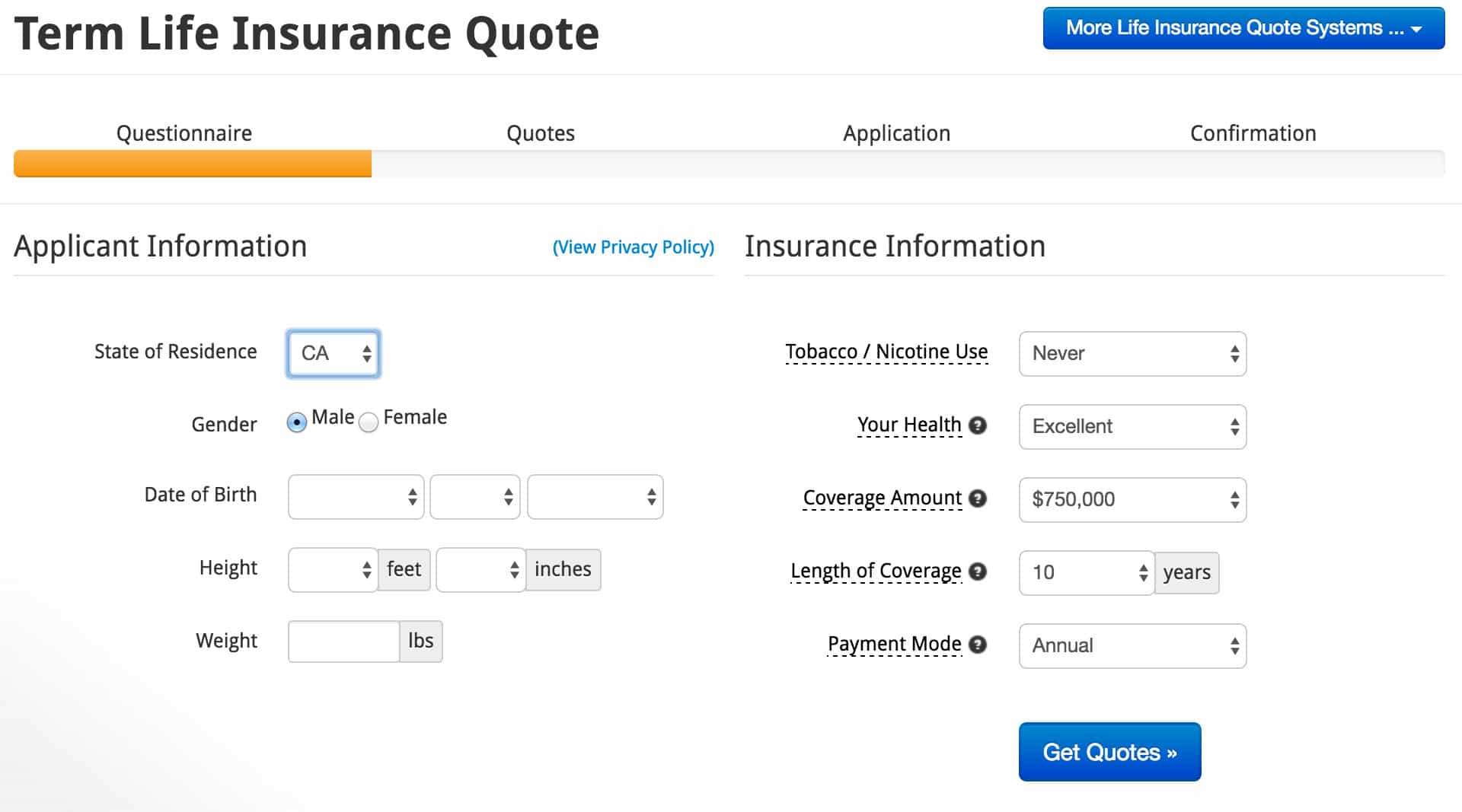
- Request Baseline Quotes: Access online comparison engines and official affinity portals to collect preliminary rate estimates across multiple term lengths (e.g., 20 and 30 years).
- Compare Independent Market Rates: Consult an independent insurance broker to pull quotes from top-rated carriers (such as those rated "A" or higher by A.M. Best) to see how affinity rates stack up against the open market.
- Complete Formal Underwriting: Submit your formal application, complete any required paramedical exams, and review the final offer from the carrier before accepting the policy.
Common Mistakes to Avoid When Shopping for Term Life Insurance
Navigating the insurance market can be complex, and certain missteps can lead to unexpected premium hikes or inadequate coverage.
- Underestimating the Term Length: Choosing a 10-year term to save money when your youngest child is a toddler leaves your family unprotected when they reach college age. Match your term length to your longest financial obligation.
- Focusing Solely on Price: The cheapest quote is rarely the best policy. Pay close attention to the financial strength rating of the issuing carrier and the convertibility rules of the contract.
- Hiding Pre-existing Conditions: Omitting medical history or past tobacco use on your application constitutes material misrepresentation, which can lead to the insurer denying the death benefit payout later.
- Delaying Purchase: Waiting until you experience a birthday or develop a minor health condition can permanently shift you into a higher pricing tier.
Frequently Asked Questions
How do I know if an affinity group term policy is cheaper than an individual policy?
Affinity group policies often provide competitive rates for older applicants or individuals with minor health complications because they pool risk. However, healthy non-smokers in their 20s or 30s can frequently secure lower, level-premium rates through individual fully-underwritten policies on the open market.
Can my term life insurance premium increase during the term period?
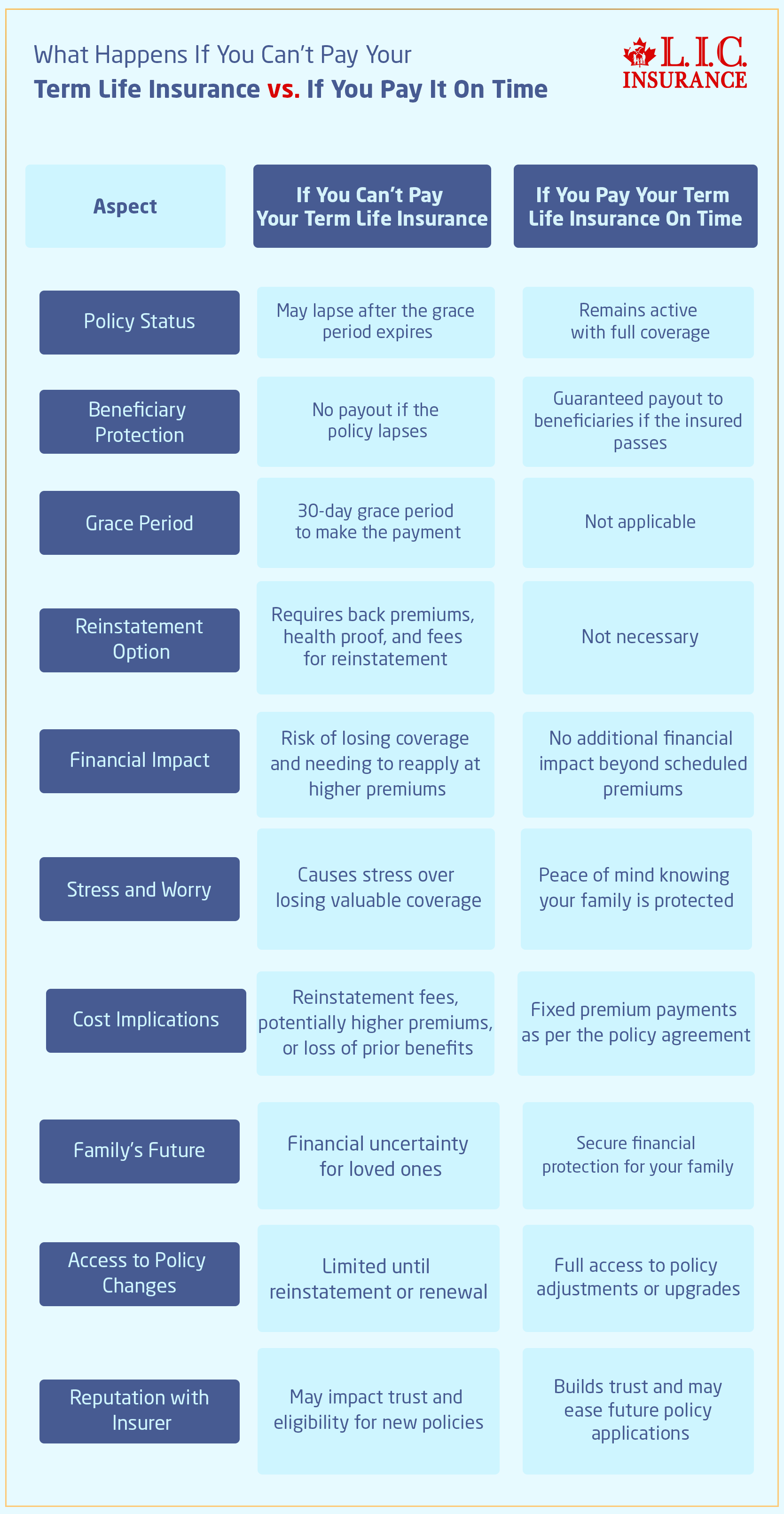
If you purchase a guaranteed level-term policy, your premiums will remain flat for the duration of the term (e.g., 20 years). If you purchase an annually renewable group policy, your rates will typically increase every year or every five years as you age.
What happens when my term life insurance policy expires?
Once your term expires, you generally have three options: let the policy lapse, renew the policy on a year-to-year basis at significantly higher rates, or convert the term policy into a permanent life insurance policy without a medical exam if your contract includes a convertibility rider.
Do I need a medical exam to get term life insurance quotes?
Initial quotes generated online or through association portals use simplified algorithms based on self-reported health data and do not require an exam. However, securing the final, binding rate for an individual policy almost always requires a brief paramedical exam involving blood and urine collection.
Are life insurance death benefits taxable to my beneficiaries?
Generally, life insurance death benefits paid out to a named beneficiary are received completely income-tax-free under Internal Revenue Code Section 101(a).
Next Actions and Recommendations
To move forward effectively, start by auditing your family's long-term financial obligations and determining the precise death benefit required. Request rate sheets from any applicable professional associations or labor groups, but balance these against independent quotes from top-tier commercial insurers. Work with an independent financial advisor or licensed insurance broker to review policy contracts, verify insurer financial ratings, and ensure the policy you select provides stable, reliable protection for your beneficiaries.
Image Gallery