The Sleep Company Mattress Explained: Technology, Materials, and Performance
The Sleep Company mattress relies on a patented SmartGrid technology made from hyper-elastic polymer, replacing traditional memory foam and spring coils with a grid layout designed to dynamically adapt to body contours while maintainin...
The Sleep Company mattress relies on a patented SmartGrid technology made from hyper-elastic polymer, replacing traditional memory foam and spring coils with a grid layout designed to dynamically adapt to body contours while maintaining open-air channels for continuous temperature regulation.
Contents
Choosing a mattress is one of the most critical decisions affecting daily health, posture, and sleep quality. With the rise of direct-to-consumer sleep brands, navigating the market requires a clear understanding of proprietary materials, ergonomic engineering, and real-world performance. The Sleep Company, an Indian sleep-solutions brand founded by Priyanka Salot and Amish Salot, has garnered significant attention for introducing a unique cushioning material known as the SmartGrid. This comprehensive overview examines the technological foundation, construction layers, performance metrics, and purchasing considerations associated with The Sleep Company mattresses to help you determine if they suit your ergonomic and lifestyle needs.
Understanding the Core Innovation: SmartGrid Technology
Traditional mattresses typically rely on high-density polyurethane foam, latex, or interconnected metal springs to provide support and pressure relief. While these materials have served the industry for decades, they often present compromises. Memory foam conforms closely to the body but tends to trap heat and create a "stuck" feeling, making it difficult to change sleeping positions. Innerspring mattresses offer good bounce and airflow but can create pressure points on the hips and shoulders.
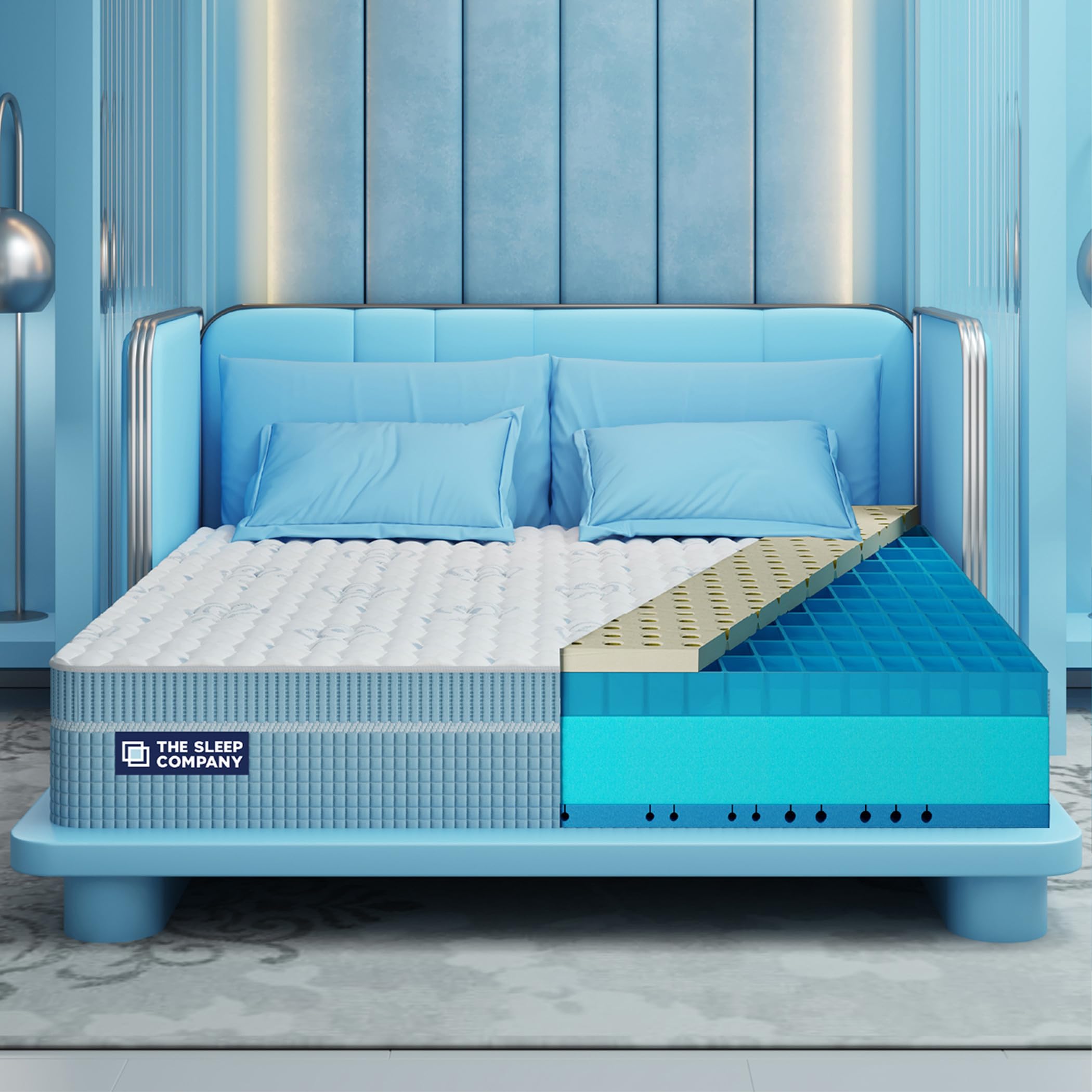
The Sleep Company addresses these limitations through its proprietary SmartGrid technology. Developed by a former DRDO (Defence Research and Development Organisation) scientist, the SmartGrid is constructed from a hyper-elastic polymer material—specifically a food-grade, medical-grade gel-like substance—molded into a grid of buckling walls.
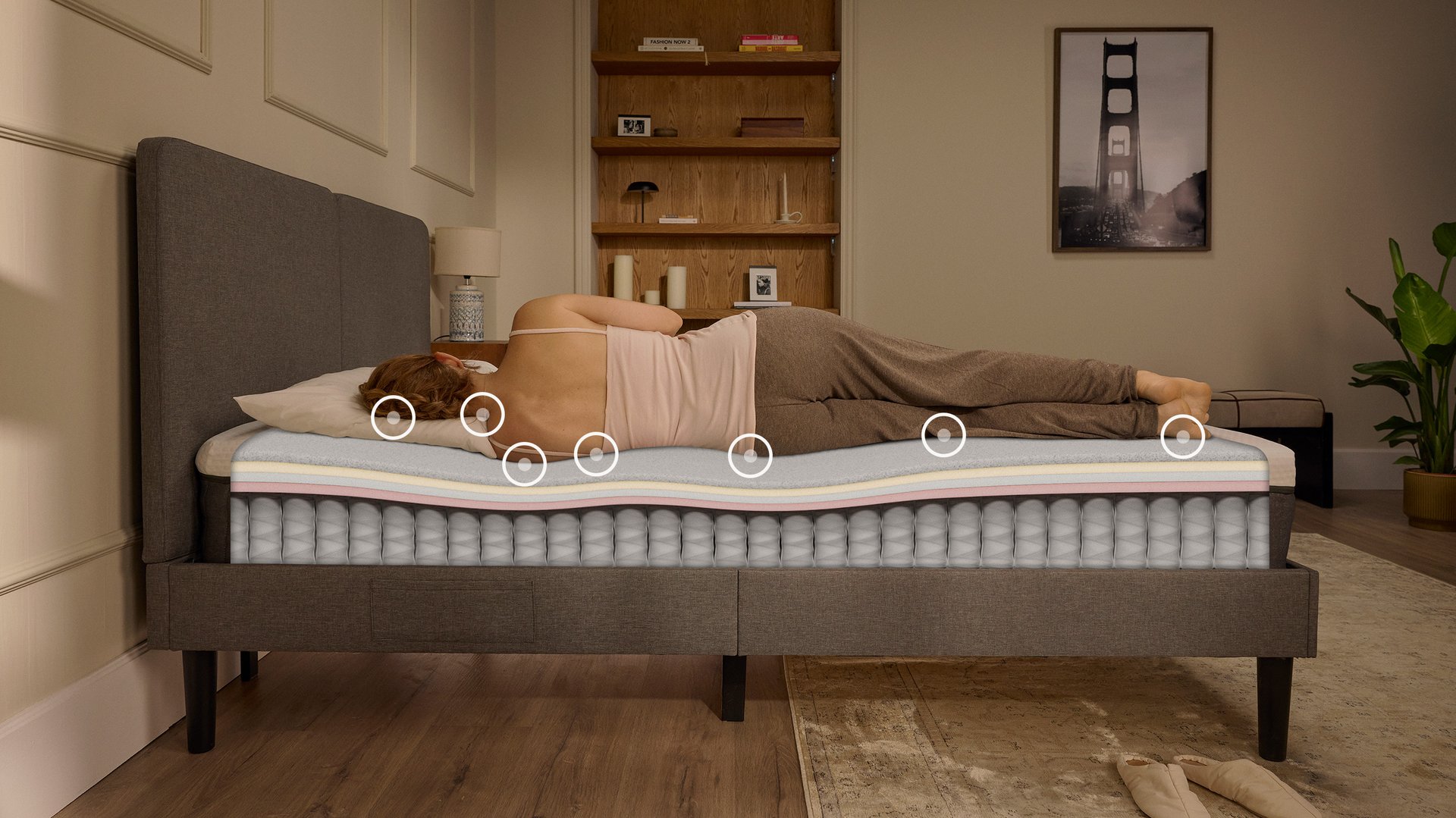
The structural mechanics of the SmartGrid are designed around intelligent ergonomics. When pressure is applied vertically by heavier parts of the body, such as the hips and shoulders, the walls of the grid buckle completely to cradle the body and neutralize pressure points. Conversely, when lighter parts of the body or the spine apply pressure, the grid walls remain upright, providing firm, orthopedically aligned support. This dual behavior allows a single surface to feel soft where pressure relief is required and firm where spinal alignment is necessary, independent of the sleeper's weight.
Deep Dive Into Mattress Construction and Variants
The Sleep Company offers a diverse lineup of mattresses tailored to different sleeping preferences, budget levels, and health requirements. While specific models may be updated or localized, their core product architecture generally integrates the SmartGrid layer with high-resilience (HR) support foam bases and targeted zoning layers.
1. The SmartGrid Layer
Positioned at the comfort top of the mattress, this layer ranges in thickness depending on the model (typically varying from 1 to 2.5 inches). Its primary functions are immediate pressure relief, motion isolation, and thermal regulation. Because the grid consists of thousands of empty squares, air circulates freely throughout the core of the mattress, preventing the heat retention common in dense memory foam products.
2. Transition and Support Layers
Beneath the SmartGrid sits a transition layer of high-resilience foam or pocketed springs, depending on whether the model is an all-foam variant or a hybrid variant. This layer prevents bottoming out, absorbs kinetic energy, and distributes body weight evenly across the base of the bed.
3. Orthopedic and Motion Isolation Properties
Orthopedic support is a primary design goal for these mattresses. Proper spinal alignment reduces morning stiffness and alleviates lower back pain. Furthermore, the individual buckling action of the SmartGrid walls ensures that kinetic energy is absorbed locally. If a partner or pet moves on one side of the bed, the motion does not ripple across the surface, making these mattresses well-suited for light sleepers and couples.
| Mattress Model | Core Technology | Primary Benefit | Best Suited For |
|---|---|---|---|
| Smart Ortho | SmartGrid + HR Foam | Firm orthopedic alignment | Back pain sufferers, strict back/stomach sleepers |
| Smart Luxe / Hybrid | SmartGrid + Pocket Springs + Foam | Enhanced bounce and contouring | Combination sleepers, luxury seekers |
| Smart Essential | Thinner SmartGrid + Foam Base | Entry-level pressure relief | Budget-conscious buyers, guest rooms |
| Smartopia | Multi-layer SmartGrid + Latex/Foam | Premium contouring and cooling | Hot sleepers seeking plush comfort |
Evaluating Real-World Performance Metrics
To fully understand what a mattress offers, it is necessary to evaluate its performance across several practical categories: temperature control, motion isolation, edge support, and durability.
Temperature Regulation and Airflow
Heat retention is a common complaint among foam mattress owners. The geometric design of the SmartGrid inherently resolves this issue. With over 2,500 air channels integrated into the grid structure, body heat escapes continuously rather than accumulating beneath the sleeper. For individuals who sleep hot or live in humid climates, this passive ventilation system provides a noticeable cooling advantage over traditional closed-cell memory foam.
Motion Isolation
Motion transfer can disrupt sleep cycles. Traditional innerspring mattresses often bounce broadly when weight is shifted. The hyper-elastic polymer walls of the SmartGrid collapse independently. When pressure is removed, they instantly spring back into shape without transferring kinetic energy horizontally across the mattress surface.
Edge Support
Edge support determines the usable sleeping surface of a bed and prevents sagging when sitting on the perimeter. Hybrid models that combine the SmartGrid with reinforced pocket spring edges generally offer superior edge support compared to all-foam variants. Buyers who sit on the edge of the bed regularly should verify whether their chosen model includes reinforced perimeter encasements.
Pros and Cons of The Sleep Company Mattresses
| Advantages | Limitations |
|---|---|
| Exceptional airflow and cooling properties due to open-grid design | Higher initial price point compared to basic budget foam mattresses |
| Intelligent adaptation: soft on pressure points, firm under the spine | Distinct rubbery or bouncy feel that traditional memory foam lovers may take time to adjust to |
| Minimal motion transfer, ideal for couples | Heavier overall mattress weight, making rotation and moving difficult |
| Hypoallergenic and non-toxic food-grade polymer materials | Limited physical retail footprint in certain regions, requiring online purchase |
Maintenance, Care, and Longevity Guidelines
Maximizing the lifespan of a SmartGrid mattress requires proper care and routine maintenance. Because the hyper-elastic polymer is inherently resistant to dust mites, mold, and bacteria, the mattress maintains a hygienic interior environment over years of use. However, external maintenance remains essential.
- Use a Waterproof Protector: Protect the breathable outer cover and internal layers from spills, sweat, and stains by utilizing a high-quality, breathable mattress protector.
- Regular Rotation: Rotate the mattress 180 degrees every six months to ensure even wear across the surface, especially if sleeping partners have significantly different body weights.
- Appropriate Foundation: Ensure the mattress rests on a solid, flat, and supportive foundation or slatted bed frame with gaps no wider than 3 inches to prevent sagging of the underlying foam base.
- Spot Cleaning: Clean surface stains using mild detergent and cold water. Avoid soaking the internal polymer grid or applying harsh chemical solvents.
Frequently Asked Questions
What makes the SmartGrid different from memory foam?
Memory foam molds to your body using heat and pressure, which often traps body heat and creates a sinking, restrictive sensation. The SmartGrid uses a hyper-elastic polymer grid that buckles under heavy pressure points while staying firm under lighter areas, providing adaptive support alongside continuous airflow.
Are The Sleep Company mattresses good for back pain?
Yes, models like the Smart Ortho are specifically engineered to provide targeted orthopedic support. The grid structure promotes proper spinal alignment by keeping the spine neutral while cushioning pressure-sensitive joints like the hips and shoulders.
Do these mattresses trap heat?
No. The open-grid architecture features thousands of air channels that allow continuous ventilation and heat dissipation, making them significantly cooler than traditional closed-cell memory foam mattresses.
Do I need a special bed frame for a SmartGrid mattress?
These mattresses perform best on flat, sturdy surfaces such as solid platform beds, wooden slats spaced closely together, or adjustable bed bases. Avoid placing them on sagging box springs or uneven wire frames.
What is the typical trial and warranty period?
The brand generally offers a risk-free home sleep trial (commonly 100 nights) along with a manufacturer warranty (typically 10 years) covering structural defects, foam sagging, and manufacturing flaws. Review the specific terms active in your region at the time of purchase.
Conclusion and Next Actions
Evaluating The Sleep Company mattress reveals a deliberate departure from conventional foam and spring designs, focusing instead on thermodynamic efficiency, motion isolation, and intelligent ergonomic response. If you struggle with overheating during the night, experience pressure point discomfort on standard firm mattresses, or share a bed with a restless partner, the SmartGrid architecture offers a viable solution. Before making a purchase, review your preferred sleeping position, verify the warranty and trial terms applicable to your location, and ensure your current bed frame provides a stable, flat foundation.
Image Gallery