Understanding the Kitab Meaning in Context: Linguistic Roots, Literary Forms, and Cultural Significance
The Arabic word "kitab" fundamentally means "book," "writing," or "written document," originating from the triliteral root k-t-b relating to stitching, joining, or writing. In context, its exact significance spans linguistic morphology...
The Arabic word "kitab" fundamentally means "book," "writing," or "written document," originating from the triliteral root k-t-b relating to stitching, joining, or writing. In context, its exact significance spans linguistic morphology, classical Arabic literature, legal documentation, and sacred Islamic theology, where it frequently denotes scripture.
Contents
Introduction and Linguistic Foundations of Kitab
To truly grasp what kitab means, one must first look beyond a simple dictionary definition. In modern and classical Arabic, the term is anchored to the root verb kataba (كَتَبَ), which historically carried connotations of binding, stitching together, or inscribing marks upon a surface. Over centuries of linguistic evolution, the definition crystallized around the physical manifestation of written text—a book, a register, a letter, or a decree.
However, translating kitab simply as "book" often strips away its rich contextual weight. Depending on the surrounding sentence structure, historical era, and discipline—whether poetry, jurisprudence, theology, or administration—the word shifts in nuance. It can signify an authoritative legal contract, a divine scripture sent down to humanity, or an administrative scroll recording deeds. Recognizing these distinctions is essential for researchers, translators, and students of Middle Eastern languages and cultures who encounter the term across diverse media.
Etymology and Morphological Variations
The morphology of kitab follows a common Arabic pattern where a root verb is modified to indicate an instrument, object, or concept associated with the action. The root k-t-b gives rise to several interrelated terms that help illuminate the core meaning of the word:
- Kataba (كَتَبَ): The verb form meaning "he wrote."
- Katib (كاتِب): The active participle meaning "writer," "scribe," or "secretary."
- Kitab (كِتاب): The noun meaning "book" or "written document."
- Kutub (كُتُب): The broken plural form meaning "books."
- Maktub (مَكتوب): The passive participle meaning "written" or, metaphorically, "destined" (fated).
- Maktab (مَكتَب): The noun of place meaning "desk," "office," or "school."
By examining this lexical constellation, it becomes evident that kitab is not merely an isolated object. It is part of a dynamic network representing recording, authority, institutional administration, and destiny. When a text refers to a kitab, it almost invariably invokes a sense of permanence, structure, and formal recording that spoken words lack.
The Concept of Kitab in Classical Arabic Literature and Administration
Long before the advent of Islam, pre-Islamic and early classical Arabic societies used kitab to describe treaties, letters, and tribal pacts. In pre-Islamic Arabia, where oral poetry reigned supreme, the written document (kitab) held special authority precisely because literacy was scarce. A written covenant carried legal and binding weight that verbal agreements could easily dispute.
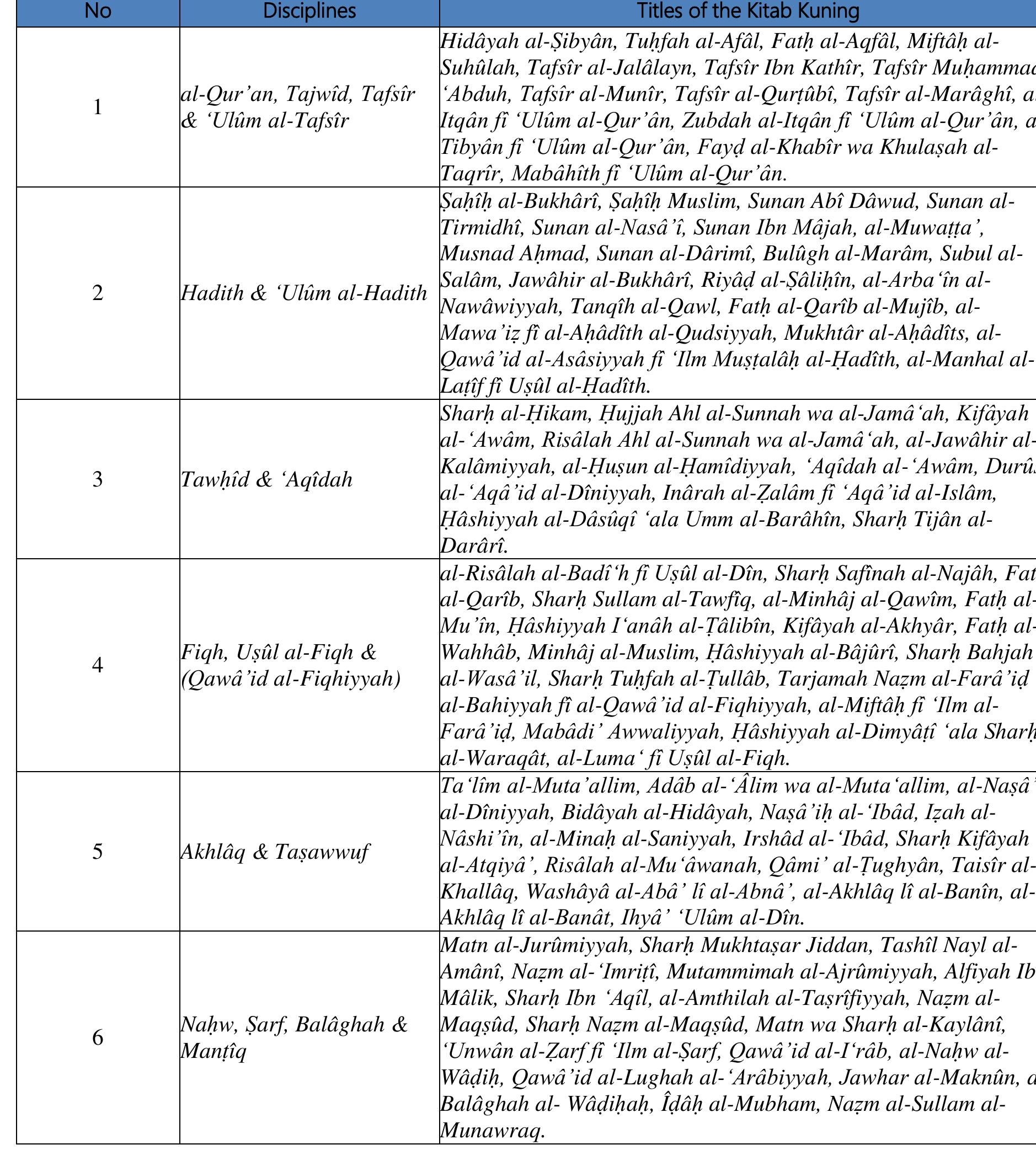
During the Umayyad and Abbasid caliphates, the term kitab expanded alongside the bureaucratization of the Islamic empire. The Katib (secretary or state scribe) became a powerful political figure, and state manuals or bureaucratic treatises were frequently titled Kitab followed by their specific subject matter (e.g., Kitab al-Kharaj, a famous early treatise on taxation and state finance). In this context, understanding the kitab meaning requires recognizing its administrative utility: it was a tool of governance, record-keeping, and imperial control.
Religious and Theological Dimensions: The Sacred Kitab
In religious studies and Islamic theology, kitab frequently assumes a capitalized, sacred status. It denotes divine revelation inscribed on tablets or delivered through prophets. The plural kutub refers to the revealed scriptures recognized in Islam, such as the Tawrat (Torah), Zabur (Psalms), and Injeel (Gospel).
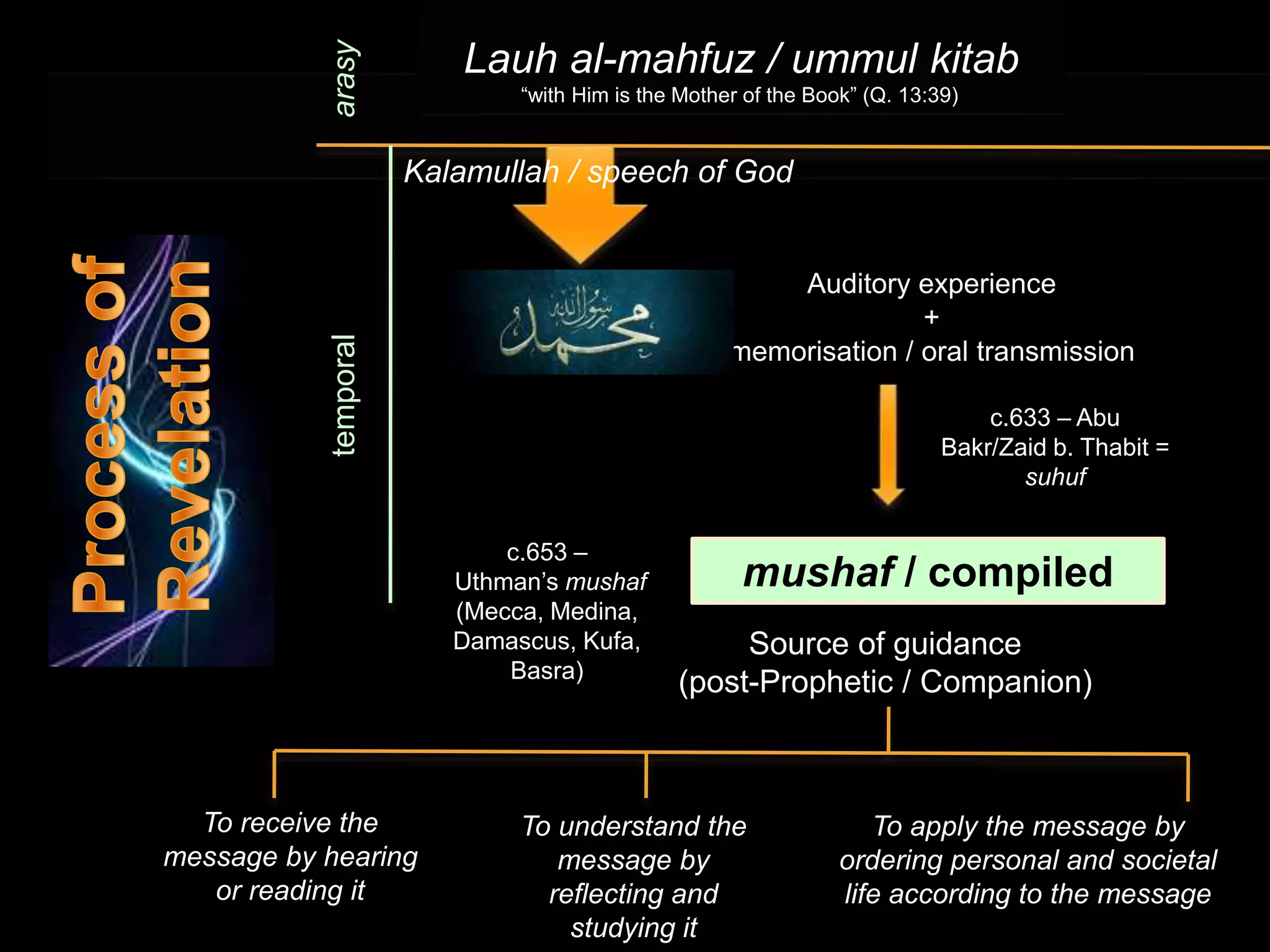
However, the definitive usage appears in references to the Quran itself, which is frequently introduced as Al-Kitab (The Book). In this context, kitab implies comprehensive guidance, divine decree, and an unalterable record preserved in heaven (Umm al-Kitab).
| Contextual Domain | Primary Meaning of Kitab | Typical Usage Examples |
|---|---|---|
| Linguistic / General | A physical book, letter, or written text | Reading a kitab from the library; mailing a kitab (letter). |
| Legal / Administrative | A formal contract, deed, or state document | Marriage contract (kitab an-nikah); administrative state registers. |
| Theological / Sacred | Divine scripture or heavenly decree | Referring to the Quran as Al-Kitab; the primordial record of destiny. |
| Literary / Scholarly | A treatise, volume, or authored monograph | Classical academic titles like Kitab Sibawayh in Arabic grammar. |
Common Misconceptions and Translation Pitfalls
Translating kitab into English often leads to subtle misinterpretations if context is ignored. Translators must avoid treating the word as a monolith.
1. Assuming "Book" Always Means a Bound Volume
In classical texts, a kitab could be a single papyrus scroll, a parchment sheet containing a legal verdict, or a collection of letters. Translating it strictly as a modern hardcover book introduces anachronistic imagery.
2. Confusing Literal Writing with Metaphorical Destiny
While maktub translates to "destined" (it is written), kitab itself usually retains a concrete connection to text. Care must be taken not to conflate divine decree with fatalistic determinism without examining the surrounding theological commentary.
3. Ignoring Genre-Specific Nuances
In traditional Arabic grammar and lexicography, a kitab can refer to a specific chapter or thematic section within a larger encyclopedia. Assuming every reference to a kitab points to an independent, standalone publication will frequently distort historical analysis.
Frequently Asked Questions
What is the literal root of the word kitab?
The word derives from the Arabic root k-t-b (ك-ت-ب), which primarily relates to the physical act of stitching, binding, or writing characters onto a durable surface.
How does kitab differ from sahifa in Arabic literature?
While kitab generally denotes a structured book, bound document, or formal treatise, sahifa typically refers to a page, leaf, or shorter parchment scroll. Historically, early collections of prophetic traditions were sometimes called suhuf (plural of sahifa) before being compiled into comprehensive kutub.
Why is the Quran referred to as Al-Kitab?
In Islamic tradition, calling the Quran Al-Kitab (The Book) emphasizes its completeness, divine preservation, and authoritative status as a permanent, written record of guidance for humanity.
Is kitab used exclusively in religious contexts?
No. While its theological usage is prominent, the term is widely used in secular, legal, and administrative settings to describe contracts, official letters, textbooks, and academic volumes.
How should researchers translate kitab when context is ambiguous?
Translators should look at the governing discipline. If the text is legal, "document" or "deed" is often more accurate than "book." If it is academic or literary, "treatise" or "volume" preserves the scholarly tone.
Conclusion and Practical Next Actions
Understanding the kitab meaning in context requires looking past a single dictionary translation and evaluating the text's genre, historical era, and thematic focus. Whether analyzing a medieval administrative scroll, a legal marriage contract, or a theological scripture, recognizing the nuances of the root k-t-b prevents misinterpretation. For students and researchers, the best next step is to examine primary source documents alongside classical Arabic lexicons, such as Lane's Lexicon or Al-Mu'jam al-Wasit, to observe how native lexicographers define the term across different centuries of Arabic usage.
Image Gallery