Understanding the Serro MG Situation in Brazil
The "Serro MG situation in Brazil" refers to a complex set of socio-cultural, economic, and regulatory challenges facing Serro, a historic municipality in the state of Minas Gerais (MG). Famous for its mountainous terrain, colonial arc...
The "Serro MG situation in Brazil" refers to a complex set of socio-cultural, economic, and regulatory challenges facing Serro, a historic municipality in the state of Minas Gerais (MG). Famous for its mountainous terrain, colonial architecture, and traditional artisanal cheesemaking (Queijo do Serro), the region navigates a delicate balance between preserving its irreplaceable cultural heritage, complying with strict sanitary legislation, and fostering sustainable rural economic development.
Contents
Introduction to Serro, Minas Gerais
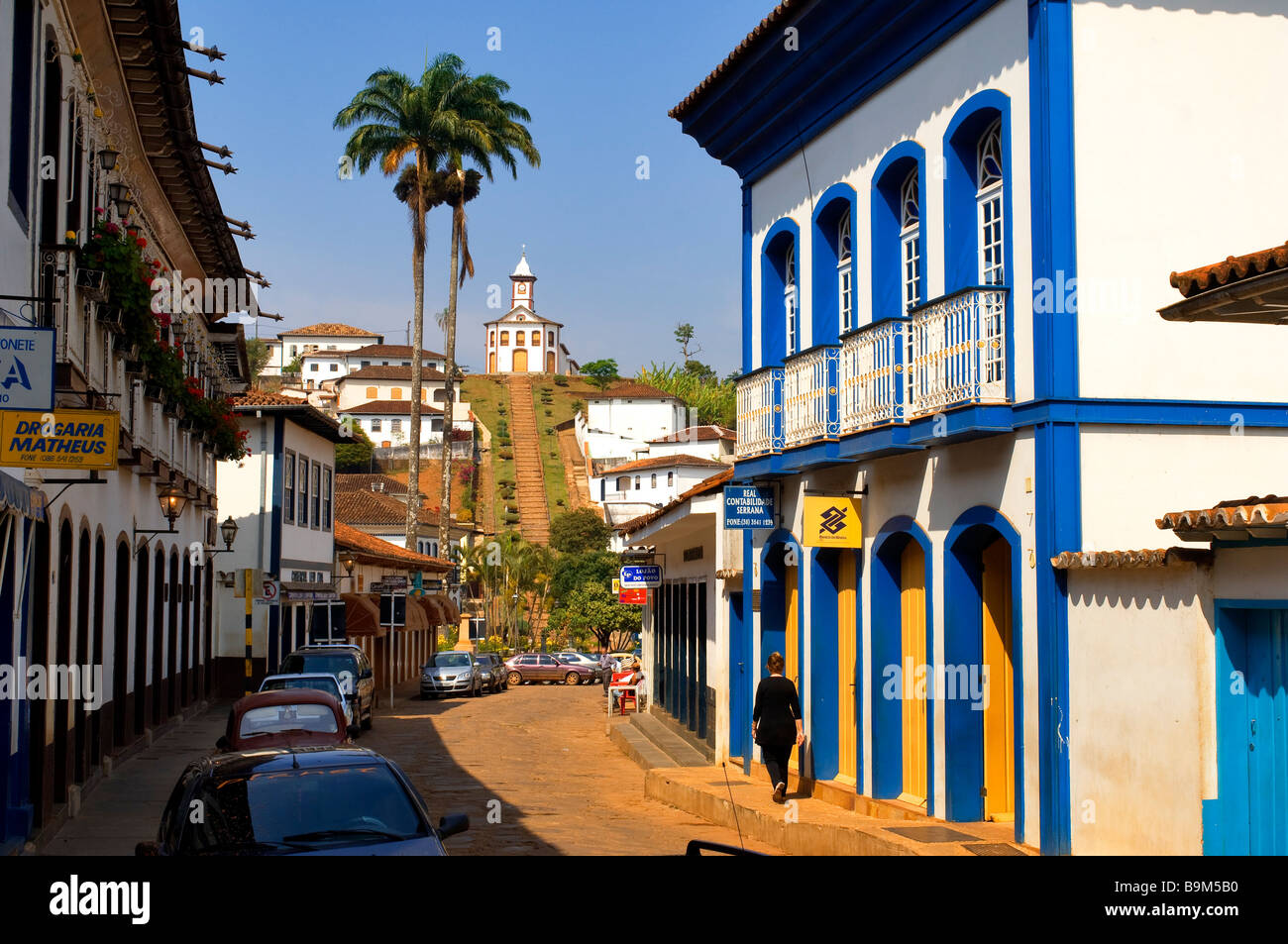
Located in the Jequitinhonha Valley region of Minas Gerais, Serro is widely recognized as one of Brazil's most significant historical and cultural landmarks. Founded during the gold rush era of the early 18th century, the town preserves a remarkably intact urban landscape characterized by baroque churches, cobblestone streets, and colonial-era homes. In 1938, the National Institute of Historic and Artistic Heritage (IPHAN) listed Serro as a national heritage site, placing strict preservation mandates on its architectural core and surrounding landscapes.
Beyond its architectural prominence, Serro is internationally celebrated for producing Queijo do Serro, an artisanal raw-milk cheese crafted using traditional methods handed down through generations. Recognized as an intangible cultural heritage by the National Historical and Artistic Heritage Institute, this culinary tradition forms the backbone of the local rural economy. However, the intersection of historic preservation, agricultural tradition, and modern federal bureaucracy has created a unique regulatory landscape often discussed as "the Serro situation."
The Regulatory and Sanitary Dilemma of Artisanal Cheesemaking
At the heart of the socio-economic discussion in Serro is the production and commercialization of raw-milk artisanal cheese. For centuries, local produtores (producers) have utilized unpasteurized cow's milk, indigenous starter cultures (pingo), and traditional curing techniques in underground or ambient stone cellars. These methods impart unique flavor profiles tied directly to the microclimate, flora, and terroir of the region.
The Conflict Between Federal Standards and Local Traditions
Under historic Brazilian sanitary laws, the commercialization of food products derived from raw milk across interstate lines faced severe restrictions. Federal inspection standards—overseen by the Ministry of Agriculture and Livestock (MAPA)—traditionally mandated pasteurization for dairy products sold nationwide to ensure public health safety.
- The Artisanal Challenge: Pasteurization alters the chemical and biological composition of the milk, rendering traditional Queijo do Serro impossible to replicate authentically.
- Economic Impact: Restricting sales strictly within Minas Gerais historically limited the income potential of thousands of smallholder family farmers (agricultores familiares) who rely on cheese production as their primary livelihood.
- Cultural Preservation: Mandating modern industrial modifications threatened to erase a centuries-old culinary craft officially recognized as Brazilian cultural patrimony.
Legislative Shifts and Certification Milestones
Over the past two decades, various levels of government have introduced legal frameworks to reconcile food safety with cultural preservation. Understanding the current situation requires examining how federal and state laws have evolved to accommodate regional artisanal producers.
| Legislative Milestone | Governing Body | Impact on Serro Producers |
|---|---|---|
| State Law 20.549 / 2012 | State of Minas Gerais | Established foundational guidelines for the sanitary inspection of artisanal cheese, creating a pathway for state-level commercialization. |
| Federal Law 13.680 / 2018 | National Congress | Amended previous industrial inspection laws to allow the interstate commercialization of artisanal cheeses produced with raw milk under specific sanitary controls. |
| Decree 9.918 / 2019 | Federal Executive | Detailed the implementation of the 2018 law, outlining requirements for traceability, good agricultural practices, and regional certification. |
| SISP and IMA Certification | State Agency (IMA) | Provided regional producers structured avenues to obtain official sanitary stamps (Instituto Mineiro de Agropecuária), facilitating legal distribution. |
These regulatory updates shifted the operational landscape from outright prohibition of interstate sales to a managed compliance model. Producers must now meet specific sanitary benchmarks—such as herd health certification, water quality testing, and facility hygiene standards—while preserving their traditional production methods.
Cultural Heritage Protection Versus Modern Infrastructure
While sanitary laws have evolved, property owners and municipal administrators in Serro face ongoing challenges balancing IPHAN’s rigid preservation mandates with modern infrastructural needs. Because the entire historic core of Serro is protected, any structural modification, expansion, or commercial adaptation of historic properties requires exhaustive bureaucratic approval.
Historic Preservation Constraints
Property owners within the historic perimeter cannot freely renovate or modernize buildings to meet contemporary sanitation or accessibility standards without specialized authorization. This dynamic creates friction between:
- Preservationists: Who argue that unmonitored alterations permanently degrade the architectural integrity and historical value of the colonial townscape.
- Local Residents and Business Owners: Who contend that overly restrictive preservation rules impede economic viability, housing modernization, and tourism infrastructure development.
Rural Infrastructure Gaps
Outside the urban core, small-scale agricultural producers in outlying rural districts (distritos) face infrastructure hurdles. Access to reliable electricity, paved secondary roads for transporting perishable goods, and technical assistance laboratories significantly influences whether a smallholder can afford and maintain state sanitary certification.
Socioeconomic Impacts on Local Communities
The economy of Serro relies heavily on a dual-engine model: cultural tourism centered on its historic architecture and agricultural production anchored by dairy farming.
- Tourism Dynamics: Visitors are drawn to Serro for its tranquil atmosphere, historical significance, and gastronomy. Festivals celebrating local cuisine and heritage play a vital role in generating seasonal revenue for local guesthouses (pousadas), restaurants, and artisans.
- Agricultural Vulnerability: Smallholder farming families face pressures from generational succession challenges. Younger generations frequently migrate to larger urban centers like Belo Horizonte or Montes Claros in search of predictable employment, leaving farms understaffed.
- Geographical Indication (GI): The designation of origin status helps protect Queijo do Serro from counterfeiting, ensuring that consumers receive authentic products while commanding premium pricing that directly benefits local producers.
Compliance, Certification, and Producer Guidance
For agricultural producers operating in Serro, navigating the administrative requirements for legal compliance involves several mandatory steps. Those seeking to commercialize their products beyond local markets must engage with regulatory bodies to secure proper documentation.
- Herd Health Verification: Producers must maintain tuberculosis-free and brucellosis-free cattle herds, verified through routine veterinary testing certified by the Instituto Mineiro de Agropecuária (IMA).
- Facility Adaptation: Cheese-making facilities (queijarias) must meet structural hygiene requirements—such as washable wall tiles, screened windows, and separated milk-processing and curing rooms—without violating traditional aesthetics where mandated.
- Traceability Protocols: Implementing record-keeping systems that track milk batches from specific herds through the production and aging cycle.
- Water and Input Testing: Regular laboratory analysis of water sources and raw milk samples to ensure microbiological safety compliance.
Frequently Asked Questions
What is Queijo do Serro and why is it culturally significant?
Queijo do Serro is an artisanal raw-milk cheese produced in the Serro region of Minas Gerais using centuries-old traditional methods. It is recognized as part of Brazil's intangible cultural heritage due to its unique ties to regional history, local microclimates, and generational cheesemaking knowledge.
Why was there a conflict between federal laws and Serro cheese production?
Traditional federal sanitary regulations historically mandated the pasteurization of milk for commercial dairy products to protect public health. Because authentic Queijo do Serro is crafted exclusively from raw milk, traditional production methods technically conflicted with standard industrial distribution laws until legislative updates created specialized artisanal frameworks.
Can Serro cheese be sold outside of Minas Gerais legally?
Yes. Following the passage of Federal Law 13.680 and subsequent implementing decrees, artisanal cheeses produced with raw milk can be sold interstate provided the producers obtain the appropriate sanitary certifications and comply with established traceability and health standards.
How does IPHAN affect property owners in Serro?
IPHAN (National Institute of Historic and Artistic Heritage) protects the urban and architectural core of Serro. Property owners must obtain official federal authorization before undertaking structural renovations, ensuring that modifications do not alter the historic colonial aesthetic of the town.
What are the main challenges currently facing smallholder farmers in the region?
Smallholders frequently encounter barriers related to the high costs of upgrading facilities to meet sanitary standards, infrastructural deficits in rural areas, and demographic shifts as younger generations move away from family farms.
Conclusion and Next Actions
The situation in Serro, Minas Gerais, represents a nationwide Brazilian dialogue on how to harmonize traditional rural culture and historic preservation with modern regulatory standards. For consumers, travelers, and researchers engaging with the region, supporting sustainable development requires recognizing the delicate balance between safeguarding intangible heritage and providing viable economic pathways for local producers. Individuals seeking to support Serro's traditional economy can purchase certified artisanal products from verified local cooperatives, respect municipal and federal preservation guidelines when visiting, and stay informed on updates regarding Brazilian artisanal agricultural legislation through official state agricultural portals like IMA.
Image Gallery