The Olalla Bay Market Lawsuit and Its Contested Claims
The Olalla Bay Market lawsuit centers on a series of local disputes, property-use contentions, and financial disagreements regarding a historic community landmark in Washington State. The legal proceedings involve competing claims over...
The Olalla Bay Market lawsuit centers on a series of local disputes, property-use contentions, and financial disagreements regarding a historic community landmark in Washington State. The legal proceedings involve competing claims over permits, zoning regulations, historic preservation rules, and commercial operations, reflecting tensions between commercial development and rural neighborhood preservation.
Contents
Understanding the Olalla Bay Market and Its Significance
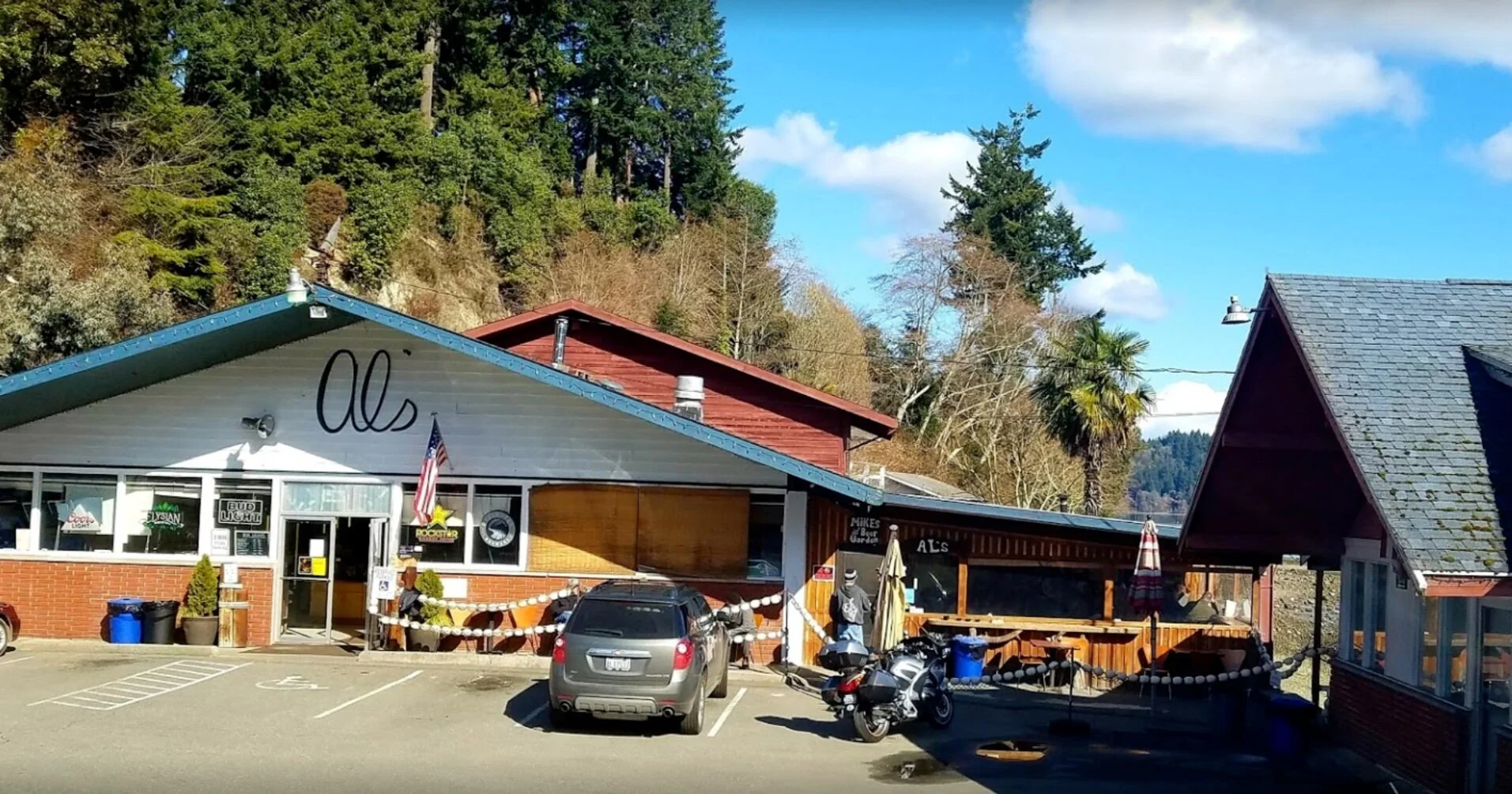
Located in the historic unincorporated community of Olalla, Washington, the Olalla Bay Market has long served as a vital social and economic anchor for residents on the Kitsap Peninsula. Originally established in the early 20th century, the market and its surrounding property have undergone various iterations, ownership changes, and revitalization efforts. For decades, the location functioned as a general store, post office, and community gathering space, embedding itself deeply into the local culture and regional identity.
In recent years, new ownership undertook ambitious restoration projects to revitalize the aging structure, modernize its facilities, and reopen it as a sustainable local business featuring a market, eatery, and community space. However, this revitalization effort encountered significant friction. As construction expanded and commercial operations scaled up, tensions surfaced between the developers, local residents, and municipal authorities regarding the scope of the permits, environmental regulations, and the preservation of the rural character of the Olalla Bay shoreline. These underlying community divisions ultimately transitioned from informal neighborhood disputes into formal legal challenges, setting the stage for a multifaceted courtroom battle.
Origins of the Legal Dispute
The legal challenges surrounding the Olalla Bay Market did not materialize overnight; they evolved from a series of escalating disagreements between property developers and community stakeholders. As restoration work progressed, questions arose concerning whether the scope of the construction exceeded the allowances of the historic and commercial zoning permits initially granted by Kitsap County.
Key triggers for the litigation included:
- Permitting and Land Use: Disagreements over whether the commercial activities required expanded environmental reviews or new conditional use permits.
- Shoreline Management: Concerns regarding proximity to the Olalla Bay shoreline and adherence to the Washington State Shoreline Management Act.
- Traffic and Infrastructure: Neighborhood complaints about increased traffic congestion, parking shortages, and the strain on local rural roads.
- Noise and Community Impact: Tensions over operating hours, outdoor seating, and events that neighbors argued disrupted the peaceful residential character of the area.
As these complaints mounted, local advocacy groups and affected property owners began petitioning county regulators to enforce stricter oversight. When administrative remedies and mediation efforts stalled, formal legal action was initiated to halt or modify operations at the market, leading to a complex web of claims and counterclaims.
Core Claims and Counterclaims in the Lawsuit
The litigation involving the Olalla Bay Market features a distinct set of competing legal arguments presented by the plaintiffs (typically neighboring residents and community advocacy groups) and the defendants (market ownership, developers, and occasionally local regulatory bodies). Analyzing these contested claims requires examining both sides of the legal filing.
Plaintiff Arguments and Allegations
The plaintiffs in the various actions generally argue that the commercial expansion of the Olalla Bay Market violates local zoning codes and state environmental protection statutes. Their primary claims typically include:
- Unlawful Expansion: Allegations that the current physical structure and commercial output exceed the historical non-conforming use rights grandfathered into the property.
- Environmental and Habitat Concerns: Assertions that increased foot traffic, wastewater management demands, and construction near the bay threaten local marine life and water quality in Olalla Bay.
- Procedural Non-Compliance: Claims that Kitsap County improperly issued permits or waived required environmental impact assessments without adequate public notice or comment periods.
Defendant Defenses and Counter-Claims
Conversely, the owners and operators of the Olalla Bay Market, supported by their legal counsel and local supporters, maintain that their actions have been fully compliant with applicable laws. Their core defenses include:
- Vested Rights and Historic Preservation: The argument that the project falls under legal protections designed to encourage the restoration of historic community assets rather than hinder them through overly restrictive modern codes.
- Good Faith Permitting: Assertions that developers worked transparently with county planning departments, securing all necessary sign-offs, building permits, and health department approvals before proceeding.
- Economic and Community Benefit: Highlighting the positive economic impact, job creation, and the restoration of a deteriorating historical landmark that serves the broader public interest.
| Dimension | Plaintiff Claims (Challengers) | Defendant Positions (Owners/Developers) |
|---|---|---|
| Zoning Status | Operations exceed historical non-conforming use rights; requires new conditional permits. | Project operates within validly issued permits and protected historic restoration guidelines. |
| Environmental Impact | Threatens shoreline ecology, water quality, and local wildlife habitats near Olalla Bay. | Implements modern environmental safeguards superior to previous derelict structures on the site. |
| Community Impact | Generates excessive traffic, noise, and parking burdens on rural residential roads. | Revitalizes a community hub, providing local access to food, commerce, and social space. |
| Regulatory Compliance | County officials allegedly bypassed mandatory environmental reviews and public notice rules. | Full cooperation and transparency maintained with Kitsap County planning and health agencies. |
Role of Local Government and Regulatory Agencies
Kitsap County planning, zoning, and code enforcement departments occupy a central, albeit complicated, position in the Olalla Bay Market litigation. Municipal and county entities are often named as respondents or co-defendants in land-use petitions, requiring them to defend their administrative processes and the legality of the permits they issued.
Under Washington state law, land-use petitions—often governed by the Land Use Petition Act (LUPA)—set strict procedural deadlines and standards of review for challenging local government decisions. Plaintiffs challenging the market must demonstrate that county officials acted arbitrarily, capriciously, or contrary to law when approving the project permits. For their part, county representatives maintain that their oversight balances economic revitalization with strict adherence to the Kitsap County Code and the Washington State Growth Management Act. This ongoing regulatory scrutiny means that the outcome of the lawsuit could set important local precedents for how historic commercial properties are managed, zoned, and restored throughout the county.
Broader Implications for Rural Commercial Properties
Beyond the specific parties involved, the Olalla Bay Market lawsuit highlights a recurring friction point in Pacific Northwest communities: the balance between rural preservation and commercial enterprise. As historic properties in unincorporated areas are purchased and redeveloped to meet modern economic demands, municipal planners face mounting challenges in applying legacy zoning codes to contemporary business models.
Key lessons and broader industry takeaways from this legal battle include:
- Early Public Engagement: Transparent communication between developers and immediate neighbors during the early planning stages can often mitigate the misunderstandings that lead to costly litigation.
- Permit Clarity: Ensuring that historical property designations and non-conforming use rights are thoroughly vetted and documented prevents later challenges regarding the legality of structural expansions.
- Infrastructure Assessment: Comprehensive traffic and environmental studies commissioned prior to project launch can defend against subsequent legal claims regarding neighborhood disruption.
Frequently Asked Questions
What is the primary issue in the Olalla Bay Market lawsuit?
The central dispute involves disagreements over land-use permits, zoning compliance, and environmental regulations governing the historic market's commercial expansion and restoration in Kitsap County, Washington.
Who are the main parties involved in the legal proceedings?
The litigation typically involves neighboring residents and community advocacy groups acting as plaintiffs, contesting the actions of the market's developers and owners, with Kitsap County regulatory bodies frequently involved as administrative respondents.
Does the lawsuit challenge the historic status of the building?
While the building's historic nature is acknowledged by all parties, the legal conflict focuses on whether the commercial scale and modern intensity of current operations exceed what is legally permitted under historic non-conforming use or modern zoning codes.
What role does the Washington State Shoreline Management Act play?
Because the market is situated near the Olalla Bay waterfront, aspects of the lawsuit touch upon shoreline protection rules, environmental setbacks, and potential impacts on local marine ecosystems and water quality.
Where can interested parties monitor official case filings?
Official records, public hearing notices, and legal filings related to Kitsap County land-use disputes can typically be accessed through the Kitsap County Superior Court docket or the Kitsap County Department of Community Development public records portal.
Next Actions and Outlook
For residents, business owners, and legal observers monitoring the Olalla Bay Market lawsuit, tracking upcoming court hearings and Kitsap County planning commission updates is essential. Anyone directly affected by property-use rules or commercial developments in rural Kitsap County should consult with a qualified land-use attorney or review official municipal dockets to understand how ongoing rulings may impact local real estate standards and community development guidelines.
Image Gallery