How to Decide to Fix Up a House or Sell As Is
Deciding whether to fix up a house or sell it as-is depends on your local market conditions, your available budget and time, the extent of the needed repairs, and your personal financial goals. Homeowners must balance the potential ret...
Deciding whether to fix up a house or sell it as-is depends on your local market conditions, your available budget and time, the extent of the needed repairs, and your personal financial goals. Homeowners must balance the potential return on investment against the upfront costs, contractor availability, and emotional toll of managing a renovation project before listing a property on the real estate market.
Contents
When facing the crossroad of homeownership, the choice between undertaking a comprehensive pre-sale renovation or selling a property in its current condition is one of the most consequential financial decisions you can make. The modern real estate landscape offers distinct pathways for both approaches, driven by local buyer demand, material and labor costs, and the velocity of the housing market. Understanding the financial implications, logistical hurdles, and psychological factors of each option ensures that you choose the strategy maximizing your net proceeds and minimizing stress.
Evaluating Your Property’s Current Condition and Market Position
Before committing to a multi-thousand-dollar renovation or accepting a lower cash offer for an un-repaired home, you must conduct an objective assessment of the property's physical state. Real estate professionals generally categorize home defects into three tiers: cosmetic flaws, functional obsolescence, and structural liabilities.
Cosmetic issues—such as dated wallpaper, worn carpeting, peeling exterior paint, or outdated brass light fixtures—are relatively inexpensive to address and almost always yield a favorable return on investment. Buyers frequently overreact to superficial ugliness, viewing it as evidence of systemic neglect even when the underlying structure is sound.
Functional obsolescence includes awkward floor plans, single-bathroom layouts in multi-bedroom homes, or insufficient electrical panel capacity. These features limit the buyer pool, but correcting them often requires invasive construction, structural engineering consultations, and substantial capital outlay.
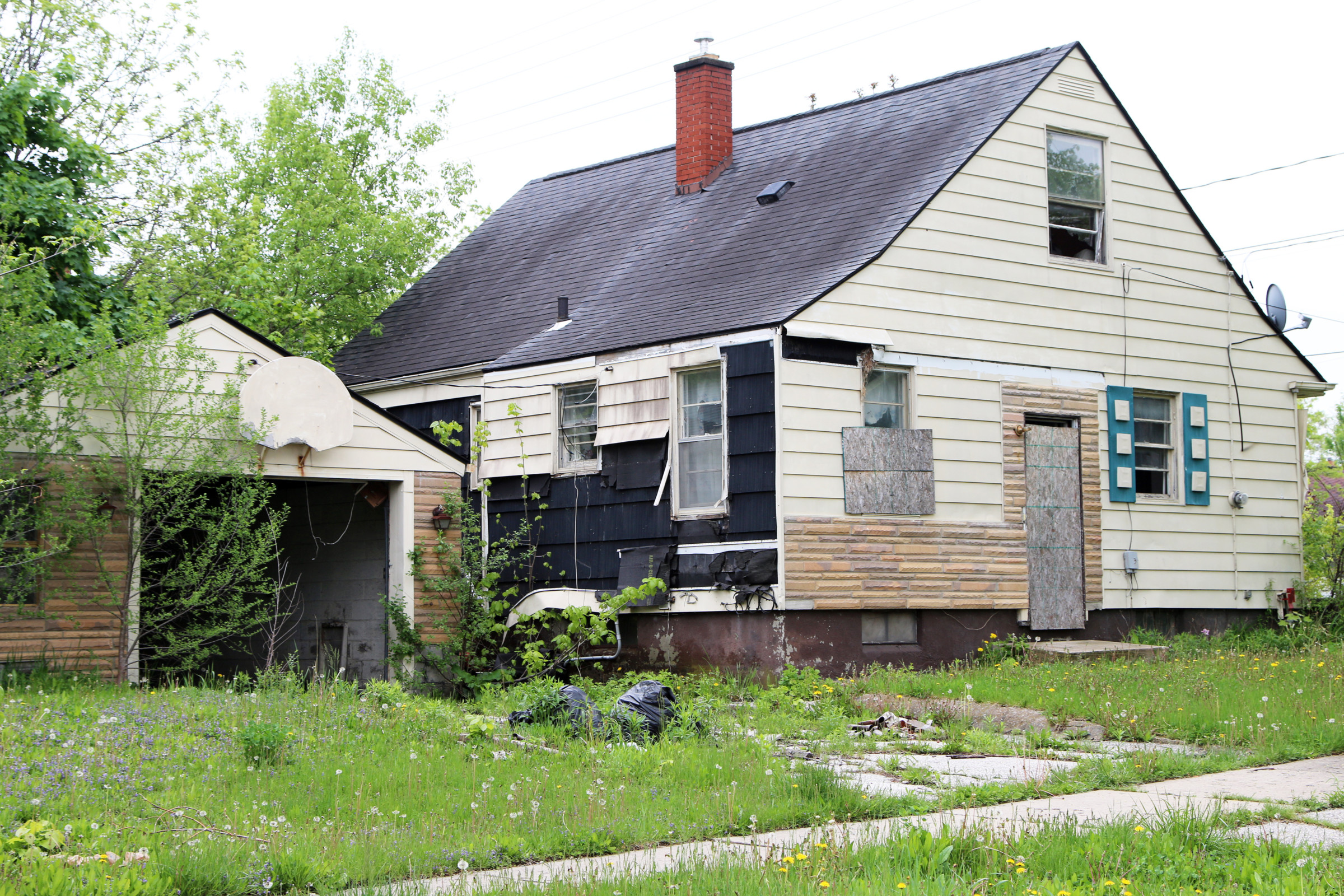
Structural liabilities, such as a compromised foundation, active roof leaks, severe mold infestations, or outdated knob-and-tube wiring, represent critical impediments to traditional financing. If a home cannot pass standard mortgage underwriting inspections, your target audience narrows immediately to cash buyers and fix-and-flip investors who will price their offers aggressively to account for their risk and labor.
The Role of a Pre-Listing Inspection
Investing in a pre-listing home inspection can remove the guesswork from your decision-making process. By paying an independent, certified home inspector to evaluate the property before it goes on the market, you uncover hidden defects before a prospective buyer's inspector finds them.
Armed with a detailed inspection report, you can solicit concrete bids from licensed contractors rather than relying on rough estimates. This data allows you to calculate whether the cost of repairs will be recouped through a higher sale price. Furthermore, disclosing known defects upfront builds trust with buyers and prevents painful renegotiations or contract cancellations during escrow.
The Case for Fixing Up Your House Before Selling
Opting to renovate or update your home before listing is a strategy designed to maximize your final sale price and expand your pool of financed, retail buyers. Retail buyers—families and individuals looking for a primary residence—are typically willing to pay top dollar for turn-key properties because they lack the cash, time, or inclination to manage contractors after closing.
High-ROI Improvements Versus Over-Improving
Not all home improvements are created equal. According to cost-versus-value data tracked across the real estate industry, exterior enhancements consistently outperform interior overhauls in terms of recouped costs. Projects that boost curb appeal, such as installing a new steel front door, applying fresh neutral exterior paint, replacing worn garage doors, and maintaining clean landscaping, offer immediate visual impact.
Inside the home, minor kitchen and bathroom updates offer high returns. Refinishing existing cabinetry, installing durable quartz countertops, replacing outdated faucets, and applying a modern neutral paint palette across interior walls transform a dated space into an inviting canvas.
Conversely, major structural additions, luxury master suite expansions, and high-end custom swimming pools rarely return 100% of their installation costs upon resale. Over-improving a home beyond the median price point of the surrounding neighborhood—a concept known in real estate as pricing yourself out—is a common pitfall that prevents you from recovering your renovation expenditures.
Financial and Logistical Challenges of Pre-Sale Renovations
While the financial upside of a fixed-up home is appealing, the execution phase introduces significant friction. Managing a renovation requires upfront capital, access to reliable credit, and the ability to absorb unexpected cost overruns. Supply chain delays, labor shortages, and hidden structural damage discovered behind walls frequently stretch timelines from weeks into months.
Additionally, living through a major home renovation is notoriously stressful, and carrying mortgage payments, property taxes, and utility bills on an unoccupied construction site drains monthly cash flow. You must also factor in the opportunity cost: while your house is torn apart for four months, you miss out on favorable seasonal market windows.
The Case for Selling As-Is
Selling a house as-is means you are listing the property in its current condition with no implied or explicit promise to make repairs, update finishes, or remediate code violations. You may still be legally required under state property disclosure laws to reveal known material defects, but the physical work remains untouched by you as the seller.
Target Audiences and Buyer Profiles
When you sell a home as-is, your primary target audience shifts from retail home buyers to real estate investors, house flippers, and cash-buying companies. These buyers specialize in absorbing property risk. They calculate their offers using the After Repair Value (ARV) formula, subtracting estimated repair costs, holding costs, and a profit margin from the projected market value of the fully renovated home.
However, selling as-is does not automatically lock you out of the retail market. In competitive housing markets characterized by low inventory, everyday buyers frequently purchase homes as-is, particularly if the property is priced appropriately to reflect its condition and located in a highly desirable school district or neighborhood.
Advantages of an As-Is Sale
The most compelling benefit of selling as-is is speed and certainty. Traditional real estate transactions involve prolonged contingencies: mortgage financing contingencies, appraisal contingencies, and inspection negotiation contingencies. Each hurdle presents an opportunity for a deal to collapse.
As-is cash sales frequently bypass mortgage underwriting and appraisal delays, allowing transactions to close in as little as seven to fourteen days. Furthermore, you eliminate the hassle of hiring contractors, pulling municipal permits, managing construction timelines, and stressing over material selections. You walk away from the property with cash in hand, free of ongoing holding costs and liability for future system failures.
The Financial Trade-Off
The primary drawback of an as-is sale is the financial discount. Investors and cash buyers factor significant safety margins into their offers. If your home requires $50,000 in genuine structural and cosmetic repairs, a professional investor may offer $70,000 to $90,000 below market value to account for their labor, capital risks, and target profit.
Even when selling to a retail buyer who accepts the property as-is, the home will inevitably command a lower price than a comparable turn-key property in the immediate neighborhood. You are trading top-dollar potential for guaranteed convenience and speed.
Comparative Decision Matrix: Fix Up vs. Sell As-Is
To synthesize these strategic considerations, examine the core operational differences between the two approaches across key decision metrics:
| Decision Factor | Fixing Up the House | Selling As-Is |
|---|---|---|
| Time to Market | Slower (Weeks to months of prep and construction) | Faster (Immediate listing or direct cash sale) |
| Upfront Capital Required | High (Cash reserves or renovation loans needed) | Minimal to None (No repair expenditures) |
| Target Buyer Pool | Broad (Financed retail buyers and families) | Narrower (Cash buyers, investors, or flexible buyers) |
| Stress Level | High (Managing contractors, permits, and delays) | Low (Streamlined transaction process) |
| Potential Net Proceeds | Maximum (Captures full retail market value) | Discounted (Reflects buyer risk and repair costs) |
Financial Calculation: Net Profit Analysis
To make a rational choice, you must calculate the projected net proceeds for both scenarios using real figures from your local market. Do not rely on emotional attachments or guesswork; use hard math.
- Calculate the As-Is Net Proceeds: Estimate the current market value of your home in its exact present condition based on recent comparable sales of un-renovated homes. Subtract estimated closing costs, agent commissions (if applicable), and transfer taxes to find your baseline net return.
- Calculate the Renovated Net Proceeds: Obtain professional contractor bids for all necessary repairs and cosmetic updates. Add a 15% contingency fund for unexpected issues. Estimate the future market value (ARV) of the home post-renovation. Subtract the total renovation costs, additional holding costs (mortgage, insurance, and utilities accrued during construction), financing interest, and closing costs from the ARV.
- Compare the Deltas: If the projected net proceeds from the renovation significantly exceed the as-is value after accounting for costs, fixing up the house is mathematically superior. If the difference is negligible, the risk, time, and stress of a renovation project outweigh the marginal financial gain, making an as-is sale the wiser choice.
Frequently Asked Questions
Can I sell my house as-is if it has major structural damage?
Yes, you can sell a house with major structural damage as-is, but your buyer pool will be limited almost entirely to cash investors and specialized flippers. Traditional lenders will not issue a mortgage on a home with compromised structural integrity, rendering retail buyers reliant on bank financing unable to purchase the property.
What are the most cost-effective repairs to make before selling?
The highest-return improvements typically focus on deep cleaning, decluttering, applying neutral interior paint, updating light fixtures, enhancing front door curb appeal, and repairing obvious safety hazards like broken handrails or leaky plumbing fixtures.
Do I still need to disclose property defects if I sell as-is?
Yes. An as-is sale exempts you from making physical repairs, but it does not exempt you from state legal disclosure requirements. You must legally disclose all known material defects, such as roof leaks, past flooding, foundation cracks, or pest infestations, to protect yourself from post-closing litigation.
How do cash-buying companies value an as-is property?
Cash buyers and iBuyers utilize automated valuation models and local comparative market data to determine the after-repair value of your home. They then subtract estimated repair costs, administrative fees, holding costs, and profit margins to formulate their final cash offer.
Is it better to use a real estate agent for an as-is sale?
Using a real estate agent is beneficial even for an as-is sale because an experienced agent can list the property on the Multiple Listing Service (MLS), exposing it to a broader network of cash buyers and creating competitive bidding tension that drives up the final sale price.
Next Actions for Homeowners
Start by gathering local comparable sales data from a licensed real estate agent or certified appraiser to understand what un-renovated and fully updated homes command in your specific neighborhood. Next, schedule an independent pre-listing inspection to identify hidden liabilities and secure at least two competing contractor bids for the required repairs. Run the net profit calculation comparing the projected renovated proceeds against a direct as-is cash offer. If you lack the financial reserves, time, or emotional bandwidth to manage a construction project, prioritize a streamlined as-is sale to liquidate your asset efficiently. If your local market is robust, inventory is low, and the math yields a substantial profit margin after accounting for contingencies, invest in targeted, high-ROI updates to capture top dollar from retail buyers.
Image Gallery