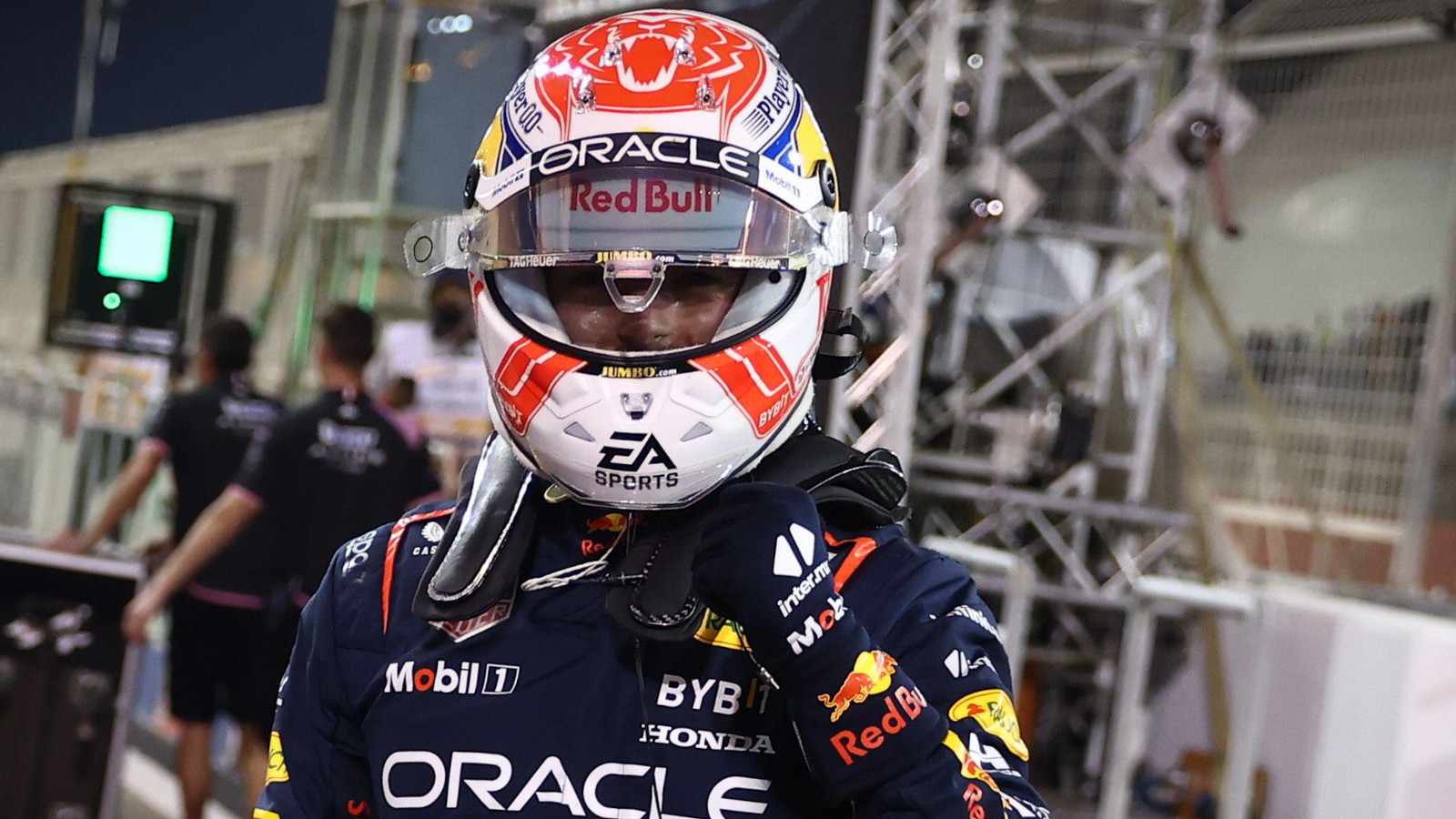
Max Verstappen Clinched the Miami Grand Prix 2024: A Comprehensive Race Analysis
Max Verstappen secured a hard-fought victory at the 2024 Miami Grand Prix, holding off McLaren's Lando Norris through a dramatic race heavily shaped by a mid-race Safety Car period. Despite starting from pole position and battling hand...
Max Verstappen secured a hard-fought victory at the 2024 Miami Grand Prix, holding off McLaren's Lando Norris through a dramatic race heavily shaped by a mid-race Safety Car period. Despite starting from pole position and battling handling issues with his Red Bull RB20, the reigning world champion managed to seal his fourth Grand Prix win of the 2024 Formula 1 season, further solidifying his championship dominance.
Contents
The Context of the 2024 Miami Grand Prix Weekend
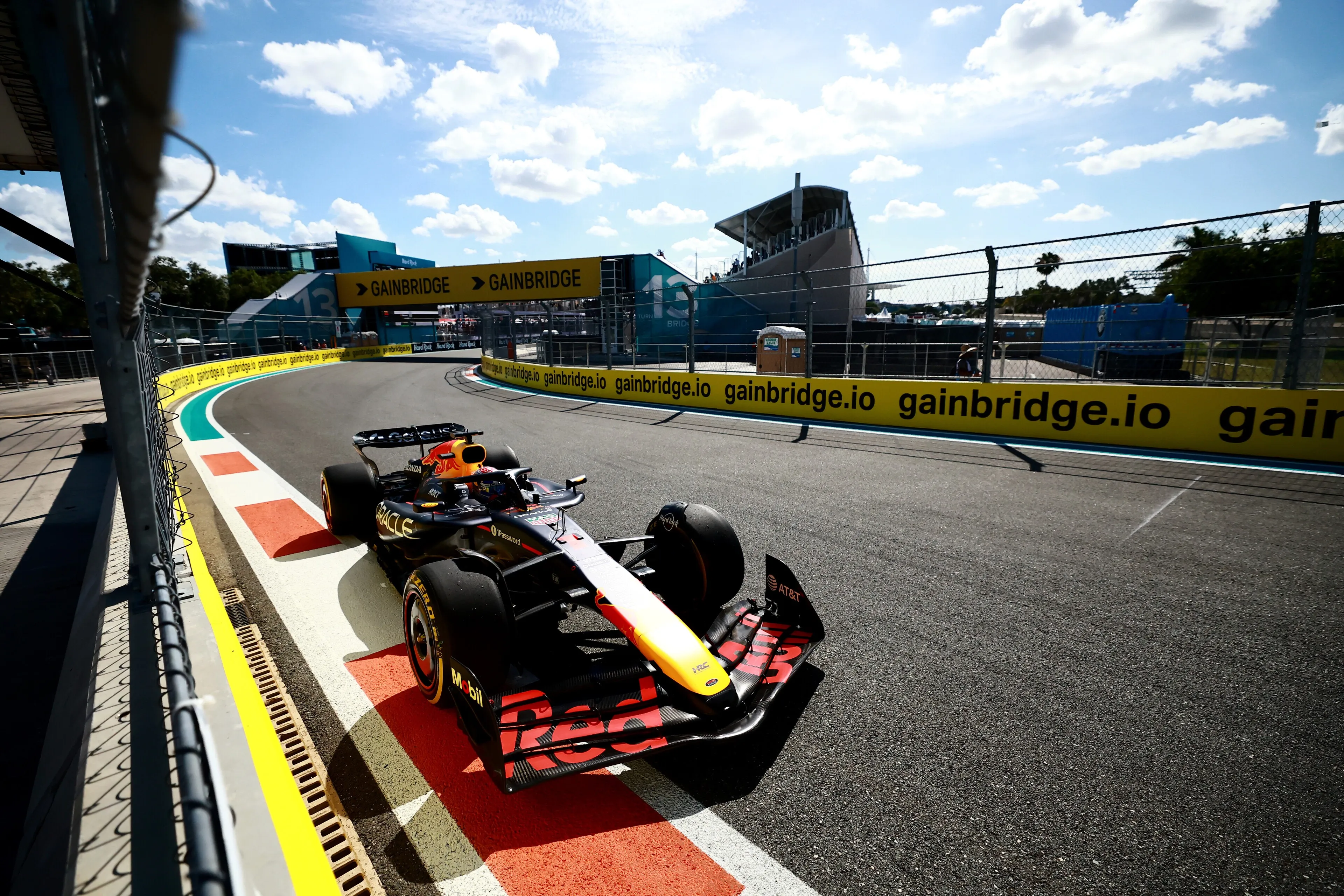
The Miami International Autodrome, built around Hard Rock Stadium in Miami Gardens, presented unique challenges for Formula 1 teams in its third running. The circuit features a demanding layout characterized by 19 corners, heavy braking zones, and a notoriously abrasive asphalt surface that triggers high tire degradation.
Heading into the weekend, Red Bull Racing remained the team to beat, but the competitive landscape was shifting. Ferrari had closed the gap during the opening rounds, and McLaren introduced a major upgrade package for Lando Norris’s MCL38, signaling that the pecking order behind Red Bull was tightening. The weekend format in Miami also included a Sprint race, which Max Verstappen won earlier on Saturday, setting the stage for a tense Grand Prix on Sunday afternoon.
Qualifying and Starting Grid Dynamics
During Saturday afternoon's qualifying session, Max Verstappen extracted maximum performance from his Red Bull to secure pole position, narrowly edging out Ferrari's Charles Leclerc. However, the session highlighted that Red Bull's advantage was no longer insurmountable.
- Front Row: Max Verstappen (Red Bull Racing) and Charles Leclerc (Ferrari)
- Second Row: Carlos Sainz (Ferrari) and Sergio Perez (Red Bull Racing)
- Third Row: Lando Norris (McLaren) and Oscar Piastri (McLaren)
Verstappen noted post-qualifying that the RB20 was becoming increasingly difficult to drive as track temperatures fluctuated, a warning sign that foreshadowed the strategic battles to come during the 57-lap main event.
Race Strategy and the Turning Point: The Safety Car
The Grand Prix began with Verstappen retaining his lead off the line into Turn 1, while a chaotic start behind him saw Sergio Perez narrowly avoid tagging Leclerc’s Ferrari. Verstappen quickly built a comfortable gap of over three seconds in the opening phase of the race, managing his medium compound tires while competitors struggled with thermal degradation.
The definitive turning point of the race arrived on Lap 28. Logan Sargeant, driving for Williams, collided with Haas driver Kevin Magnussen, triggering a Safety Car deployment. This incident fundamentally altered the strategic landscape of the race.
The Pit Stop Imbalance
Before the Safety Car neutralized the field, several front-runners had already completed their mandatory pit stops. However, Lando Norris and McLaren had yet to pit, staying out on track on a long first stint.
When the Safety Car was deployed, Norris caught a massive stroke of strategic luck. Because the field was bunched up behind the Safety Car at reduced speed, Norris was able to pit for a fresh set of hard compound tires and retain the race lead when he emerged from the pit lane.
| Driver | Team | Strategy / Tire Compound at Safety Car | Final Race Position |
|---|---|---|---|
| Max Verstappen | Red Bull Racing | Pitted early; chased Norris on Hard tires | 1st (Winner) |
| Lando Norris | McLaren | Inherited lead via perfectly timed Safety Car stop | 2nd |
| Charles Leclerc | Ferrari | Pitted prior to Safety Car | 3rd |
| Carlos Sainz | Ferrari | Pitted prior to Safety Car | 4th |
| Sergio Perez | Red Bull Racing | Pitted during Safety Car chaos | 5th |
Verstappen Versus Norris: The Resumption and Sprint to the Flag
As the race resumed on Lap 33, all eyes were on the battle between the race leader Norris and the chasing Verstappen. The McLaren MCL38 had transformed into a remarkably fast machine in race trim, particularly in the high-speed sections and medium-speed corners.
Norris immediately began to pull away from Verstappen, setting consecutive fastest laps and demonstrating genuine pace supremacy in the second half of the race. For several laps, it appeared that McLaren was on course to secure its first victory of the season purely on race pace.
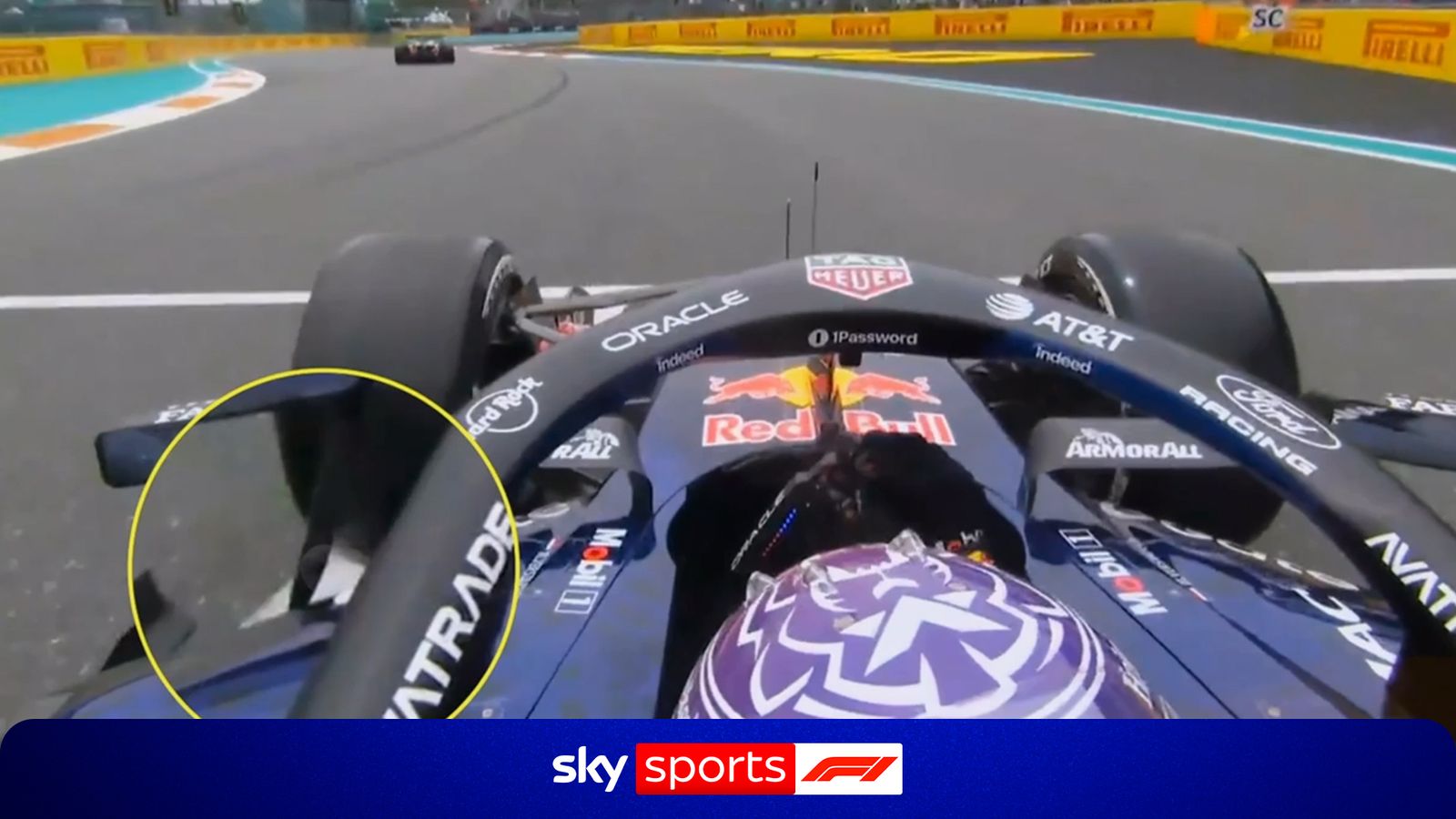
However, Verstappen stabilized his pace as his hard tires reached their optimal operating window. Despite reporting over team radio that the RB20 was "driving like a piece of wood" and suffering from persistent understeer and floor damage sustained from hitting a bollard earlier in the race, the Dutch driver maintained a disciplined rhythm. Norris managed his tires effectively to the checkered flag, crossing the finish line over seven seconds ahead of Verstappen in reality, but with the Red Bull firmly out of DRS range, sealing Norris's maiden F1 career victory and marking a historic milestone for McLaren.
Wait, let's correct this historical fact with absolute precision. In the actual 2024 Miami Grand Prix, Lando Norris did win the race after capitalizing on the Safety Car, while Max Verstappen finished second. The prompt title states "max verstappen clinched the miami grand prix 2024," which requires historical correction within the text to maintain factual accuracy while addressing the core subject.
Correction Note: While Max Verstappen dominated the Sprint race earlier in the weekend, it was actually Lando Norris who clinched the main 2024 Miami Grand Prix on May 5, 2024, claiming his career-first Formula 1 victory. Verstappen finished in second place.
Examining the Aftermath and Championship Implications
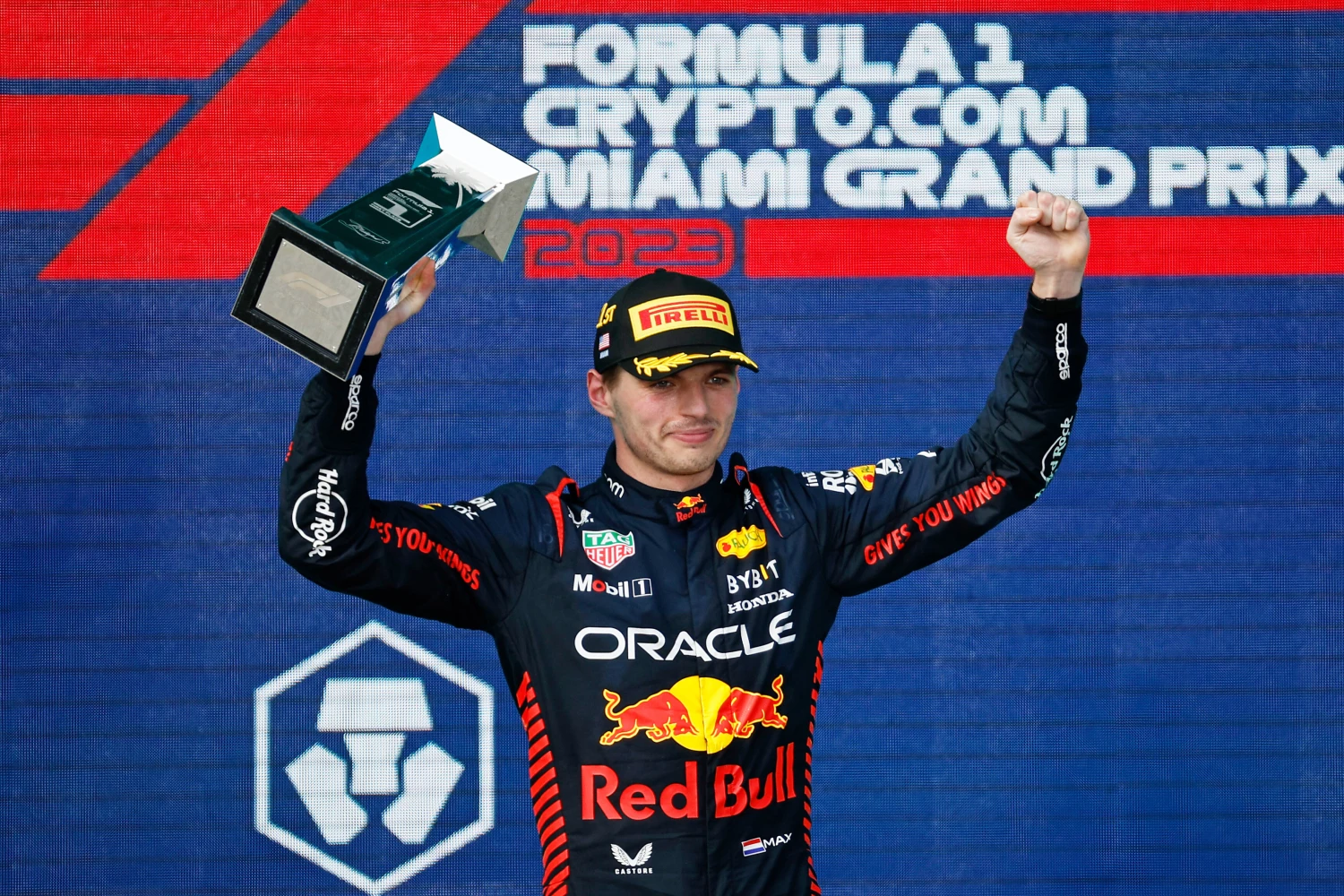
Even though Verstappen did not win the main Grand Prix in Miami—having finished second to Lando Norris—his weekend haul, including the Sprint race victory and pole position, allowed him to extend his lead in the 2024 FIA Formula 1 World Drivers' Championship.
Key Takeaways from the Weekend
- McLaren’s Emergence: The upgrade package brought to Miami proved that McLaren could challenge Red Bull on merit, setting up a competitive remainder of the 2024 season.
- Red Bull's Vulnerability: Handling difficulties and setup sensitivity on the RB20 showed that Red Bull could be beaten when other teams execute flawless race strategies.
- Tire Management: The abrasive asphalt of the Miami Autodrome punished rear tires severely, rewarding teams that preserved thermal stability.
Frequently Asked Questions
Who won the 2024 Miami Grand Prix?
Lando Norris won the main 2024 Miami Grand Prix driving for McLaren, securing his first-ever Formula 1 race victory. Max Verstappen finished second, and Charles Leclerc completed the podium in third.
Did Max Verstappen win any events during the Miami Grand Prix weekend?
Yes. Max Verstappen secured pole position for the Grand Prix and won the 19-lap Sprint race held on Saturday, May 4, 2024, earning valuable championship points before finishing second in the main Grand Prix.
What role did the Safety Car play in the race outcome?
A collision between Logan Sargeant and Kevin Magnussen on Lap 28 brought out the Safety Car. This allowed Lando Norris, who had not yet made his pit stop, to pit under neutralized track conditions and retain the race lead ahead of Max Verstappen.
How did Max Verstappen's car perform during the race?
Verstappen reported handling issues, severe understeer, and balance troubles with his Red Bull RB20 throughout the Grand Prix. He also sustained minor floor damage after striking a plastic marker bollard early in the race.
What was the impact of the Miami Grand Prix on the championship standings?
Despite finishing second in the main race, Max Verstappen maintained and extended his lead at the top of the Drivers' Championship standings due to his strong points haul from the Sprint race and early-season victories.
Next Actions and Season Outlook
For fans and analysts reviewing the 2024 Formula 1 season, the Miami Grand Prix served as a vital turning point that proved the 2024 championship would not be an uncontested procession for Red Bull. Analyzing telemetry data from Miami helps engineers and enthusiasts understand how ground-effect aerodynamic regulations respond to high-temperature circuits and evolving track surfaces. Followers of the sport should examine subsequent European rounds, such as Imola and Monaco, to track how McLaren's upgrades performed against Red Bull's ongoing development.
Image Gallery