Novak Djokovic Endorsements in Tennis: A Comprehensive Financial and Commercial Overview
Novak Djokovic's commercial portfolio reflects his status as one of the most successful athletes in tennis history, combining long-term multi-national brand partnerships with strategic investments and equity stakes. Unlike players who...
Novak Djokovic's commercial portfolio reflects his status as one of the most successful athletes in tennis history, combining long-term multi-national brand partnerships with strategic investments and equity stakes. Unlike players who rely solely on traditional apparel and equipment retainers, Djokovic has curated an endorsement ecosystem that spans luxury watches, financial services, automotive manufacturing, and sports technology, matching his record-breaking achievements on the ATP Tour.
Contents
To fully understand the scope of Novak Djokovic endorsements in tennis, one must examine the intersection of athletic dominance, brand alignment, contractual evolution, and global market reach. His commercial strategy has transformed significantly over his career, moving from standard equipment-sponsorship agreements to complex partnerships involving venture capital, brand equity, and philanthropic alignment.
The Evolution of Djokovic’s Commercial Strategy
When Novak Djokovic emerged on the professional tennis circuit in the mid-2000s, his commercial potential was shaped by fierce competition with established market titans like Roger Federer and Rafael Nadal. Early in his career, his endorsement portfolio mirrored standard tennis industry practices: racket manufacturers, apparel suppliers, and regional lifestyle brands.
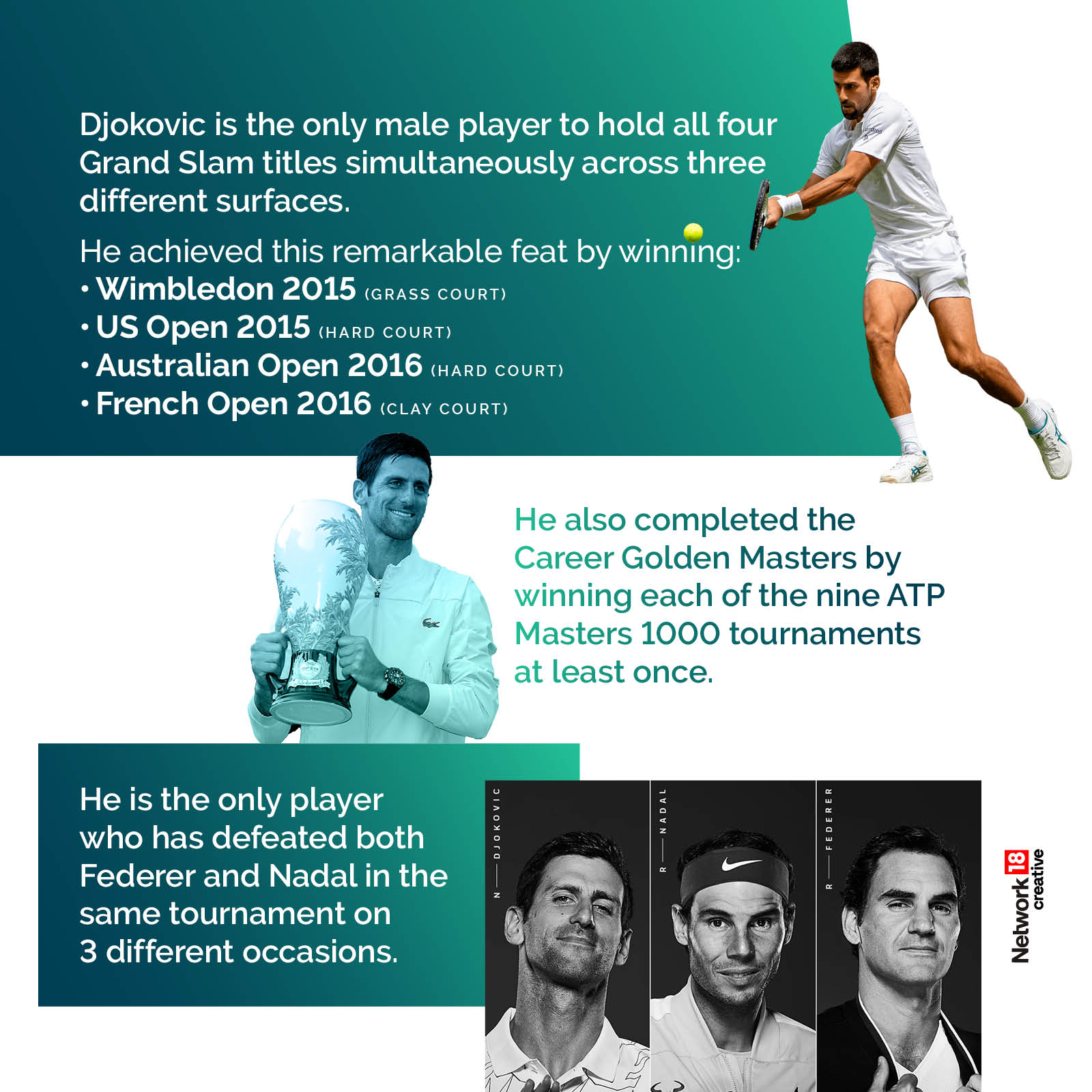
As his competitive ranking ascended—culminating in multiple Grand Slam titles and a record-shattering number of weeks spent at world number one—his market value underwent a structural shift. Brands recognized that his success spanned all major surface types (hard court, clay, and grass), giving his sponsors year-round global visibility across all four Grand Slam tournaments: the Australian Open, Roland Garros, Wimbledon, and the US Open.
The commercial maturation of Djokovic also coincided with a shift in how elite athletes manage intellectual property. Rather than entering strictly cash-for-endorsement contracts, Djokovic and his management team began seeking performance bonuses, milestone incentives, and equity participation. This evolution protected his commercial interests during economic shifts and ensured that his partnership portfolio mirrored his status as an international sporting icon.
Core Pillars of the Endorsement Portfolio
Novak Djokovic’s commercial agreements can be categorized into several primary industry sectors. Each partnership serves a distinct strategic purpose, ranging from global mass-market visibility to niche luxury positioning.
Apparel and Equipment Partnerships
The foundation of any elite tennis player's commercial earnings rests on their racket and clothing contracts.
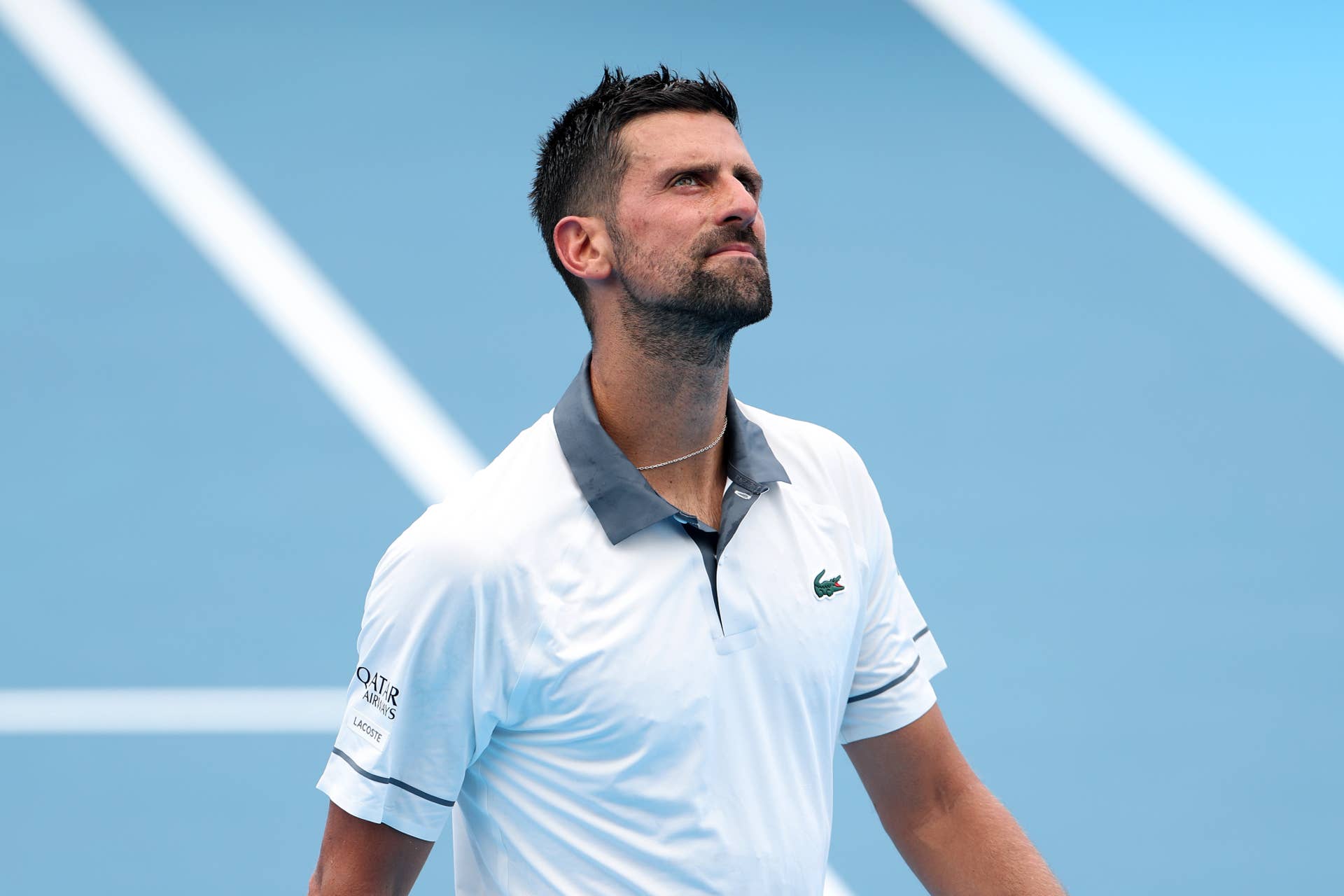
- Apparel: Djokovic’s most visible apparel partnership is with Lacoste, a French luxury sportswear brand. Signed in 2017 after a long-standing relationship with Uniqlo, the agreement with Lacoste positions Djokovic as the global ambassador for the brand, featuring custom-designed on-court kits for every major tournament. The partnership blends high-fashion aesthetics with technical performance sportswear, capitalizing on Lacoste's deep tennis heritage.
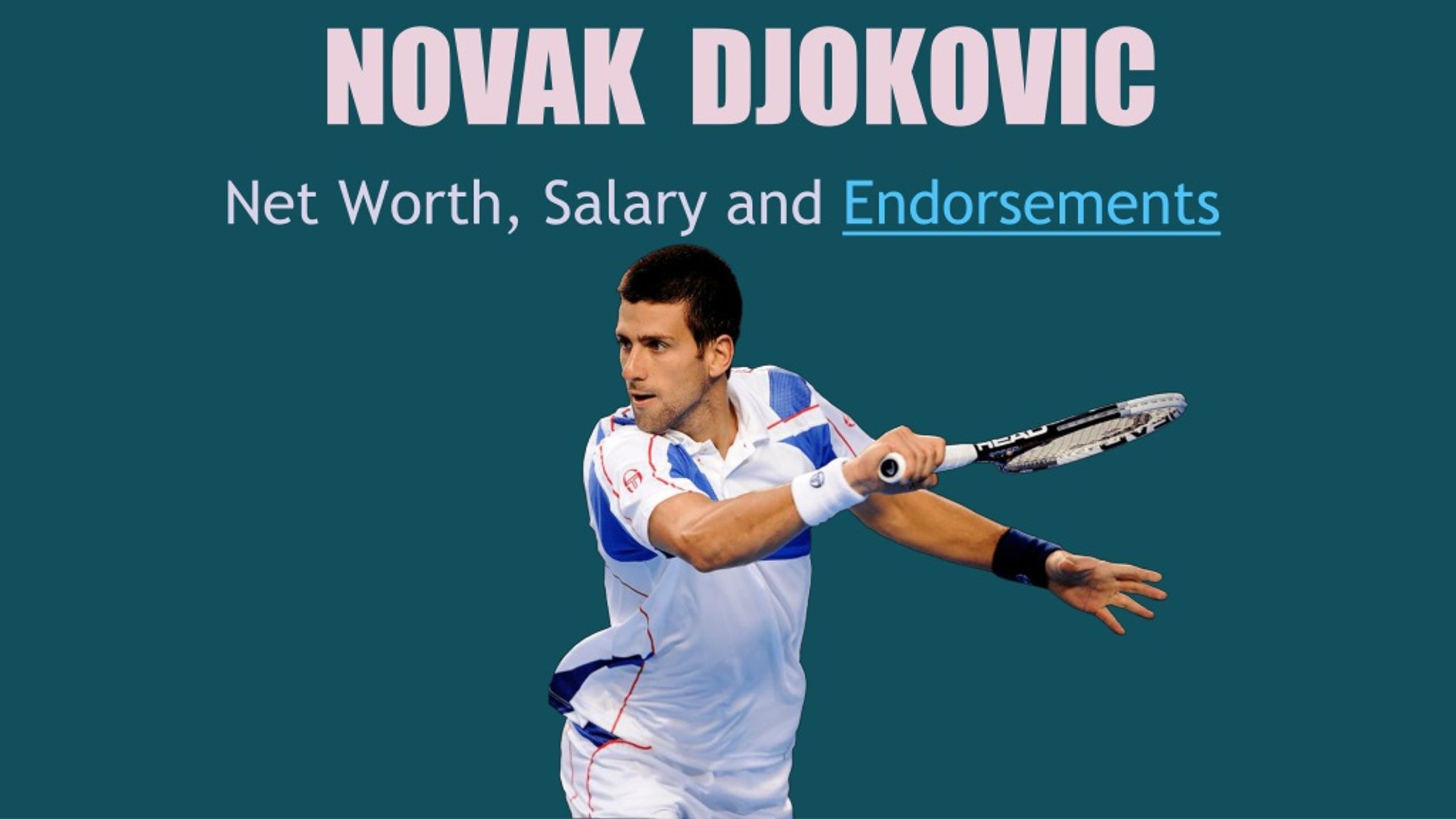
- Rackets: Djokovic has maintained a long-standing relationship with Head, utilizing the Head Speed series of tennis rackets. This equipment partnership has endured through multiple generations of racket technology, with Head frequently releasing consumer versions of Djokovic's specific specification, complete with his signature aesthetic touches.
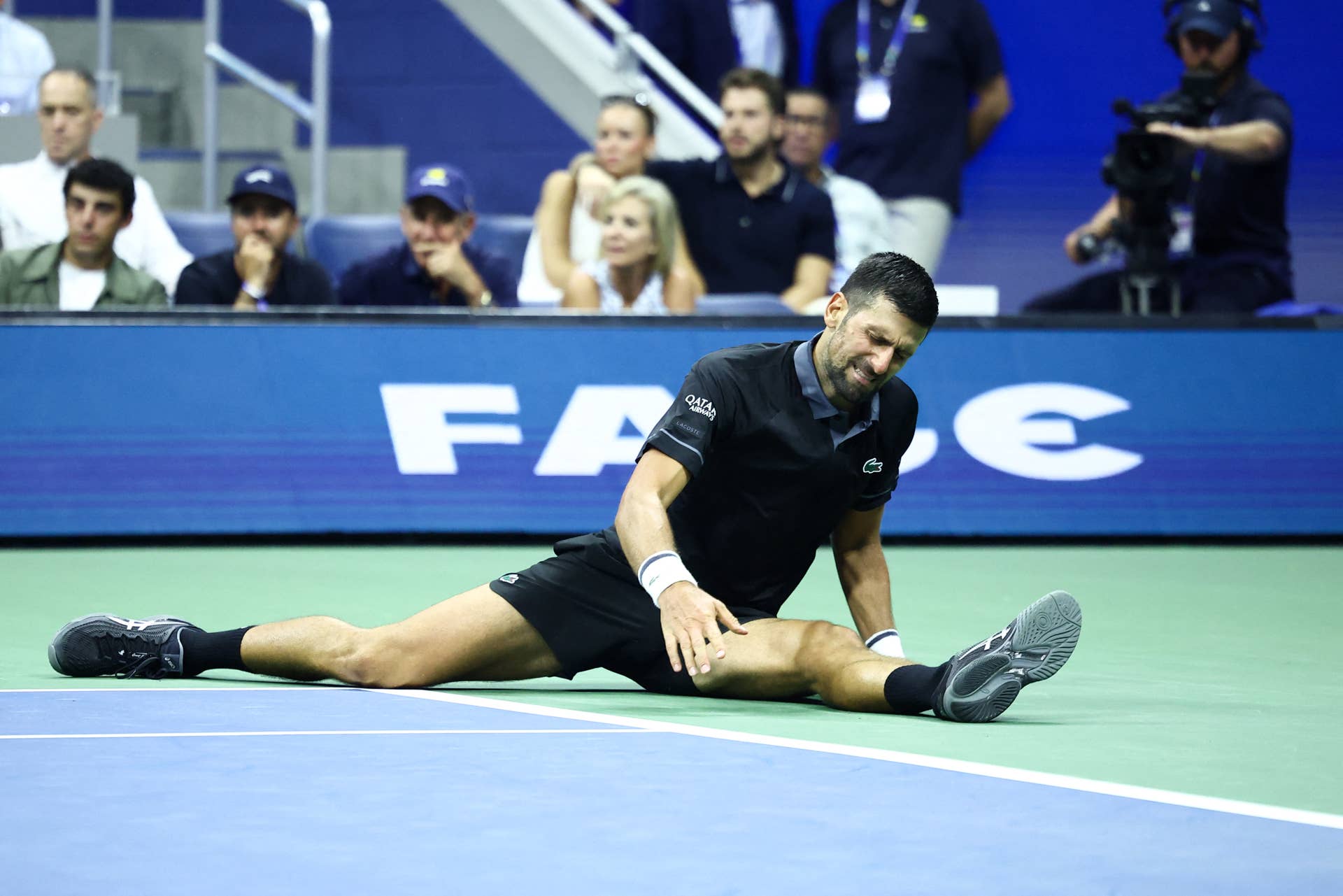
- Footwear: Footwear presents a unique technical challenge for elite tennis players due to the extreme lateral forces exerted during sliding on hard and clay courts. Djokovic partnered with Asics to develop specialized tennis footwear designed to support his hyper-flexible movement style, leading to the creation of signature models tailored to his precise biomechanical requirements.
Luxury Goods, Watchmaking, and Automotive
Beyond the court, Djokovic’s luxury and lifestyle partnerships target high-net-worth demographics and global consumer markets.
- Horology: Swiss luxury watchmaker Hublot represents one of Djokovic’s premier partnerships. As a brand ambassador, Djokovic wears Hublot timepieces during trophy presentations and promotional campaigns, aligning his personal brand with precision engineering and high-end luxury craftsmanship.
- Automotive: Historically, Djokovic has maintained strategic relationships with automotive giants, most notably Peugeot, which served as his global car partner for several years before concluding their primary agreement, allowing him to explore flexible mobility and electric vehicle partnerships.
- Financial and Corporate Services: To project stability and global prestige, Djokovic has collaborated with financial institutions and multinational corporations, including Ultimate Software and various regional banking entities that leverage his image for corporate hospitality and client engagement.
Major Brand Partnerships Overview
| Brand Partner | Industry Sector | Partnership Nature | Key Focus / Deliverables |
|---|---|---|---|
| Lacoste | Apparel & Sportswear | Global Ambassadorship | On-court match kits, lifestyle collections, global marketing campaigns. |
| Head | Tennis Equipment | Technical Retainer | Racket development, Pro-staff validation, retail signature models. |
| Asics | Athletic Footwear | Performance Partnership | Specialized court footwear, biomechanical testing, signature shoe lines. |
| Hublot | Luxury Watches | Brand Ambassadorship | Red-carpet and trophy-ceremony watch integration, limited editions. |
| NetJets | Private Aviation | Corporate Partnership | Travel support, luxury service integration, experiential marketing. |
Financial Impact and Market Valuation
Estimating the exact financial value of athletic endorsements requires analyzing sports business reporting, corporate disclosures, and industry benchmarks. Publications such as Forbes consistently rank Djokovic among the highest-paid athletes globally, with annual earnings heavily supplemented by his commercial portfolio.
While prize money fluctuates based on tournament performance—ranging from early-round exits to multi-million-dollar Grand Slam champion purses—endorsements provide a stable financial baseline. At various points in his career, Djokovic’s annual off-court earnings have exceeded tens of millions of dollars, placing him in the elite tier of global sports earners alongside soccer stars, basketball players, and fellow tennis greats.
Crucially, the financial structure of these contracts often includes clauses tied to historical milestones, such as breaking the all-time men's Grand Slam singles record or finishing the year as the ATP year-end number one. These performance escalators mean that his historical achievements directly enhance the monetary yields of his commercial contracts.
Regional Reach and Cultural Influence
Djokovic’s appeal to international brands stems from his unique geopolitical and cultural footprint. Unlike players from traditional Western tennis markets like the United States or the United Kingdom, Djokovic commands immense popularity across Eastern Europe, the Middle East, Asia, and Latin America.
- European and Balkan Markets: In Serbia and the broader Balkan region, Djokovic is a transformative national figure. Brands entering these emerging Eastern European economies leverage his status for unmatched regional market penetration.
- Asian Markets: Given his success at the Australian Open—where he holds the record for the most men's singles titles—Djokovic maintains a powerful commercial presence across the Asia-Pacific region.
- Western Markets: Despite occasional polarizing media narratives, his sustained excellence, multilingual capabilities, and philanthropic efforts through the Novak Djokovic Foundation have cemented his viability for Western luxury and lifestyle brands.
Common Misconceptions Regarding Tennis Endorsements
When analyzing athlete sponsorships, observers often misunderstand the operational realities of professional sports contracts.
- Fixed Salaries vs. Variable Performance: Many assume endorsement deals are flat-rate retainers. In reality, modern contracts incorporate rigorous performance metrics, mandatory appearance schedules, and social media posting requirements. Failure to meet tournament participation quotas or ranking thresholds can trigger financial deductions.
- Equipment Customization: Fans frequently believe that professional players use standard retail equipment off the shelf. In Djokovic’s case, while his Head rackets bear the cosmetic branding of commercial models, the internal weighting, balance, and handle dimensions are meticulously customized to his exact physical specifications.
- Exclusivity Boundaries: Top-tier athletes operate under strict category exclusivity rules. A brand partner in the watch category ensures that no competing horological brand can associate with the player, protecting the investing company's marketing investment.
Frequently Asked Questions
What is Novak Djokovic’s primary apparel sponsor?
Novak Djokovic’s primary apparel partner is the French luxury sportswear brand Lacoste. He signed a multi-year agreement with the brand in 2017, replacing his previous apparel supplier, Uniqlo. Lacoste designs custom-tailored on-court clothing lines for him for every major tournament.
Which racket does Novak Djokovic use in professional competition?
Djokovic uses tennis rackets manufactured by Head, specifically playing with models from the Head Speed series. While the racket features cosmetic styling available to retail consumers, the structural specifications are customized to his precise weight and balance preferences.
How do Novak Djokovic’s endorsement earnings compare to other tennis players?
Djokovic consistently ranks near the top of tennis earners regarding combined prize money and commercial endorsements. While historical rivals like Roger Federer commanded massive off-court portfolios, Djokovic’s historic accomplishments on the court have driven significant growth in his high-end brand partnerships and global market valuation.
What role do equity and investments play in his portfolio?
Beyond traditional cash-endorsement contracts, Djokovic and his business ventures have increasingly focused on strategic equity stakes, health and wellness tech startups, and entrepreneurial investments. This allows him to build long-term enterprise value rather than relying solely on short-term promotional retainers.
How do tournament victories affect his endorsement contracts?
Most of Djokovic’s major endorsement agreements include performance bonuses and milestone incentives. Winning Grand Slam titles, achieving historic ranking milestones, or finishing the season as the ATP year-end number one often triggers financial bonuses and strengthens his leverage during contract renegotiations.
Practical Next Steps and Recommendations
For sports management professionals, marketing analysts, and fans tracking the business of tennis, observing the trajectory of elite player portfolios provides clear insight into modern sports economics. To explore further:
- Review official ATP financial reports and annual athlete earnings analyses published by verified business media outlets such as Forbes or Sportico.
- Examine corporate press releases directly from primary brand partners like Lacoste and Head to verify active product lines and marketing campaigns.
- Track how emerging technologies and wellness sectors influence the next generation of athlete-brand partnerships.
Image Gallery