What Happens to Your Shares If a Life Insurance Policy Lapses?
When a life insurance policy lapses, the policyowner does not receive shares of stock automatically unless the policy was specifically tied to a proprietary mutual insurance company structure that allocated equity-like membership inter...
When a life insurance policy lapses, the policyowner does not receive shares of stock automatically unless the policy was specifically tied to a proprietary mutual insurance company structure that allocated equity-like membership interests, or the policy itself was a variable product holding equity subaccounts that were subsequently liquidated. For the vast majority of standard term and whole life insurance policies, a lapse results in the forfeiture of coverage, the cancellation of accumulated cash values, and zero issuance of corporate shares. Understanding this mechanic requires a close look at how insurance products are structured, the difference between stock and mutual insurance companies, and the exact financial mechanisms that trigger a policy lapse.
Contents
Understanding Life Insurance Lapses and Policy Mechanics
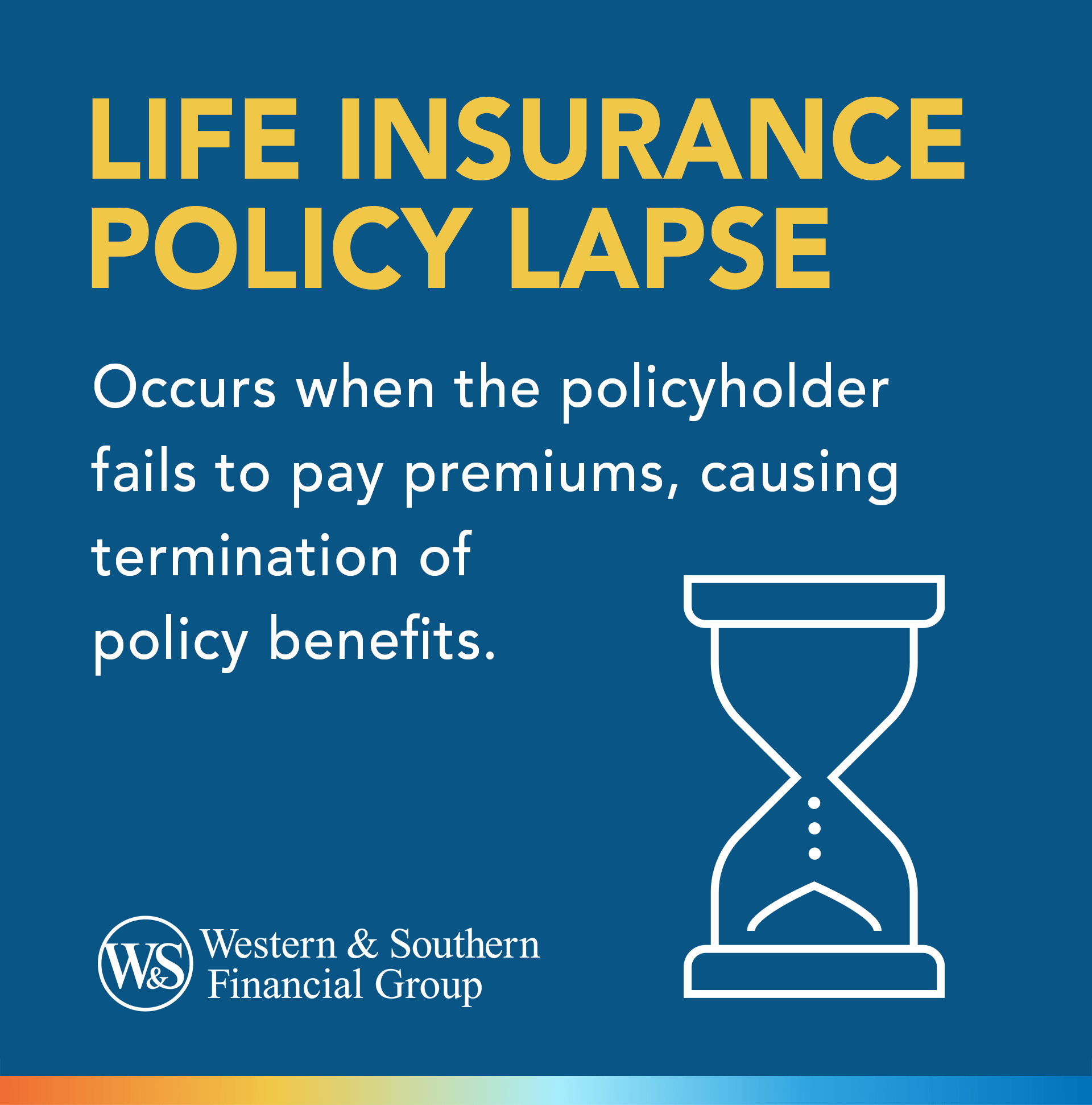
A life insurance policy lapses when the policyowner fails to pay the required premium within the designated grace period, and the policy's accumulated cash value is insufficient to cover the outstanding cost of insurance. When this happens, the contract terminates, and the insurer is released from its obligation to pay a death benefit.
To understand why a lapse does not trigger an issuance of shares, it is essential to look at the legal ownership structure of insurance products. When you purchase a standard life insurance policy from a stock-held insurance company, you are entering into a bilateral financial contract—you pay premiums in exchange for a guaranteed death benefit and, in some cases, a cash value accumulation vehicle. You do not purchase equity in the underlying corporation.
Even in the case of mutual insurance companies, where policyholders technically hold a form of membership interest akin to an equity stake, lapsing the policy severs that relationship entirely. You cannot retain membership rights or receive equity distributions once the underlying contract is terminated. The following sections explore how different corporate structures handle policy termination, the role of cash value, and the true legal nature of policyholder rights.
Stock Companies Versus Mutual Companies: Equity and Membership
The misconception that a lapsed policy might yield shares often stems from confusion between stock insurance companies and mutual insurance companies. The corporate structure of the issuing company dictates whether shares exist at all and who holds claims to them.
Stock Insurance Companies
Stock companies are publicly traded or privately held corporations owned by shareholders who invest capital to generate a profit.
- When you buy a policy from a stock company, you are a customer, not a shareholder.
- Premium payments are revenue for the firm, not equity investments in company stock.
- If a policy lapses, the contract simply terminates. You have no claim to corporate shares, dividends, or retained earnings because you never owned a fractional interest in the corporate entity itself.
Mutual Insurance Companies
Mutual companies are owned by their policyholders rather than outside stockholders.
- Policyholders of a mutual company hold a form of collective membership interest.
- When a mutual company performs well, it may distribute a portion of its surplus earnings to eligible policyholders through policy dividends or, in rare historical instances, via demutualization processes where the mutual company converts into a stock-held corporation.
- However, these membership rights are strictly conditional upon maintaining an active, in-force policy.
If a mutual policy lapses, the individual immediately relinquishes their membership status. Consequently, they forfeit any future policy dividends and lose eligibility for any prospective share allocations if the company were to undergo a corporate restructuring or demutualization event after the lapse date.
What Actually Happens to Remaining Value During a Lapse?
When a permanent life insurance policy—such as whole life, universal life, or variable life—accumulates cash value and subsequently lapses, the financial disposition of that money depends on the non-forfeiture options selected within the contract. Insurance regulations require carriers to provide options for accumulated cash value so that policyowners do not lose every dollar if they stop paying premiums.
| Non-Forfeiture Option | Description | Result of Selection |
|---|---|---|
| Cash Surrender Value | The insurer liquidates the policy's net cash value and pays the remaining balance directly to the policyowner after deducting surrender charges and outstanding loans. | Cash is distributed to the owner; all coverage and membership rights terminate permanently. |
| Reduced Paid-Up Insurance | The cash value is used as a single net premium to purchase a smaller, paid-up permanent policy with no further premium requirements. | A smaller death benefit remains active; no shares are issued, but coverage continues without ongoing payments. |
| Extended Term Insurance | The cash value is used to purchase term insurance matching the original face amount for as long as the cash value can sustain it. | The full death benefit remains active temporarily; once the cash value is exhausted, the policy lapses permanently. |
If the policyowner fails to select a non-forfeiture option upon default, most policies feature an automatic provision—frequently extended term insurance or automatic premium loan—dictated by state insurance laws and the specific contract terms. Under no circumstances do these administrative settlements involve issuing corporate equity shares to the policyowner.
Variable Life Insurance and Subaccount Liquidation
A secondary source of confusion regarding "shares" involves variable life insurance (VLI) policies. VLI policies allow policyowners to allocate a portion of their cash value into subaccounts that invest in equities, bonds, and mutual funds, which are measured in shares or units.
When a variable life policy lapses due to insufficient cash value or unpaid premiums:
- Liquidation: The insurance carrier liquidates the remaining shares or units held within the investment subaccounts.
- Debt Settlement: The proceeds from this liquidation are applied first to cover any outstanding policy loans, accrued interest, and unpaid administrative fees.
- Surplus Distribution: If any cash surrender value remains after all debts and fees are settled, the net balance is paid out to the policyowner in fiat currency, not transferred as stock certificates or brokerage shares.
The "shares" inside a variable life policy represent underlying investment fund units managed by third-party asset managers, not shares of the insurance corporation itself. Once the policy lapses, those investment units are sold, and the contractual link is severed.
Recovering a Lapsed Policy: Reinstatement Rights
If your life insurance policy has recently lapsed and you are concerned about losing financial value, you may have the legal right to reinstate the policy rather than seeking non-existent corporate shares. Most states mandate a reinstatement window, which typically spans three to five years from the date of the lapse, though the exact timeframe varies by jurisdiction and contract terms.
To successfully reinstate a lapsed policy, the policyowner must generally satisfy several strict underwriting and financial requirements:
- Proof of Insurability: The insured individual must submit to new medical underwriting, which may include answering health questionnaires, undergoing paramedical exams, or providing recent lab work to prove they still meet the insurer's health standards.
- Payment of Overdue Premiums: The owner must pay all past-due premiums spanning from the date of the original lapse to the present, typically with compound interest calculated at a rate specified in the contract (often between 5% and 8% annually).
- Repayment or Reinstatement of Loans: If there was an outstanding policy loan at the time of the lapse that contributed to the default, that loan must be repaid or formally reinstated along with accrued interest.
Attempting reinstatement is the primary recourse for recovering the exact terms, cash value growth rates, and structural benefits of the original contract. It restores the policyholder to their exact pre-lapse position without converting the policy into an equity security.
Common Misconceptions Regarding Insurance Ownership
Misunderstandings about life insurance and corporate equity often stem from informal terminology or historical misunderstandings of financial markets. Clarifying these myths helps policyowners make informed decisions regarding their coverage.
- Myth: "Owning a policy makes me a part-owner of the insurance company, so I own a piece of their stock portfolio."
- Fact: Even in mutual companies, your membership is an intangible right to vote for board members and potentially receive dividends; it is entirely separate from public stock ownership and cannot be sold on an open exchange.
- Myth: "If I let my policy lapse, the insurance company keeps my shares."
- Fact: You never owned shares to begin with. The company retains only the unearned premium reserves and contractual cash values dictated by state non-forfeiture laws and policy agreements.
- Myth: "Demutualization payouts mean I am owed stock even after my policy lapses."
- Fact: Eligibility for demutualization compensation is strictly restricted to individuals who possess an active, in-force policy on the record date established by regulators and the board of directors. A lapsed policy holds no equity claim during restructuring events.
Navigating the financial implications of a lapsed policy requires examining the exact contractual agreements signed at inception and consulting directly with the issuing insurance carrier or a licensed financial professional.
Disclaimer: This article is provided for informational and educational purposes only and does not constitute legal, tax, or financial advice. Life insurance contracts, state regulations, and corporate structures vary significantly. Consult a qualified financial advisor or insurance professional regarding your specific policy.
Image Gallery