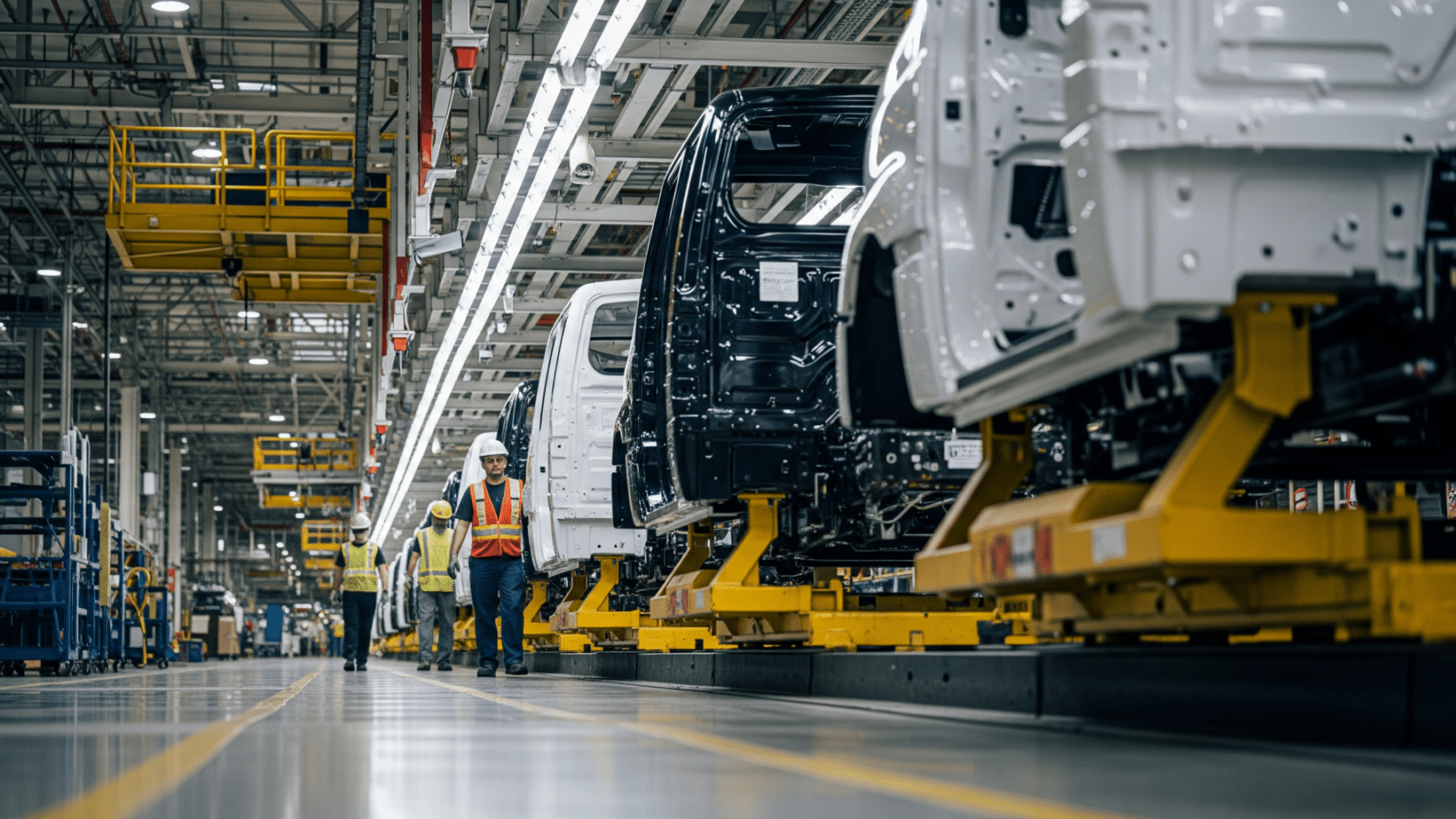
Inside the Toyota Tacoma Manufacturing Plant: Production, Geography, and Operations
The Toyota Tacoma is manufactured at two primary facilities: the Toyota Motor Manufacturing Baja California (TMMBC) plant in Tijuana, Mexico, and the Toyota Motor Manufacturing Texas (TMMTX) plant in San Antonio, Texas. These facilitie...
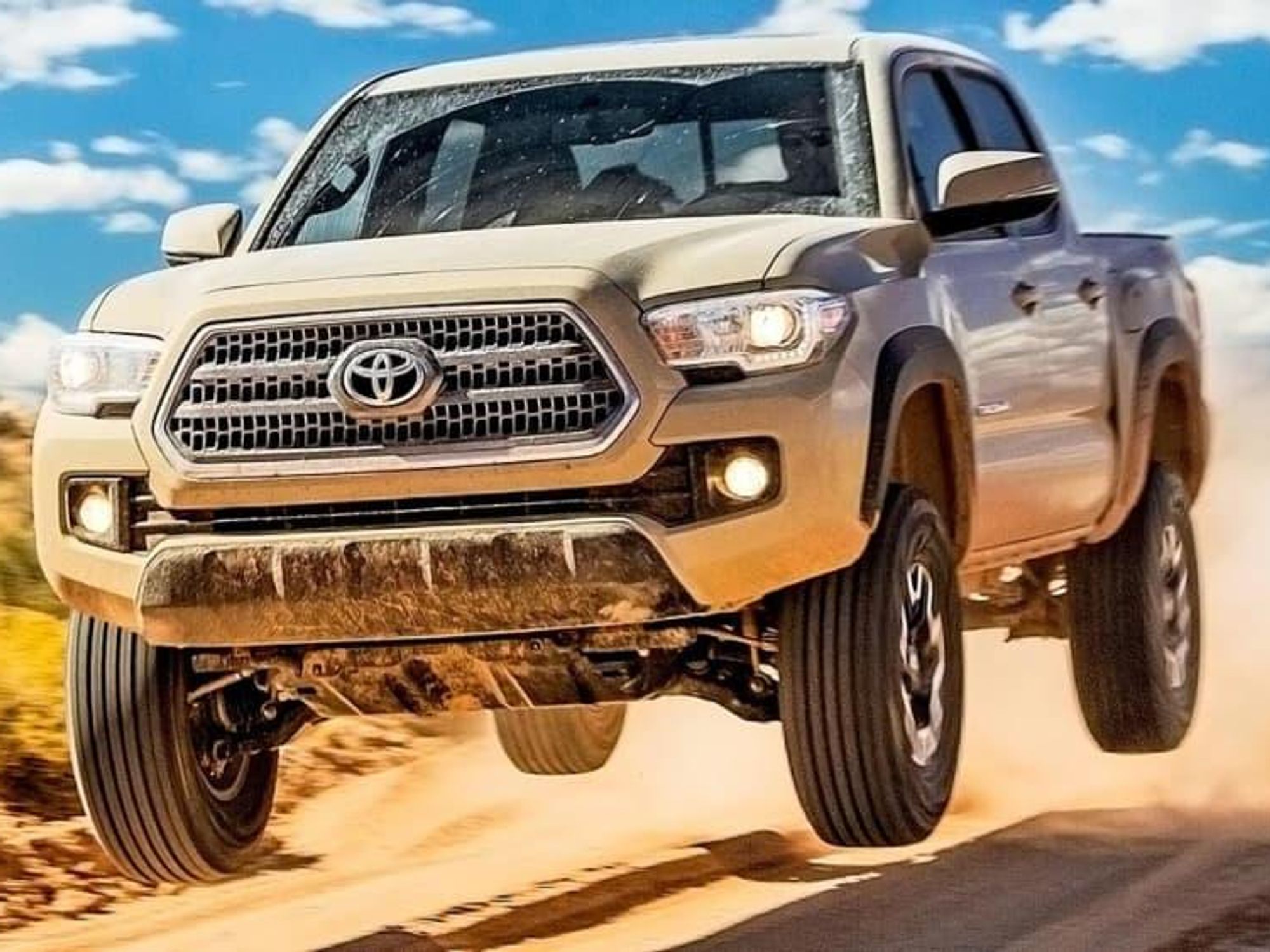
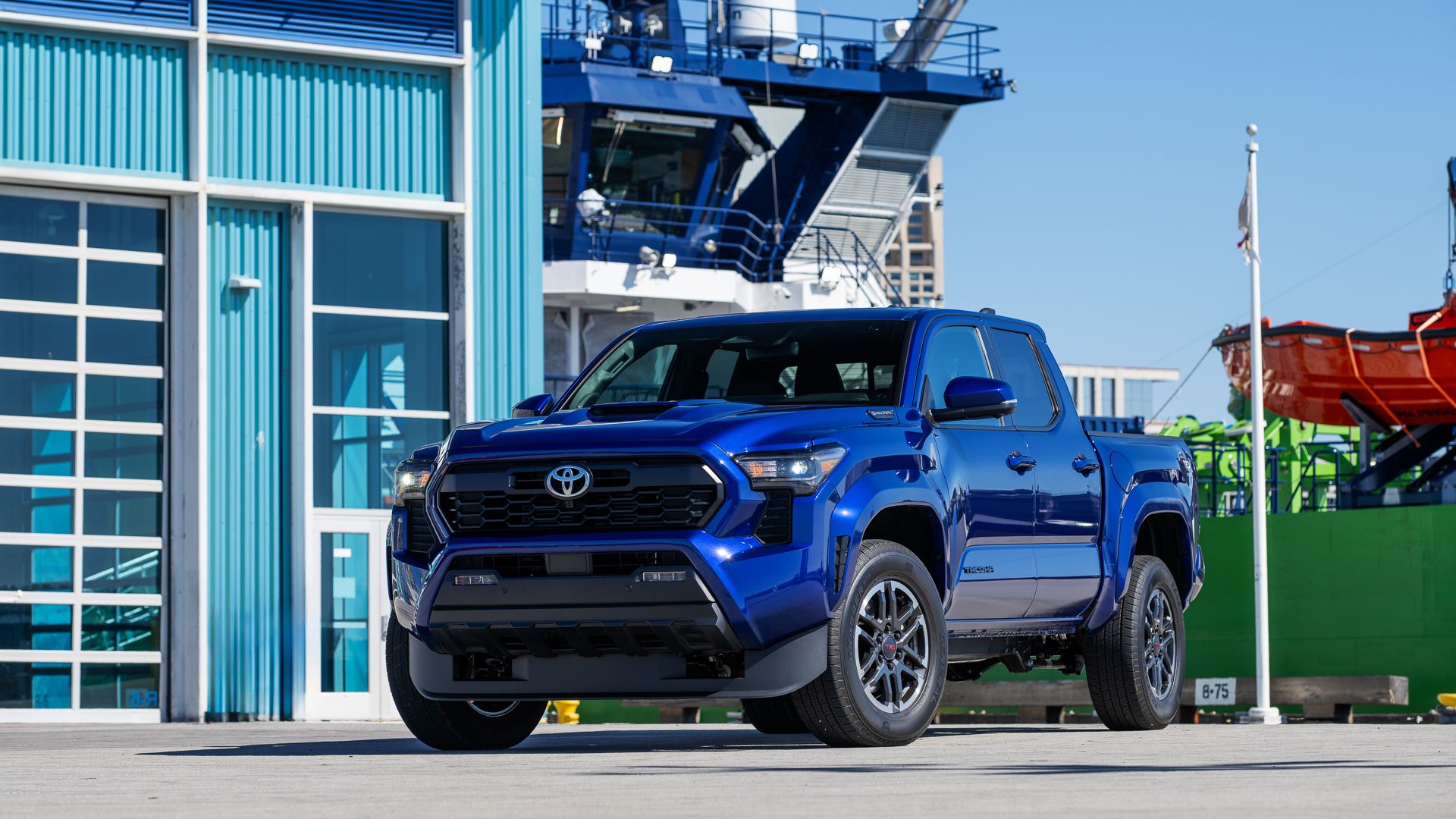
The Toyota Tacoma is manufactured at two primary facilities: the Toyota Motor Manufacturing Baja California (TMMBC) plant in Tijuana, Mexico, and the Toyota Motor Manufacturing Texas (TMMTX) plant in San Antonio, Texas. These facilities utilize advanced automotive assembly processes, including stamping, welding, painting, and final assembly, to supply the North American truck market.
Contents
Overview of the Toyota Tacoma Production Network
The production of North America’s most popular midsize truck requires a highly coordinated, bi-national manufacturing network. For decades, Toyota has engineered its assembly footprint to optimize logistics, component sourcing, and workforce efficiency.
Understanding where and how the Tacoma is built involves looking closely at the specific plants responsible for its creation. Manufacturing operations are split strategically between Mexico and the United States to satisfy high consumer demand while managing regional supply chains effectively.
Primary Manufacturing Facilities
Two main industrial complexes handle the bulk of Tacoma manufacturing. Each facility operates under the Toyota Production System (TPS), a globally recognized manufacturing philosophy centered on quality, elimination of waste, and continuous improvement (kaizen).
- Toyota Motor Manufacturing Baja California (TMMBC): Located in Tijuana, Baja California, Mexico, this plant has a long history of building Tacoma trucks. It began operations in the early 2000s and works closely with local and international suppliers to produce chassis components, truck beds, and complete vehicle assemblies.
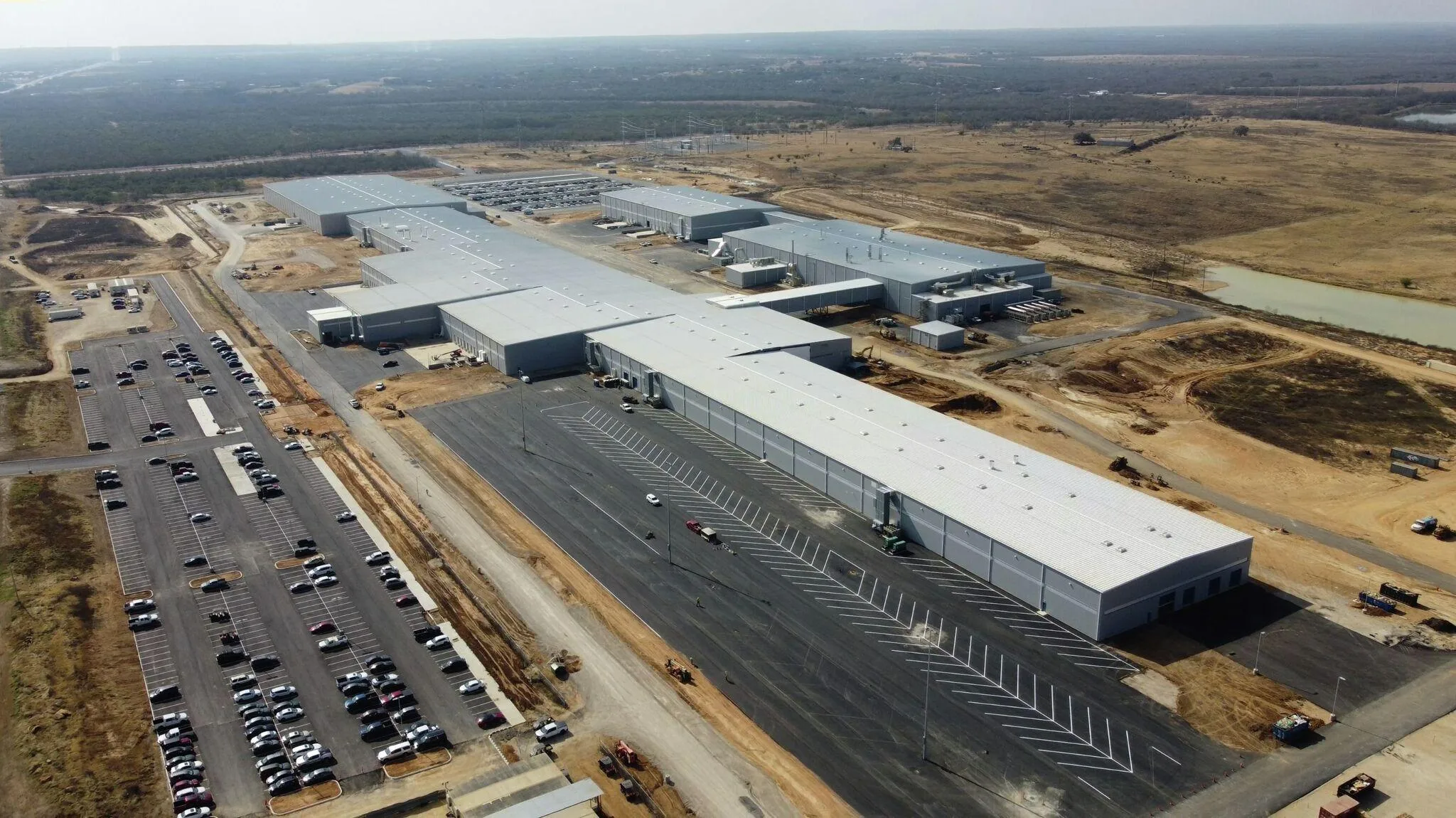
- Toyota Motor Manufacturing Texas (TMMTX): Located in San Antonio, Texas, this massive campus originally focused on the full-size Toyota Tundra. However, to meet staggering demand and optimize North American manufacturing capacity, TMMTX expanded its production lines to build the Toyota Tacoma alongside the Tundra.
Comparative Overview of Tacoma Manufacturing Plants
The following table outlines the key operational details, primary responsibilities, and geographic advantages of the facilities that manufacture the Toyota Tacoma.
| Plant Name | Location | Primary Products | Operational Focus |
|---|---|---|---|
| TMMBC (Baja California) | Tijuana, Mexico | Toyota Tacoma, Truck Beds | High-volume regional assembly, dedicated bed stamping, close proximity to West Coast logistics. |
| TMMTX (Texas) | San Antonio, USA | Toyota Tacoma, Toyota Tundra | Flex-line manufacturing, large-scale stamping, integrated supplier park. |
Detailed Breakdown of the Assembly Process
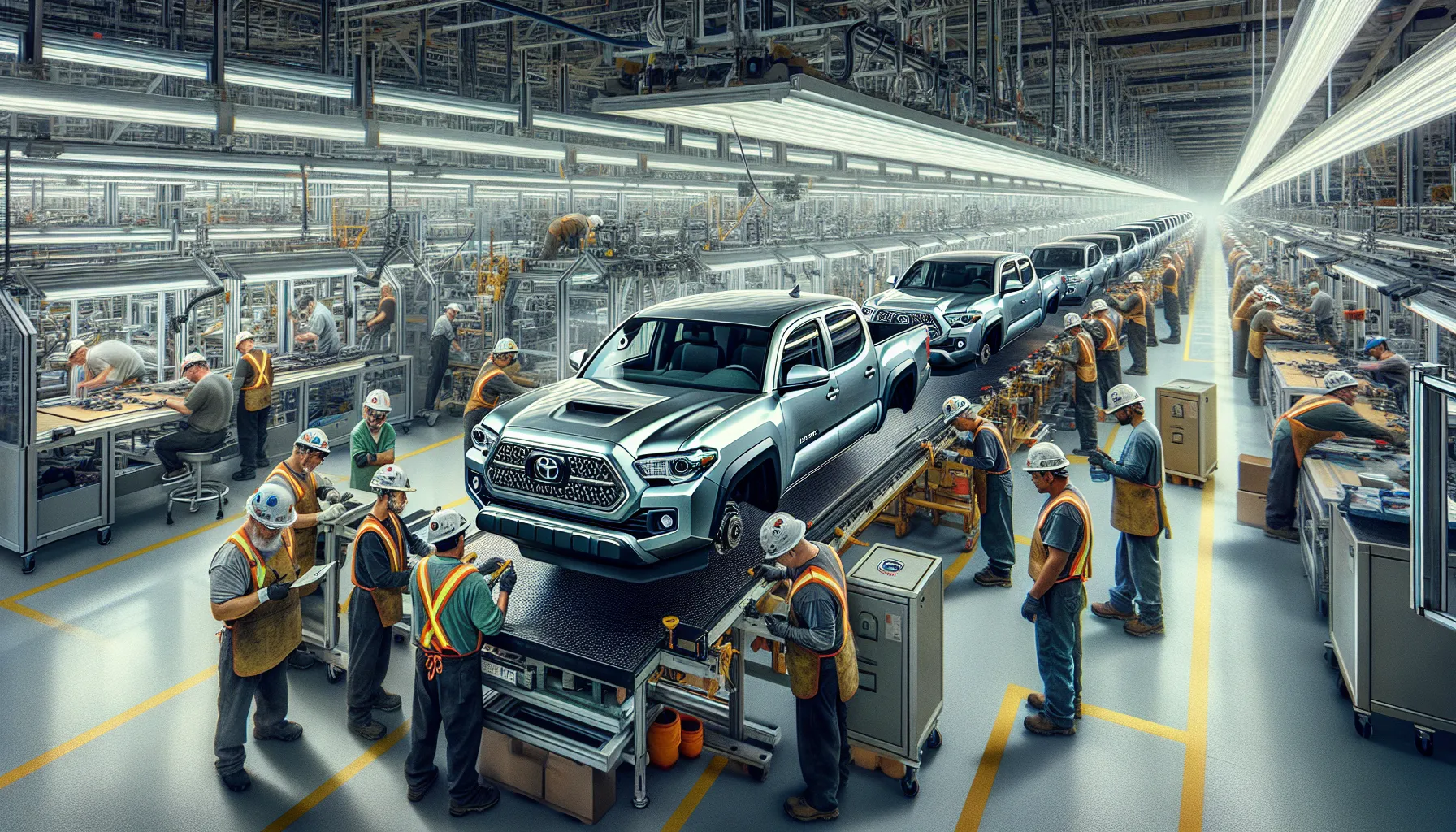
Building a modern body-on-frame midsize truck like the Tacoma requires passing through several distinct production stages. Each stage is tightly controlled using automated machinery alongside rigorous human quality inspections.
1. Stamping and Press Shop
The manufacturing journey begins in the press shop. Large steel coils and aluminum sheets are fed into massive mechanical stamping presses. These presses use custom-engineered dies to shape flat metal into complex structural components, including body panels, doors, hoods, and the structural members of the truck's fully boxed ladder frame.
2. Body-in-White (Welding Shop)
Once the individual stamped parts are formed, they move to the welding shop. Here, advanced robotics and skilled technicians join the pieces together to create the skeletal structure of the vehicle, commonly referred to as the "Body-in-White." High-precision resistance welding and laser brazing ensure that the frame and cab possess the torsional rigidity required for off-road durability and high payload capacities.
3. Paint Shop
After structural assembly, the bare metal body undergoes a rigorous multi-stage cleaning and anti-corrosion treatment, including electro-deposition coating (e-coat). Following this rust-prevention phase, robotic spray applicators apply primer, base coats, and clear coats. Paint quality is meticulously monitored to ensure UV resistance and long-term finish durability, especially given the rugged, outdoor-focused nature of Tacoma buyers.
4. General Assembly and Trim
In the final assembly hall, the painted shell receives its interior components, wiring harnesses, dashboards, seats, glass, and electronic control units. Simultaneously, the chassis line pre-assembles the suspension, axles, braking systems, and powertrain—including available turbocharged inline-four engines and hybrid configurations. The body and chassis are eventually mated together in a critical process known as the "marriage."
Logistics, Supply Chain, and Quality Control
A manufacturing plant is only as strong as its supply chain. Both TMMBC and TMMTX utilize synchronized supplier parks located adjacent to or directly inside the manufacturing complexes. This setup allows Tier-1 suppliers to deliver bulky components—such as seats, exhaust systems, and tires—just-in-time (JIT) directly to the assembly line, minimizing warehousing overhead and reducing transit delays.
Quality control is embedded directly into the workflow via the Andon cord system. If any worker identifies a defect or a potential assembly bottleneck, they can pull the cord to alert supervisors and temporarily halt the line. This immediate intervention prevents defects from compounding downstream and reinforces accountability across the workforce.
Frequently Asked Questions
Where is the Toyota Tacoma currently manufactured?
The Toyota Tacoma is manufactured primarily at two plants: Toyota Motor Manufacturing Baja California in Tijuana, Mexico, and Toyota Motor Manufacturing Texas in San Antonio, Texas. Both facilities supply vehicles to markets across the United States, Canada, and Mexico.
Does the San Antonio plant only build the Tacoma?
No. Toyota Motor Manufacturing Texas (TMMTX) is a multi-vehicle facility. It produces both the full-size Toyota Tundra and the midsize Toyota Tacoma on flexible manufacturing lines designed to adapt to shifting market demands.
What quality control systems are used in Tacoma plants?
Tacoma plants utilize the Toyota Production System (TPS). This system incorporates Just-in-Time (JIT) manufacturing, automated error-proofing (poka-yoke), and the Andon system, which empowers any assembly line worker to stop production if a quality issue arises.
How do the plants minimize environmental impact?
Toyota’s manufacturing facilities incorporate extensive sustainability measures, including renewable energy adoption (such as large-scale on-site solar arrays in Texas), water conservation and recycling systems, and strict zero-landfill waste diversion protocols.
Are Tacoma engines built at the same plants?
Engine manufacturing is distributed across specialized powertrain facilities. While final vehicle assembly happens in Texas and Baja California, the engines themselves are typically sourced from dedicated engine plants, such as Toyota Motor Manufacturing Alabama (TMMAL), before being shipped to the assembly lines.
Conclusion and Next Actions
The production of the Toyota Tacoma relies on a highly sophisticated, bi-national manufacturing network anchored by state-of-the-art facilities in Mexico and Texas. By leveraging advanced robotics, rigorous quality protocols like the Toyota Production System, and localized supplier parks, these plants maintain the durability and reliability that truck owners expect. For buyers researching vehicle origins or industry professionals studying automotive logistics, reviewing official Toyota corporate disclosures and regional manufacturing updates provides the most accurate, up-to-date insight into plant capacity and supply chain evolution.
Image Gallery