What Uva Ursi Is Good For: Benefits, Uses, and Safety Guidelines
Uva ursi is primarily used as a natural antiseptic for the lower urinary tract, making it highly effective for treating acute, uncomplicated urinary tract infections (UTIs) such as cystitis. Its active compound, arbutin, converts into...
Uva ursi is primarily used as a natural antiseptic for the lower urinary tract, making it highly effective for treating acute, uncomplicated urinary tract infections (UTIs) such as cystitis. Its active compound, arbutin, converts into hydroquinone in the bladder, which kills bacteria when the urine is sufficiently alkaline.
Contents
Understanding Uva Ursi: Nature’s Urinary Antiseptic
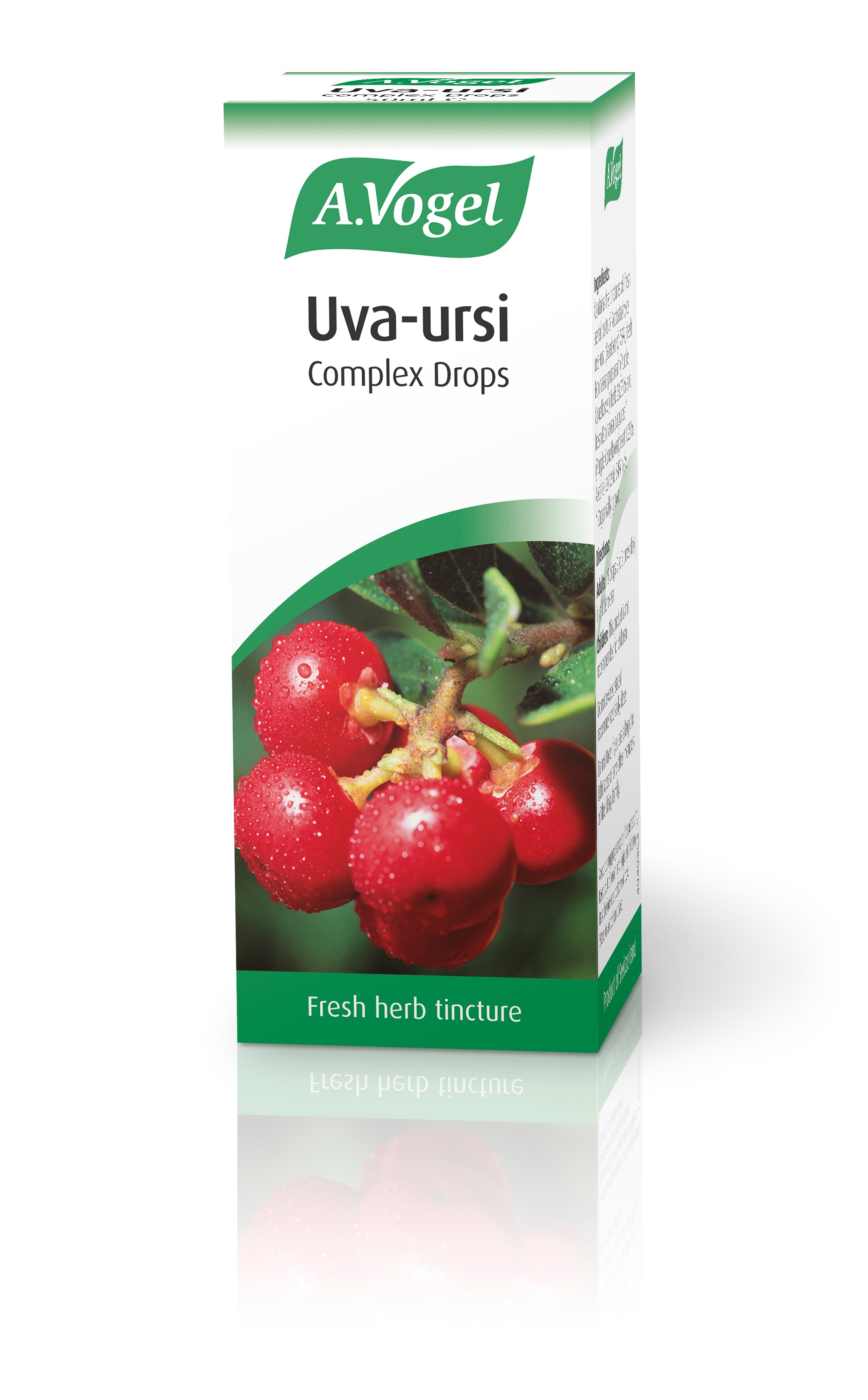
Uva ursi, scientifically known as Arctostaphylos uva-ursi, is a hardy evergreen shrub found in the northern latitudes of North America, Europe, and Asia. Often referred to by its common name, bearberry, it has been a staple of indigenous and traditional European medicine for centuries. The plant produces small red berries that are a favorite of bears, but the therapeutic value lies exclusively in its leathery, spade-shaped leaves.
In the year 2026, uva ursi remains a prominent botanical intervention in functional medicine, particularly as an alternative to or supportive measure alongside conventional antibiotics for minor infections. The primary reason uva ursi is sought after is its concentrated levels of arbutin, a glycoside that undergoes a specific chemical transformation within the human body to perform its medicinal function. Unlike many herbal remedies that offer vague "supportive" benefits, uva ursi has a well-defined biochemical mechanism that targets specific pathogens in the urinary system.
Beyond its urinary applications, the plant contains high concentrations of tannins, which provide astringent properties, and flavonoids, which offer antioxidant protection. These secondary compounds contribute to the plant's ability to reduce inflammation and tone the mucous membranes of the bladder and urethra.
The Primary Benefit: Managing Urinary Tract Infections (UTIs)
The most established and evidence-based use for uva ursi is the treatment of acute, uncomplicated urinary tract infections. It is specifically "good for" addressing the burning sensation, frequency, and urgency associated with cystitis.
The Arbutin-Hydroquinone Pathway
When you consume uva ursi—whether as a tea, tincture, or encapsulated extract—the active compound arbutin is absorbed in the gastrointestinal tract and then transported to the kidneys. As the kidneys filter the blood, arbutin is excreted into the urine. Inside the urinary tract, if the environment is conducive, arbutin is hydrolyzed (broken down) by bacteria or the body’s enzymes into hydroquinone.
Hydroquinone is a potent antimicrobial agent. It works by disrupting the cell walls of bacteria, most notably Escherichia coli (E. coli), which is responsible for approximately 80-90% of all UTIs. Because this transformation happens directly in the bladder, uva ursi provides localized treatment exactly where the infection is located, minimizing systemic exposure compared to broad-spectrum oral antibiotics.
The Importance of Urinary pH
A critical technical detail often overlooked is that uva ursi's efficacy is entirely dependent on the pH of the urine. The conversion of arbutin to hydroquinone occurs optimally in an alkaline environment (a pH of 7.0 or higher). If the urine is too acidic, the antimicrobial activity of the herb is significantly neutralized.
This creates a paradox for many users. It is a common practice to drink cranberry juice or take Vitamin C when a UTI occurs; however, both of these substances acidify the urine. If you are taking uva ursi, you must avoid acidic foods and supplements. Many practitioners in 2026 recommend taking a small amount of sodium bicarbonate (baking soda) or focusing on an alkaline-ash diet (heavy in vegetables) during the treatment period to ensure the herb can function effectively.
Secondary Health Benefits and Traditional Uses
While urinary health is the "hero" application for uva ursi, its chemical profile lends itself to several secondary uses.
Astringent and Anti-inflammatory Properties
Because uva ursi leaves contain up to 20% tannins, the herb acts as a powerful astringent. In a biological context, an astringent causes the contraction of body tissues. For someone suffering from an inflamed bladder or urethra, this can help reduce the swelling of the mucous membranes and limit the secretion of excess mucus or discharge. This "toning" effect can provide symptomatic relief even before the antimicrobial action has fully cleared the infection.
Skin Health and Hyperpigmentation
In the dermatological field, the active component of uva ursi, arbutin, is widely utilized for its ability to brighten the skin. While this is typically achieved through topical application rather than oral consumption, the "goodness" of uva ursi extends to the treatment of:
- Melasma: Dark patches often caused by hormonal shifts.
- Age Spots: Hyperpigmentation resulting from UV exposure.
- Post-Inflammatory Hyperpigmentation: Dark marks left behind after acne.
Arbutin works by inhibiting tyrosinase, the enzyme responsible for producing melanin. By slowing down melanin production, uva ursi extracts help even out skin tone without the harsh side effects associated with synthetic hydroquinone creams.
Comparison of Urinary Health Interventions
To understand where uva ursi fits into a health regimen, it is helpful to compare it with other popular natural remedies.
| Remedy | Primary Mechanism | Best Used For | Key Limitation |
|---|---|---|---|
| Uva Ursi | Antibacterial (Kills bacteria) | Active acute infections (Short-term) | Requires alkaline urine; toxic if used long-term. |
| D-Mannose | Anti-adhesion (Flushes bacteria) | Prevention and acute E. coli infections | Only effective against E. coli; does not kill bacteria. |
| Cranberry | Anti-adhesion (Proanthocyanidins) | Long-term prevention | Low efficacy for treating an active, established infection. |
| Goldenseal | Immune support (Berberine) | Broad microbial support | Poorly absorbed in the urinary tract compared to arbutin. |
Potential Risks and Safety Guidelines
Uva ursi is a potent medicinal herb and must be treated with more caution than "gentle" herbs like chamomile or peppermint. It is not intended for long-term "preventative" use.
Duration of Use
The most significant risk associated with uva ursi is hydroquinone toxicity. While hydroquinone is an effective antibacterial in the bladder, it can be toxic to the liver and kidneys if it accumulates in the body. For this reason, the standard medical guideline is that uva ursi should not be taken for more than 5 to 7 days at a time. Furthermore, it should not be used more than five times within a single year.
Identifying Side Effects
Most individuals tolerate uva ursi well for short durations, but some may experience:
- Nausea or Vomiting: High tannin content can irritate the stomach lining.
- Greenish-Brown Urine: This is a harmless side effect caused by the oxidation of hydroquinone in the urine.
- Tinnitus: Ringing in the ears can be a sign of mild toxicity.
Contraindications
Uva ursi should be strictly avoided by the following groups:
- Pregnant or Nursing Women: It can reduce blood flow to the placenta and has potential oxytocic effects.
- Children: Due to the risk of Reye-like symptoms and the high concentration of active compounds.
- People with Kidney Disease: The herb puts additional metabolic stress on the kidneys, which can exacerbate existing renal insufficiency.
Dosage and Proper Administration
For those using uva ursi to address a urinary issue in 2026, standardizing the dose is essential for safety and efficacy.
- Standardization: Look for products standardized to contain 20% arbutin.
- Dosage: A typical adult dose provides between 400mg and 800mg of arbutin daily, usually split into two or three doses.
- Preparation: If using a tea, cold-steeping the leaves for 12–24 hours is often preferred over hot-steeping. Cold steeping extracts the arbutin while leaving behind many of the harsh tannins, making the tea easier on the stomach.
Medical Disclaimer: This information is for educational purposes and does not constitute medical advice. Urinary tract infections can progress to dangerous kidney infections (pyelonephritis) if not treated correctly. Always consult a healthcare professional if you experience high fever, back pain, or blood in the urine.
Frequently Asked Questions
Can I take uva ursi with my antibiotic?
In some cases, uva ursi can be used alongside antibiotics, but it is essential to consult your doctor first. Some antibiotics require an acidic environment to function, while uva ursi requires an alkaline one. Taking them together may decrease the effectiveness of one or both treatments.
How quickly does uva ursi work?
Most users report a reduction in urinary symptoms within 24 to 48 hours. However, it is vital to continue the treatment for the full recommended 5-day course (but no longer than 7 days) to ensure the bacterial load is sufficiently reduced.
Why can't I take uva ursi every day for prevention?
Daily use of uva ursi is dangerous because of the cumulative toxic potential of hydroquinone. For long-term prevention of UTIs, D-mannose or probiotics are safer and more appropriate choices. Uva ursi is strictly an "acute-phase" intervention.
Does uva ursi interact with other medications?
Yes. Uva ursi may interact with nonsteroidal anti-inflammatory drugs (NSAIDs) or corticosteroids, potentially increasing the risk of stomach irritation. It also interacts with medications that acidify the urine, such as ammonium chloride or certain diuretics, which will render the herb ineffective.
Can uva ursi treat a kidney infection?
No. Uva ursi is generally considered effective only for lower urinary tract infections (bladder and urethra). If an infection has reached the kidneys, as evidenced by flank pain, high fever, and chills, immediate medical attention and conventional antibiotics are required to prevent permanent organ damage or sepsis.
Final Recommendation
Uva ursi is an exceptionally effective tool for the short-term management of UTIs, provided it is used correctly. To get the most "good" out of this herb, ensure you are taking a standardized extract, maintaining an alkaline urinary pH by avoiding acidic foods, and strictly limiting your use to seven days or less. If symptoms do not improve within 48 hours, seek professional medical advice to prevent the infection from ascending to the kidneys.
Image Gallery