What Sweetener is Toxic to Dogs? Understanding the Dangers of Xylitol
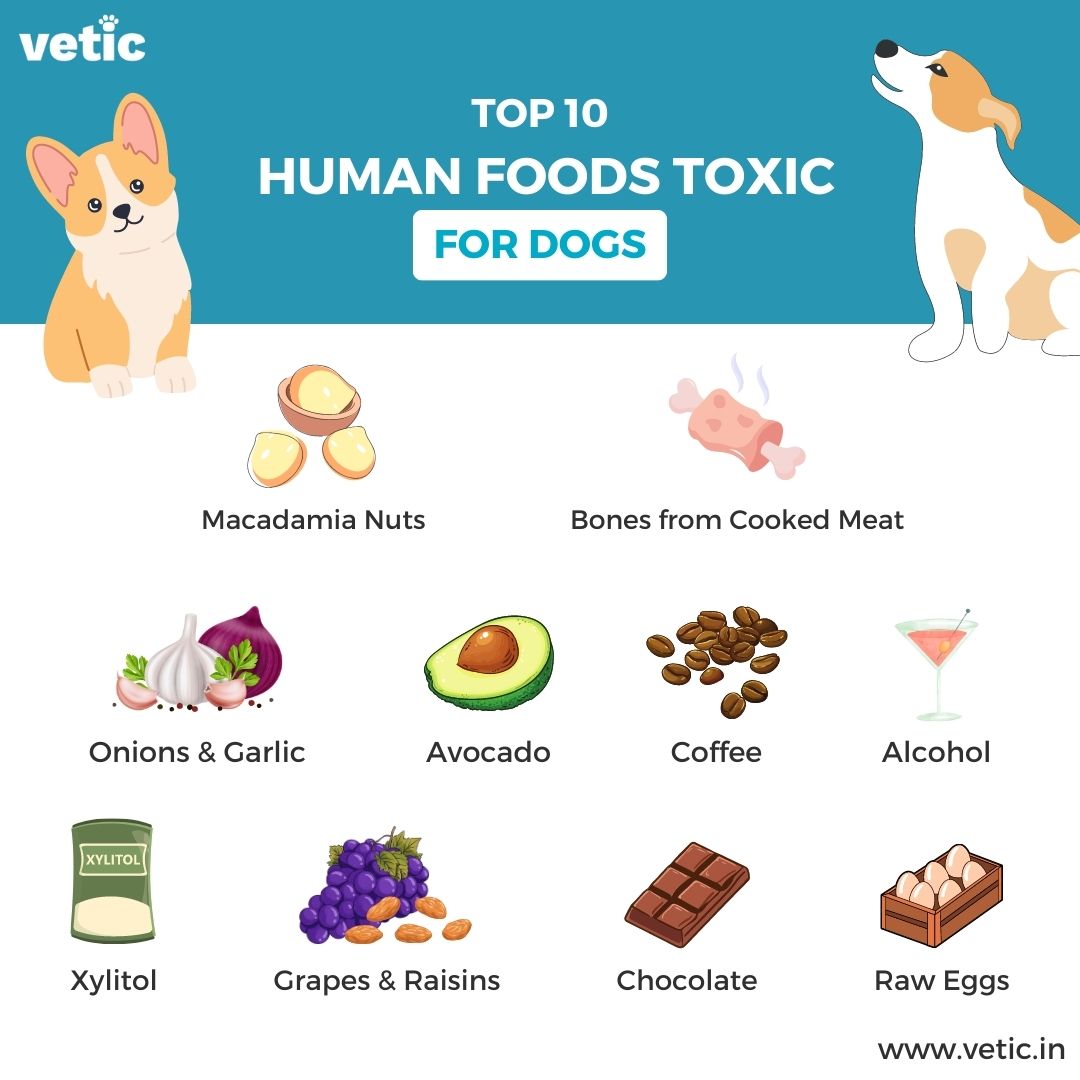
The primary sweetener toxic to dogs is xylitol, a sugar alcohol frequently found in sugar-free gum, candy, and certain peanut butters. In dogs, xylitol triggers a rapid, massive insulin release, leading to life-threatening hypoglycemia...
The primary sweetener toxic to dogs is xylitol, a sugar alcohol frequently found in sugar-free gum, candy, and certain peanut butters. In dogs, xylitol triggers a rapid, massive insulin release, leading to life-threatening hypoglycemia (low blood sugar) and potentially fatal liver failure. Immediate veterinary intervention is required if ingestion occurs.
Contents
The Primary Culprit: Why Xylitol is Lethal to Canines
While many substances are unhealthy for pets, xylitol (often labeled as birch sugar or wood sugar) stands alone as a potent toxin. To understand why it is so dangerous, one must look at the physiological differences between humans and dogs. In humans, xylitol is absorbed slowly and has no significant effect on insulin levels. This makes it a popular choice for diabetic-friendly foods and dental products.
In dogs, however, the pancreas confuses xylitol with real glucose. When a dog ingests xylitol, it is absorbed into the bloodstream extremely quickly—often within 30 minutes. The canine pancreas responds by releasing a massive amount of insulin. This surge causes the dog’s blood sugar levels to plummet to dangerously low levels, a condition known as hypoglycemia. Without prompt treatment, this can lead to seizures, coma, and death.
Beyond the immediate threat of low blood sugar, xylitol is also hepatotoxic to dogs. At higher dosages, it causes acute hepatic necrosis, which is the rapid death of liver cells. This liver damage can occur even if the dog’s blood sugar is successfully stabilized, making xylitol poisoning a complex, multi-stage medical emergency. As of 2026, xylitol remains one of the most common causes of accidental poisoning reported to pet poison control centers globally.
Hidden Sources of Xylitol in 2026
As consumer preferences have shifted toward low-carb and keto-friendly diets, the prevalence of xylitol has expanded significantly. It is no longer confined to just sugar-free gum. Pet owners must be vigilant because manufacturers often change ingredients without prominent warnings on the front of the packaging.
Food and Pantry Staples
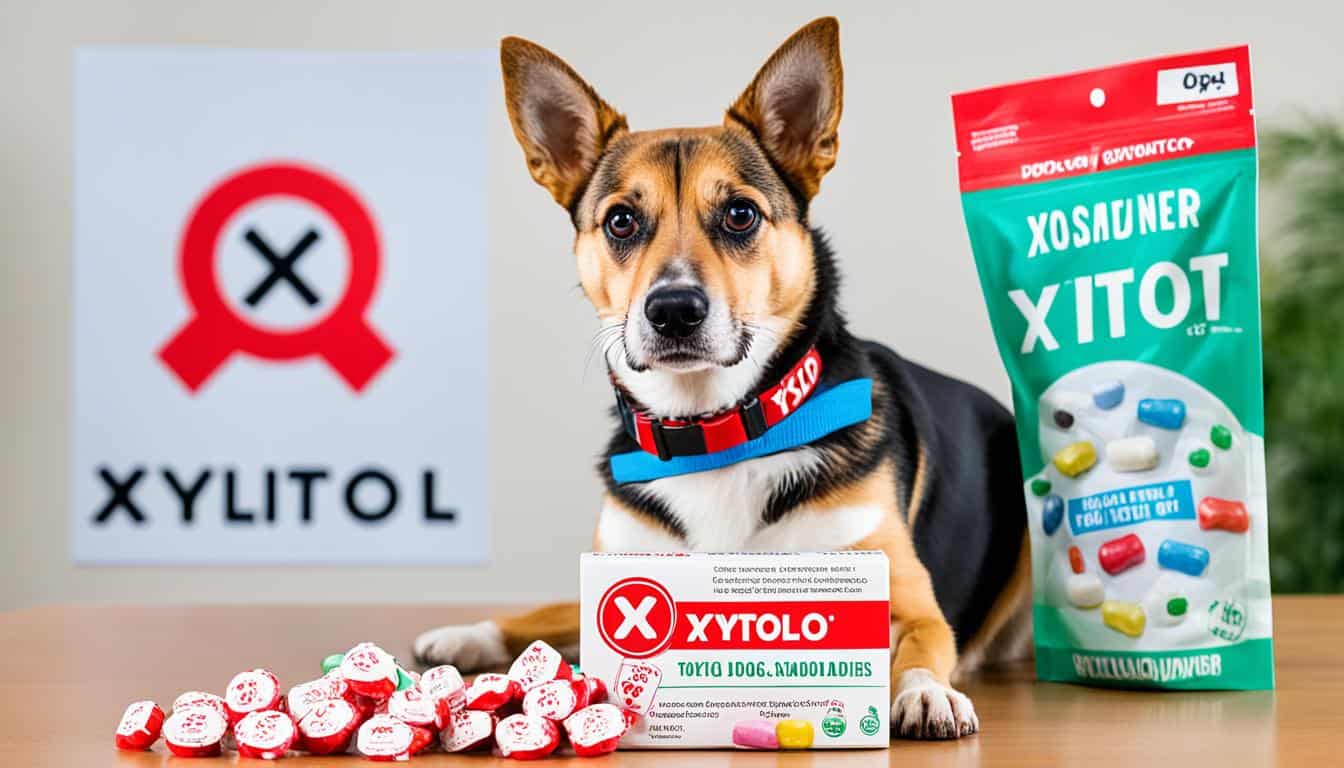
The most common source of accidental poisoning is sugar-free chewing gum and breath mints. A single piece of gum can contain enough xylitol to cause severe hypoglycemia in a small dog. However, peanut butter has become a major concern. Some specialty brands use xylitol as a sweetener. Since many owners use peanut butter to hide pills or as a treat in chew toys, this poses a direct threat. Always check the label for "xylitol" or "birch sugar" before sharing peanut butter with your dog.
Personal Care and Hygiene Products
Xylitol is prized in dental care because it inhibits the growth of bacteria that cause cavities. Consequently, it is a standard ingredient in toothpaste, mouthwash, and dental rinses. Dogs that "help" their owners by licking up spilled toothpaste or those whose owners mistakenly use human toothpaste to brush their dog's teeth are at high risk. Additionally, some brands of moisturizing nasal sprays, deodorants, and even certain facial creams now incorporate xylitol for its humectant properties.
Pharmaceutical Hazards
In 2026, many liquid medications, particularly those designed for children or those labeled as "sugar-free," use xylitol to improve taste. This includes cough syrups, chewable multivitamins, and even some prescription medications like gabapentin or melatonin. If your dog gets into the medicine cabinet, the sweetener can be just as dangerous as the active drug itself.
Comparing Common Sweeteners: Safety and Toxicity
Not every sugar substitute is toxic. While most "fake sugars" can cause gastrointestinal upset (diarrhea or gas) if consumed in large quantities, they generally do not cause the systemic failure seen with xylitol. The following table provides a reference for the most common sweeteners encountered in 2026.
| Sweetener Name | Toxicity Status | Common Sources | Potential Effects in Dogs |
|---|---|---|---|
| Xylitol / Birch Sugar | Highly Toxic | Gum, PB, Toothpaste, Keto snacks | Hypoglycemia, Liver failure, Death |
| Erythritol | Non-toxic | Monk fruit blends, Stevia blends | Mild GI upset (diarrhea) |
| Stevia | Non-toxic | Natural "green" sweeteners, sodas | Mild GI upset |
| Saccharin | Non-toxic | Pink packets, some diet sodas | Generally safe, possible diarrhea |
| Sucralose | Non-toxic | Splenda, yellow packets, baked goods | Generally safe in moderation |
| Aspartame | Non-toxic | Diet sodas, blue packets | Mild GI upset; safe at low levels |
| Monk Fruit | Non-toxic | Natural sweeteners, health foods | Safe, though often mixed with xylitol |
Note: While a sweetener may be "non-toxic," it does not mean it is healthy. Large quantities of any sugar substitute can lead to severe osmotic diarrhea and dehydration.
Identifying Symptoms of Xylitol Poisoning
The timeline for xylitol toxicity is remarkably fast. Symptoms of hypoglycemia can begin as early as 15 to 30 minutes after ingestion, though in some cases, they may be delayed for several hours if the xylitol was in a product that digests slowly.
The initial signs of poisoning include:
- Vomiting: Often the first sign of distress.
- Lethargy and Weakness: The dog may appear suddenly tired or "drunk."
- Ataxia: Loss of coordination, stumbling, or tripping while walking.
- Tremors: Shaking or shivering that isn't related to cold temperatures.
- Seizures: A result of the brain being deprived of glucose.
If the dog survives the initial hypoglycemic crisis, signs of liver failure may emerge within 24 to 48 hours. These symptoms are more subtle initially and include jaundice (yellowing of the gums or whites of the eyes), black tarry stools (indicating internal bleeding), and profound weakness. Monitoring by a veterinarian is essential during this window, as liver enzymes can spike rapidly even if the dog appears to be recovering.
Immediate Action: What to Do in an Emergency
If you suspect your dog has eaten something containing xylitol, seconds count. Do not wait for symptoms to appear. Once a dog is showing signs of a seizure or extreme lethargy, the damage may already be severe.
- Check the Packaging: Immediately identify if xylitol (or birch sugar) is listed in the ingredients. Try to estimate how much the dog consumed (e.g., "half a pack of gum" or "three cookies").
- Contact Your Veterinarian or Pet Poison Control: Call your vet immediately. If they are closed, head to the nearest 24-hour emergency animal hospital. You can also contact the ASPCA Animal Poison Control Center or the Pet Poison Helpline for guidance.
- Do Not Induce Vomiting Unless Instructed: Never force your dog to vomit if they are already acting lethargic, weak, or having seizures, as they could inhale the vomit into their lungs (aspiration). Only induce vomiting with hydrogen peroxide if specifically directed by a medical professional.
- Bring the Packaging: Take the wrapper or ingredient list with you to the clinic. This helps the veterinary team calculate the dose of toxicity and determine the best course of treatment.
Medical treatment usually involves hospitalization. The veterinary team will provide intravenous (IV) dextrose (sugar) to maintain blood glucose levels and may administer liver-protective medications. Frequent blood monitoring is required to track liver enzymes and potassium levels, which can also drop during the insulin surge.
Long-Term Outlook and Prevention
The prognosis for xylitol poisoning depends heavily on the amount ingested and how quickly treatment began. For dogs treated immediately for hypoglycemia before liver damage occurs, the prognosis is generally excellent. However, if the dog develops liver failure or suffers from severe, prolonged seizures, the outlook is much more guarded.
Strategies for a Xylitol-Free Home
To protect your pet in a world where "sugar-free" is the norm, adopt these safety habits:
- The "Birch" Warning: Be aware that as of 2026, many brands have moved toward "natural" labeling. If you see Birch Sugar on a label, treat it exactly like xylitol.
- Secure the Purse and Gym Bag: Gum and mints are often left in bags at dog-eye level. Hang bags high or keep them in a closed closet.
- Veterinary-Approved Toothpaste: Never use human toothpaste on a dog. Always use enzymatic toothpaste specifically formulated for canines.
- Label Reading: Before giving your dog a "lick" of your yogurt, peanut butter, or ice cream, read the ingredient list in its entirety.
Frequently Asked Questions
Is any amount of xylitol safe for dogs? No. Xylitol is dose-dependent, but the toxic threshold is incredibly low. For a 10-pound dog, as little as 0.5 grams of xylitol can cause hypoglycemia. This is often equivalent to just one or two pieces of gum, depending on the brand. There is no "safe" margin for error.
Does xylitol affect cats the same way? Current research suggests that cats do not seem to have the same toxic reaction to xylitol as dogs. They do not experience the massive insulin surge. However, because xylitol provides no nutritional benefit and there is limited data on long-term effects in felines, it is still best to keep it away from them.
What is "Birch Sugar" and is it different from xylitol? Birch sugar is simply a different name for xylitol. It is chemically identical. Manufacturers use the term because it sounds more "natural" and less like a chemical additive. For a dog, it is just as deadly as xylitol.
Can dogs have honey or real sugar? While real sugar and honey are not toxic to dogs in the way xylitol is, they are not healthy. High sugar intake can lead to obesity, dental issues, and pancreatitis. In diabetic dogs, real sugar can cause dangerous spikes in blood glucose.
Is erythritol safe for dogs? Yes, erythritol is generally considered safe for dogs in small amounts. It is a sugar alcohol, but unlike xylitol, it does not cause an insulin spike. However, it can cause stomach upset and diarrhea if eaten in large quantities.
Practical Recommendation: The safest policy is to implement a "No Human Sweets" rule for your dog. Even if a product is safe today, manufacturers may change recipes tomorrow. If you must share a treat like peanut butter, choose a "one-ingredient" brand that contains only roasted peanuts. Keep the contact information for your local emergency vet and a pet poison control hotline saved in your phone for immediate access.
Image Gallery