Is Ansel King Real? The Truth Behind the Fictional Persona
Ansel King is not a real historical figure or a living person; he is a fictional character primarily existing within the realms of contemporary internet literature, digital storytelling, and social media "face-claims." While the name h...
Ansel King is not a real historical figure or a living person; he is a fictional character primarily existing within the realms of contemporary internet literature, digital storytelling, and social media "face-claims." While the name has gained traction in 2026 due to viral AI-generated imagery and immersive fan narratives, there is no record of a real individual by this name in any official public capacity.
Contents
The Origins of the Ansel King Mystery
To understand why the question "is Ansel King real" has become a frequent search query, one must look at the intersection of indie publishing and digital "aesthetic" culture. The name Ansel King often surfaces in niche literary circles, specifically within the dark romance and "mafia-lite" genres that populate platforms like Kindle Unlimited and Wattpad.
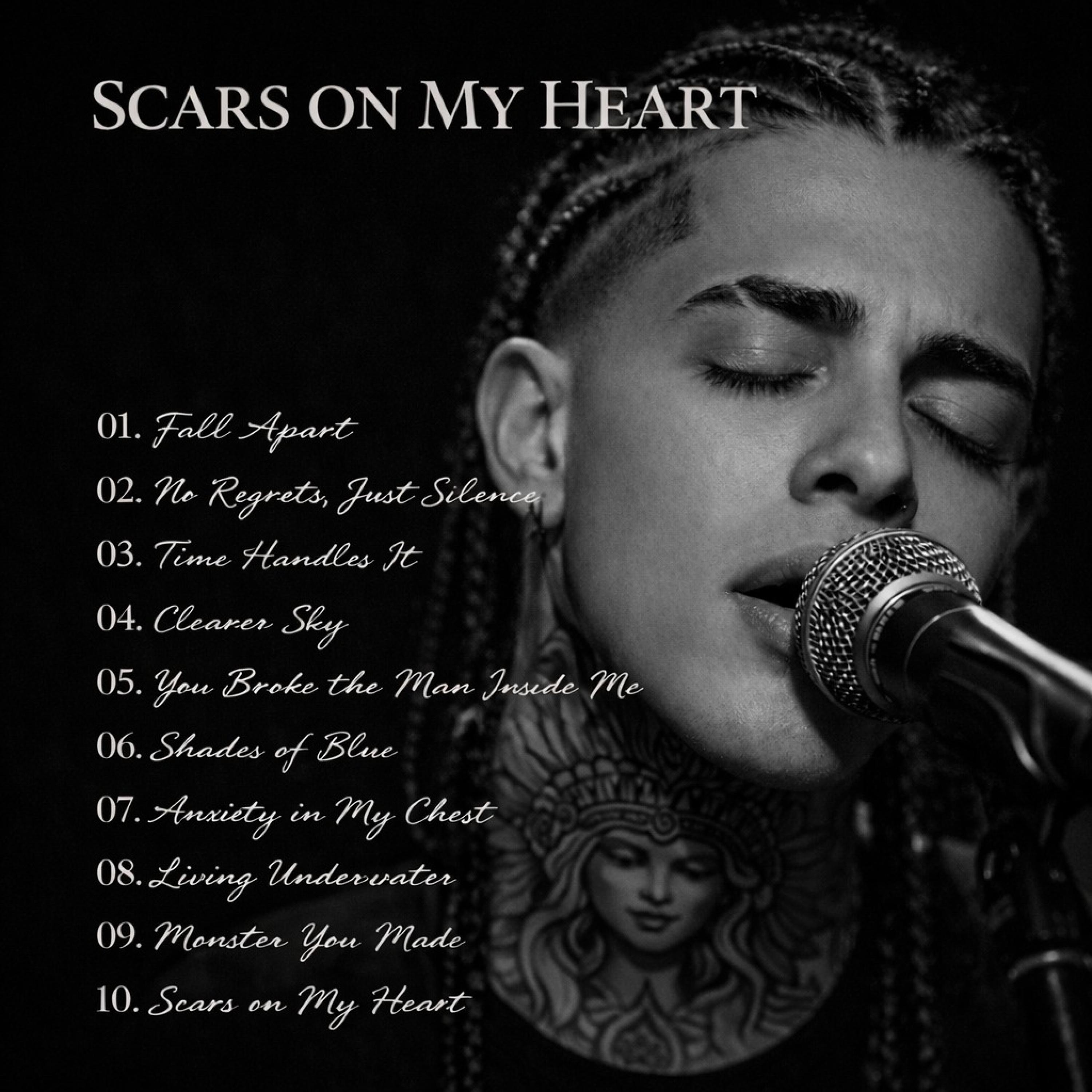
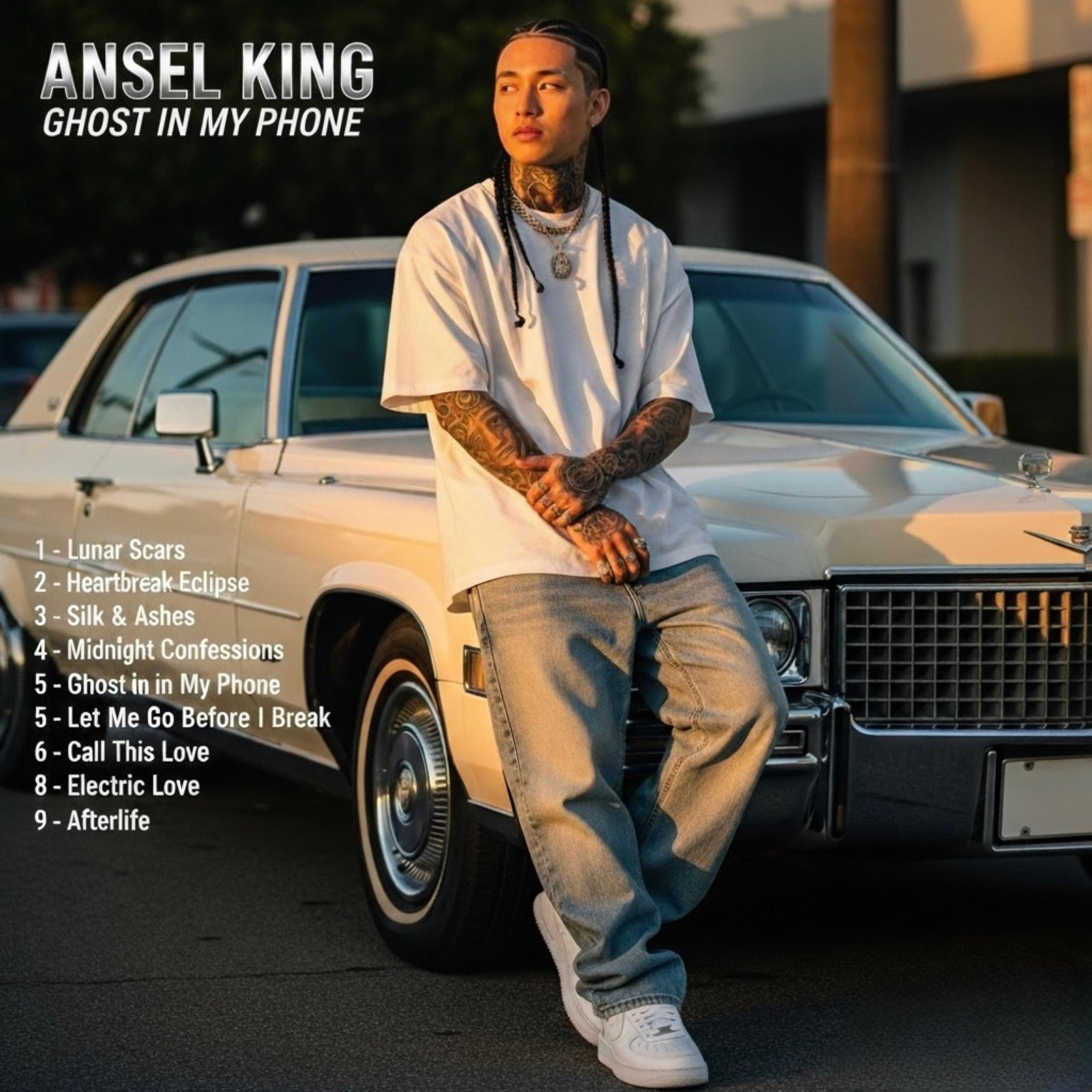
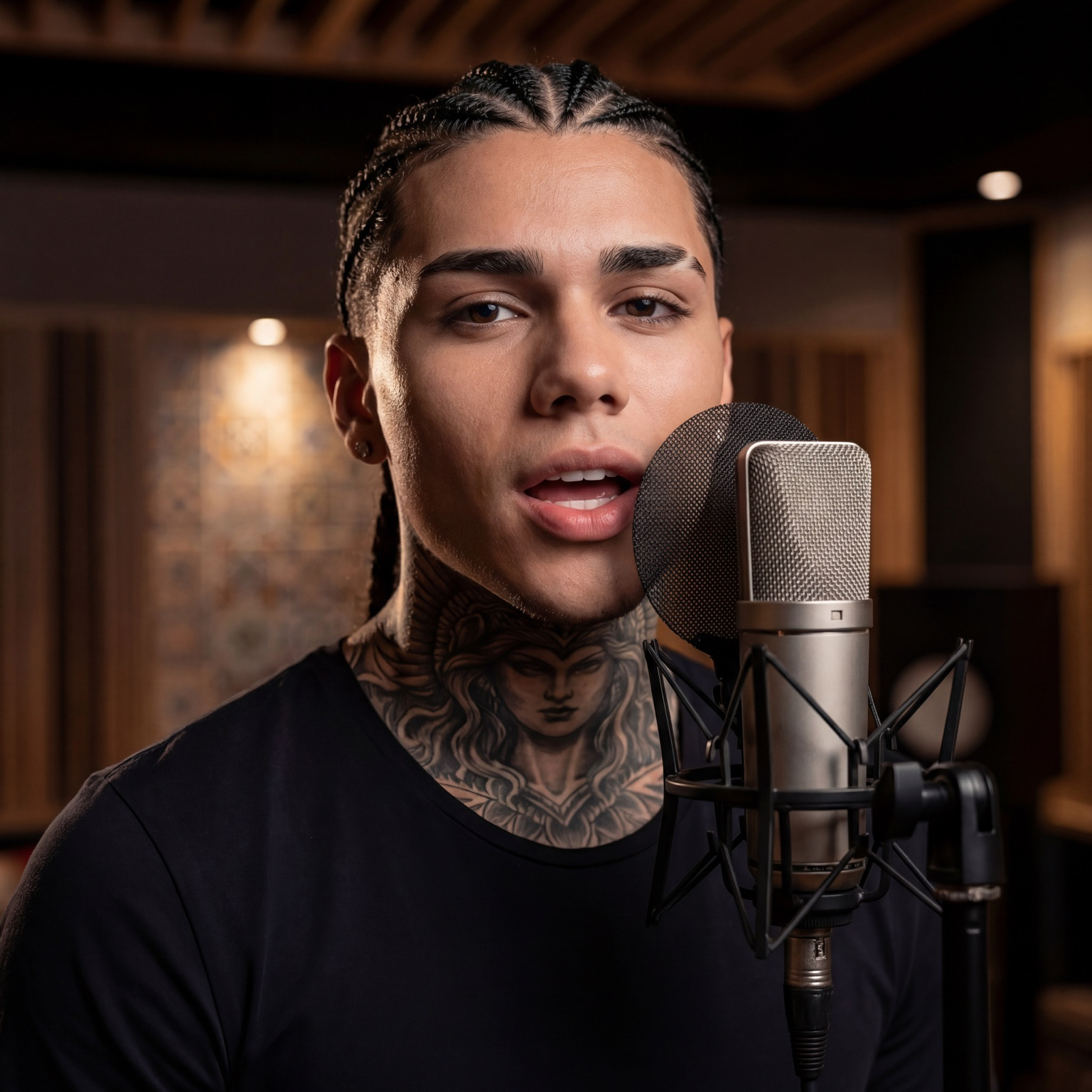
In these stories, Ansel King is typically portrayed as a brooding, enigmatic figure—a "King" of an underworld or a prestigious academic institution. Because many authors in 2025 and 2026 have begun using hyper-realistic AI-generated "face claims" to market their books, readers often mistake these digital avatars for real models or actors. This confusion is amplified when these images are shared on platforms like TikTok and Instagram without a disclaimer, leading to a widespread search for the "real" person behind the face.
The phenomenon of the "fictional-real" persona is not unique to Ansel King, but the specific combination of a regal-sounding surname and a classic first name has made the character particularly "searchable." Many users encounter the name through "BookTok" edits where the character's "stats" (height, eye color, personality traits) are presented alongside photorealistic images, creating a parasocial connection that prompts users to verify his existence.
The Role of AI Influencers and Digital Realism in 2026
As of 2026, the technology used to create digital humans has reached a level of fidelity where distinguishing between a real human and a synthesized one is nearly impossible for the casual observer. Ansel King is a prime example of a "Synthesized Archetype."
These archetypes are created by marketers or hobbyists using advanced generative adversarial networks (GANs). They are designed to embody specific physical traits that appeal to a target demographic—in this case, the "dark academia" or "romance hero" aesthetic. When these images go viral, the name attached to them (Ansel King) becomes synonymous with the face, even if neither is grounded in reality.
Why Digital Personas Go Viral
- Aesthetic Consistency: Unlike real human influencers who may have "off days" or inconsistent branding, a digital persona like Ansel King can be perfectly curated to fit a specific visual vibe.
- Immersive Storytelling: Authors use these personas to "interact" with fans, often creating social media profiles for their fictional characters. This "roleplay" marketing strategy blurs the lines for younger audiences who may not be familiar with the source material.
- Algorithmic Favor: Platforms tend to boost high-contrast, high-definition portraits. The AI-generated imagery associated with the name Ansel King is engineered to perform well within these algorithms.
Fictional Roots: Ansel King in Literature and Web Series
While there is no single "definitive" Ansel King, the name appears as a recurring moniker in several medium-specific contexts. It is important to distinguish between these to understand which "Ansel" a user might be looking for.
The "King" Trope in Fandom
In many popular book series involving "Kings"—such as the All For The Game series by Nora Sakavic (which features The King's Men) or various "King" titled dark romances—fans often create original characters (OCs) to inhabit these worlds. "Ansel King" has emerged in several fan-fiction archives as a popular name for a protagonist or a high-ranking side character. Over time, these OCs can become so popular within a fandom that they are discussed with the same fervor as real celebrities.
Web Novels and Indie Publishing
Several indie authors in the 2024–2026 period have utilized the name for protagonists in "found-family" or "rivals-to-lovers" tropes. Because these books are often marketed through "POV" videos (where a creator acts out a scene from the book), viewers often ask if the person in the video is Ansel King or if the story is a biography.
How to Verify the Reality of an Online Figure
In an era where digital personas are ubiquitous, it is essential to have a toolkit for verifying whether a person like Ansel King is real. If you encounter a name that seems to be a viral sensation but lacks a Wikipedia page or a verified news history, follow these steps:
- Reverse Image Search: Take a screenshot of the individual and use a tool like Google Lens or TinEye. If the person is real, the search will likely lead to a modeling agency, an IMDB page, or a personal social media account. If the images are AI-generated, you will often find them linked only to Pinterest boards or "face claim" accounts.
- Check for "Official" Presence: Real public figures, especially those with the level of "fame" implied by viral searches, will have verified (blue-check) accounts on platforms like Instagram, X (formerly Twitter), or LinkedIn. Fictional personas may have accounts, but they are usually managed by a publisher or an artist and often state "fictional" in the bio.
- Search the ISBN Database: If the name is associated with a specific story, search a book database like Goodreads or the Library of Congress. This will usually confirm that the name belongs to a character in a copyrighted work of fiction.
- Analyze Physical Features: AI-generated "people" in 2026, while highly realistic, often exhibit "too-perfect" symmetry or inconsistent details in complex areas like the ears, hands, or background textures.
Distinguishing Between Real, AI, and Fictional Entities
To help clarify the landscape of digital identities in 2026, the following table compares the different ways a "person" like Ansel King might be presented online.
| Category | Origin | Reality Status | Common Usage |
|---|---|---|---|
| Real Person | Biological human | 100% Real | Actors, models, historical figures. |
| AI Influencer | Generative Software | Digital Construct | Marketing, social media branding, "perfection" aesthetics. |
| Fictional Character | Author/Creative Work | Narrative Entity | Books, movies, video games, fan-fiction. |
| Face Claim | Real Model/AI Image | Hybrid | Using a real person's photo to represent a fictional name. |
Why the "Is He Real" Question Persists
The persistence of the query "is Ansel King real" is a testament to the power of modern storytelling. When a character is written with enough depth—and marketed with enough visual realism—the human brain struggles to maintain the barrier between fiction and reality. This is known as a parasocial interaction, where a consumer develops a one-sided relationship with a persona.
In 2026, the "Ansel King" phenomenon is also driven by a desire for "authentic" connection in a world filled with bots. Users often want him to be real because the aesthetic and personality he represents are highly appealing. This emotional investment leads to repeated searches as users look for confirmation of his existence, often hoping to find a social media handle or a real-life interview.
Common Misconceptions and Name Confusion
It is also possible that "Ansel King" is a result of name-mashing or misremembering other famous entities. In the digital age, search algorithms sometimes conflate similar names, leading to confusion.
- Ansel Adams: The famous American photographer. While his work is timeless, he is a historical figure and not the subject of contemporary "is he real" memes.
- Ansel Elgort: The American actor known for The Fault in Our Stars and Baby Driver. While real, he is not "Ansel King."
- The King's Men: As mentioned, this title (from Nora Sakavic’s All For The Game series) is often associated with a character named Ansel in fan-created content, even if he does not appear in the original text.
Frequently Asked Questions
Is there a movie about Ansel King?
No, there is currently no major motion picture titled Ansel King or featuring a lead character by that name. Most videos found on social media that look like "movie trailers" are fan-made "concept trailers" using clips from other films and AI-generated voiceovers.
Why is Ansel King so popular on TikTok?
His popularity stems from the "BookTok" and "Aesthetic" communities. He is used as a "Face Claim" for various popular tropes, making him a visual shorthand for the "perfect" fictional hero. The high-quality digital art associated with the name makes the content highly shareable.
Was Ansel King a real person in history?
There is no prominent historical figure named Ansel King. While the name may appear in genealogical records (as many people share common names), no one by that name has had a recorded impact on history, science, or politics that would warrant this level of public inquiry.
Is Ansel King based on a real person?
Most authors who use the name state that the character is entirely fictional. However, "face claims" are often based on the likeness of real-life models or actors. If you see a photo of "Ansel King," you are likely looking at a real model whose image has been "borrowed" for a fictional persona, or an AI-generated image that combines thousands of human features.
Where can I find the official Ansel King account?
Since he is a fictional character, there is no single official account. Multiple "fan accounts" or "roleplay accounts" exist, but these are maintained by enthusiasts or authors and do not represent a real living individual.
Practical Recommendation: Navigating Digital Identities
When encountering figures like Ansel King, the best approach is to treat the name as a literary or digital entity. Enjoy the stories and the aesthetics associated with the persona, but maintain a clear distinction between the character and reality.
If you are an author or creator looking to use a name like Ansel King, ensure you clearly label your content as "fictional" or "AI-generated" to avoid contributing to the misinformation cycle. For readers and fans, using reverse image search and checking for reputable sources like the Library of Congress or official casting sites remains the most effective way to separate fact from fiction in the increasingly complex digital landscape of 2026.
Image Gallery