Is Life Insurance Taxed in California? A Comprehensive Guide for 2026
In California, life insurance death benefits are generally not subject to state or federal income tax. Because the state does not currently impose an inheritance or estate tax, beneficiaries typically receive the full face value of a p...
In California, life insurance death benefits are generally not subject to state or federal income tax. Because the state does not currently impose an inheritance or estate tax, beneficiaries typically receive the full face value of a policy tax-free. However, taxes may apply to interest earned on proceeds, certain cash value withdrawals, or federal estates exceeding specific valuation thresholds.
Contents
Navigating the intersection of insurance and tax law in California requires a clear understanding of both state-level exemptions and federal mandates. While California is often perceived as a high-tax jurisdiction, its treatment of life insurance proceeds remains remarkably favorable for beneficiaries. As of 2026, the fundamental principle remains: the "death benefit"—the primary sum paid out upon the death of the insured—is not considered taxable income by the California Franchise Tax Board (FTB) or the Internal Revenue Service (IRS).
Despite this general rule, there are nuances involving policy ownership, cash value accumulation, and the method of payout that can trigger tax liabilities. Understanding these exceptions is vital for estate planning and financial security.
The Income Tax Exemption on Death Benefits
The most significant concern for most beneficiaries is whether the lump sum they receive will be eroded by income taxes. Under Internal Revenue Code Section 101(a), life insurance proceeds paid "by reason of the death of the insured" are excluded from gross income. California law consistently aligns with this federal standard.
When a policyholder passes away, the insurance company issues a payment to the named beneficiaries. This money is viewed as a replacement for the economic loss of the individual, rather than a financial gain or "income" in the traditional sense. Consequently, you do not need to report the principal amount of a life insurance death benefit on your California state tax return or your federal return.
The Role of Interest on Proceeds
While the principal death benefit is tax-free, any interest earned on those proceeds is taxable. If an insurance company delays payment or if the beneficiary chooses to leave the funds with the insurer in an interest-bearing account, the interest accrued from the date of death until the date of distribution is considered taxable income. In 2026, insurance companies are required to issue a Form 1099-INT to both the beneficiary and the taxing authorities if the interest paid exceeds $10. This interest must be reported as "Interest Income" on both your federal and California state tax filings.
California’s Stance on Estate and Inheritance Taxes
A common point of confusion for Californians is the difference between income tax, inheritance tax, and estate tax.
- Inheritance Tax: This is a tax paid by the person receiving the money. California does not have an inheritance tax; it was repealed by voters through Proposition 6 in June 1982.
- Estate Tax: This is a tax paid by the estate of the deceased before the money is distributed. California currently has no state-level estate tax.
Because California lacks these two types of taxes, the state government does not take a "cut" of the life insurance payout based on the size of the estate. This makes life insurance one of the most efficient tools for transferring wealth in the state. However, California residents are still subject to the Federal Estate Tax.
Federal Estate Tax Considerations in 2026
While California does not tax the estate, the federal government does if the total value of the estate exceeds certain limits. In 2026, this is a particularly relevant topic. Following the sunset of certain provisions in the Tax Cuts and Jobs Act (TCJA), the federal estate tax exemption has adjusted.
If the deceased owned the life insurance policy (meaning they had "incidents of ownership" such as the power to change beneficiaries or borrow against the cash value), the full value of the death benefit is included in their gross estate for federal tax purposes. If the total estate—including the insurance—exceeds the 2026 federal threshold, the estate could owe significant taxes before the beneficiaries receive their share. To avoid this, many Californians utilize Irrevocable Life Insurance Trusts (ILITs) to remove the policy from their taxable estate.
Taxation of Living Benefits and Cash Value
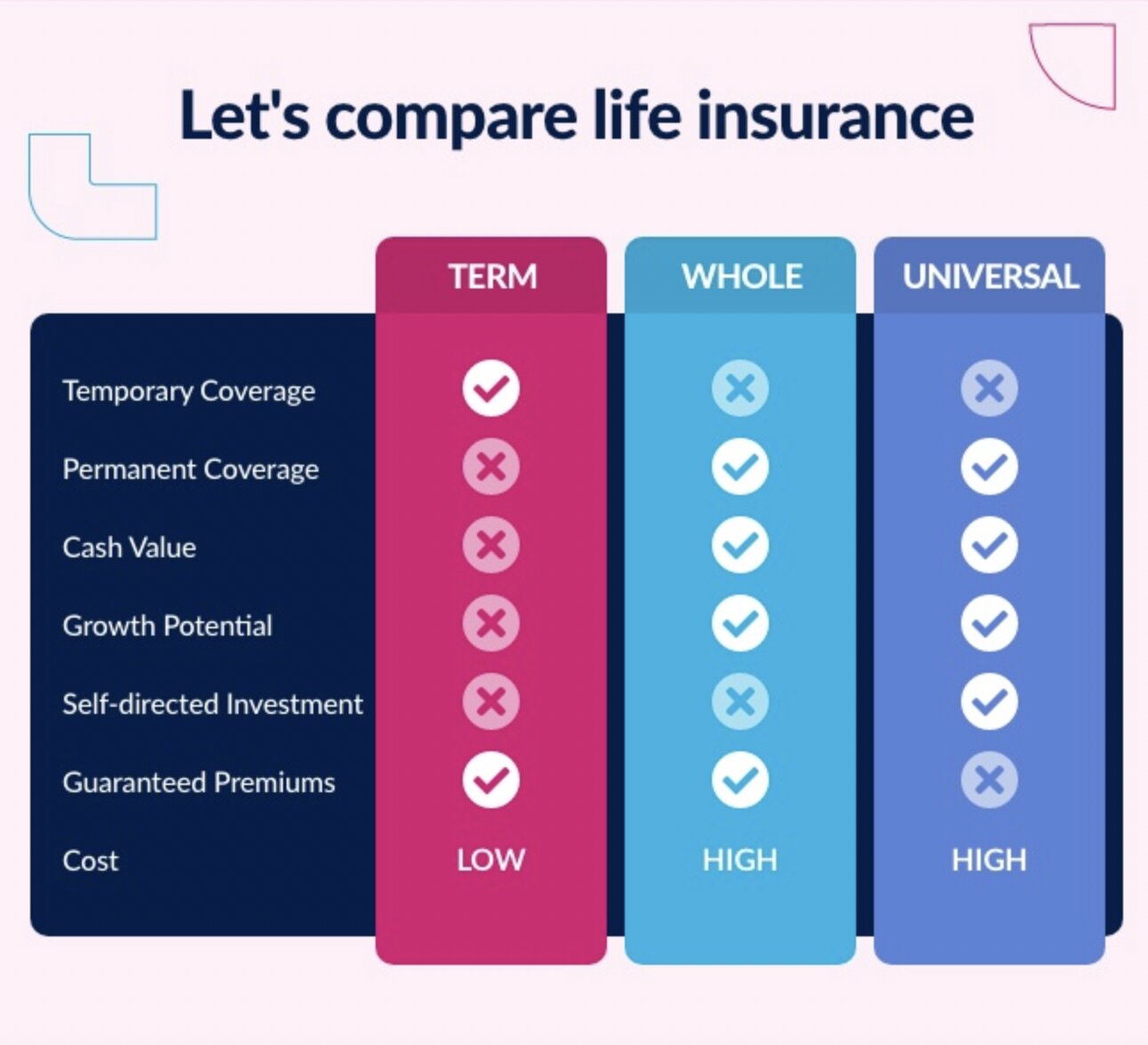
Permanent life insurance policies, such as Whole Life or Universal Life, include a "cash value" component that grows over time. The taxation of this component differs from the death benefit because the policyholder is still alive when accessing these funds.
Tax-Deferred Growth
One of the primary advantages of cash value policies is tax-deferred growth. As long as the gains remain within the policy, you do not pay annual income taxes on the interest, dividends, or capital gains earned. This allows the internal value of the policy to compound more efficiently than a traditional taxable brokerage account.
Withdrawals and the "Cost Basis"
If you withdraw money from your policy’s cash value in California, the tax treatment follows the "First-In, First-Out" (FIFO) rule. Withdrawals are considered a return of your cost basis (the total amount of premiums you have paid into the policy) first.
- Tax-Free: Withdrawals up to the amount of the premiums paid are generally tax-free.
- Taxable: Any amount withdrawn in excess of the cost basis is treated as ordinary income and is taxable at both the state and federal levels.
Policy Loans
Policyholders can also take loans against their cash value. Generally, policy loans are not considered taxable income, even if the loan amount exceeds the cost basis. This is because the law views the loan as a debt that must be repaid. However, there is a significant risk: if the policy lapses or is surrendered while a loan is outstanding, the unpaid loan balance (minus the cost basis) becomes immediately taxable as ordinary income.
Modified Endowment Contracts (MECs)
If a policy is funded too quickly (exceeding the "7-pay test" limits defined by the IRS), it becomes classified as a Modified Endowment Contract (MEC). For MECs, the tax rules change to "Last-In, First-Out" (LIFO). This means the first dollars withdrawn are considered to be the gains, making them immediately taxable. Additionally, if you are under age 59½, a 10% federal penalty may apply to MEC withdrawals.
Comparison Table: Taxation of Life Insurance in California (2026)
| Feature | California State Tax Status | Federal Tax Status | Notes |
|---|---|---|---|
| Death Benefit (Lump Sum) | Not Taxed | Not Taxed | Primary exemption under IRC Section 101(a). |
| Interest on Death Benefit | Taxable | Taxable | Only the interest earned after death is taxed. |
| Cash Value Growth | Tax-Deferred | Tax-Deferred | No tax while the money stays in the policy. |
| Withdrawals (up to Basis) | Not Taxed | Not Taxed | Considered a return of your own premiums. |
| Withdrawals (above Basis) | Taxable | Taxable | Taxed as ordinary income. |
| Policy Loans | Not Taxed | Not Taxed | Taxable only if the policy lapses or surrenders. |
| Estate Tax | No State Estate Tax | Taxable | Applies if the total estate exceeds federal limits. |
Specific Exceptions to the Tax-Free Rule
While the general rule is that life insurance is not taxed in California, several specific scenarios can create a tax liability.
1. The Transfer-for-Value Rule
If a life insurance policy is sold or transferred to another party for "valuable consideration" (money or something of value), the death benefit may lose its tax-exempt status. In such cases, the beneficiary may owe income tax on the portion of the death benefit that exceeds the price paid for the policy plus subsequent premiums. There are exceptions for transfers to the insured, a partner of the insured, or a corporation in which the insured is an officer.
2. Group Term Life Insurance
Many California employers provide group term life insurance. According to the IRS and California FTB, the cost of the first $50,000 of coverage is a tax-free fringe benefit. However, if your employer pays for coverage exceeding $50,000, the "imputed cost" of that excess coverage is considered taxable income to the employee and will appear on your W-2.
3. Installment Payouts (Annuity Options)
If a beneficiary chooses to receive the death benefit in installments rather than a lump sum, each payment consists of two parts: a portion of the tax-free principal and a portion of taxable interest. The insurance company provides a breakdown of these amounts annually to ensure proper tax reporting.
Frequently Asked Questions
Does California have an inheritance tax on life insurance?
No. California voters repealed the state's inheritance tax in 1982. Beneficiaries do not pay a state tax simply for receiving life insurance proceeds. This distinguishes California from a handful of other states that still maintain inheritance taxes, though even in those states, life insurance is often exempt.
What happens if I surrender my life insurance policy for cash?
When you surrender a permanent life insurance policy, you receive the "cash surrender value." You will owe California and federal income tax only on the amount that exceeds the total premiums you paid into the policy. If you receive $50,000 but paid $40,000 in premiums over the years, only $10,000 is taxable as ordinary income.
Is the death benefit taxed if it goes to my estate instead of a person?
If you fail to name a living beneficiary and the proceeds are paid to your estate, the money remains free from income tax. However, it becomes part of the probate estate, which may make it subject to creditor claims and will definitely count toward the total value of the estate for federal estate tax calculations.
Are premiums paid for life insurance tax-deductible in California?
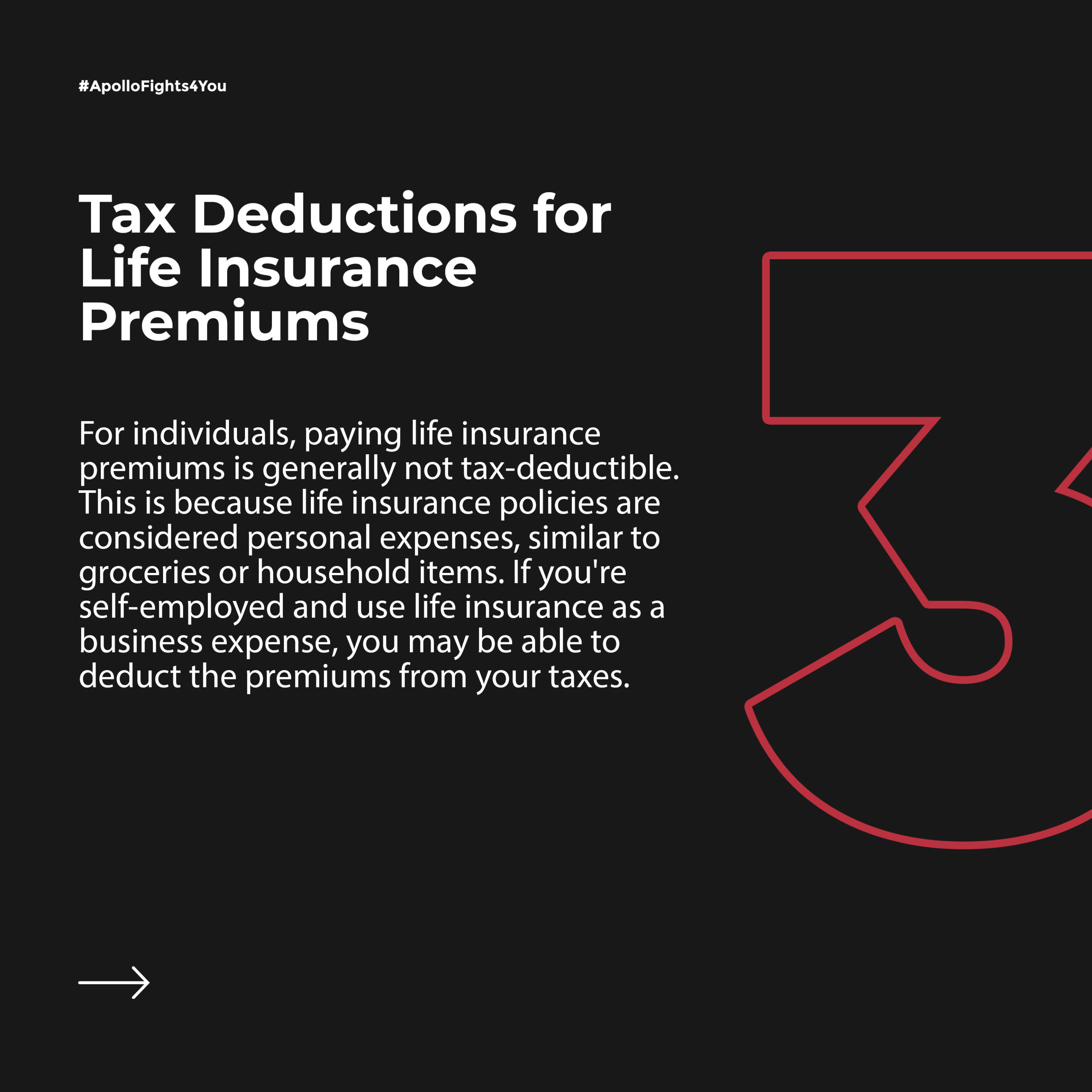
Generally, no. For individuals, life insurance premiums are considered a personal expense and are not deductible on California or federal tax returns. For businesses, premiums are generally not deductible if the business is a direct or indirect beneficiary of the policy.
Can California state creditors seize my life insurance proceeds?
While this is a legal rather than a tax issue, it is relevant to the "net" value received. In California, life insurance proceeds are generally protected from the beneficiaries' creditors, and the cash value is often protected from the policyholder's creditors up to certain statutory limits, provided the policy was not purchased to defraud creditors.
Strategic Recommendations for 2026
To ensure that your life insurance proceeds remain as tax-efficient as possible in California, consider the following steps:
- Review Beneficiary Designations: Ensure your beneficiaries are up to date. Proceeds paid to a named individual bypass probate and are clearly identified as tax-free death benefits.
- Evaluate Estate Size: With the 2026 federal estate tax changes, consult with a financial advisor to determine if your life insurance might push your estate over the federal exemption limit. If so, an Irrevocable Life Insurance Trust (ILIT) may be a necessary tool.
- Monitor Cash Value Withdrawals: If you need to access funds from a policy, prioritize loans over withdrawals if you are nearing your cost basis, but be cautious about policy lapses.
- Document Your Basis: Keep records of all premium payments. If you ever surrender the policy or take a large withdrawal, having an accurate "cost basis" is essential for proving to the FTB and IRS that the money is not taxable income.
Disclaimer: Tax laws are subject to change and interpretation. This information is for educational purposes and does not constitute legal, financial, or tax advice. Residents of California should consult with a qualified tax professional or estate attorney regarding their specific circumstances.
Image Gallery