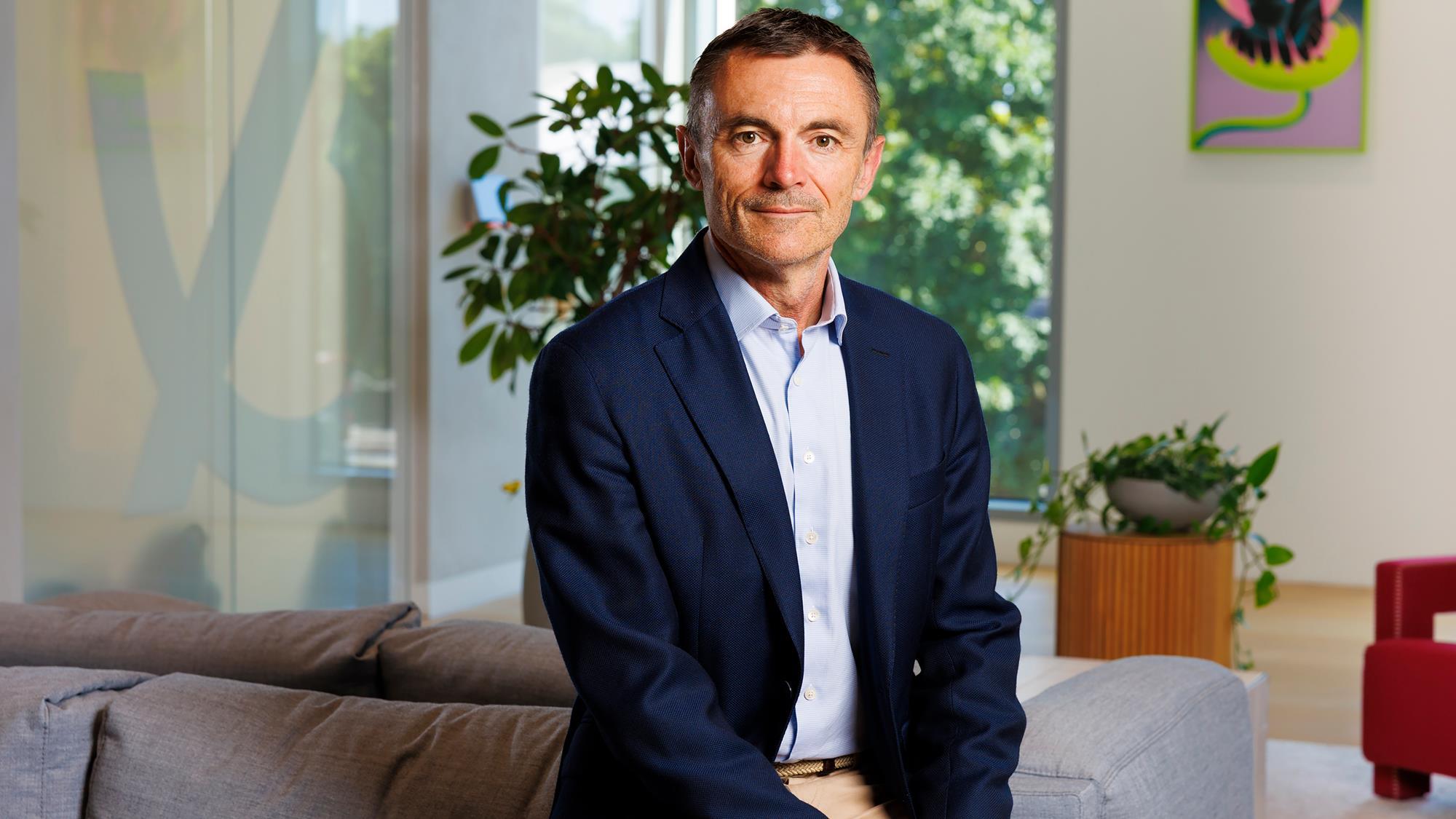
Lyle Sing: A Quiet Pioneer in Digital Health
Lyle Sing is a transformative leader in health informatics, best known for orchestrating large-scale digital transitions within complex public health systems. As a key architect of the electronic medical record (EMR) expansion in Austr...
Lyle Sing is a transformative leader in health informatics, best known for orchestrating large-scale digital transitions within complex public health systems. As a key architect of the electronic medical record (EMR) expansion in Australia, his "quiet" pioneering approach prioritized clinical utility and systemic interoperability over flashy technological trends, fundamentally reshaping patient data accessibility and safety.
Contents
In the landscape of global healthcare, the most significant changes often happen away from the headlines. While tech billionaires frequently announce "disruptions," the true progress of digital health is built by individuals who understand the friction between legacy infrastructure and modern clinical needs. Lyle Sing represents this specialized breed of leadership. By 2026, his contributions are viewed as the foundational bedrock upon which current AI-driven diagnostic tools and integrated care pathways are built.
The Architectural Vision of Lyle Sing
Lyle Sing’s career is defined by his tenure in high-stakes environments, most notably within the Australian health sector and eHealth NSW. To understand why he is termed a "quiet pioneer," one must look at the state of healthcare information technology in the early 21st century. Systems were siloed, paper-heavy, and often resistant to the very digital tools meant to improve them.
Sing’s approach was never about the technology for technology’s sake. Instead, he focused on the clinical workflow. He recognized early on that a digital health tool is only as effective as its adoption rate among frontline nurses and doctors. His work involved navigating the intricate bureaucracy of state-wide health departments to implement standardized Electronic Medical Records (EMRs). This was not merely a software rollout; it was a cultural shift that required aligning thousands of disparate stakeholders toward a single, unified digital vision.
Strategic Implementation and the EMR Rollout
The scale of the projects Sing managed is often underestimated. Implementing an EMR across a massive public health network—such as that of New South Wales (NSW)—is a task comparable to rebuilding an airplane while it is in flight. Under his guidance, the focus remained on:
- Standardization: Ensuring that a patient’s data in a rural clinic was identical in format and accessibility to their data in a major metropolitan hospital.
- Safety Protocols: Utilizing digital systems to reduce medication errors through automated checks and balances.
- Scalability: Building systems that wouldn't just work for today’s needs but could integrate with the future of genomic medicine and predictive analytics.
The "Quiet" Leadership Philosophy
What distinguishes Lyle Sing from his contemporaries is a leadership style that eschews the spotlight in favor of sustainable results. In the world of Digital Health (DH), "quiet" leadership involves several key characteristics:
- Resilience over Hype: Avoiding the "hype cycle" of unproven technologies in favor of stable, enterprise-grade solutions that protect patient life.
- Consensus Building: In healthcare, mandates often fail. Sing was known for his ability to listen to clinical staff and incorporate their feedback into technical specifications, reducing the "technostress" often associated with digital shifts.
- Data Governance as a Priority: He treated data security and privacy not as a hurdle, but as a core requirement of the digital health ecosystem.
This philosophy ensured that when major crises hit—such as the global health challenges of the early 2020s—the infrastructure was robust enough to pivot toward telehealth and rapid data sharing without collapsing.
Technical Contributions and Interoperability
A significant portion of Lyle Sing’s legacy lies in his commitment to interoperability. In digital health, interoperability is the ability of different information systems, devices, and applications to access, exchange, and cooperatively use data in a coordinated manner.
Sing championed the use of international standards like HL7 (Health Level Seven) and eventually supported the transition toward FHIR (Fast Healthcare Interoperability Resources). By pushing for these standards, he ensured that the health systems he influenced were not locked into a single vendor’s ecosystem. This foresight allowed for a more competitive marketplace for health apps and specialized clinical modules that could "plug into" the central EMR.
Comparing Digital Health Eras
The impact of pioneers like Lyle Sing is best understood by comparing the operational realities before and after their major initiatives.
| Feature | Pre-Digital Transformation (Circa 2010) | Modern Integrated Health (2026 Perspective) |
|---|---|---|
| Data Storage | Disparate paper files and localized servers. | Centralized, cloud-based EMR with regional access. |
| Interoperability | Minimal; fax machines were the primary transfer tool. | Real-time data exchange via FHIR and HL7 standards. |
| Patient Safety | Manual cross-referencing of medications. | Automated Decision Support Systems (DSS). |
| Clinical Access | Limited to the physical location of the file. | Secure mobile and bedside access for all clinicians. |
| Decision Making | Retrospective and anecdotal. | Data-driven, utilizing real-time population health analytics. |
Overcoming Challenges in Digital Health
The path for a digital health pioneer is rarely smooth. Lyle Sing faced significant headwinds, common to any large-scale digital transformation in the public sector.
Cultural Resistance
Healthcare is a field governed by tradition and high stakes. Introducing new software can be seen as an interference with the patient-doctor relationship. Sing navigated this by positioning technology as an enabler rather than a replacement. By demonstrating how digital tools could return "time to care" by reducing administrative burdens, he gradually won over skeptical clinical cohorts.
Funding and Sustainability
Public health budgets are notoriously tight. Sing’s ability to justify the long-term ROI (Return on Investment) of digital health was crucial. He focused on metrics such as reduced "length of stay," lower rates of adverse drug events, and the elimination of redundant testing—all of which provided the financial logic necessary to sustain multi-year digital projects.
The Complexity of Legacy Systems
Many hospitals in the early stages of Sing's career were running on legacy software from the 1980s and 90s. Migrating this data while maintaining 24/7 hospital operations required a meticulous, phased approach. Sing’s "quiet" method involved deep technical audits and risk-mitigation strategies that prevented catastrophic system outages during transitions.
The 2026 Perspective: A Lasting Legacy
From the vantage point of 2026, the work of Lyle Sing and his peers has entered a new phase. The "pioneer" era of simply getting the systems installed is over; we are now in the era of optimization. However, this optimization would be impossible without the structural integrity of the systems Sing helped build.
Today, AI-driven predictive modeling identifies patients at risk of sepsis hours before clinical symptoms appear. This is only possible because the data is clean, standardized, and accessible—all hallmarks of Sing’s strategic influence. His insistence on "getting the basics right" is why modern health systems can now experiment with more advanced technologies like digital twins and remote robotic surgery.
FAQs
What is Lyle Sing's primary contribution to digital health?
Lyle Sing is primarily recognized for his leadership in the implementation and standardization of Electronic Medical Records (EMRs) within large-scale public health systems. His work focused on ensuring that technology served clinical needs, improved patient safety, and maintained high levels of data interoperability across diverse healthcare settings.
Why is he referred to as a "quiet pioneer"?
The term "quiet pioneer" refers to his preference for results over rhetoric. Unlike many in the tech space who prioritize branding and disruption, Sing’s approach was collaborative and incremental. He focused on the difficult, behind-the-scenes work of infrastructure, governance, and clinical alignment that actually allows digital health to function in a real-world setting.
How did Lyle Sing influence health data standards?
Sing was a strong advocate for the adoption of international messaging standards such as HL7. By requiring these standards in large-scale government procurement and implementation, he forced the industry toward greater interoperability, ensuring that different hospital systems could communicate effectively without being tied to a specific software vendor.
What role did he play in patient safety?
By transitioning health systems from paper to digital, Sing helped implement Clinical Decision Support Systems (CDSS). These systems automatically check for drug-to-drug interactions, allergy alerts, and duplicate testing, which significantly reduces the margin for human error and enhances overall patient safety.
How does his work impact healthcare in 2026?
By 2026, his work serves as the essential infrastructure for advanced health technologies. The integrated data environments he helped establish are now used for population health management, real-time AI diagnostics, and seamless care coordination between primary care and specialized hospital services.
Practical Recommendation: Emulating the Sing Model
For current health informatics leaders and digital transformation officers, the "Lyle Sing model" offers a roadmap for success in high-pressure environments. Success in digital health is rarely the result of a single "killer app" but is instead the result of:
- Prioritizing the User: Never deploy a system without deep consultation with the clinicians who will use it.
- Focusing on Standards: Avoid proprietary traps. Insist on interoperable standards (FHIR/HL7) from day one to ensure your system can grow with future innovations.
- Building for Resilience: Modern healthcare never sleeps. Ensure your digital infrastructure is as redundant and secure as the physical hospital building itself.
Lyle Sing’s career serves as a reminder that the most profound digital revolutions are those that integrate so seamlessly into our lives that we eventually forget they were ever "new" or "disruptive." They simply become the way we care for people.
Image Gallery