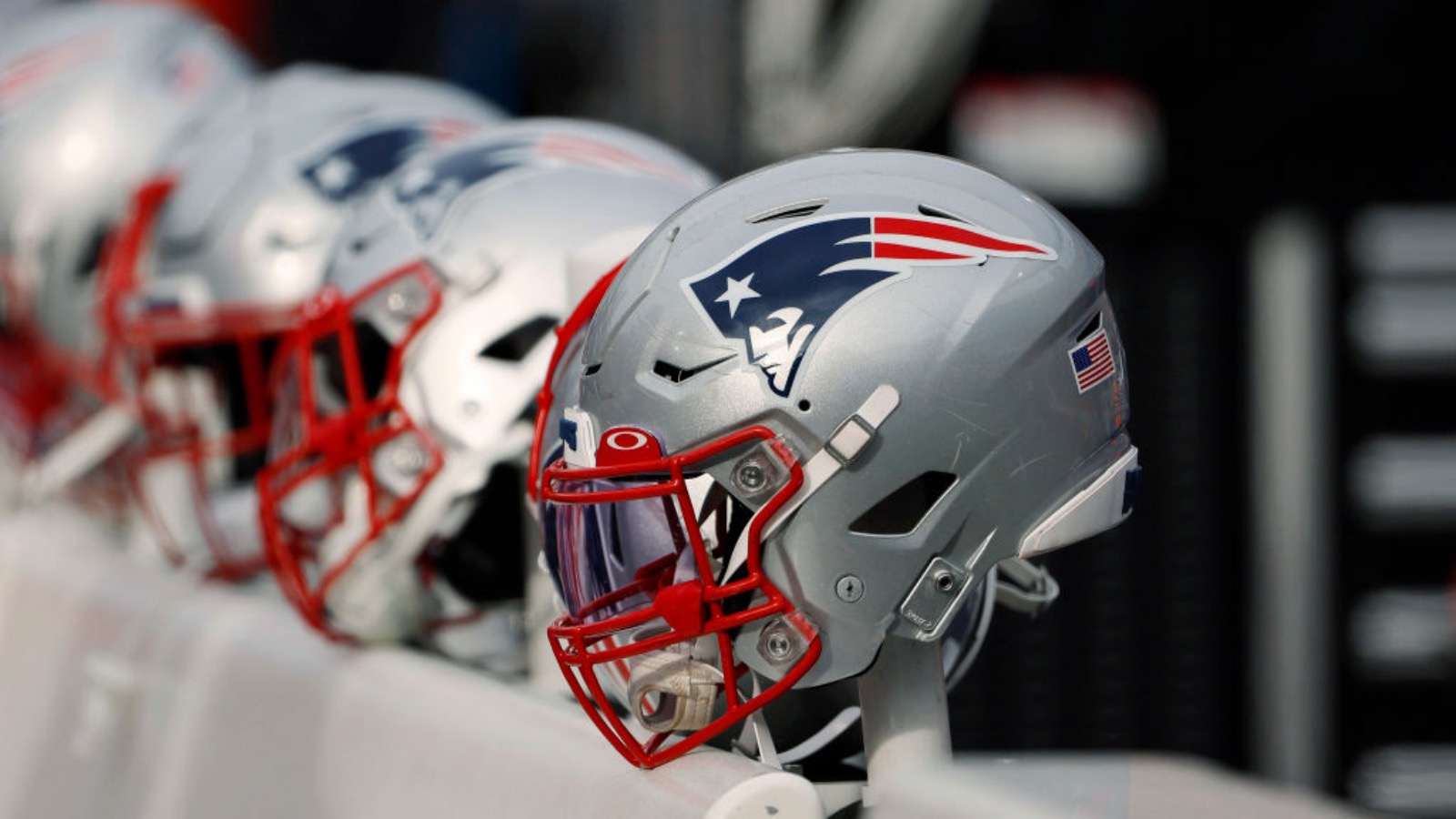
How the New England Patriots Represent the State of Massachusetts
The New England Patriots represent Massachusetts as their primary geographical, legal, and operational home, with their headquarters and Gillette Stadium located in Foxborough. Although the "New England" branding encompasses six states...
The New England Patriots represent Massachusetts as their primary geographical, legal, and operational home, with their headquarters and Gillette Stadium located in Foxborough. Although the "New England" branding encompasses six states to foster regional unity, the franchise is a Massachusetts-based entity that serves as a massive economic driver and cultural cornerstone for the Commonwealth.
Contents
The Historical Foundation: From Boston to the Bay State
The identity of the New England Patriots is inextricably linked to the history of Massachusetts. When the American Football League (AFL) was founded, the team began its journey in 1960 as the Boston Patriots. During their first decade, the team was a nomadic entity within the city of Boston, playing at various venues including Nickerson Field, Fenway Park, Alumni Stadium, and Harvard Stadium. This period established the team's roots firmly within the Massachusetts capital, but the lack of a dedicated modern stadium eventually forced a move that would redefine their regional identity.
In 1971, the franchise moved to a new stadium in Foxborough, a town situated roughly halfway between Boston and Providence, Rhode Island. With this move came a pivotal rebranding effort. The team originally intended to rename themselves the "Bay State Patriots" to honor Massachusetts. However, the NFL rejected this name, leading the organization to adopt the "New England" moniker. This change was strategic, designed to broaden the fan base to include Connecticut, Rhode Island, Vermont, New Hampshire, and Maine, yet the physical and legal heart of the team remained within the borders of Massachusetts.
As of 2026, this historical trajectory continues to define the team's relationship with the state. The transition from a city-centric team to a regional powerhouse allowed the Patriots to maintain their Massachusetts identity while capturing the loyalty of an entire corner of the United States, a feat few other NFL franchises have successfully emulated.
Geographic and Operational Hub: Why Foxborough Matters
While the team carries the name of a six-state region, their physical footprint is exclusively in Massachusetts. The decision to remain in Foxborough for over five decades has cemented the town as the epicenter of New England football. Gillette Stadium, which opened in 2002 and has seen continuous multi-million dollar renovations through 2026, is the crown jewel of this representation.
The operational headquarters, training facilities, and administrative offices are all located within the Patriot Place complex in Foxborough. This concentration of resources means that every facet of the team’s daily existence—from player drafts to executive decision-making—occurs on Massachusetts soil. For the state, this provides a level of prestige and infrastructure that makes Foxborough one of the most recognizable towns in professional sports.
Furthermore, the team's practice fields and the "Crossroads" of the stadium are where the physical labor of the sport happens. Unlike teams that might have headquarters in one state and a stadium in another (such as the New York Giants and Jets, who play in New Jersey), the Patriots have maintained a unified Massachusetts presence. This singular geographic focus ensures that the state remains the primary beneficiary of the team's logistical and operational spending.
Economic Impact on the Commonwealth of Massachusetts
The New England Patriots represent a significant economic engine for the state of Massachusetts. The financial relationship between the team and the Commonwealth is multifaceted, involving tax revenue, job creation, and tourism.
Direct Revenue and Taxation
The Patriots contribute millions of dollars annually to the Massachusetts treasury through various tax channels. This includes:
- Income Tax: All players and staff members pay Massachusetts state income tax on their earnings. Given the high salaries of NFL athletes and executives, this represents a substantial recurring revenue stream for the state.
- Sales and Use Tax: Revenue generated from ticket sales, concessions, and merchandise sold at Gillette Stadium and Patriot Place is subject to state sales tax.
- Property Tax: As a major landholder in Foxborough, the Kraft Group (the team's ownership) pays significant local property taxes that support town services, schools, and infrastructure.
Job Creation and Local Development
The presence of the Patriots in Foxborough led to the development of Patriot Place, a 1.3-million-square-foot entertainment, retail, and medical center. As of 2026, this complex provides thousands of year-round jobs for Massachusetts residents, stretching far beyond the seasonal nature of football games. The development includes major healthcare facilities, such as the Mass General Brigham healthcare center, which serves the local community while benefiting from the team's brand association.
Tourism and Hospitality
On game days, Foxborough becomes a destination for tens of thousands of visitors from across the country. These visitors spend money on hotels in the Greater Boston and Providence areas, dine in Massachusetts restaurants, and utilize state transportation infrastructure. This "multiplier effect" ensures that the economic benefits of the Patriots are felt across the hospitality sector of the entire state.
Comparison of Regional Representation vs. Massachusetts Operations
To understand how the Patriots represent Massachusetts while maintaining a regional name, it is helpful to look at where their various functions are localized.
| Feature | Primary Location | State | Significance |
|---|---|---|---|
| Corporate Headquarters | Foxborough | Massachusetts | Legal and administrative center. |
| Game-Day Venue | Gillette Stadium | Massachusetts | Primary source of state tax and tourism. |
| Training Facilities | Foxborough | Massachusetts | Year-round home for athletes and coaching staff. |
| Hall of Fame/Museum | Patriot Place | Massachusetts | Cultural preservation of team history. |
| Media Distribution | Boston | Massachusetts | Central hub for the Patriots Radio & TV Network. |
| Ownership Group | The Kraft Group | Massachusetts | Massachusetts-based family ownership. |
The "New England" Branding Paradox
The primary question many fans and residents ask is: if the team represents Massachusetts, why use the New England name? The answer lies in the unique cultural and political makeup of the Northeast. The six New England states share a distinct cultural identity that is often more cohesive than other regions of the U.S. By adopting the regional name, the Patriots avoided alienating fans in neighboring states like Rhode Island and New Hampshire, who might have been less inclined to support a "Massachusetts" or "Boston" team.
However, in political and regulatory terms, the team is treated as a Massachusetts entity. When the team seeks infrastructure improvements or enters into public-private partnerships, they deal exclusively with the Massachusetts State House and the Foxborough Board of Selectmen. There is no multi-state compact that governs the team; they are subject to the laws and regulations of the Commonwealth of Massachusetts.
This branding paradox allows the team to have the best of both worlds: a massive, multi-state market for merchandising and broadcasting, coupled with a stable, localized operational base in a state with a robust economy and sophisticated infrastructure.
Community and Charitable Contributions within Massachusetts
The Patriots’ representation of the state extends into the social and philanthropic sectors. The New England Patriots Foundation, established by the Kraft family, focuses heavily on Massachusetts-based initiatives. While they do serve the broader region, a significant portion of their "Community MVP" awards and charitable grants are directed toward non-profits and schools within the Commonwealth.
The team often partners with Massachusetts state agencies for public service announcements, including health initiatives, education drives, and veterans' support programs. During times of state-wide need, such as the recovery efforts following natural disasters or public health crises, the Patriots have historically utilized their resources—including the team plane—to assist Massachusetts residents. This active participation in state welfare reinforces the team's role as a representative of the people of Massachusetts, not just a sports business.
2026 Infrastructure and Future Outlook
As we look at the status of the team in 2026, the commitment to Massachusetts remains stronger than ever. Recent upgrades to the North End of Gillette Stadium, featuring the largest outdoor high-definition video board in the country and an enhanced lighthouse structure, have further modernized the facility. These investments signify a long-term commitment to keeping the team in Foxborough for decades to come.
There have been no credible discussions of moving the team or rebranding to a different state. The synergy between the Patriots and the Massachusetts government regarding transportation—specifically the expansion of seasonal rail service from Boston and Providence to Foxborough—demonstrates a shared vision for the future. The team is no longer just a tenant of the state; they are a permanent pillar of its physical and economic landscape.
Frequently Asked Questions
Does the state of Massachusetts own Gillette Stadium?
No, Gillette Stadium is one of the few NFL stadiums that was almost entirely privately financed. The Kraft Group, led by Robert Kraft, funded the construction of the stadium, which opened in 2002. While the state of Massachusetts contributed to infrastructure and site preparation (such as highway ramps and utility work), the facility itself is privately owned and operated.
Why didn't the team keep the name "Boston Patriots"?
The name was changed in 1971 to reflect the move from the city of Boston to the town of Foxborough. The ownership at the time wanted to appeal to a broader regional audience to increase ticket sales and television revenue. By choosing "New England," they successfully claimed an entire geographic region as their "home market," which is a significant advantage in NFL territorial rights.
Do other New England states provide tax breaks to the Patriots?
Generally, no. Since the team’s physical operations and employees are based in Massachusetts, they do not receive tax incentives or subsidies from states like Vermont or Maine. The team's relationship with other New England states is primarily commercial and promotional rather than legal or fiscal.
How does the team represent Massachusetts in the NFL’s structure?
In the NFL's official records and voting sessions, the New England Patriots are categorized as a Massachusetts-based club. They are part of the Boston media market, which is the 9th largest in the United States as of 2026. Their "home territory" for broadcasting purposes is centered in Boston and extends throughout the Commonwealth and neighboring states.
Are there any other professional teams that represent a whole region while being based in one state?
Yes, this is a common strategy in professional sports. For example, the Minnesota Twins (MLB) and Minnesota Vikings (NFL) represent an entire state/region while playing in Minneapolis. The Golden State Warriors (NBA) rebranded from San Francisco to represent the whole state (and later moved back to SF while keeping the name). The Patriots are unique because they are named after an entire multi-state region rather than just a single state.
Practical Recommendation for Fans and Visitors
For those looking to experience how the Patriots represent Massachusetts, a visit to The Hall at Patriot Place is highly recommended. It provides a comprehensive look at the team’s evolution from its Boston roots to its current Foxborough home. If you are traveling for a game in 2026, utilize the MBTA Patriot Train, which offers direct service from North Station and South Station in Boston, as well as from Providence. This service is a direct result of the team’s ongoing partnership with the Massachusetts Department of Transportation.
Image Gallery