Why the Right Solar Panel Installation Kit Matters for Homeowners
Selecting the right solar panel installation kit ensures that all components—panels, inverters, and mounting hardware—are electronically and structurally compatible. A well-matched kit maximizes energy harvest, guarantees adherence to...
Selecting the right solar panel installation kit ensures that all components—panels, inverters, and mounting hardware—are electronically and structurally compatible. A well-matched kit maximizes energy harvest, guarantees adherence to safety codes like NEC 2026, and protects long-term warranties, ultimately determining the system's return on investment and the home's structural integrity.
Contents
The Evolution of Solar Installation Kits in 2026
By 2026, the residential solar market has shifted from "piecemeal" assemblies to highly integrated, pre-engineered solar panel installation kits. In the past, homeowners or small-scale contractors often sourced panels from one manufacturer, inverters from another, and racking systems from a third. This fragmented approach frequently led to "orphan systems" where components did not communicate effectively or, worse, created safety hazards due to mismatched electrical tolerances.
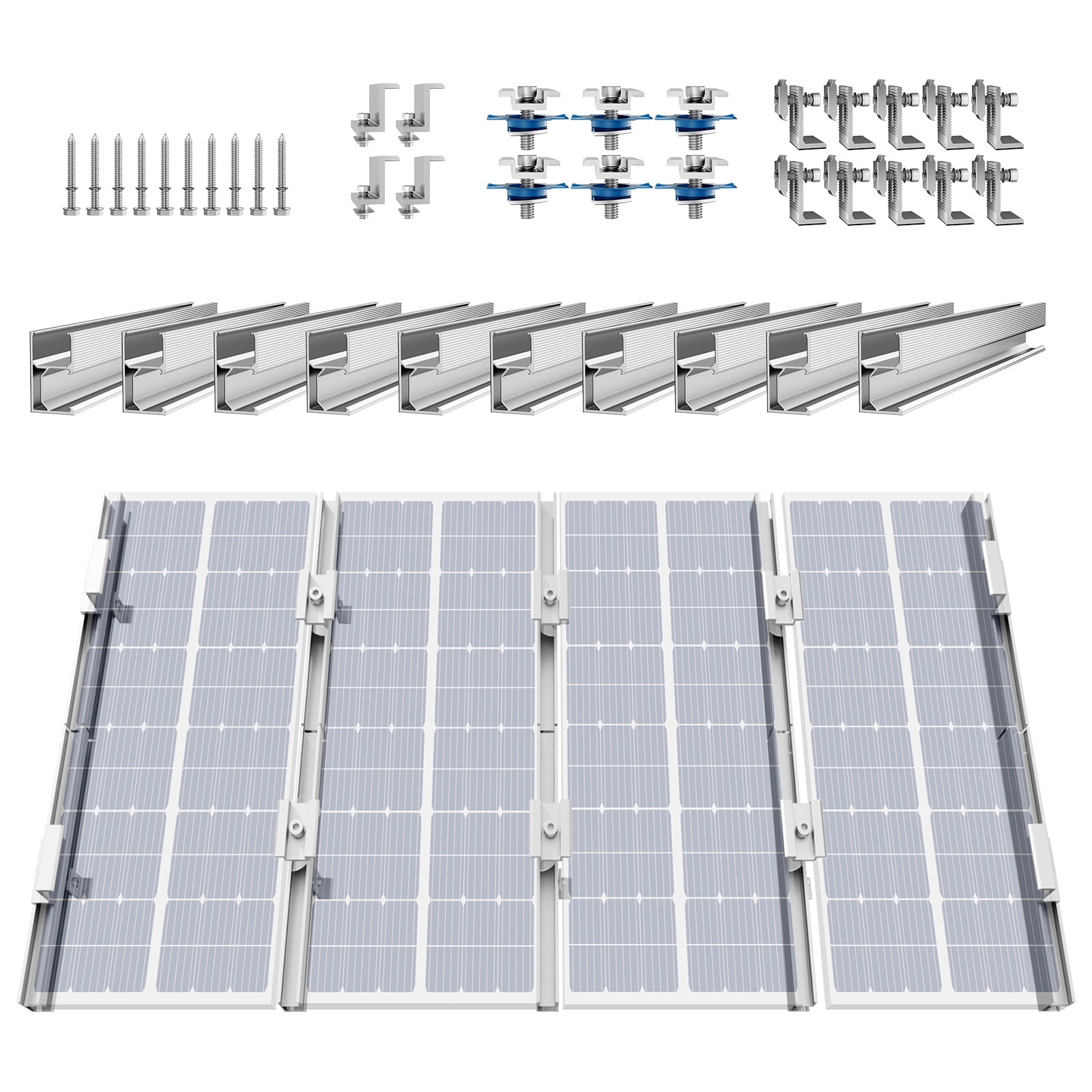
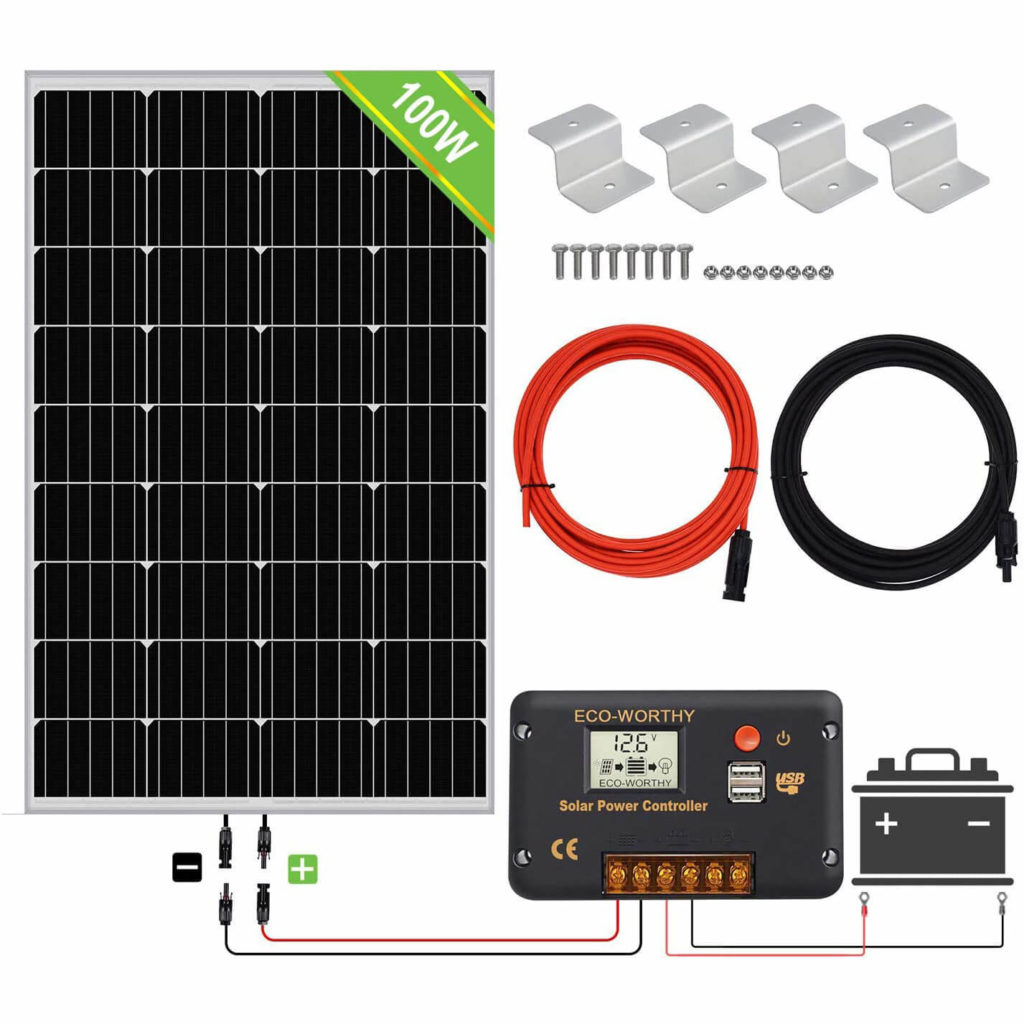
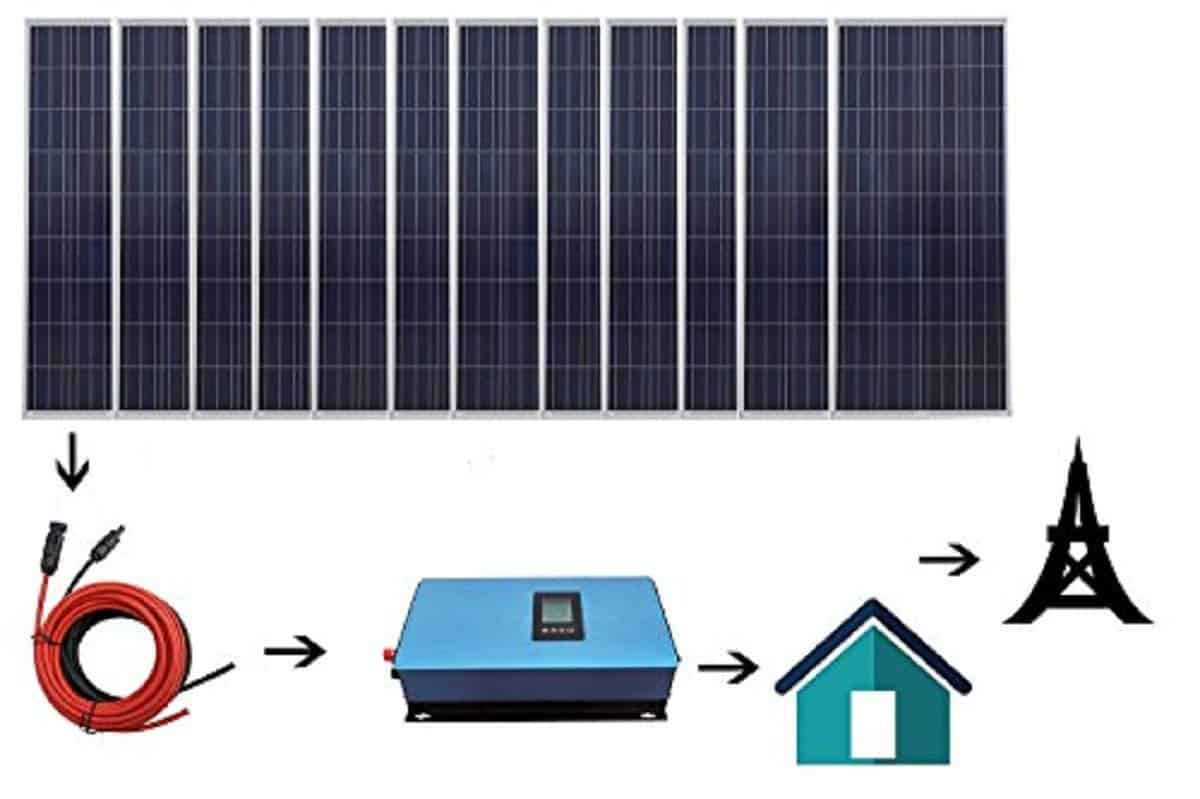
Today’s installation kits are designed as holistic ecosystems. These kits typically include photovoltaic (PV) modules, power electronics (microinverters or string inverters with optimizers), mounting rails, roof attachments, and the necessary balance of system (BOS) components like wiring and disconnects. The primary reason the "right" kit matters is the elimination of technical guesswork. When a manufacturer or a specialized distributor builds a kit, they verify that the maximum power point tracking (MPPT) voltage range of the inverter perfectly matches the output characteristics of the panels under various temperature conditions.
Component Compatibility and System Efficiency
The heart of why a specific kit matters lies in electrical synchronization. Photovoltaic panels do not produce a steady stream of electricity; their output fluctuates based on irradiance and cell temperature. If a homeowner chooses an inverter that is undersized for the kit’s total wattage, the system will experience "clipping," where excess energy produced during peak sunlight is simply lost. Conversely, an oversized inverter may never reach its "startup voltage" during low-light conditions, rendering the system inactive during the morning and evening hours.
In 2026, most high-end kits utilize N-type TOPCon or HJT (Heterojunction Technology) cells, which offer higher efficiency and lower degradation rates than the older PERC technology. The right kit ensures that the power electronics are rated for these higher-current modules. Using legacy inverters with modern high-efficiency panels can lead to thermal stress and premature component failure. Furthermore, the "right" kit includes optimized cabling with proper gauge thickness to minimize voltage drop—a technical detail that, if ignored, can reduce total system output by 3% to 5% over the life of the system.
Structural Integrity and Weather Resilience
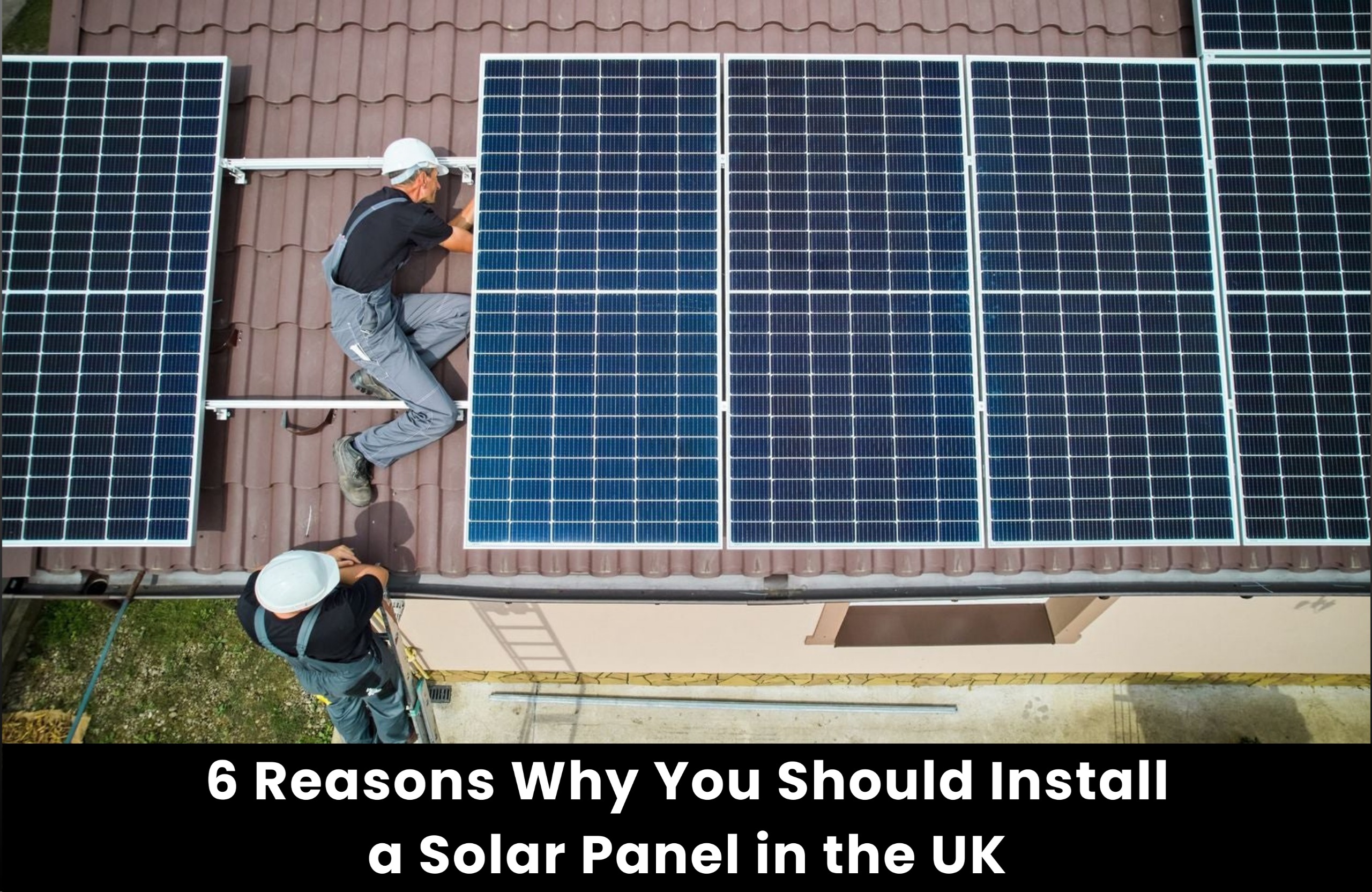
A solar installation is not just an electrical project; it is a structural modification to a home. The mounting and racking components included in a kit are responsible for keeping panels secured during high-wind events and heavy snow loads. The right kit provides racking that is specifically engineered for the homeowner’s specific roof type, whether it be asphalt shingle, standing seam metal, or clay tile.
The Importance of Flashing and Sealants
One of the most common failures in residential solar is not electrical, but structural: roof leaks. High-quality installation kits prioritize "flashing" systems. These are the metal plates that slide under shingles to ensure water flows over the mounting point rather than into the roof deck. Lower-quality or "universal" kits often rely on chemical sealants alone, which can degrade under UV exposure over 10–15 years. In 2026, industry standards demand integrated flashing systems that are tested to withstand 110+ mph winds and torrential rain, preserving the 25-year lifespan of the roof alongside the panels.
Safety Standards and Regulatory Compliance
Electrical safety is the most critical argument for selecting a certified, high-quality kit. The National Electrical Code (NEC), specifically the 2023 and 2026 revisions, mandates stringent "Rapid Shutdown" requirements for residential rooftop solar. This safety feature allows first responders to de-energize the solar array at the module level within seconds, reducing the risk of electric shock during a fire.
The right solar panel installation kit includes rapid shutdown devices (RSD) that are factory-tested with the inverters. Mixing brands of RSDs and inverters can lead to "nuisance tripping" or, in worst-case scenarios, a failure to shut down when triggered. Furthermore, the kits ensure that all connectors—typically MC4 or compatible variants—are of the same manufacture. Mixing different brands of connectors, even if they appear to fit together, is a leading cause of arc faults and rooftop fires due to microscopic gaps that cause electrical resistance and heat buildup.
| Feature | Low-Quality/Generic Kit | High-Quality Integrated Kit |
|---|---|---|
| Component Matching | Manual calculation required; high risk of clipping. | Pre-matched for optimal MPPT voltage and current. |
| Rapid Shutdown | May require external, third-party hardware. | Built-in or factory-validated RSD components. |
| Racking/Mounting | Universal/Generic; may lack specific roof flashing. | Engineered for specific roof types and wind loads. |
| Warranty | Fragmented (separate claims for every part). | Unified or coordinated "system-level" warranty. |
| Monitoring | Basic or non-existent. | App-based, per-panel performance tracking. |
| Connector Type | Mixed-brand "MC4-compatible" (Fire risk). | Genuine, matched-manufacturer connectors. |
The Role of Smart Monitoring and Software
In the 2026 energy landscape, a solar kit is also a data product. The right kit includes a gateway or communication hub that provides module-level monitoring. This allows homeowners to see exactly how much energy each individual panel is producing via a smartphone app.
Why does this matter? Without module-level data, a homeowner might not realize that a single panel has failed or is being shaded by a neighbor's new chimney until they receive a surprisingly high utility bill. The right kit integrates the software and hardware seamlessly, often allowing for remote firmware updates to the inverters and automated alerts to the manufacturer if a technical anomaly is detected. This level of proactive maintenance is only possible when the components are designed to work within the same digital architecture.
Warranty Protection and Asset Value
A residential solar system is a 25-year investment. However, a warranty is only as good as the company's ability to honor it and the homeowner's ability to prove proper installation. High-quality kits often come with "bumper-to-bumper" system warranties or, at the very least, coordinated warranties where the racking, panels, and inverters are guaranteed to work together.
If a homeowner uses a mismatched kit and a failure occurs, manufacturers often engage in "finger-pointing." The inverter company may claim the panel’s voltage spikes caused the failure, while the panel company claims the inverter’s lack of protection was at fault. A pre-engineered kit eliminates this risk by providing a documented compatibility path. Furthermore, for homeowners looking to increase their property value, having a "branded" system with a single point of technical contact is much more attractive to future buyers and home inspectors than a DIY-style assembly of various parts.
Financial Impact and Return on Investment (ROI)
While a high-quality solar panel installation kit may have a higher upfront cost, its impact on ROI is significant. Efficiency gains of even 2% or 3% through better inverter matching and lower-resistance wiring add up to thousands of kilowatt-hours over two decades.
In 2026, federal and state incentives, such as the Residential Clean Energy Credit, often require proof that the system meets specific UL (Underwriters Laboratories) certifications. The right kit comes with all necessary UL certifications (like UL 1741 for inverters and UL 3741 for racking) pre-packaged. This simplifies the permitting process with local Authorities Having Jurisdiction (AHJ) and ensures the homeowner qualifies for the maximum possible tax credits and RECs (Renewable Energy Certificates).
Common Pitfalls of Choosing the Wrong Kit
Homeowners are often tempted by "warehouse clearance" kits that promise high wattage at low prices. However, these kits frequently contain:
- Discontinued Inverters: Models that no longer receive software updates or are incompatible with 2026 grid-tie standards.
- Substandard Racking: Rails that are not anodized for coastal environments, leading to corrosion within five years.
- Missing "Small" Parts: Crucial items like grounding lugs, wire clips, and end-caps that, when sourced separately, can delay a project by weeks.
- Poor Documentation: Inadequate manuals that lead to installation errors, potentially voiding the homeowner's insurance policy in the event of a roof or electrical claim.
FAQs
Can I add more panels to my kit later?
While it is possible, it is significantly more difficult if the original kit was not designed for expansion. The right kit for an "expandable" system will include an inverter or microinverter string capacity that allows for additional "plug-and-play" modules. If the inverter is already at its maximum capacity, you would need to replace it entirely to add even one more panel.
Is a DIY solar kit installation legal in 2026?
Yes, in most jurisdictions, homeowners can legally install solar, but they must still obtain building and electrical permits. The right kit matters here because it includes the "Permit Pack"—the technical drawings and specification sheets that the local building department requires for approval. Without these, the permitting process can become a costly engineering hurdle.
Do all kits include battery storage?
Not all, but in 2026, "Hybrid Kits" are becoming the standard. These include a battery-ready inverter. If you choose a kit that is not "storage-ready," adding a battery later will require an expensive "AC-coupling" process or replacing your inverter. Choosing a hybrid kit from the start is much more cost-effective.
How do I know if a kit is compatible with my roof?
The right kit manufacturer will offer different mounting options based on your roof material. For example, a kit for a "comp-shingle" roof must include flashing, whereas a kit for a "standing seam" metal roof will use specialized clamps that do not penetrate the metal. Always verify the mounting hardware matches your specific roof profile before purchasing.
What is the most common failure point in cheap solar kits?
The most frequent failures occur at the electrical connections and roof penetrations. Cheap kits often use low-grade plastic junction boxes and non-UV-rated wire ties that brittle and break, leading to dangling wires that can rub against the roof, short-circuit, and cause a fire.
Practical Recommendation
For homeowners in 2026, the most prudent path is to select a pre-engineered, Tier-1 integrated solar kit that features microinverters or power optimizers. This setup ensures that if one panel is shaded or fails, the rest of the system continues to produce power at peak efficiency. Ensure the kit is "Battery-Ready" (Hybrid) even if you do not plan to install a battery immediately, as this preserves your options for future energy independence. Finally, always verify that the racking system includes an integrated flashing solution to protect your home's structural integrity.
Image Gallery