The Comprehensive Kit Manager Overview: Essential Systems and Operational Strategies
A kit manager is a specialized role or system responsible for the procurement, maintenance, organization, and distribution of essential equipment within professional organizations. Whether in sports, film, or emergency services, the ki...
A kit manager is a specialized role or system responsible for the procurement, maintenance, organization, and distribution of essential equipment within professional organizations. Whether in sports, film, or emergency services, the kit manager ensures operational readiness by tracking asset lifecycles, managing logistics, and maintaining strict inventory accuracy through advanced tracking technologies and strategic planning.
Contents
The Evolution of Kit Management
As of 2026, the concept of kit management has transitioned from a purely administrative or manual labor task into a sophisticated logistical discipline. Historically, a "kit man" in a sports context was largely responsible for laundry and basic gear transport. Today, the role of a Kit Manager—and the software systems designed to support them—encompasses data analytics, international supply chain management, and sustainable asset disposal.
In high-stakes environments like professional football leagues, film production sets, or rapid-response medical units, the "kit" represents the lifeblood of the operation. If the kit is incomplete, the operation stalls. This overview examines the multifaceted nature of kit management, focusing on the professional responsibilities, the technological infrastructure required, and the strategic importance of inventory precision.
Core Responsibilities of a Professional Kit Manager
The modern kit manager operates at the intersection of logistics and personal service. While the specific daily tasks may vary depending on whether they are working for a Premier League team or a Hollywood production house, the fundamental pillars of the role remain constant.
Inventory Control and Procurement
The foundation of kit management is knowing exactly what is in stock, what is in use, and what needs to be ordered. This involves maintaining a "living" database of items. Procurement is not just about buying more gear; it involves negotiating with suppliers, ensuring that custom-branded equipment meets strict quality standards, and managing lead times so that replacements arrive before the current stock is depleted. In 2026, many kit managers use predictive analytics to forecast gear failure or depletion based on historical usage patterns.
Logistics and Deployment
Moving a kit from point A to point B is often the most complex part of the job. For international sports teams or film crews, this involves managing "carnets" (customs documents for temporary exportation) and ensuring that sensitive electronics or specialized apparel are stored in climate-controlled environments during transit. The kit manager must plan for every contingency, from lost luggage to sudden weather changes requiring a completely different set of equipment.
Maintenance and Compliance
Equipment must be kept in peak condition to ensure performance and safety. This includes regular cleaning, repair of technical fabrics, and safety inspections of protective gear. Compliance is also a significant factor; for instance, in professional sports, kits must adhere to strict league regulations regarding logo placement, color contrasts, and sponsorship visibility. Failure to comply can result in heavy fines or disqualification.
Essential Technology and Tools in 2026
The shift toward digital transformation has introduced a variety of tools that have replaced the traditional clipboard and spreadsheet. Modern kit management relies on an integrated stack of hardware and software.
RFID and IoT Tracking
Radio Frequency Identification (RFID) tags are now standard in high-value kits. By embedding small, durable tags into clothing and equipment, kit managers can perform "bulk scans" of entire containers. Instead of counting 50 individual jerseys, a handheld scanner can verify the presence of all items in seconds. Internet of Things (IoT) sensors are also used for high-value assets, providing real-time GPS location data and even monitoring the temperature and humidity of equipment cases.
Cloud-Based Management Software
Centralized software acts as the "single source of truth." These platforms allow multiple stakeholders—coaches, equipment manufacturers, and logistics partners—to view inventory levels in real-time. In 2026, these systems often integrate directly with shipping providers like DHL or FedEx to automate tracking and customs documentation.
Comparative Overview of Kit Management Systems
The following table compares the different tiers of kit management approaches currently utilized in various industries.
| Feature | Manual/Legacy Systems | Professional Digital Suites | AI-Integrated Enterprise Systems |
|---|---|---|---|
| Tracking Method | Spreadsheets & Checklists | QR Codes & Barcodes | RFID, IoT & Computer Vision |
| Accuracy | High human error risk | Moderate to High | Near-perfect (99.9%) |
| Scalability | Low (Difficult for large teams) | High (Multi-location support) | Maximum (Global logistics) |
| Cost | Low initial, high labor cost | Moderate subscription fees | High initial setup, low labor |
| Predictive Alerts | None (Reactive) | Basic threshold alerts | AI-driven lifecycle forecasting |
| Integration | None | Limited API support | Full ERP & Logistics integration |
Kit Management Across Different Industries
While the principles are similar, the application of kit management varies significantly between niches. Understanding these nuances is vital for anyone entering the field or looking to implement a new system.
Professional Sports
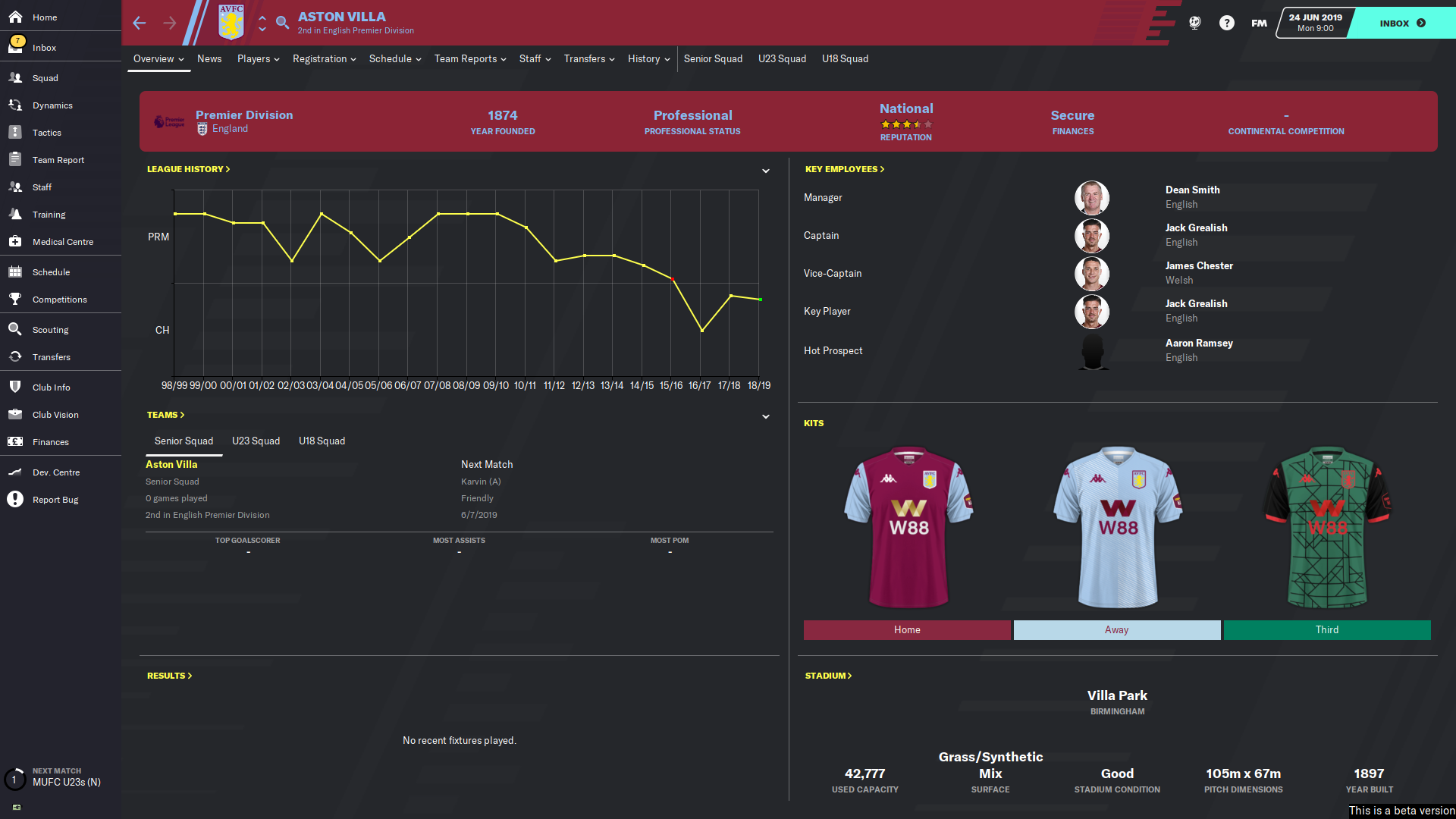
In the world of elite sports, the kit manager is a vital member of the backroom staff. They manage "home," "away," and "third" kits, along with training wear and specialized footwear. A significant part of the role in 2026 involves managing the "player-specific" kit—ensuring that every athlete has their preferred gear, customized to their biometric data. The kit manager also coordinates with laundry services to ensure rapid turnaround between matches.
Film and Media Production
Production kit management is focused on high-value technical assets: cameras, lenses, lighting, and audio gear. Here, the kit manager (often referred to as an Equipment Manager or Rental Manager) must track the maintenance history of every item. A single malfunctioning lens can cost a production tens of thousands of dollars per hour in delays. These managers prioritize "checkout" and "check-in" procedures to ensure that equipment is returned in the same condition it left.
Emergency Services and Healthcare
In medical and rescue contexts, kit management is a matter of life and death. Managers are responsible for "crash carts," trauma bags, and specialized rescue gear. The focus here is on sterility and expiration dates. Modern systems in 2026 use automated dispensers and smart lockers that notify the manager immediately when an item is removed or when a sterile seal is broken.
Strategic Implementation: How to Set Up a Kit Management System
If you are tasked with establishing or upgrading a kit management workflow, a structured approach is necessary to ensure long-term viability.
- Audit Existing Assets: Before implementing software, you must conduct a physical count of every item. This is the time to discard damaged goods and standardize naming conventions for all gear.
- Define Asset Lifecycles: Determine how long each piece of equipment is expected to last. For example, a professional match ball may only have a "life" of two games, while a heavy-duty equipment trunk might last ten years.
- Select the Right Hardware: Decide between barcodes, QR codes, or RFID. For high-volume apparel, RFID is superior; for low-volume, high-value electronics, GPS-enabled IoT tags may be better.
- Establish Standard Operating Procedures (SOPs): Create clear rules for how items are checked out, how damage is reported, and who has the authority to approve new purchases.
- Training and Onboarding: A system is only as good as the people using it. Ensure that all staff members—from the head of logistics to the junior interns—understand how to use the scanning hardware and software.
Common Challenges and Troubleshooting
Even with the best systems, kit managers face recurring obstacles. Being prepared for these challenges is what distinguishes a professional operation.
- Shrinkage and Loss: Items inevitably go missing. The best way to combat this is through "checkpoint scanning," where gear is scanned every time it moves through a doorway or onto a vehicle.
- Data Silos: If the kit management software doesn't talk to the finance or travel software, errors will occur. Ensuring full API integration between systems is a priority in 2026.
- Wear and Tear: Technical fabrics and high-end electronics degrade at different rates. Regular "stress tests" of equipment should be scheduled during the off-season or downtime to identify potential failures before they happen in the field.
The Role of Sustainability in 2026
A major shift in recent years is the focus on the "circular economy." Kit managers are now responsible for the ethical disposal of equipment. In professional sports, this might involve recycling old jerseys into new textiles or donating used (but safe) gear to grassroots organizations. In the tech sector, it means ensuring that lithium batteries and electronic components are recycled according to strict environmental regulations. Modern kit management software now includes modules to track the "carbon footprint" of the equipment lifecycle, from manufacturing to final disposal.
Frequently Asked Questions
What is the difference between an equipment manager and a kit manager?
In many contexts, the terms are used interchangeably. However, "kit manager" is more common in European sports (soccer, rugby), while "equipment manager" is the preferred term in North American sports and industrial settings. In film and TV, "equipment manager" usually refers to those handling technical gear, while a "wardrobe supervisor" handles the apparel kit.
Do I need specialized software for small-scale kit management?
If you are managing assets for a small team or a single production, a well-organized spreadsheet or a basic asset-tracking app may suffice. However, once you exceed 200 individual items or have multiple people checking gear in and out, the risk of human error makes professional kit management software a necessary investment to prevent loss.
How does RFID tracking work for clothing?
Modern RFID tags for kits are small, flexible, and "washable." They are typically sewn into the hem or a hidden pocket of the garment. These tags can withstand hundreds of high-temperature wash cycles and industrial drying. The kit manager uses a "gate" or a handheld reader to scan the tags without needing a direct line of sight.
What are the most common mistakes in kit management?
The most frequent mistake is failing to update the inventory in real-time. If an item is damaged on a Friday but not logged until Monday, the system shows "available" stock that doesn't actually exist, leading to operational failures. Another common error is failing to account for "consumables"—items like tape, medical supplies, or batteries that are used up and not returned.
How do kit managers handle international customs?
Professional kit managers use an ATA Carnet, often called a "Passport for Goods." This international customs document allows the temporary importation of equipment into over 80 countries without paying duties or taxes. The kit manager must ensure every item listed on the carnet is physically present during customs inspections at both departure and arrival.
Practical Recommendation
To optimize your kit management in 2026, begin by migrating all manual records to a cloud-based platform that supports RFID integration. Focus on establishing a "cradle-to-grave" tracking system where every item is logged the moment it is ordered and tracked until it is recycled or sold. By prioritizing data accuracy and leveraging automated tracking, you reduce overhead costs, eliminate "lost gear" expenses, and ensure your organization is always ready for peak performance.
Image Gallery