Thomas Roof: The Architecture of Smart Home Integration and Installation
Thomas Roof is a prominent architect and smart home integration specialist known for pioneering the "invisible technology" philosophy within luxury residential design. His approach treats home automation not as an after-market addition...
Thomas Roof is a prominent architect and smart home integration specialist known for pioneering the "invisible technology" philosophy within luxury residential design. His approach treats home automation not as an after-market addition, but as a core structural element, ensuring that lighting, audio-visual, and climate systems are seamlessly embedded into the home's architectural fabric for maximum functionality and aesthetic purity.
Contents
The Philosophy of Thomas Roof in Smart Home Design
In the landscape of 2026, the role of a smart home installer has shifted from a mere technician to a holistic designer. Thomas Roof, through his work at TRG Architects and related consultancy, has championed the idea that technology should serve the occupant without cluttering the visual environment. This "invisible" approach is the hallmark of high-end installation, where the complexity of the system is hidden behind elegant interfaces or automated routines.
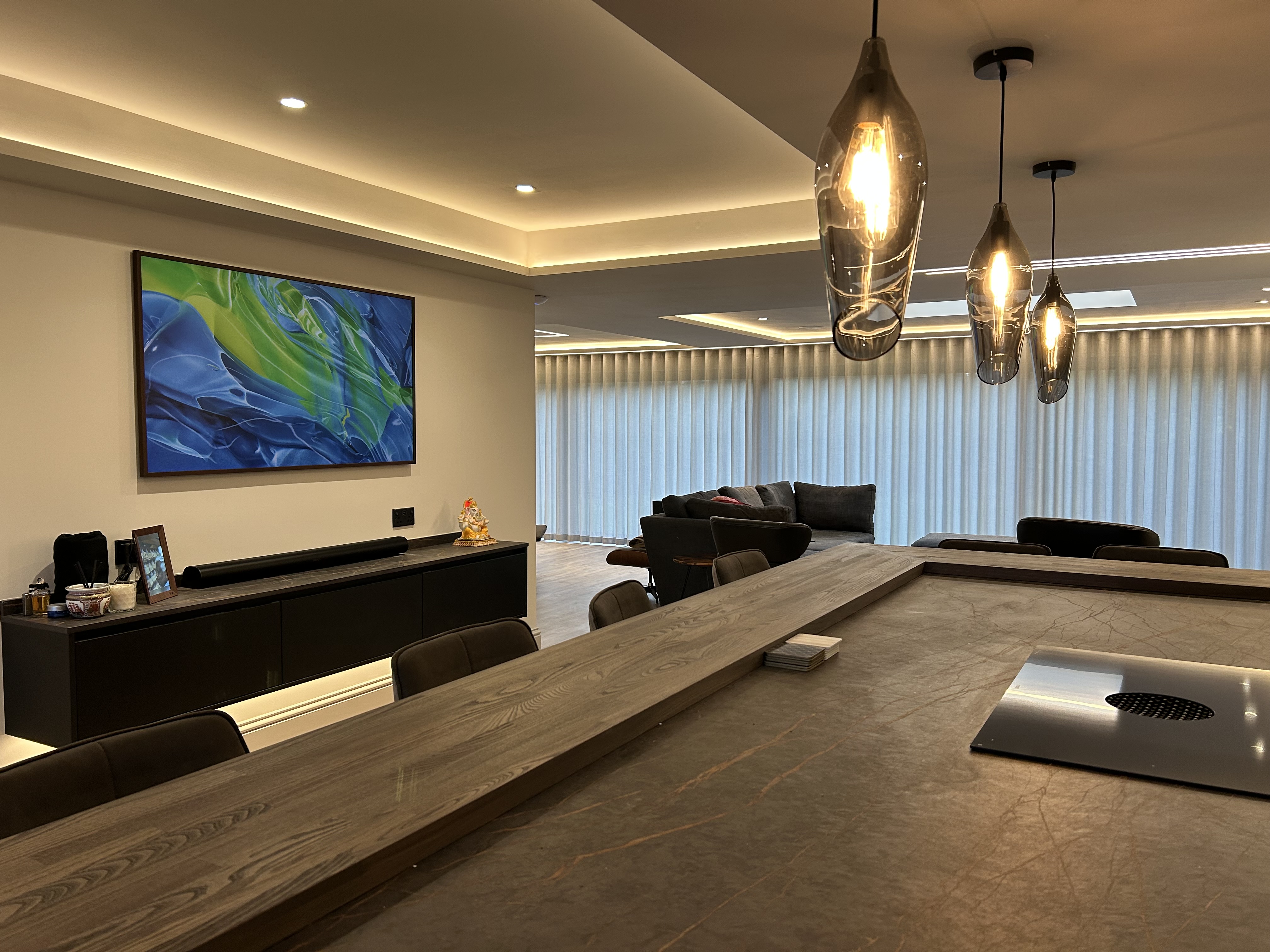
Traditional smart home setups often suffer from "wall acne"—a proliferation of mismatched switches, thermostats, and touchscreens. The Roof methodology prioritizes centralized control, where a single, minimalist keypad or a voice-activated array replaces banks of plastic switches. By integrating the installation phase into the initial architectural drawings, Roof ensures that infrastructure requirements, such as rack space, cooling for AV equipment, and low-voltage paths, are accounted for before construction begins.
Core Components of a Thomas Roof Installation
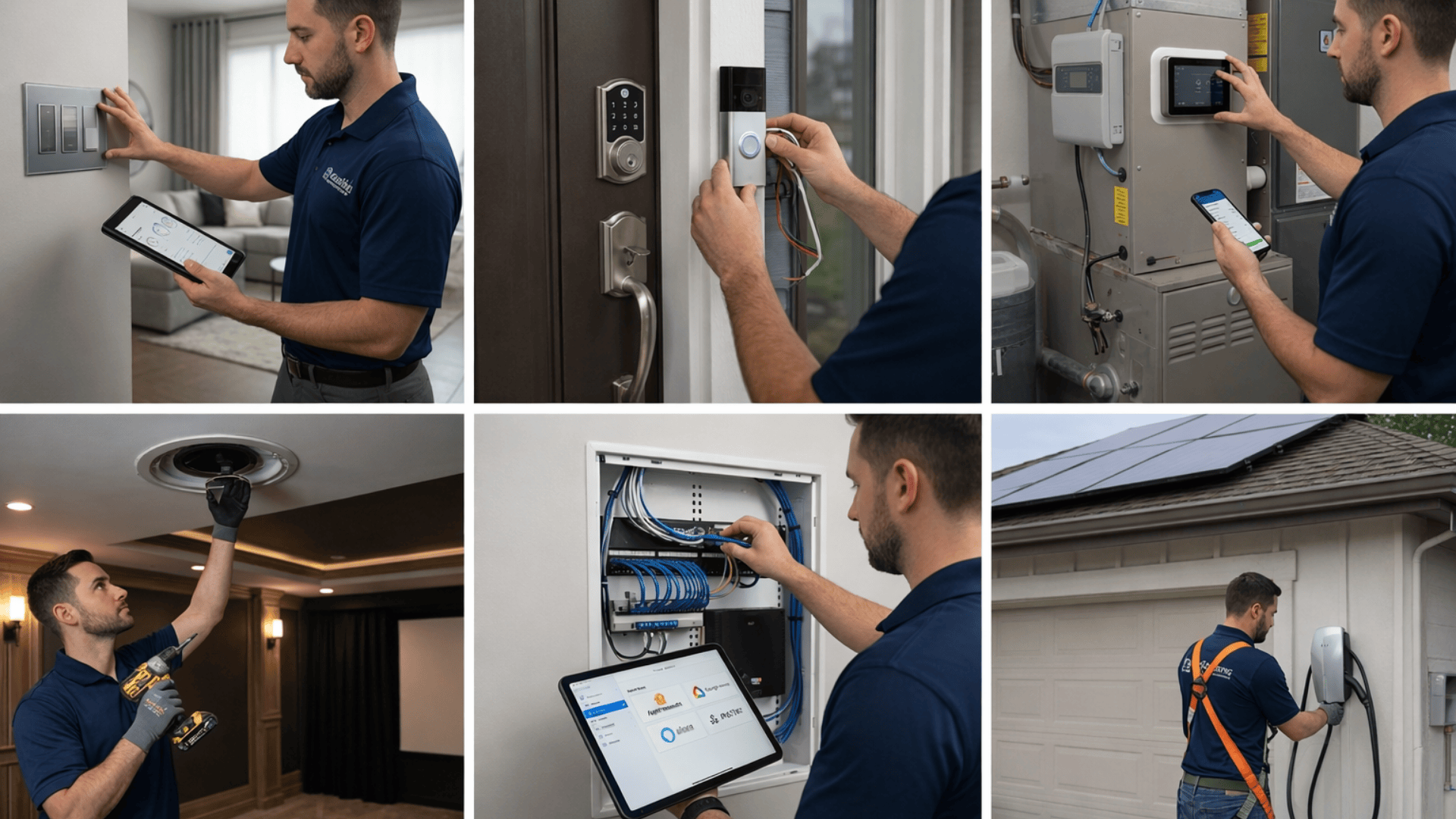
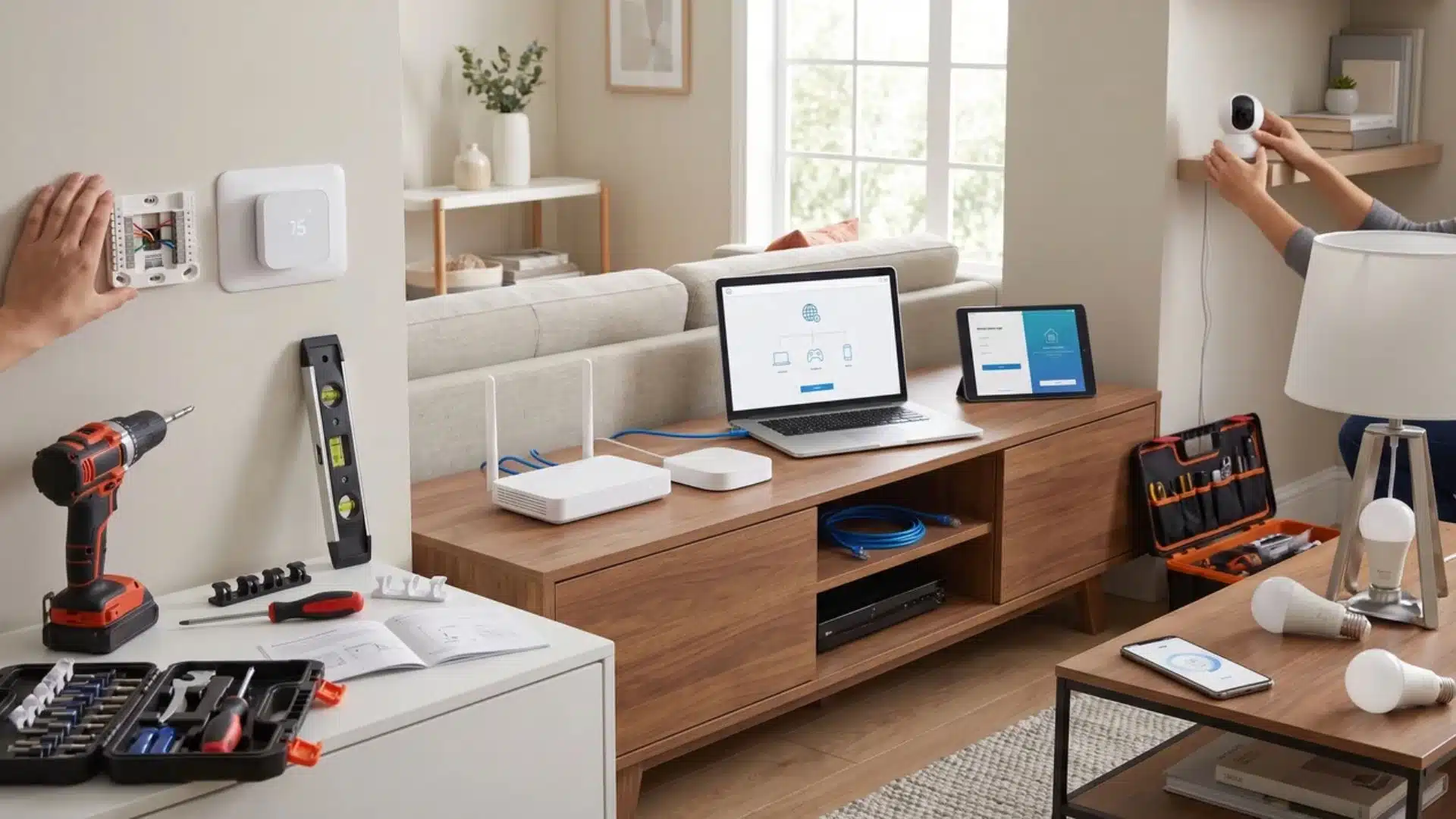
Professional-grade smart home installation involves several critical layers that distinguish it from consumer-grade "plug-and-play" devices. When analyzing the standards set by industry leaders like Thomas Roof, several technical pillars emerge.
1. Advanced Lighting and Shading Control
Lighting is the most impactful element of any smart home. High-end installations utilize systems like Lutron HomeWorks or Crestron Home to manage both artificial and natural light. In 2026, this extends beyond simple dimming to "circadian rhythm" programming, which adjusts the color temperature of indoor LED lighting to match the sun's progression throughout the day, supporting the occupants' biological health.
2. Distributed Audio and Invisible Sound
Unlike standard bookshelf speakers, a bespoke installation uses architectural speakers—often completely invisible models that are plastered over and painted to match the walls. Brands like Sonance or Nakymatone provide high-fidelity sound without a single visible wire or grill. Thomas Roof’s projects frequently feature multi-zone audio systems that allow different high-resolution streams to play in every room, controlled by a centralized media server.
3. Integrated Climate and Air Quality
Smart thermostats have evolved into comprehensive HVAC management systems. A professional installer ensures that the home's heating, cooling, and air filtration systems work in tandem. In modern luxury homes, this includes monitoring CO2 levels and Volatile Organic Compounds (VOCs), with the system automatically increasing fresh air intake when air quality dips below a specific threshold.
The Technical Infrastructure: Why Wiring Still Matters in 2026
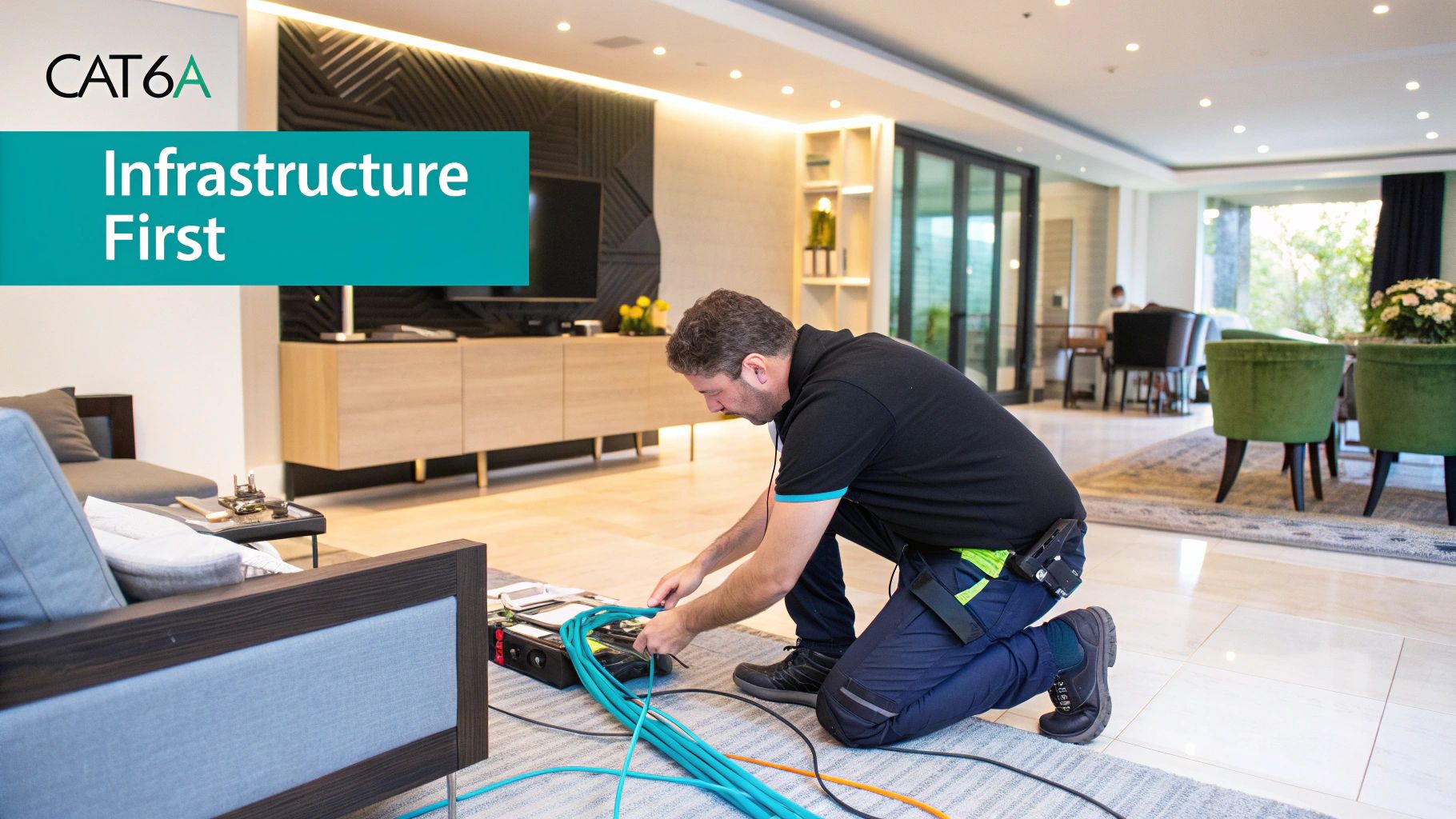
Despite the proliferation of wireless protocols like Matter and Thread, professional installers like Thomas Roof continue to rely heavily on physical wiring for the backbone of a smart home. A robust installation typically utilizes a mix of Category 6A (Cat6A) cabling and fiber optics.
- Reliability: Wired connections are not subject to the interference or congestion that can plague Wi-Fi networks in dense residential areas.
- Power over Ethernet (PoE): Many devices, including security cameras, touchpanels, and even some lighting fixtures, can be powered directly through a data cable, reducing the need for localized power outlets.
- Latency: For high-end audio and 8K video distribution, zero latency is essential. Only a hardwired 10Gbps or faster network can provide the necessary bandwidth for uncompressed media.
In 2026, the "brain" of the home is usually housed in a dedicated, climate-controlled AV rack. This centralized approach allows for easier maintenance and upgrades, as the core processors and amplifiers are kept in one location rather than being scattered throughout the house.
Comparing Smart Home Installation Tiers
To understand where a Thomas Roof-style installation fits into the market, it is helpful to compare it to other levels of home automation.
| Feature | DIY (Consumer Grade) | Prosumer (Mid-Tier) | Luxury Custom (Thomas Roof Level) |
|---|---|---|---|
| Primary Platform | Amazon Alexa, Google Home | Control4, Savant | Crestron, Lutron HomeWorks |
| Connectivity | Mostly Wi-Fi / Bluetooth | Mixed Zigbee / Wired | Hardwired Bus / Fiber Backbone |
| Design Integration | Visible devices and wires | In-wall speakers, hidden wires | Fully invisible tech, bespoke finishes |
| Security | Cloud-dependent cameras | Local NVR storage | Enterprise-grade encryption & offline ops |
| Maintenance | Self-managed | Dealer-supported | 24/7 Remote Monitoring & Management |
| Scalability | Limited by Wi-Fi bandwidth | Up to 100+ devices | Unlimited; multi-dwelling capable |
The Role of CEDIA Standards in Professional Installations
Thomas Roof and other top-tier installers adhere to the standards set by CEDIA (Custom Electronic Design and Integration Association). These standards govern everything from cable labeling and rack ventilation to the specific angles for home cinema seating.
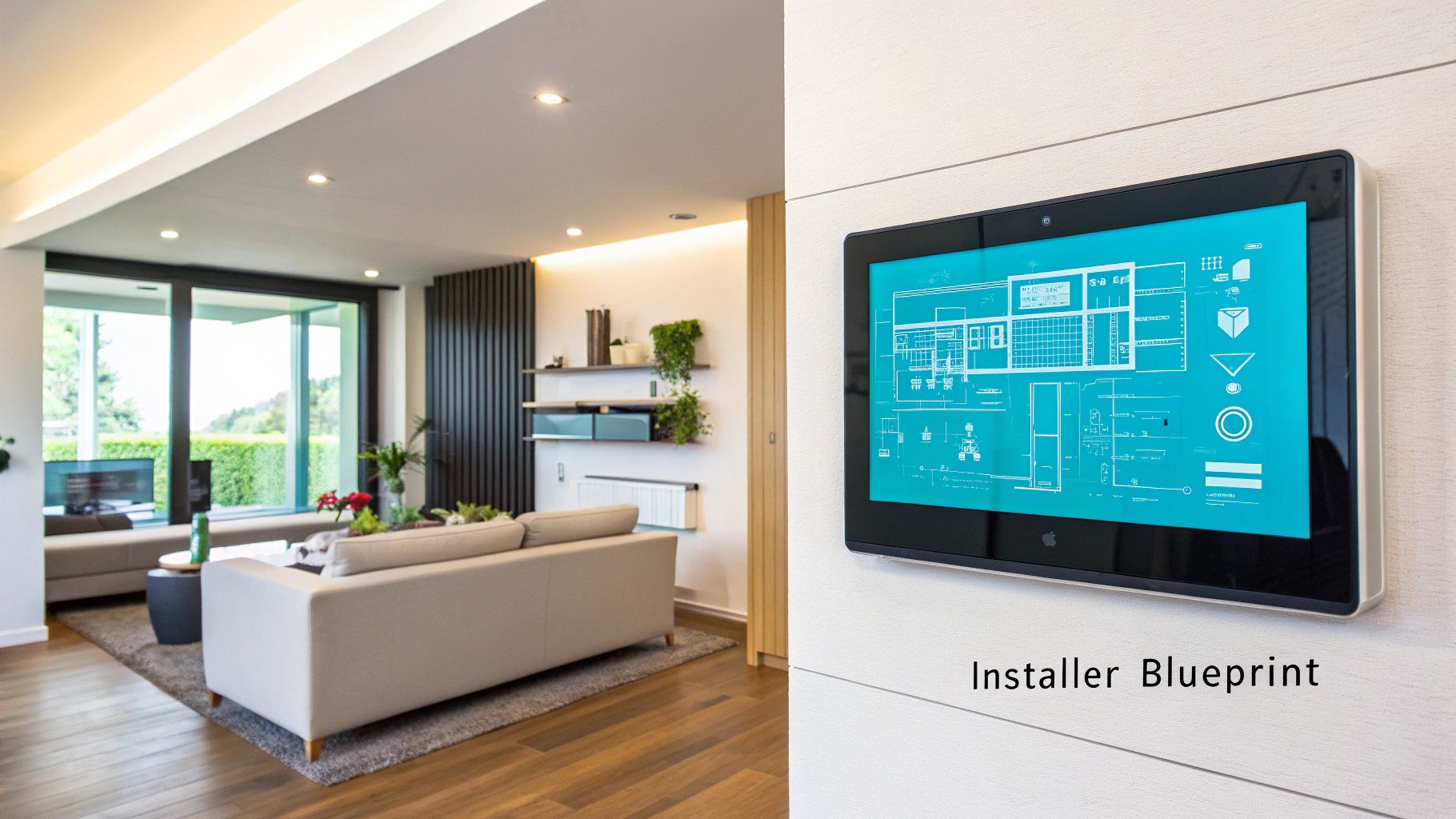
Following CEDIA guidelines ensures that the system is not only functional but also safe and serviceable. For instance, a "Thomas Roof" installation would involve meticulous documentation—a "as-built" set of diagrams that allows any future technician to understand exactly how the system is wired and programmed. This documentation is vital for the long-term value of the property, as it prevents the home's technology from becoming a "black box" that no one knows how to fix.
Challenges and Solutions in High-End Integration
Even with the best planning, smart home installation faces unique challenges. Thomas Roof’s methodology addresses these through specific technical strategies.
Interference and Signal Management
As homes become more saturated with wireless devices, RF (Radio Frequency) interference becomes a major hurdle. Professional installers perform a spectrum analysis to identify "clean" channels for essential wireless communication, such as Zigbee or specialized proprietary frequencies used by lighting controls.
Cybersecurity and Privacy
For the high-net-worth clients typically served by elite installers, privacy is paramount. Unlike consumer devices that often send data to the cloud for processing, professional systems are designed to operate locally. By using enterprise-grade firewalls (such as those from Fortinet or Cisco) and VLAN (Virtual Local Area Network) segmentation, installers ensure that a compromise in a smart lightbulb doesn't lead to a compromise of the homeowner's private computer network.
Future-Proofing
Technology moves faster than architecture. To solve this, installers use "conduit runs"—hollow pipes behind the walls—that allow new types of cables to be pulled through in the future without tearing down drywall. This ensures that the home remains "smart" even as 2026-era standards are eventually replaced by the next generation of connectivity.
How to Engage with a High-End Smart Home Designer
Engaging a professional like Thomas Roof or a similarly qualified integrator should happen during the Design Development phase of a project, not after the framing is complete.
- Discovery: Identify your lifestyle needs. Do you host large parties? Do you require a professional-grade home office?
- Budgeting: Expect to allocate between 4% and 10% of your total home construction or renovation budget to technology if you are aiming for a fully integrated experience.
- Documentation: Ensure your contract includes a full set of wiring schematics, IP addresses, and programming code ownership.
- Support Agreements: High-end systems are like high-end cars; they require occasional tuning. Most installers offer Service Level Agreements (SLAs) for proactive monitoring and firmware updates.
Frequently Asked Questions
What is the difference between an architect and a smart home installer?
An architect designs the physical structure and aesthetic of a home, while a smart home installer (or integrator) designs the electronic systems. Professionals like Thomas Roof occupy a unique niche by being both, ensuring that the technology and the architecture are developed in harmony rather than in conflict.
Can I upgrade an existing home to the "Thomas Roof" standard?
Yes, though it is more challenging. Retrofitting involves using wireless-hybrid systems like Lutron RadioRA 3 or specialized "invisible" speakers that can be installed into existing drywall. While the "invisible" aspect is harder to achieve in a retrofit, professional integration can still significantly centralize and simplify your home's technology.
Why choose Crestron or Lutron over cheaper alternatives?
Systems like Crestron and Lutron are "closed-loop" systems. They are engineered for 99.999% reliability and offer bespoke hardware finishes—such as solid brass or hand-finished stone keypads—that consumer brands do not provide. They also offer much deeper integration with sub-systems like pool controllers and motorized gates.
Does a smart home installation increase property value?
In the luxury market, a professionally installed and documented smart home system is increasingly seen as a standard requirement, much like central air conditioning was in previous decades. It enhances "marketability" and can increase the final sale price, provided the system is from a reputable brand and is fully functional at the time of sale.
How does Thomas Roof handle user privacy?
By prioritizing local control over cloud-based services. In a high-end installation, your voice commands and sensor data are processed by a local server within your home, rather than being sent to a third-party data center. This significantly reduces the attack surface for potential data breaches.
Practical Recommendation
If you are planning a luxury build or a significant renovation in 2026, do not treat your smart home system as a finishing touch. Instead, hire a technology consultant or an architect with a focus on integration, like Thomas Roof, at the same time you hire your general contractor. The goal is to create a "digital foundation" that is as robust and permanent as the home's plumbing or electrical system. Start by requesting a Low-Voltage Design Plan that can be reviewed alongside your architectural blueprints to ensure all infrastructure needs are met before a single nail is driven.
Image Gallery